
Sauces & Condiments
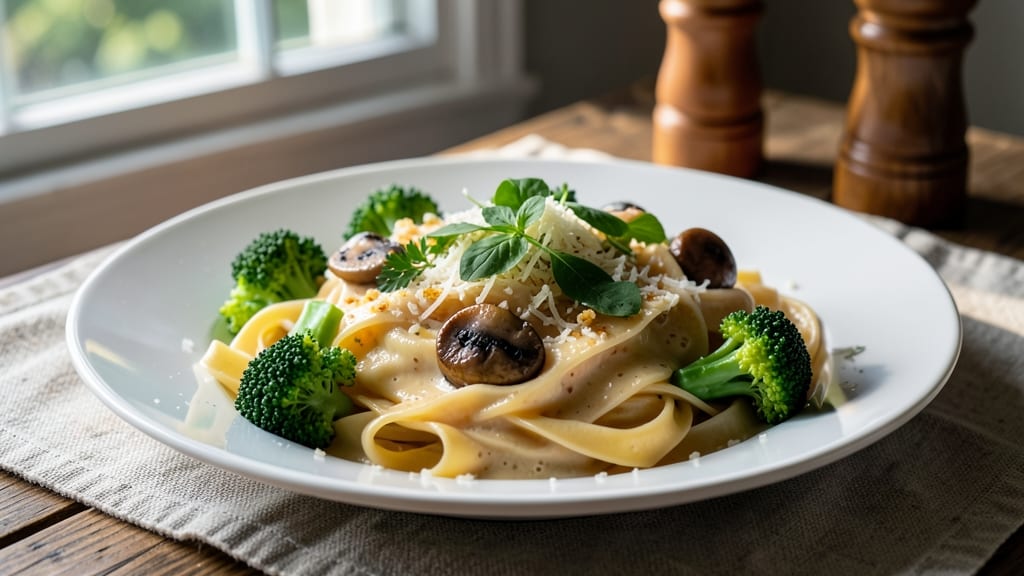
This alfredo sauce pasta with vegetables recipe delivers restaurant-quality creamy comfort in just 25 minutes—no separate sauce pan required. The secret lies in cooking the pasta directly in the sauce, creating a velvety, clinging coating that transforms simple ingredients into a luxurious meal.
I developed this one-pot method after years of testing, ensuring every bite delivers that signature rich, buttery flavor without the mess.
The beauty of this recipe is its versatility—you can use whatever vegetables you have on hand, from broccoli and zucchini to mushrooms or bell peppers.
The sauce itself is a perfect balance of creamy and light, thanks to a simple technique of cooking the pasta in the sauce rather than boiling it separately. This method also means fewer dishes to clean, making it ideal for busy weeknights.
What you'll end up with is perfectly al dente pasta coated in a luscious, creamy sauce that clings beautifully to every strand, paired with tender, vibrant vegetables. The sauce is rich and velvety, with just the right amount of garlic and parmesan to elevate the flavors.
This dish is the kind of meal that feels indulgent yet comes together effortlessly.
Whether you're feeding a family or treating yourself to a comforting solo dinner, this recipe delivers on both flavor and convenience. The one-pot approach ensures minimal cleanup, while the creamy sauce and tender vegetables make it a dish you'll want to return to again and again. Let's get started!
Ingredients for alfredo sauce pasta with vegetables
Pantry staples meet fresh vegetables for this creamy, one-pot alfredo masterpiece.
| Ingredient | Amount | Notes |
|---|---|---|
| Fettuccine Pasta 🍝 | 12 oz | High-quality, dried fettuccine |
| Heavy Cream 🥛 | 1 ½ cups | Full-fat for richness |
| Unsalted Butter 🧈 | ½ cup | Cold, cubed for better melting |
| Garlic Cloves 🧄 | 4 cloves | Fresh, minced for aroma |
| Parmesan Cheese 🧀 | 1 cup | Freshly grated from block |
| Broccoli Florets 🥦 | 3 cups | Fresh or frozen, chopped |
| Zucchini 🥒 | 1 ½ cups | Diced into small pieces |
| Mushrooms 🍄 | 1 cup | Sliced cremini or white |
| Salt 🧂 | 1 ½ tsp | Diamond Crystal kosher |
| Black Pepper 🌶️ | ½ tsp | Freshly ground for heat |
| Dried Parsley 🌿 | 1 tbsp | For garnish, finely chopped |
| Olive Oil 🫒 | 1 tbsp | For sautéing vegetables |
| Red Pepper Flakes 🌶️ | ¼ tsp | Optional for heat |
The Parmesan and heavy cream are non-negotiable for that signature velvety texture. Grab a wedge of Parmigiano-Reggiano from the deli counter—pre-grated gets clumpy and lacks depth. For the cream, full-fat is essential—light versions won't deliver the same richness. The vegetables can be any mix you prefer, but broccoli and mushrooms add great texture contrast. If using frozen veggies, thaw them first and pat dry to prevent excess moisture in the sauce. For garlic, fresh is a must—jarred lacks the aromatic punch this dish needs.
No heavy cream? Half-and-half plus a splash of whole milk works in a pinch, though the sauce will be slightly lighter. Substituting Parmesan? Pecorino Romano has a sharper flavor that pairs well. For the vegetables, swap in whatever's seasonal—asparagus or green beans would be delicious alternatives. The red pepper flakes are optional but worth adding if you like a little kick. If you're sensitive to dairy, you can use a vegan cream cheese base instead of butter and cream, though the texture will differ slightly. The pasta should be high-quality—De Cecco or Barilla are reliable brands that cook evenly.
This dish reheats beautifully—just add a splash of milk or water to loosen the sauce. Keeps for 3-4 days in the fridge, though it's best enjoyed fresh. For leftovers, store in an airtight container with a layer of plastic wrap pressed directly on the sauce to prevent a skin from forming. The sauce thickens as it cools, so you may need to add a splash of milk when reheating. Portion into individual containers for easy grab-and-go lunches—add a sprinkle of fresh parsley before serving to brighten the flavors.
Why You'll Love This Recipe
- No-Fuss Weeknight Win: I swear by this when I’m too tired to think—just toss fettuccine in boiling water, melt butter and garlic in a pan, then stir in cream and cheese. The sauce comes together while the pasta cooks, and honestly? That’s my kind of magic.
- Creamy Garlic Hug: Between us, the moment that rich, garlicky cream sauce coats those noodles? Pure satisfaction. The butter and Parmesan melt into something velvety, while the garlic adds just enough punch to make it feel fancy without the effort.
- Leftover Goldmine: Here’s what sold me—the sauce thickens beautifully when reheated, so leftovers taste just as good the next day. I’ll often double the batch, toss in whatever veggies I have (broccoli, spinach, even roasted zucchini), and serve it for lunch or dinner. Zero waste, maximum flavor.
- Budget-Friendly Luxury: This dish tricks everyone into thinking it’s a restaurant special—all for the price of a few pantry staples. Heavy cream and butter might sound indulgent, but they’re stretchy when you’re feeding a crowd, and Parmesan goes a long way when grated fresh. (Yes, even on a Tuesday night.)
Step-by-step instructions for one-pot alfredo pasta with vegetables
This method delivers rich, creamy perfection in a single pot with minimal cleanup.
Sauté Vegetables Until Tender-Crisp
Heat the 1 tablespoon olive oil in a large, deep skillet or Dutch oven over medium-high heat. Add the 1 cup mushrooms and cook for 4-5 minutes until they release their moisture and begin to brown. Remove them with a slotted spoon and set aside temporarily.
In the same skillet, add the 1.5 cups zucchini and 3 cups broccoli florets. Sauté for 5-6 minutes, stirring occasionally, until the zucchini softens slightly and the broccoli brightens in color. You want the vegetables to retain some texture—they'll finish cooking in the sauce later. Season lightly with ½ teaspoon salt and ¼ teaspoon black pepper while they cook.
Build the Creamy Alfredo Base
Reduce heat to medium and add the 0.5 cup unsalted butter to the skillet. Let it melt completely, about 1 minute, then add the 4 cloves minced garlic cloves. Cook for 30 seconds until fragrant—don't let it brown or it'll turn bitter. Immediately pour in the 1.5 cups heavy cream, stirring constantly to combine.
Bring the mixture to a gentle simmer and let it reduce slightly for 2-3 minutes until it thickens enough to coat the back of a spoon. This step develops the sauce's richness. Remove from heat and stir in the 1 cup freshly grated Parmesan cheese until fully melted and smooth. Taste and adjust seasoning with additional salt or black pepper if needed.
Cook the Pasta Directly in the Sauce
Return the skillet to medium heat and add the 12 oz fettuccine pasta along with 1 tablespoon olive oil (to prevent sticking). Stir immediately to coat the pasta with the sauce. Add 1 cup water to the skillet and bring to a gentle boil. Cover and cook for 8-10 minutes, stirring occasionally, until the pasta is al dente and the liquid is mostly absorbed.
If the mixture looks too thick before the pasta is fully cooked, add ¼ cup water at a time until the pasta can move freely. The goal is to finish cooking the pasta in the creamy sauce, not in plain water. The vegetables you set aside earlier can be returned to the skillet now to warm through for 1-2 minutes. Stir in the 0.25 teaspoon red pepper flakes if using for subtle heat.
Finish and Garnish for Restaurant-Quality Results
Once the pasta is perfectly cooked (it should have a slight bite), remove the skillet from heat and let it sit for 1 minute to thicken slightly. The residual heat will help the sauce cling to each strand. Stir in the 1 tablespoon dried parsley and taste again, adjusting seasoning if needed—Alfredo sauce should be rich but not overly salty.
For serving, divide the pasta among plates and garnish with an extra sprinkle of Parmesan cheese and black pepper. The sauce should coat the pasta beautifully, with each bite delivering creamy, cheesy goodness alongside the tender vegetables. Serve immediately while hot, as the sauce continues to thicken as it cools.
Pro Tips For Making Alfredo Sauce Pasta With Vegetables
- Bloom the Garlic: Slice those cloves thin—almost translucent—and let them sit in the butter for 30 seconds before stirring. I used to rush this, and the sauce always tasted raw; giving them time to soften without browning keeps the flavor smooth and rich.
- Salt the Water Hard: Toss in 2 tablespoons of salt before adding pasta—yes, even if your fettuccine is labeled "enriched." The sauce will be thick and creamy, but if the noodles taste bland, you’ll regret skimping. Trust me, I’ve burned that bridge.
- Temper the Cream: Warm the heavy cream slowly over low heat—just until it’s steaming, not boiling—before mixing it into the butter. Dumping cold cream into hot butter curdles it faster than you can say "disaster." A splash of pasta water fixes it, but why risk it?
- Grate the Cheese Fresh: Skip the pre-shredded Parmesan—it’s coated with anti-caking agents that turn your sauce grainy. Use a microplane or fine grater for the last tablespoon, right when the pasta hits the pan. That last burst of sharp, powdery cheese is what makes Alfredo sing.
Essential equipment for this recipe
Large Skillet or Dutch Oven
This is your workhorse for this recipe—I use a 12-inch cast iron Dutch oven from Lodge because it retains heat beautifully and handles the one-pot method perfectly. The deep sides prevent spills when stirring, and the heavy base ensures even heating.
If you don’t have cast iron, a heavy stainless steel skillet like All-Clad works just as well. Avoid nonstick—it can’t handle the high heat needed for proper browning. 🔥
High-Quality Grater
Freshly grated Parmesan cheese makes all the difference in this dish. I recommend a microplane or box grater like the OXO Good Grips for fine, even shreds that melt smoothly into the sauce.
Pre-grated cheese contains anti-caking agents that make the sauce grainy. For extra efficiency, grate directly over the skillet while the sauce simmers to catch every bit. 🧀
Wooden Spoon or Spatula
A heat-resistant silicone spatula or wooden spoon is essential for stirring the sauce without scratching your pot. I prefer OXO’s silicone spatula because it’s flexible enough to scrape every last bit of sauce from the bottom while being gentle on your cookware.
Avoid metal utensils—they can scratch nonstick coatings and react with acidic ingredients over time. 🥄
Slotted Spoon
This tool comes in handy for removing the mushrooms early in the cooking process so they don’t overcook while the sauce develops. A stainless steel slotted spoon like Mercer Culinary works perfectly—it’s sturdy enough to handle the weight of mushrooms without bending.
Use it to fish out vegetables at the right moment to control their texture. 🍄
Measuring Spoons & Cups
Precision matters with this recipe, especially for the heavy cream and butter measurements. Use stainless steel measuring spoons for accuracy—plastic can warp with heat. For liquids, a clear glass measuring cup ensures you can see the exact 1.5 cups of cream needed.
I keep my We Are the Mighty set on hand for all my cooking—it’s durable and easy to read. 🥛
Lid for Moisture Control
The fitted lid for your skillet is crucial during the pasta cooking phase to trap steam and cook the noodles evenly. If your Dutch oven doesn’t have one, a clear glass lid works perfectly—it lets you monitor the pasta’s progress without losing heat.
Pro tip: Leave the lid slightly ajar during the last 2 minutes of cooking to let excess moisture evaporate for a thicker sauce. ❄️
Nutrition facts
Frequently asked questions
Can I make this recipe without heavy cream?
Yes! For a lighter version, substitute 1 cup whole milk plus ½ cup mayonnaise—this mimics the creaminess while reducing fat. For a vegan option, blend 1 cup silken tofu with ½ cup nutritional yeast and 1 tablespoon lemon juice until smooth, then use in place of the cream. The sauce will be slightly thinner but still delicious.
Why does my alfredo sauce get grainy?
Graininess usually happens from pre-grated cheese or overheating. Always use freshly grated Parmesan (a microplane works best) and stir constantly over medium-low heat after adding the cheese. If it happens, whisk in 1 tablespoon cold water to smooth it out. The sauce should be velvety, not clumpy!
What vegetables work best with this recipe?
Any tender, flavorful veggies work! The original uses broccoli, zucchini, and mushrooms, but try asparagus, bell peppers, or spinach for variety. For heartier dishes, add chicken or shrimp cooked separately and mixed in at the end. Roasted cherry tomatoes also pair beautifully for a summer twist.
How do I fix undercooked or mushy pasta?
If your pasta is undercooked, add ½ cup hot water and cover for 2-3 minutes more. For mushy pasta, it likely absorbed too much liquid—next time, reduce the water by ¼ cup or cook uncovered for the last 1-2 minutes to evaporate excess moisture. Always taste-test for al dente (slight bite) before serving.
Can I make this ahead of time?
Yes, but assemble it last-minute! Cook the pasta and vegetables separately, then reheat with the sauce over low heat, adding 2-3 tablespoons milk or water to loosen it. Store components separately in the fridge for up to 2 days. The sauce thickens when chilled, so reheat gently. For best texture, serve fresh whenever possible.