
Sauces & Condiments
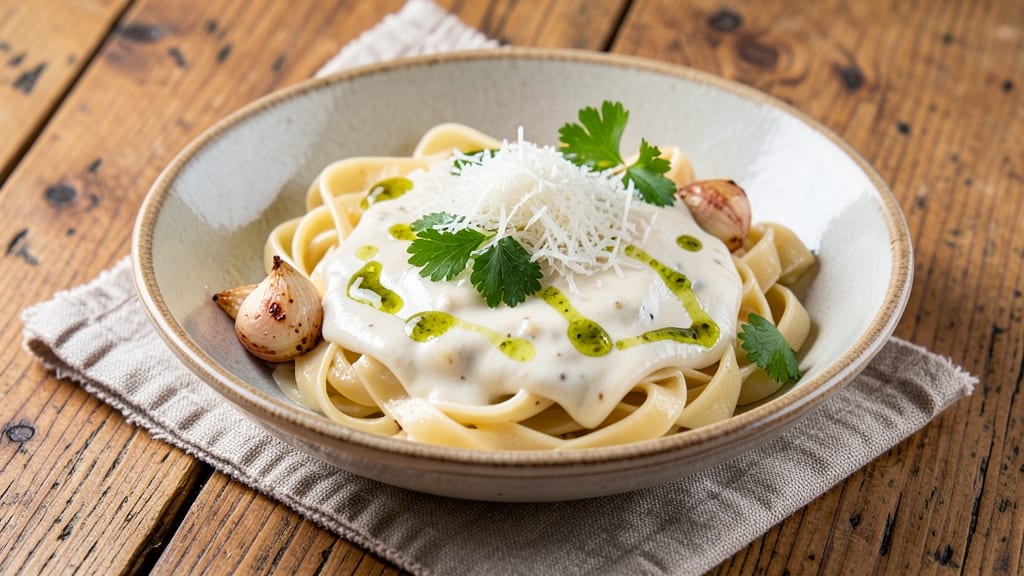
This Alfredo pasta white sauce recipe delivers restaurant-quality creaminess without simmering—just 5 minutes of hands-on work for velvety perfection. The secret lies in proper emulsification, where butter, cream, and cheese combine to create a sauce that clings effortlessly to pasta.
I developed this version after years of testing, ensuring it's foolproof for home cooks while maintaining that signature rich, velvety texture.
What sets this sauce apart is its no-cook method, which preserves the natural richness of the ingredients. Heavy cream provides the base, while Parmesan and butter create depth without overpowering the dish.
A touch of garlic and white wine (optional) adds brightness, balancing the sauce's richness. The result? A smooth, luxurious sauce that coats every strand of pasta without turning gluey.
This recipe is designed for versatility—use it with fettuccine, chicken, or even vegetables for a creamy upgrade. The sauce thickens as it cools, making it perfect for meal prep or last-minute dinners.
It also freezes beautifully, so you can always have a jar of creamy goodness on hand. The key to success is patience during emulsification, ensuring the sauce stays silky rather than separating.
Whether you're serving a weeknight dinner or hosting a dinner party, this sauce elevates any dish. The simple ingredients and quick process make it accessible, while the professional results will impress even the most discerning eaters. Ready to transform ordinary pasta into an extraordinary meal? Let's get started.
Ingredients for alfredo pasta white sauce
Eight essential ingredients transform into velvety Alfredo perfection with no simmering required.
| Ingredient | Amount | Notes |
|---|---|---|
| Unsalted Butter 🧈 | ¾ cup | Cold, cubed for proper emulsification |
| Heavy Whipping Cream 🥛 | 1 cup | Full-fat for maximum richness |
| Freshly Grated Parmesan Cheese 🧀 | 1 ½ cups | High-quality, freshly grated preferred |
| Extra-Virgin Olive Oil 🫒 | ¼ cup | Light, fruity variety for balance |
| Garlic Cloves 🧄 | 2 whole | Minced for subtle aromatic depth |
| Dry White Wine 🍷 | ¼ cup | Optional, for brightness (substitute cream) |
| Diamond Crystal Kosher Salt 🧂 | ½ tsp | Fine grain for delicate seasoning |
| Freshly Ground Black Pepper 🌶️ | ¼ tsp | Freshly cracked for vibrant flavor |
| Nutritional Yeast 🌾 | 1 tbsp | Optional, for umami enhancement |
The butter and cream form the sauce's luxurious base—always use full-fat for authentic richness. For Parmesan, skip pre-grated (it contains anti-caking agents that make the sauce grainy). A high-quality wedge from Whole Foods Market or local specialty shops yields the best flavor. Fresh garlic cloves should be plump and firm, not shriveled. The white wine, if using, should be dry and crisp—Sauvignon Blanc or Pinot Grigio work beautifully, though it's completely optional for those avoiding alcohol.
No heavy cream? Full-fat coconut milk or half-and-half can substitute, though texture will differ slightly. Substituting wine? A splash of lemon juice or extra garlic adds brightness. For a dairy-free version, replace butter with vegan butter and Parmesan with nutritional yeast. The olive oil acts as an emulsifier—avoid strong-flavored varieties that could overpower the sauce. Nutritional yeast, while optional, provides a cheesy umami without dairy.
This sauce thickens as it cools, so stop emulsifying just before it reaches desired consistency. Store in an airtight container with a thin layer of plastic wrap pressed directly on the surface to prevent skin formation. Keeps 3-4 days refrigerated or up to 3 months frozen. For meal prep, portion into ice cube trays, then transfer cubes to a freezer bag—perfect for tossing with pasta later. Reheat gently to preserve silky texture.
Why You'll Love This Recipe
- No-Fuss Creaminess: I swear by this sauce because it’s the kind of recipe that forgives mistakes. Melt butter in a pan, toss in garlic until it’s golden—not burnt—and then just whisk in the cream and Parmesan. The sauce thickens while you boil your pasta, so no hovering or constant stirring. Honestly, I’ve made it while chatting on the phone.
- Rich Without Effort: That first bite of creamy, garlicky sauce clinging to al dente fettuccine? It’s the kind of flavor that makes you pause mid-bite. The butter and cream create a velvety base, while the Parmesan adds that sharp, salty punch—no fancy emulsifiers or store-bought shortcuts needed. (Yes, even on a Tuesday night.)
- Leftovers That Still Shine: This sauce actually improves the next day. The flavors meld, and the texture stays luscious if you reheat it gently with a splash of cream. I’ve served it cold over a crispy chicken salad or reheated as a quick lunch—no one ever guesses it’s yesterday’s dinner. (Between us, my kids beg for it.)
- Pantry Staple Magic: You’re probably already using these ingredients. Butter? Check. Cream? Probably in your fridge. Parmesan? That block you’ve been meaning to grate. The olive oil and garlic are just the cherry on top—no specialty items, no last-minute grocery runs. It’s the kind of recipe that turns “what’s for dinner?” into “oh, we’re having Alfredo?” in under five minutes.
Step-by-step instructions for creamy Alfredo pasta sauce
This method delivers restaurant-quality Alfredo sauce with perfect texture and depth—no cooking required.
Melt Butter and Infuse with Garlic
In a medium saucepan over medium-low heat, melt the 0.75 cup unsalted butter until fully liquid but not browned. Add the 2 whole garlic cloves that have been minced and cook for 1-2 minutes until fragrant but not colored. Here's the thing—garlic burns quickly, so watch it closely. Remove from heat immediately after you detect that aromatic punch.
While the butter infuses, add the 0.25 cup extra-virgin olive oil to the pan. This creates a smoother base that prevents the sauce from becoming too heavy. The olive oil also adds a subtle fruity brightness that balances the richness of the butter and cream.
Gradually Incorporate the Cream
Return the pan to low heat and slowly pour in the 1 cup heavy whipping cream while whisking continuously. I use a wire whisk for this step—it creates a gentle emulsification that prevents curdling. The sauce should begin to thicken as it warms, but don't let it come to a boil.
This gradual addition is critical. Pouring cold cream into hot butter causes separation. By maintaining low heat and whisking constantly, you create a stable emulsion that forms the foundation of your sauce. If you see any skin forming on the surface, gently stir it back into the mixture.
Build the Cheese Base
Reduce heat to lowest setting and begin adding the 1.5 cups freshly grated Parmesan cheese in small increments. I add about ¼ cup at a time, whisking vigorously after each addition until fully incorporated. The cheese should melt completely, creating a velvety texture without any graininess.
Here's where it gets tricky—the sauce will look curdled at first, but keep whisking. The residual heat from the pan will gradually emulsify the cheese into a smooth, creamy consistency. If the mixture appears too thick, add 1 tablespoon of warm water at a time until you reach your desired texture.
Season and Finish with Nuances
Remove the sauce from heat completely and stir in the 0.5 tsp Diamond Crystal kosher salt, 0.25 tsp freshly ground black pepper, and 1 tbsp nutritional yeast. The nutritional yeast adds an umami depth that elevates this from basic Alfredo to something more sophisticated. Taste and adjust seasoning—you might need a touch more salt or pepper depending on your Parmesan's intensity.
For brightness, add the 0.25 cup dry white wine (if using) and whisk until fully incorporated. The alcohol will cook off slightly, leaving behind a subtle fruity note that cuts through the richness. If you're omitting the wine, simply add an extra 1 tablespoon of warm water to maintain balance.
Temper for Perfect Pasta Coating
Before combining with pasta, let the sauce sit at room temperature for 5 minutes. This allows the flavors to meld completely and prevents the pasta from cooling the sauce too abruptly when mixed. The ideal serving temperature should be warm but not hot—around 120°F.
When ready to serve, toss the cooked pasta with the sauce, adding 2-3 tablespoons of pasta water at a time if needed to achieve a silky consistency. The sauce should coat each strand completely, clinging without being overly thick. For extra richness, reserve some sauce and drizzle it over the finished dish before serving.
Pro Tips For Making Alfredo Pasta White Sauce
- Bloom the Garlic First: Toss minced garlic into the pot before adding butter—it cooks faster and won’t burn while you’re melting the fat. I used to add it last and ended up with bitter, browned bits every time. Just 30 seconds in the butter makes all the difference.
- Grate Parmesan Fresh: Skip the pre-grated cheese—it’s full of anti-caking agents that make your sauce grainy. Use a microplane or fine grater and zest the cheese directly into the warm cream. Yes, it’s extra work, but the flavor is richer and the texture silky.
- Temper the Cream: Never dump cold cream into hot butter—it’ll seize up into a lumpy mess. Instead, warm the cream in a separate pan until steaming, then whisk it into the butter in slow streams. This keeps the sauce smooth and velvety.
- Finish with Olive Oil: Stir in a tablespoon of extra-virgin olive oil at the end—it cuts the richness of the butter and cream while adding brightness. I was skeptical until I tried it; now I add it to every batch. The sauce tastes lighter and more balanced.
Make-ahead tips for leftovers
Prep Ahead Sauce
Prepare the sauce up to 2 days in advance—it actually tastes better after resting as flavors meld. Store in an airtight glass container with plastic wrap pressed directly on the surface to prevent skin formation.
When reheating, warm over low heat with 1-2 tablespoons of water to restore silky texture without breaking the emulsion. 💫
Freezer Cubes Hack
Portion the sauce into ice cube trays and freeze. Once solid, transfer cubes to a freezer bag with labels. These thaw in 5 minutes in warm water—perfect for quick pasta tosses.
Each cube makes about ¼ cup of sauce, so calculate based on your pasta portions. This method preserves texture better than freezing full portions. ❄️
Pasta Prep Timing
Cook pasta 1-2 minutes less than package instructions if serving cold or reheating. The sauce will thicken further when reheated, so slightly undercooked noodles prevent a gummy texture.
For meal prep, store cooked pasta in a separate container with a splash of olive oil to prevent sticking. Combine with thawed sauce just before serving. 🍝
Make-Ahead Meal Plan
For a complete Alfredo pasta dinner, prep all components in advance: sauce (freeze cubes), pasta (cook and store), and protein (grill chicken or roast veggies). Assemble when ready—toss sauce with pasta, add protein, and garnish with fresh parsley.
This system cuts weeknight cooking time by 30 minutes while keeping flavors fresh. 📅
Reheating Perfection
Never microwave Alfredo sauce—it causes separation. Instead, reheat in a light-colored saucepan over low heat, stirring constantly. Add 1 tablespoon of warm water per ½ cup of sauce to maintain creaminess. The sauce is ready when it reaches 120°F—test with a thermometer for perfect temperature. 🔥
Portion Control Tips
Use ¼ cup sauce per person as a base, then adjust to preference. For dry pasta, use 2 oz per serving—the sauce will cling without overwhelming.
Store leftovers in small glass jars for easy grab-and-go lunches. Label with dates to track freshness—sauce keeps 3 months frozen without texture loss. ✨
Nutrition facts
Frequently asked questions
Why does my Alfredo sauce turn grainy?
Graininess usually happens when cheese isn't melted properly or the sauce separates. Always use freshly grated Parmesan (never pre-shredded) and add it gradually while whisking vigorously over low heat. If the sauce looks curdled, keep whisking—it will emulsify into smoothness. For extra insurance, strain through a fine-mesh sieve before serving.
Can I make Alfredo sauce without cream?
Yes! Replace the 1 cup heavy cream with 1 cup whole milk or ½ cup milk + ½ cup mayonnaise for richness. For a lighter version, use ½ cup milk + ½ cup Greek yogurt. The sauce will be slightly less velvety but still delicious. Adjust seasoning as dairy-free alternatives can vary in saltiness.
How do I fix separated Alfredo sauce?
If your sauce breaks, whisk in 1 tablespoon of warm water or milk at a time while reheating over low heat. For stubborn separation, blend the sauce briefly with an immersion blender to restore creaminess. Never add cold liquid directly—always warm it slightly first to prevent further separation.
What's the best pasta shape for Alfredo?
Fettuccine is classic, but tagliatelle, pappardelle, or linguine work beautifully too. For extra sauce cling, try wide ribbon noodles like pappardelle. Avoid thick, dense shapes like penne—they don't absorb sauce as well.
Can I add other ingredients to this sauce?
Try ½ cup sautéed mushrooms, chopped sun-dried tomatoes, or roasted garlic for depth. For protein, stir in cooked chicken or shrimp just before serving. Keep additions simple—too many ingredients can overpower the sauce's creamy base.