
Sauces & Condiments
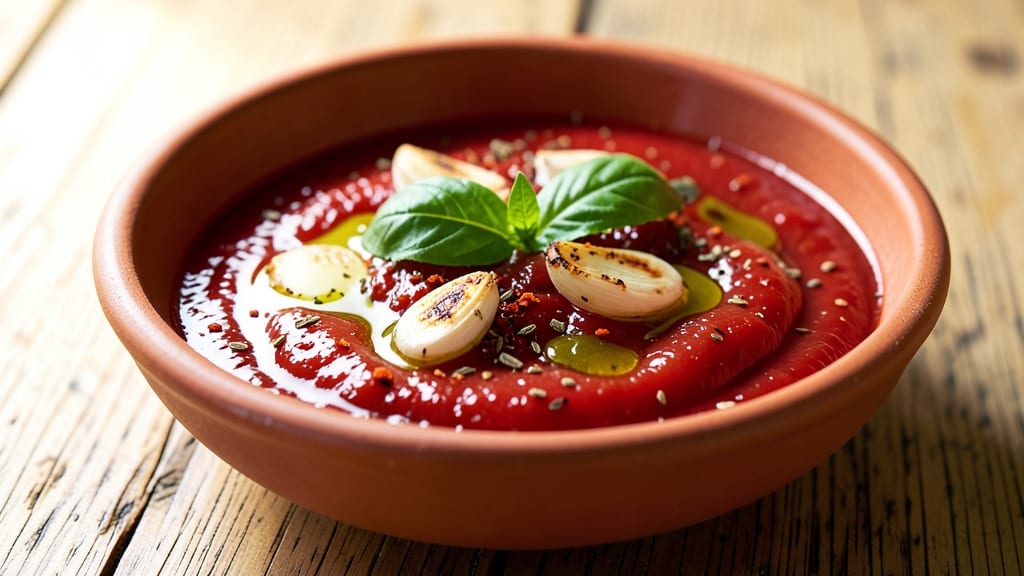
This arabiata sauce recipe delivers the perfect balance of smoky chili heat and fresh basil brightness that transforms simple dishes into restaurant-quality meals.
The secret lies in slow simmering canned tomatoes with garlic, chili flakes, and olive oil until deeply concentrated, then finishing with fresh basil for that signature aromatic punch. What makes this sauce special is its versatility—it elevates pasta, pizza, or even works as a bold marinade for grilled meats.
The foundation of great arabiata sauce is patience—letting the tomatoes break down into a rich, velvety consistency while the spices meld together. I’ve streamlined the process to ensure you get that authentic Italian flavor without spending hours in the kitchen.
The sauce thickens naturally as it simmers, creating a perfect consistency that clings beautifully to noodles or crusts.
By the time you’re done, you’ll have a sauce that’s bold yet balanced, with a smoky depth from the chili and a bright, herby finish from the basil.
It’s the kind of sauce that makes weeknight dinners feel like a special occasion, and it keeps well in the fridge for up to a week, so you can make a big batch and enjoy it all week long.
Whether you’re tossing it with spaghetti, drizzling it over pizza, or using it as a marinade, this arabiata sauce is a game-changer for home cooks. Let’s get started on creating a sauce that’s as impressive as it is delicious.
Ingredients for arabiata sauce
Nine simple ingredients transform into a restaurant-worthy sauce that's bold, smoky, and herby.
| Ingredient | Amount | Notes |
|---|---|---|
| Canned San Marzano Tomatoes 🍅 | 28 oz | Crushed by hand for texture |
| Extra-Virgin Olive Oil 🫒 | ½ cup | High-quality, fruity variety |
| Garlic Cloves 🧄 | 6 cloves | Minced for even distribution |
| Red Chili Flakes 🌶️ | 2 tbsp | Adjust for preferred heat level |
| Fresh Basil Leaves 🌿 | ½ cup | Packed, stems removed |
| Dried Oregano 🍃 | 1 tsp | Italian or Mediterranean blend |
| Ground Black Pepper 🌶️ | ½ tsp | Freshly cracked preferred |
| Sea Salt 🧂 | 1 tsp | Kosher or fine grain |
| Red Wine Vinegar 🍷 | 1 tbsp | For brightness and acidity |
| Granulated Sugar 🍬 | 1 tsp | Balances acidity slightly |
San Marzano tomatoes are the heart of this sauce—their natural sweetness and low acidity create the perfect base. Grab a can from Whole Foods or Trader Joe's if you can, but any high-quality crushed tomatoes work. The olive oil should be extra-virgin and fruity—none of that cheap stuff. I like to toast my garlic in the oil first for deeper flavor, but it's not required. The basil? Fresh is non-negotiable—dried won't cut it here. If you're short on time, basil pesto from the store in a pinch, but it won't have the same brightness.
No red wine vinegar? White wine vinegar or lemon juice works, but the color will be lighter. Short on fresh basil? Dried basil at half the amount gets you close, though it'll lack that signature aroma. Want more heat? Add another tablespoon of chili flakes. The sugar might seem odd, but it's there to balance the acidity—trust me, you'll taste the difference. For the chili flakes, Penzeys or Italian markets have the best quality. Store them in a cool, dark place to keep their punch.
This sauce tastes even better the next day as the flavors meld. Keeps in the fridge for up to 1 week in an airtight container with a thin layer of olive oil on top to preserve freshness. Freezes beautifully for up to 3 months—portion into ice cube trays before transferring to a bag for easy use. I always make a double batch because it disappears fast—perfect for pasta, pizza, or grilled meats. The leftovers? Even better than the first batch.
Why You'll Love This Recipe
- Five-Ingredient Magic: I swear by this—just tomatoes, garlic, olive oil, chili flakes, and basil. That’s it. No fancy prep, no hidden pantry items. The San Marzano tomatoes alone make it taste like you simmered for hours.
- Garlic-Kissed Heat: Honestly, the way the garlic softens into the oil while the chili flakes keep it bright? It’s the kind of balance that makes you reach for seconds. Add fresh basil at the end, and it’s chef’s kiss—no overpowering, just pure flavor.
- Weeknight to Dinner Party: This sauce works tossed over pasta, drizzled on grilled chicken, or even stirred into lentils. I’ve used it for lazy Tuesday dinners and Sunday suppers with zero stress. (Yes, even on a Tuesday night.)
- Budget-Friendly Pantry Hero: Canned tomatoes and olive oil? Check. Garlic and chili flakes? Already in my spice rack. It costs me pennies per serving, and the leftovers? They taste just as good reheated the next day—no sad, watery sauce here.
Step-by-step instructions for arabiata sauce
This smoky, chili-kissed sauce comes together in minutes with bold flavors and fresh basil brightness.
Bloom the Chili Flakes in Olive Oil
Heat the 0.5 cup extra-virgin olive oil in a medium saucepan over medium-low heat. Add the 2 tablespoons red chili flakes and stir constantly for 1-2 minutes until they darken slightly and release their aroma. This step is crucial—it deepens the chili's smoky flavor without burning it. Watch closely; the oil should shimmer but not smoke.
Real talk: if you skip this blooming step, the chili flavor will be muted. The oil should smell intensely spicy and slightly smoky by the time you move to the next ingredient. Keep the heat gentle to avoid burning the delicate chili particles.
Sauté the Garlic Until Fragrant
Add the 6 minced garlic cloves to the chili oil and cook for 30-45 seconds until they turn golden and release their sweet aroma. Be careful not to let them brown—you want color, not bitterness. Stir constantly to ensure even cooking and prevent burning.
Here's the thing—garlic burns faster than you think. You'll know it's ready when the kitchen fills with that irresistible garlic scent and the cloves look translucent with just a hint of golden color. Remove from heat immediately after this step to prevent overcooking.
Add Tomatoes and Simmer
Pour in the 28 oz canned San Marzano tomatoes and bring the mixture to a gentle simmer over medium heat. Let it cook uncovered for 15-20 minutes, stirring occasionally, until the sauce thickens slightly and the flavors meld. The sauce should reduce enough to coat the back of a spoon.
This simmering time allows the acidity in the tomatoes to mellow while concentrating the flavors. You'll notice the sauce darkening and developing a rich, complex aroma. If it reduces too quickly, add 1-2 tablespoons water to maintain the right consistency.
Season and Balance Flavors
Stir in the 1 teaspoon dried oregano, 0.5 teaspoon ground black pepper, 1 teaspoon sea salt, 1 tablespoon red wine vinegar, and 1 teaspoon granulated sugar. Let the sauce simmer for another 5 minutes to allow all the flavors to marry together. Taste and adjust seasoning—you might need a touch more salt or vinegar depending on your tomatoes.
The sugar balances the acidity while the vinegar adds brightness. The oregano and pepper provide depth, while the salt rounds out all the flavors. This is where the sauce comes together—don't rush this step. The flavors need time to develop and harmonize.
Finish with Fresh Basil
Remove the sauce from heat and stir in the 0.5 cup fresh basil leaves. Let it steep for 5 minutes—this allows the basil's bright, aromatic oils to infuse the sauce. Then, using a slotted spoon, remove the basil leaves (you can save them for garnish or another use). The sauce should now have a vibrant green hue from the basil infusion.
Here's the final check: the sauce should have a perfect balance of smoky chili heat, sweet tomato base, bright basil freshness, and just enough acidity from the vinegar. If you want to use it immediately, strain out any remaining basil stems. If you prefer a smoother texture, you can blend it briefly with an immersion blender.
Pro Tips For Making Arabiata Sauce
- Smash That Garlic: After burning three batches, I finally figured out—peel the cloves, then smash them flat with the side of your knife before adding them to the oil. This releases more flavor without turning your sauce into a charred disaster.
- Salt the Tomatoes First: My grandmother swore by this, and she was right: Toss the crushed San Marzano tomatoes with a pinch of salt and let them sit for 10 minutes before cooking. It draws out moisture, concentrates the sweetness, and makes the sauce silky instead of watery.
- Low and Slow After Boil: Once the tomatoes hit a rolling boil, immediately drop the heat to medium-low. I used to keep it high, and the sauce would either burn or taste raw—neither is good. Let it simmer uncovered for at least 20 minutes to deepen the flavor.
- Toast the Chili Flakes: Sounds weird, but it works: Dry-toast the red chili flakes in the olive oil for 30 seconds before adding the garlic. This blooms their heat and aroma, giving your sauce a smoky depth that just a sprinkle can’t match.
Serving suggestions for this arabiata sauce
Pasta Perfection
Arabiata sauce transforms simple pasta into a restaurant-worthy dish. Toss it with spaghetti or linguine for classic Italian flavors—just cook the pasta al dente first. I like to finish with toasted pine nuts and grated Parmigiano-Reggiano for extra crunch and depth.
For a heartier option, try rigatoni or pappardelle to hold the rich, chunky sauce beautifully. 🍝
Pizza Topping Star
Spread a thin layer of arabiata sauce over pizza dough before adding toppings like mozzarella, sliced mushrooms, and fresh arugula. The sauce’s smoky heat pairs perfectly with creamy burrata dollops after baking.
For a white pizza twist, use it as a base under ricotta, soppressata, and roasted cherry tomatoes. Preheat your oven to 475°F for a crispy crust. 🍕
Grilled Meat Marinade
Use arabiata sauce as a marinade for chicken thighs or shrimp skewers—let them soak for at least 2 hours (or overnight for deeper flavor). The acidity tenderizes while the chili adds a smoky kick.
Grill over medium-high heat for 4-5 minutes per side until charred. Serve with garlic bread and a simple mixed greens salad. 🔥
Vegetable Side Dish
Toss roasted eggplant or zucchini with arabiata sauce for a flavorful side. Roast the veggies at 400°F for 20-25 minutes until tender, then drizzle with sauce. Top with crumbled feta and toasted breadcrumbs for texture. This dish is perfect for vegetarian meals or as a side to grilled meats. 🥦
Dipping Sauce
Serve arabiata sauce warm as a dip for garlic bread, crusty baguettes, or fried calamari. Its bold flavors make it ideal for appetizers. For extra richness, stir in a spoonful of heavy cream at the end.
Pair with chilled white wine or sparkling water with lemon for a refreshing contrast. 🍽️
Meal Prep Hack
Double the recipe and store leftovers in airtight containers for up to 1 week in the fridge. Freeze portions in ice cube trays for easy single-use servings.
Reheat gently on the stovetop with a splash of water to restore texture. This sauce keeps well and makes meal prep a breeze for busy weeks. ✨
Nutrition facts
Frequently asked questions
Can I substitute fresh tomatoes for canned in this arabiata sauce?
Fresh tomatoes work but require extra prep. Use 4-5 large ripe tomatoes, roasted at 400°F for 20 minutes until soft, then blended until smooth. The sauce will be lighter in color but still flavorful. For best results, add 1 tablespoon tomato paste to deepen the flavor. Fresh tomatoes lack the concentrated sweetness of canned San Marzano.
How do I adjust the heat level in this sauce?
For milder heat, reduce chili flakes to 1 tablespoon and add ½ teaspoon sweet paprika for smokiness. For extra spice, increase to 3 tablespoons chili flakes or add 1 chopped fresh chili pepper (like jalapeño) with the garlic. Always taste before serving—you can balance heat with a splash of red wine vinegar or a pinch of sugar.
Can I make this sauce without fresh basil?
Yes, but the flavor will be less vibrant. Use 1 tablespoon dried basil instead, but infuse it by simmering for 5 extra minutes after adding. For a different twist, try 1 teaspoon dried thyme or ½ teaspoon dried marjoram. If you have basil pesto, stir in 1-2 tablespoons at the end for a shortcut that still delivers bright notes.
Why does my arabiata sauce taste too acidic?
This usually happens when tomatoes are underripe or overcooked. Balance acidity by adding 1 teaspoon sugar or 1 tablespoon heavy cream to mellow the flavor. For prevention, use ripe, slightly soft tomatoes and simmer at a gentle boil (medium-low heat) rather than a rolling boil. The vinegar can also be reduced to ½ tablespoon if your tomatoes are naturally tart.
How can I make this sauce smoother?
For a silky texture, blend the finished sauce with an immersion blender for 10-15 seconds until smooth. If you prefer some texture, strain it through a fine-mesh sieve after simmering. Pro tip: Simmer the sauce longer (25-30 minutes) to naturally break down the tomatoes into a smoother consistency. Avoid adding water—it dilutes the flavor instead of creating a velvety texture.