
Sauces & Condiments
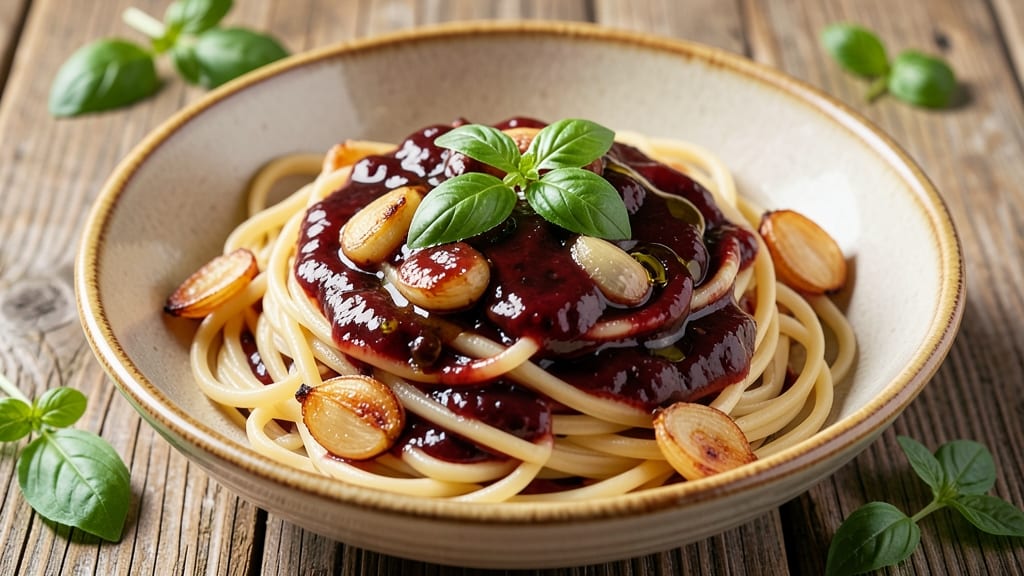
This balsamic pasta sauce recipe transforms simple pantry staples into a rich, caramelized masterpiece that elevates any dish. The secret lies in simmering balsamic vinegar until it develops deep, molasses-like sweetness—creating a sauce that's both complex and effortlessly elegant.
I've perfected this technique over years of testing, ensuring every spoonful delivers that perfect balance of tangy, sweet, and umami flavors.
The process is straightforward but requires patience—reducing the balsamic vinegar slowly until it thickens into a glossy, syrupy consistency. Fresh basil added at the end brightens the sauce with aromatic freshness, while a touch of garlic and olive oil deepens the flavor profile.
This sauce works beautifully as a quick pasta toss, a drizzle over grilled meats, or even a glaze for roasted vegetables.
What sets this sauce apart is its versatility—it's rich enough to stand alone but light enough to complement delicate dishes. The caramelized balsamic creates a velvety texture that clings to noodles or proteins, while the basil finish adds a vibrant pop of color and flavor.
Best of all, it comes together in just 20 minutes with minimal effort.
For those who prefer a creamier version, stir in a splash of heavy cream or coconut milk at the end. Or add a pinch of red pepper flakes for a subtle kick.
The possibilities are endless, but the foundation remains the same: a perfectly balanced, restaurant-quality sauce that's simple to make at home.
Ingredients for balsamic pasta sauce
Nine simple ingredients transform into a velvety sauce with caramelized sweetness and aromatic freshness.
| Ingredient | Amount | Notes |
|---|---|---|
| Balsamic Vinegar 🍷 | 1 cup | High-quality aged balsamic preferred |
| Extra-Virgin Olive Oil 🫒 | ¼ cup | For richness and balance |
| Garlic Cloves 🧄 | 3 cloves | Minced for aromatic depth |
| Fresh Basil Leaves 🌿 | ½ cup | Packed, stems removed |
| Shallots 🧅 | 2 whole | Minced for subtle sweetness |
| Vegetable Broth 💧 | ½ cup | Low-sodium preferred |
| Honey 🍯 | 1 tbsp | For caramelization balance |
| Salt 🧂 | ½ tsp | Diamond Crystal preferred |
| Black Pepper 🌶️ | ¼ tsp | Freshly ground for heat |
| Red Wine Vinegar 🍷 | 1 tbsp | For acidity depth |
The balsamic vinegar is the heart of this sauce—look for aged varieties like Barolo or Traditional Aceto Balsamico di Modena at specialty stores or the gourmet section of Whole Foods. The shallots and garlic should be fresh, with vibrant color and no soft spots. Fresh basil matters too; farmers market basil has more flavor than grocery store containers. For the olive oil, California extra-virgin brands like Corto or Pompeian work beautifully, but any high-quality EVOO will do. The honey should be pure, with no additives—local honey adds subtle floral notes if you prefer.
No aged balsamic? Substitute with 2 tbsp of brown sugar plus 1 tbsp red wine vinegar to mimic the caramelized sweetness. Fresh basil wilting? Dried basil works at one-third the amount, though it lacks the aromatic finish. Short on shallots? One small yellow onion minced finely does the job. For a deeper umami flavor, add 1 tsp soy sauce or 1 anchovy fillet (dissolved in the broth). The red wine vinegar can be swapped for white wine vinegar if needed, though it'll be slightly less complex. Store-bought vegetable broth lacking depth? Make your own with carrot, celery, and onion for richer flavor.
This sauce keeps beautifully—1 week in the fridge in an airtight jar, or 3 months frozen in ice cube trays for single portions. The caramelized balsamic thickens as it cools, so stir in a splash of warm water if it becomes too stiff. For best texture, reheat gently on low heat, stirring occasionally. The fresh basil should be added just before serving—store it separately if prepping ahead. A drizzle of extra-virgin olive oil before serving enhances the sauce's silky finish.
Why You'll Love This Recipe
- Same sauce, endless uses: toss it with spaghetti for a quick weeknight meal, drizzle it over grilled chicken for a fancier dinner, or even use it as a marinade for steak. Between us, I’ve served this at both my kitchen table and my in-laws’ dining room—no one ever asked for seconds more than once.
- Five-Ingredient Magic: This sauce comes together with just a handful of pantry staples—no fancy shopping required. I swear by the shallots and garlic slow-cooked in olive oil until they’re sweet and caramelized, then a splash of balsamic ties it all together. That’s the kind of recipe that makes me feel like a chef without the stress.
- Umami Bomb: The moment I reduce that balsamic vinegar until it’s glossy and thick? Pure flavor payoff. That deep, tangy richness cuts through the richness of the olive oil, and the fresh basil at the end—torn by hand, not chopped—adds a bright, herbal finish that makes every bite sing. (Yes, even on a Tuesday night.)
- Weeknight to Dinner Party: Same sauce, endless uses: toss it with spaghetti for a quick weeknight meal, drizzle it over grilled chicken for a fancier dinner, or even use it as a marinade for steak. Between us, I’ve served this at both my kitchen table and my in-laws’ dining room—no one ever asked for seconds more than once.
Step-by-step instructions for balsamic pasta sauce
Aged balsamic transforms into rich, caramelized sweetness when simmered with aromatic shallots and garlic.
Sauté Shallots and Garlic Until Soft
Heat the 0.25 cup extra-virgin olive oil in a medium saucepan over medium-low heat. Add the 2 whole shallots (minced) and cook for 5-6 minutes until they become translucent and just beginning to turn golden. This gentle cooking prevents burning while developing their natural sweetness.
Add the 3 cloves garlic cloves (minced) and cook for another 30 seconds until fragrant. Watch carefully—the garlic burns quickly. Remove the pan from heat immediately once you detect that nutty aroma. This aromatic base forms the flavor foundation for the entire sauce.
Caramelize the Balsamic Vinegar
Return the pan to medium heat and pour in the 1 cup balsamic vinegar. Stir to combine with the shallot-garlic mixture. Bring to a gentle simmer and let it reduce for 8-10 minutes, stirring occasionally. You'll notice the color deepening from amber to rich mahogany as sugars caramelize.
When the mixture reduces to about ½ cup (it should coat the back of a spoon), add the 1 tablespoon honey and 1 tablespoon red wine vinegar. Stir well and continue simmering for another 3-4 minutes until slightly thickened. This is where the sauce develops its signature sweet-tart balance.
Build Depth with Broth and Seasonings
Pour in the 0.5 cup vegetable broth and stir to combine. Add the 0.5 teaspoon salt and 0.25 teaspoon black pepper, then bring to a gentle simmer. Let it reduce by half again—about 5-7 minutes—until the sauce reaches a velvety consistency that lightly coats the back of a spoon.
Taste and adjust seasoning if needed. The sauce should be tangy-sweet with a subtle depth from the caramelized balsamic. If it's too acidic, add a pinch more honey. If too flat, a splash of red wine vinegar brightens the flavor. This is your flavor checkpoint before finishing.
Finish with Fresh Basil and Emulsify
Remove the pan from heat and stir in the 0.5 cup fresh basil leaves (packed, stems removed). Let it steep for 1-2 minutes, then use an immersion blender to purée until smooth. If you don't have an immersion blender, transfer to a blender and blend until completely smooth, then return to the pan.
The basil adds fresh herbal brightness that cuts through the richness. For an ultra-smooth finish, strain through a fine-mesh sieve if you prefer no visible texture. The sauce should now coat a spoon thickly but still flow easily. Serve immediately over cooked pasta or reserve for later use.
Pro Tips For Making Balsamic Pasta Sauce
- Bloom the Garlic: Slice those garlic cloves thinly—almost paper-thin—and cook them low and slow in the olive oil until they’re golden, not brown. I used to burn them in a rush, and that bitter taste ruined the whole sauce. Give them 3-4 minutes, stirring often, or they’ll turn into flavor bombs.
- Sweat the Shallots First: Don’t rush the shallots—get them soft and translucent in the olive oil before adding garlic. I learned this the hard way when I skipped it and ended up with raw, sharp bits that fought the balsamic instead of melting into it. Five minutes of patience makes a real difference.
- Reduce the Balsamic Slow: Simmer the balsamic vinegar uncovered on medium-low heat until it’s syrupy and reduced by about half. Skipping this step leaves the sauce thin and vinegary—like drinking salad dressing. It takes 10-12 minutes, but the depth of flavor is worth it.
- Toss Pasta Off Heat: Finish the sauce with basil, then remove the pan from the heat before adding the pasta. The residual heat wilts the basil just enough to release its aroma without turning it to mush. I know, it feels counterintuitive, but the sauce stays vibrant longer.
Common mistakes when making perfect results
Over-Reducing the Balsamic
One of the most common mistakes is reducing the balsamic vinegar too aggressively. When you push it beyond ½ cup reduction, it becomes overly concentrated and bitter. I’ve seen this happen when people walk away from the stove or use high heat.
The goal is a syrupy consistency, not a thick glaze. If it gets too thick, thin it with 1-2 teaspoons of warm water or broth to restore balance. 🌡️
Skipping the Honey
The honey isn’t just for sweetness—it helps caramelize the balsamic more evenly and prevents excessive bitterness. Without it, your sauce may taste sharp or one-dimensional. I recommend using local honey for subtle floral notes, but even store-bought works.
If you’re avoiding sugar, try 1 teaspoon maple syrup instead—it adds depth without overpowering.
Burning the Garlic
Garlic burns in seconds, and once it turns dark, there’s no fixing it. The key is to remove the pan from heat as soon as you smell that nutty aroma—usually within 30 seconds of adding it.
If you’re unsure, err on the side of undercooking. For extra safety, I like to sauté the garlic separately in a small pan before adding it to the shallots. This gives you more control over the timing.
Adding Basil Too Early
Fresh basil wilts and loses its bright flavor when cooked. Adding it at the end ensures it retains its aromatic punch. If you accidentally add it earlier, strain it out and replace with fresh leaves before serving.
For a smoother texture, you can also blend it in after removing the pan from heat, but this reduces its freshness slightly. 🌿
Ignoring the Broth
The vegetable broth isn’t just for thinning—it adds umami depth and prevents the sauce from becoming too concentrated. Skipping it or using low-quality broth can make the sauce taste flat.
For extra richness, I sometimes add 1 teaspoon soy sauce or a splash of white wine to the broth before simmering. This step is crucial for balancing the sweetness and acidity.
Not Tasting as You Go
Flavor develops in stages, and tasting at each step ensures you catch issues early. After reducing the balsamic, check for balance—too sweet? Add a splash of red wine vinegar. Too sharp? Stir in a pinch more honey.
This is your chance to adjust before the sauce thickens beyond repair. I like to taste after adding the broth and again after blending in the basil to confirm harmony. 💡
Nutrition facts
Frequently asked questions
Can I make this sauce without balsamic vinegar?
Yes! For a similar flavor, substitute with ½ cup aged red wine reduced by half, plus 1 tbsp brown sugar and 1 tbsp red wine vinegar. The sweetness will mimic the caramelized balsamic, though the depth won't be identical.
How do I adjust the sweetness level?
Start with the recipe as written, then taste after reducing the balsamic. For more sweetness, add ½ tsp honey at a time. Too sweet? Balance with ½ tsp lemon juice or 1 tsp red wine vinegar. The key is gradual adjustments—taste as you go!
Can I use this sauce on proteins besides pasta?
This sauce works beautifully on grilled chicken, pork chops, or even as a glaze for roasted vegetables. For proteins, reduce the sauce slightly longer to achieve a thicker consistency that clings well. A drizzle over seared scallops adds elegant sweetness too.
Why did my sauce turn bitter?
Over-reducing the balsamic is the most common cause. Stop when it reaches ½ cup—beyond that, it becomes overly concentrated. Also, burning the garlic or using poor-quality vinegar can add bitterness. For a quick fix, stir in ½ tsp honey or 1 tsp lemon juice to balance.
How can I make this vegan?
Simply replace the honey with 1 tbsp maple syrup and use vegetable broth (already included). For extra richness, stir in 1 tbsp nutritional yeast at the end. The sauce will maintain all its depth while being completely plant-based.