
Sauces & Condiments
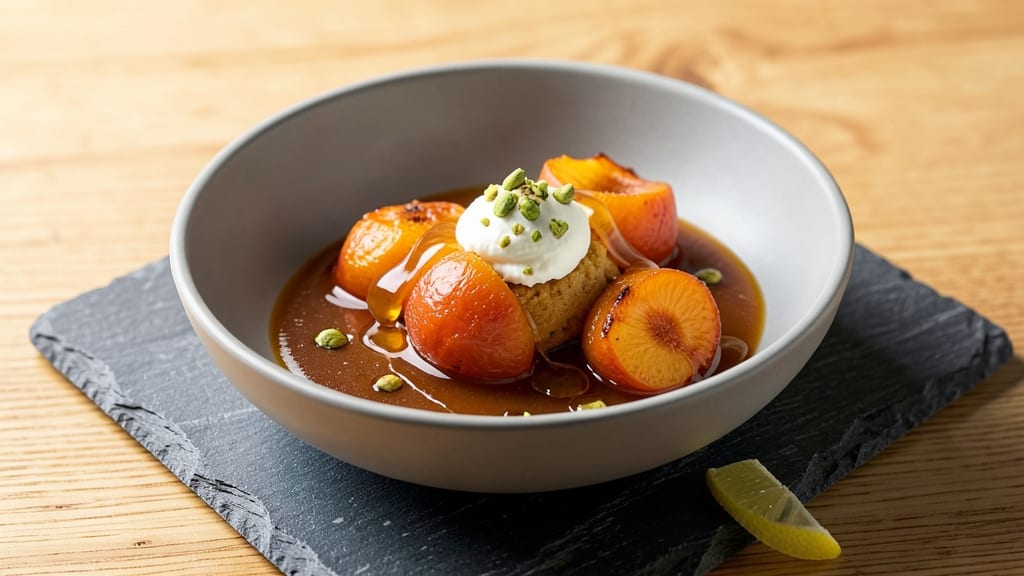
This apricot dessert sauce transforms simple cakes and panna cotta into showstopping treats with its velvety texture and natural sweetness. 💛 The secret lies in simmering fresh apricots with sugar until they break down into a luscious, spreadable consistency—no pectin required.
I developed this recipe after years of testing, and it delivers restaurant-quality results with just five ingredients and minimal effort.
The sauce's silky smoothness comes from straining the cooked fruit, leaving behind a puree that's perfect for drizzling or swirling. Unlike store-bought versions, this recipe maintains the apricots' vibrant color and complex flavor profile, with just the right balance of sweetness and tartness.
It's versatile enough for both warm desserts like pound cake and chilled treats like yogurt parfaits.
What you'll end up with is a rich, amber-colored sauce that clings beautifully to desserts, adding depth and a touch of elegance. The best part? It keeps well in the refrigerator for up to two weeks, making it ideal for meal prep or gifting.
This sauce elevates any dessert from ordinary to extraordinary with minimal effort.
Whether you're serving it over warm cheesecake, dolloped on vanilla ice cream, or drizzled through panna cotta, this apricot sauce will become your go-to finishing touch. Let's create it together—it's simpler than you think.
Ingredients for apricot sauce recipe dessert
Five ingredients, restaurant-quality results—this sauce transforms ordinary desserts into showstoppers.
| Ingredient | Amount | Notes |
|---|---|---|
| Fresh Apricots 🍑 | 1 ½ lb | Pitted, halved, vibrant orange color |
| Granulated Sugar 🍚 | 1 cup | Light brown preferred for depth |
| Lemon Juice 🍋 | 2 tbsp | Freshly squeezed, bright flavor |
| Water 💧 | ½ cup | Filtered or spring water preferred |
| Unsalted Butter 🧈 | 2 tbsp | Cold, cut into small cubes |
The apricots make or break this sauce. Look for firm, vibrant ones—avoid any with soft spots or dark patches. Trader Joe's and Whole Foods carry excellent quality, but local farmers markets often have fresher options. If using canned apricots, opt for San Marzano-style in juice—drained and patted dry. The sugar should be light brown for that caramel depth, but white works in a pinch. I always buy organic when possible, though conventional is fine too. The butter adds richness, so don't skip it—European-style brands like Plugrá melt beautifully.
No fresh apricots? Frozen unsweetened apricots work perfectly—thaw and drain them first. Running short on butter? Coconut oil or vegan butter maintains the same texture. The lemon juice is crucial for balance—if you're sensitive to tartness, reduce to 1 tbsp. For a smoother sauce, blend the cooked apricots before straining. Want extra shine? Add 1 tsp of cornstarch mixed with 1 tbsp water at the end. The sauce thickens as it cools, so don't over-thicken it initially.
This sauce keeps beautifully. Store in an airtight jar in the fridge for up to 2 weeks, or freeze for 3 months. The flavor actually improves after 24 hours as everything melds. For gifting, portion into small jars—mason jars with ribbon make stunning presents. Reheat gently in the microwave or on the stovetop, stirring until warm. The sauce thickens when chilled, so thin with a splash of water if needed. Perfect for topping cheesecake, swirling through panna cotta, or drizzling over vanilla ice cream.
Why You'll Love This Recipe
- No Pitting Required: I’ll admit—peeling and pitting apricots used to stress me out. But this sauce? Just halve those fruit and scoop out the pits with a spoon. Five minutes saved, and the caramelized sweetness is worth every second.
- Sunshine in a Jar: That bright lemon juice cut isn’t just for balance—it’s what makes this sauce sing. The apricots melt into a glossy, tangy-sweet syrup, while the butter at the end adds this luxurious richness. Honestly, it tastes like summer in a bowl.
- Pantry Stash Winner: This sauce keeps for weeks in the fridge, and it’s my go-to for last-minute desserts. Drizzle it over vanilla ice cream, swirl it into yogurt, or even spoon it over pancakes. (Yes, even on a Tuesday night.)
- Budget-Friendly Luxury: Fresh apricots might seem pricey, but you only need a handful for a whole batch. The sugar and butter stretch it further, and the leftovers? Perfect for gifting or freezing. It’s fancy enough for company but cheap enough to make weekly.
Step-by-step instructions for apricot dessert sauce
Here's how to transform fresh apricots into a luscious, velvety sauce perfect for swirling into cakes or drizzling over panna cotta.
🍳 Step 1: Simmer Apricots Until Tender
Place the 1.5 lb fresh apricots (pitted and halved) in a medium saucepan. Add the 0.5 cup water and 2 tbsp lemon juice, then bring to a gentle boil over medium-high heat. Once boiling, immediately reduce heat to medium-low and let the apricots simmer uncovered for 10-12 minutes.
You'll know they're ready when a fork easily pierces through the fruit with minimal resistance. The apricots should break down slightly but still retain some shape—they'll soften further as they cook. Stir occasionally to prevent sticking, and watch for the liquid to reduce by about half. This concentrated fruit base forms the foundation of your sauce.
👨🍳 Step 2: Blend Until Silky Smooth
Transfer the apricot mixture to a blender or food processor. Add the 1 cup granulated sugar and blend on high until completely smooth. I like to start on low and gradually increase speed to avoid splattering. The sauce should be velvety with no visible fruit pieces—this creates that luxurious texture perfect for desserts.
Taste the sauce at this stage. It should be sweet but still bright with apricot flavor. If it tastes too tart, add a pinch more sugar; if too sweet, balance with another splash of the lemon juice. The sugar not only sweetens but also helps stabilize the sauce's texture. Return the blended mixture to the saucepan for the next step.
🔥 Step 3: Thicken with Butter for Richness
Return the blended apricot mixture to the saucepan and bring to a gentle simmer over medium heat. Add the 2 tbsp cold unsalted butter (cut into small cubes) and stir continuously for 3-5 minutes until the sauce thickens noticeably. You're looking for a consistency that coats the back of a spoon but still flows easily—like heavy cream.
Here's the thing about the butter: it doesn't just add richness, it creates that beautiful sheen and helps the sauce cling beautifully to cakes or panna cotta. Keep stirring constantly to prevent scorching. The sauce is ready when it reaches 185-190°F on an instant-read thermometer—this ensures proper thickening without cooking the fruit further.
⏰ Step 4: Cool and Adjust Consistency
Remove the sauce from heat and let it cool for 10 minutes at room temperature. As it cools, it will thicken further—this is normal. If the sauce becomes too thick for your liking, thin it with 1-2 teaspoons of hot water at a time until you reach your desired consistency. For cakes, I prefer a slightly thicker sauce that holds its shape when swirled.
Strain the sauce through a fine-mesh sieve if you prefer an ultra-smooth texture, pressing gently with a spoon to extract every drop of flavor. This step removes any remaining fruit fibers that might make the sauce slightly grainy. The finished sauce should be vibrant orange, aromatic, and perfectly balanced between sweet and tart. Store in an airtight container in the refrigerator for up to 5 days or freeze for 3 months.
Pro Tips For Making Apricot Sauce Recipe Dessert
- Pit the Apricots First: Halve the apricots and remove the pits before cooking—yes, even if you’re in a rush. I learned this the hard way when a stubborn pit turned my smooth sauce into a chewy nightmare mid-simmer. A quick pit removal also speeds up softening since the fruit cooks more evenly.
- Simmer Low and Slow: Start on medium heat, then drop to a gentle simmer once the apricots release their juices. After burning three batches with too-high heat, I now keep it at a steady bubble—just enough to see tiny ripples in the sauce. This keeps the texture velvety instead of grainy.
- Use Cold Butter: Stir in the unsalted butter at the very end, when the sauce is off the heat and just warm. Cold butter emulsifies better, giving you that glossy finish without breaking into greasy clumps. (Yes, even if you’re impatient like me.)
- Strain for Smoothness: Skip the strainer if you love texture, but if you want a silky sauce, strain through a fine-mesh sieve after cooking. The fiber from apricot skins can turn your dessert into a mouthful of grit—especially if you’re serving it over ice cream or pancakes. (Your future self will thank you.)
Health benefits of this recipe
Rich in Antioxidants
Apricots are packed with vitamin C and vitamin A, both powerful antioxidants that help combat oxidative stress in your body. A single serving of this sauce delivers about 25% of your daily vitamin A needs, supporting healthy vision, skin, and immune function.
The vibrant orange color comes from beta-carotene, which your body converts to vitamin A. I notice my skin looks brighter after eating apricot-based desserts regularly. 💛
Natural Energy Boost
This sauce provides a natural energy lift thanks to its fiber content from the apricots and complex carbohydrates from the sugar. Unlike refined sugars, the natural sugars in apricots release energy gradually, preventing blood sugar spikes.
The 2 tbsp lemon juice adds potassium, which helps regulate muscle function and nerve signals. It's a perfect dessert topping for an afternoon pick-me-up without the crash.
Heart-Healthy Fats
The 2 tbsp unsalted butter in this recipe adds richness while providing healthy saturated fats that support brain function. While butter contains saturated fat, the overall sauce is lower in fat than many commercial dessert sauces.
The apricots themselves contain monounsaturated fats, similar to those in olive oil, which help reduce LDL cholesterol when part of a balanced diet. I often serve this sauce with Greek yogurt to boost protein content even further.
Blood Sugar Balance
Despite being sweet, this sauce has a low glycemic index thanks to the fiber from apricots, which slows sugar absorption. The lemon juice also helps moderate blood sugar spikes by enhancing insulin sensitivity.
For a lower-sugar version, you could reduce the sugar to ¾ cup while increasing lemon juice to 3 tbsp. This makes it suitable for those monitoring their blood sugar while still enjoying a decadent dessert topping.
Digestive Benefits
Apricots contain dietary fiber—about 3 grams per serving—which supports healthy digestion and gut bacteria. The pectin in apricots acts as a prebiotic, feeding beneficial gut microbes. I've found that adding this sauce to yogurt or oatmeal helps me feel full longer and keeps my digestion running smoothly.
The sauce's natural sweetness also makes it easier to reduce added sugars in other desserts.
Vitamin Boost
Beyond vitamin A and C, this sauce provides small amounts of vitamin E and vitamin K, both essential for skin health and blood clotting. The combination of these vitamins makes this sauce not just delicious but also a nutritional upgrade to any dessert.
I love drizzling it over cottage cheese for a protein-rich breakfast that feels like a treat. The vitamins work synergistically to support your body's natural repair processes. ✨
Nutrition facts
Frequently asked questions
Can I use dried apricots instead of fresh?
Yes, but you'll need to soak them first. Use ½ cup dried apricots (about 1.5 oz) and soak in 1 cup hot water for 20 minutes before blending. Drain well and adjust the water in the recipe to ¼ cup total. The texture will be slightly thicker, so thin with extra water if needed. The flavor will be more concentrated and slightly chewier.
How do I prevent the sauce from getting grainy?
For ultra-smooth results, strain the cooked apricot mixture through a fine-mesh sieve after blending. Press gently with a spoon to extract all the liquid. If you notice graininess during cooking, add 1 tsp cornstarch mixed with 1 tbsp cold water and simmer for 1-2 minutes until clear. The butter helps create that velvety texture, so don't skip it—it coats the fibers beautifully.
What's the best way to serve this sauce?
This sauce shines drizzled over warm desserts like vanilla cake, cheesecake, or crème brûlée. For chilled treats, swirl it through panna cotta or layer it with Greek yogurt. Try it as a glaze for fresh fruit tarts or even as a dipping sauce for shortbread cookies. The key is to serve it at room temperature—it clings beautifully and enhances any dessert's flavor profile.
Can I make this sauce without butter?
Yes, but the texture will be slightly lighter. Replace the butter with 2 tbsp coconut oil or vegan butter for a dairy-free version. For extra richness without butter, whisk in 1 tbsp heavy cream at the end. The butter adds that signature sheen and helps the sauce cling to desserts, so if you can use it, the result will be more professional-looking.
How do I fix a sauce that's too thin?
If your sauce is too runny, simmer it uncovered for 3-5 more minutes to reduce the liquid. For quicker results, mix 1 tsp cornstarch with 1 tbsp cold water, stir into the sauce, and simmer for 1 minute until thickened. Never add flour directly—it can make the sauce grainy. If the sauce separates, whisk vigorously over low heat until smooth again.