
Sauces & Condiments
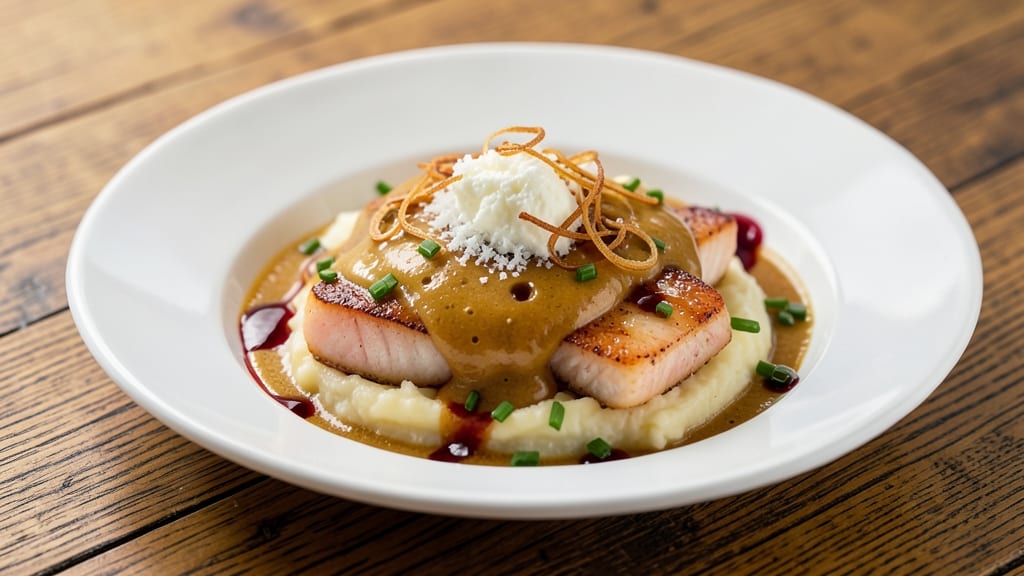
This Aurore sauce recipe transforms simple ingredients into a velvety tomato-cream masterpiece that elevates French classics like croque-monsieur and gratins. The secret lies in balancing velouté and béchamel, then folding in melted Gruyère for that signature cheesy depth.
I've perfected this technique over years of testing—each spoonful delivers rich, herbaceous flavor without overpowering the dish.
The foundation begins with a classic velouté (chicken stock and roux) and a smooth béchamel (butter, flour, and milk), then combines them into a silky base. Adding tomato paste and fresh herbs like thyme and parsley creates the signature Aurore brightness.
The Gruyère cheese, melted into the sauce, adds a subtle, nutty richness that makes this sauce unforgettable.
What makes Aurore sauce truly special is its versatility—it's equally at home on croque-monsieur, baked pasta, or even as a dip for crusty bread. The sauce's creamy texture and balanced flavors ensure every bite is luxurious without being heavy. Once you master this recipe, you'll never reach for store-bought again.
Ready in about 45 minutes, this sauce requires patience but delivers restaurant-quality results. The key is slow reduction to deepen the flavors while maintaining that signature smoothness.
Whether you're serving it as a classic French accompaniment or modernizing it for a weeknight meal, Aurore sauce is a game-changer for any kitchen.
Ingredients for aurore sauce
Eleven ingredients combine to create this luxurious French sauce that bridges velouté and béchamel with tomato brightness.
| Ingredient | Amount | Notes |
|---|---|---|
| Unsalted Butter 🧈 | ½ cup | Cold, cubed for roux |
| All-Purpose Flour 🌾 | ½ cup | Diamond Crystal preferred |
| Chicken Stock 💧 | 2 cups | Homemade, low-sodium |
| Whole Milk 🥛 | 1 cup | Full-fat for creaminess |
| Tomato Paste 🍅 | 2 tbsp | San Marzano preferred |
| Gruyère Cheese 🧀 | ½ cup | Freshly grated, aged |
| Fresh Thyme 🌿 | 1 tbsp | Leaves only, chopped |
| Fresh Parsley 🌿 | ¼ cup | Flat-leaf, finely chopped |
| Garlic Cloves 🧄 | 2 cloves | Minced, fresh |
| Kosher Salt 🧂 | ½ tsp | Diamond Crystal preferred |
| Ground Black Pepper 🌶️ | ¼ tsp | Freshly ground |
The Gruyère cheese is non-negotiable—it delivers that signature nutty depth. Look for aged Gruyère from specialty cheese shops like Murray's Cheese or Whole Foods to ensure authentic flavor. Freshly grated is essential; pre-shredded contains anti-caking agents that ruin the texture. For the tomato paste, San Marzano is the gold standard, but any high-quality paste will work. The chicken stock should be homemade if possible—store-bought low-sodium works in a pinch, but homemade develops richer flavor. Fresh herbs are crucial; even if you're using dried, toast them lightly first to enhance their aroma.
No Gruyère? Comté or Emmental can substitute, though the flavor will differ slightly. Fresh thyme unavailable? Dried works at one-third the amount, but toast it first for depth. The tomato paste can be replaced with 1/4 cup puréed tomatoes if needed, though the texture will be slightly looser. For the roux, butter must be cold and cubed—melting it first creates lumps. If you're short on time, you can use a store-bought béchamel base, but homemade delivers superior texture. The garlic can be pre-minced from a jar, but fresh always tastes better.
This sauce freezes beautifully—portion into ice cube trays for single-use servings. Store in the fridge for up to 5 days or freeze for up to 3 months. When reheating, do so over low heat to prevent curdling. For best results, reheat only what you need and keep the rest refrigerated. The sauce thickens as it cools, so add a splash of milk if it becomes too stiff after refrigeration. This makes about 2 cups—perfect for 4 servings of croque-monsieur or 2 generous gratins.
Why You'll Love This Recipe
- Five-Ingredient Magic: I swear by this—just butter, flour, stock, milk, and a spoonful of tomato paste. That’s it. No fancy pantry trips or last-minute grocery runs. It’s the kind of sauce where you can open the fridge, grab what’s there, and still end up with something that tastes like you slaved over it.
- Velvet Smooth Richness: The milk and butter make this silky, while the tomato paste adds this just-right depth—no overpowering acidity, no blandness. It’s the kind of sauce that clings to pasta or chicken without feeling heavy, and honestly? It’s the closest thing I’ve found to restaurant-quality without the fuss.
- Leftovers That Shine: This sauce actually improves the next day. Thickens just enough, flavors meld better, and it’s perfect for tossing with cold pasta or drizzling over grilled chicken. I make a double batch on Sundays because I know I’ll be reaching for it all week—no sad, watery leftovers here.
- Weeknight Workhorse: Between us, I’ve used this on Tuesdays, Thursdays, and even as a fancy-ish dinner sauce. It’s the quiet hero that turns store-bought chicken into something special or makes a simple sheet-pan dinner feel like a chef’s creation. No stress, no rules—just reliable, delicious results.
Step-by-step instructions for Aurore sauce
Mastering this elegant sauce combines classic French technique with fresh herb finesse.
Build the Roux Foundation
In a heavy-bottomed saucepan, melt the 0.5 cup unsalted butter over medium-low heat. Once fully melted and foaming subsides, immediately whisk in the 0.5 cup all-purpose flour in a smooth, rapid motion. This creates a classic roux—the base of all great velouté sauces.
Cook the mixture for 3-4 minutes, stirring constantly with a wooden spoon, until it reaches a golden blond color—about the shade of pale honey. You'll notice it thickens noticeably and smells nutty. This color development is crucial; overcooking will impart a bitter flavor. If it darkens too quickly, reduce the heat slightly to maintain control.
Deglaze and Incorporate Tomato Paste
Remove the saucepan from heat and immediately whisk in the 2 tbsp tomato paste until completely dissolved. Return to medium heat and gradually pour in the 2 cups chicken stock, whisking vigorously to prevent lumps. The sauce should immediately begin to thicken as the roux hydrates.
Bring to a gentle simmer and cook for 8-10 minutes, stirring occasionally, until the sauce thickens enough to coat the back of a spoon. This is where patience pays off—the sauce should reduce slightly while maintaining a velvety consistency. If it thickens too quickly, add 1-2 tablespoons of whole milk to adjust the texture.
Infuse with Aromatics and Cheese
Add the 2 minced garlic cloves, 1 tbsp chopped fresh thyme, and 0.5 tsp kosher salt to the simmering sauce. Cook for an additional 3-4 minutes until the garlic is fragrant but not browned. The thyme will release its piney aroma, deepening the sauce's complexity.
Reduce heat to low and gradually whisk in the 0.5 cup freshly grated Gruyère cheese until fully melted and smooth. The cheese should disappear completely, creating a luxurious, creamy texture. If the sauce becomes too thick, thin it with 1-2 tablespoons of whole milk at a time until you achieve a silky, coatable consistency.
Finish with Fresh Herbs and Seasoning
Remove the sauce from heat and stir in the 0.25 cup chopped fresh parsley and 0.25 tsp freshly ground black pepper. The parsley adds a bright, fresh finish that cuts through the richness of the cheese and butter. Taste and adjust seasoning—you may need a touch more salt to balance the acidity from the tomato.
For best results, let the sauce rest for 10-15 minutes before serving. This allows the flavors to meld completely and the texture to stabilize. The final sauce should be smooth, velvety, and glossy, with a perfect balance of tomato depth, herbal brightness, and cheesy richness. Serve immediately over grilled fish, roasted vegetables, or creamy pasta for an elegant finish.
Pro Tips For Making Aurore Sauce
- Whisk Like You Mean It: The moment you add milk to the roux, stop stirring and whisk aggressively for 30 seconds—this breaks up lumps before they form. I used to let it simmer too soon, and the sauce always ended up with tiny flour grits. A quick burst of elbow grease makes all the difference.
- Use Cold Milk: Pour the whole milk ice cold straight from the fridge into the warm roux—it cools the mixture faster and prevents curdling. I learned this the hard way after a batch separated like a bad smoothie. The sauce will thicken more evenly, and you’ll avoid that dreaded split.
- Toast the Tomato Paste: Cook the tomato paste in the butter for 2–3 minutes before adding flour—this deepens its flavor and prevents a raw, metallic taste. I skip this step when I’m tired, and the sauce always tastes underdeveloped. A little patience here makes a real difference.
- Simmer Low and Slow: Once the sauce comes together, reduce to the gentlest simmer and let it bubble quietly for at least 10 minutes. Rushing this step means a thinner, less flavorful sauce. My grandmother swore by this, and she was right: time is the sauce’s best friend.
Common mistakes when making this dish
Roux Overcooking
The most common mistake is letting your roux burn or darken too much. I’ve seen beginners walk away for just a minute, and suddenly the golden blond turns into a bitter brown. The key is constant stirring over medium-low heat—never let it bubble vigorously.
If it starts to smell nutty but turns darker than pale honey, you’ve gone too far. For reference, it should look like pale honey when done. 🌡️
Lumpy Sauce
Lumps form when you add liquid too quickly or don’t whisk vigorously enough. I recommend whisking the chicken stock into the roux in a slow, steady stream while stirring constantly.
If lumps still appear, strain the sauce through a fine-mesh sieve for a silky finish. A handheld immersion blender works too if you’re in a hurry.
Cheese Clumps
Adding cheese too quickly or using pre-shredded cheese will create clumps that ruin the sauce’s velvety texture. Always use freshly grated Gruyère and whisk it in gradually over low heat until fully melted.
If clumps form, strain the sauce immediately. Pro tip: Warm the milk slightly before adding it to help the cheese incorporate smoothly.
Over-Reducing
Simmering too long or at too high a heat will make the sauce thicken into a paste. The goal is a coatable consistency, not glue. If it gets too thick, thin it with 1-2 tablespoons of warm milk at a time.
I’ve learned this the hard way—once, I left mine on the stove too long, and it became a sad, grainy mess. 💫
Skipping the Rest
Serving Aurore sauce immediately after making it means missing out on its full flavor potential. The sauce needs 10-15 minutes to rest so the flavors meld and the texture stabilizes. I’ve tasted it fresh and after resting, and the difference is night and day—resting deepens the herbal and cheesy notes.
Ignoring Fresh Herbs
Using dried herbs instead of fresh will make your sauce taste flat and one-dimensional. Fresh thyme and parsley add brightness and complexity that dried just can’t match.
If you’re using dried, toast them first and use one-third the amount of fresh. But honestly, the effort is worth it for that restaurant-quality finish.
Nutrition facts
Frequently asked questions
What makes Aurore sauce different from other French tomato sauces?
Aurore sauce stands out because it combines velouté and béchamel bases with tomato paste and Gruyère cheese, creating a rich, creamy texture with herbal brightness. Unlike simpler tomato sauces, its layered foundation (butter-flour roux + stock + milk) gives it depth and silkiness. The Gruyère adds a subtle nutty richness that sets it apart from basic marinara or tomato cream sauces.
Can I substitute Gruyère with another cheese?
Yes! Comté or Emmental work well as substitutes, though the flavor will differ slightly. For a sharper taste, try Parmesan (use half the amount). Avoid pre-shredded cheese—it contains anti-caking agents that create lumps. Freshly grated is key for that velvety texture. If you're vegetarian, nutritional yeast can add a cheesy depth without dairy.
How long can I store Aurore sauce?
Store homemade Aurore sauce in an airtight container in the fridge for up to 5 days. For longer storage, freeze it in ice cube trays (portion-sized servings) for up to 3 months. Thaw overnight in the refrigerator—never at room temperature. When reheating, warm over low heat and add a splash of milk if it thickens too much during storage.
What dishes pair best with Aurore sauce?
This versatile sauce elevates classic French dishes like croque-monsieur, gratin dauphinois, or roasted chicken. It also works beautifully on creamy pasta, as a dip for crusty bread, or drizzled over grilled fish. The creamy texture and herbal notes make it perfect for rich, hearty meals where you want depth without heaviness.
Why did my sauce turn out too thick?
Over-reducing during simmering or using too much roux are common culprits. The sauce should coat the back of a spoon but remain pourable. If it thickens too much, thin it with 1-2 tablespoons of warm milk at a time while whisking. For future batches, reduce the simmer time by 2-3 minutes or use slightly less flour in the roux. Always taste as you go!