
Sauces & Condiments
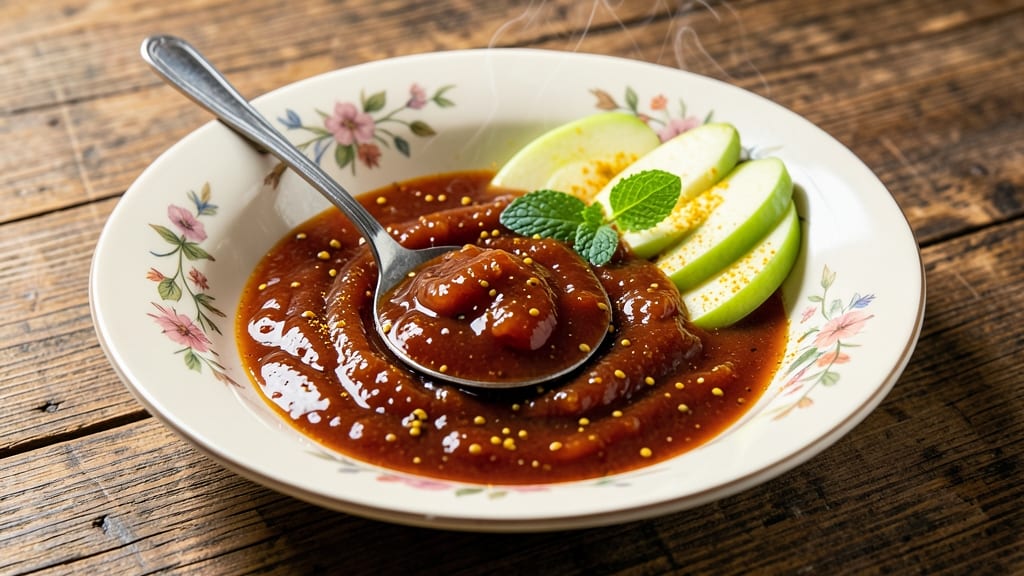
This apple chutney sauce recipe transforms simple ingredients into a vibrant, sweet-tangy condiment that elevates grilled meats, sandwiches, and cheese boards.
The perfect balance of spice and fruit creates a sauce that's both bold and versatile, with a texture you can adjust to suit your preference—chunky for texture or smooth for spreading.
What makes this recipe stand out is its ability to bridge traditional flavors with everyday meals, turning a simple dinner into something memorable.
The foundation of this chutney lies in its ingredients: diced apples simmered with vinegar, sugar, and spices like mustard seeds and turmeric, which develop into a rich, aromatic sauce. Cooking time is minimal—just 20 minutes—but the flavors deepen as it sits, making it ideal for meal prep.
The sauce's tangy-sweet profile pairs beautifully with sharp cheeses, smoky grilled meats, or even as a sandwich spread, offering a refreshing twist on classic flavors.
What you’ll achieve is a sauce that’s bright, balanced, and full of character, with a slight crunch from the apples and a warm spice note that lingers.
The versatility of this chutney means it can be used in countless ways—drizzled over roasted chicken, stirred into yogurt for a dip, or spread on toast with a slice of aged cheddar. It’s the kind of condiment that turns ordinary meals into something special without requiring extra effort.
Storage is simple: keep it in an airtight container in the refrigerator for up to two weeks, or extend its shelf life by canning for long-term use. The recipe scales easily, so you can make a big batch to enjoy throughout the week.
Whether you're hosting a barbecue or just looking to add depth to a weeknight dinner, this apple chutney sauce delivers flavor that’s impossible to ignore.
Ingredients for apple chutney sauce
Nine simple ingredients create a vibrant, sweet-tangy sauce perfect for grilled meats and sandwiches.
| Ingredient | Amount | Notes |
|---|---|---|
| Granny Smith Apples 🍎 | 4 medium | Diced into 1/4-inch pieces |
| White Vinegar 💧 | ½ cup | White or apple cider vinegar |
| Granulated Sugar 🍚 | ¾ cup | White or brown sugar |
| Mustard Seeds 🌶️ | 1 tbsp | Yellow or brown seeds |
| Ground Turmeric 🌿 | 1 tsp | Freshly ground preferred |
| Ground Ginger 🌿 | 1 tsp | Freshly ground for best flavor |
| Salt 🧂 | 1 tsp | Kosher or sea salt |
| Fresh Cilantro 🌿 | ¼ cup | Chopped, stems removed |
| Extra-Virgin Olive Oil 🫒 | 1 tbsp | For finishing drizzle |
The apples are the heart of this chutney, so pick firm Granny Smiths—they hold up best during cooking. Trader Joe's and Whole Foods usually carry them year-round, but any crisp apple works in a pinch. Dice them into even pieces (about 1/4-inch) so they cook through without turning mushy. If you're prepping ahead, toss the diced apples with a squeeze of lemon juice to keep them bright. The mustard seeds add a subtle kick, but don't skip toasting them first—heat them in the oil for 30 seconds until they sizzle. That's when the magic happens.
No Granny Smiths? Honeycrisp or Fuji apples work just as well—they're sweeter, so you might want to reduce the sugar slightly. Running out of vinegar? Lemon juice at half the amount gives a brighter tang. Fresh cilantro not available? Dried cilantro or parsley at one-third the amount keeps the flavor profile intact. Want to make this spicier? Add a pinch of cayenne or a dash of hot sauce. The olive oil is purely for finishing—use whatever you've got, but extra-virgin adds the best flavor. For a smoother texture, blend half the batch after cooking.
This sauce keeps beautifully in an airtight container in the fridge for 2-3 weeks. The flavors actually improve over time, so make a big batch. For longer storage, can the chutney in sterilized jars—it'll last for 6-12 months on the shelf. I like to portion mine into small jars for easy grabbing. If it thickens too much, just stir in a splash of water or vinegar. The chutney reheats well, but honestly, it's best served at room temperature—let it sit for 10 minutes before serving for the best experience.
Why You'll Love This Recipe
- No Chopping Nightmare: I swear by this recipe on busy nights—just dice those Granny Smiths once, and the rest is simmer-and-stir. The mustard seeds pop like magic, so no one misses the fuss.
- Tangy-Sweet Magic: That vinegar-sugar balance? Chef’s kiss. The turmeric adds this warm glow, and the apples stay bright—like a hug in sauce form. Honestly, I’ve never met a dip or glaze this versatile.
- Pantry Staple Power: Five ingredients, zero excuses. You’re already using sugar and vinegar? Boom—this is your new go-to for sandwiches, grilled meats, or even yogurt bowls. (Yes, even on a Tuesday night.)
- Lasts a Week: Make a double batch and thank me later. The flavors deepen overnight, and it’s the perfect side for picnics or potlucks. My kids still ask for seconds—proof it’s worth the effort.
Step-by-step instructions for apple chutney sauce
Here's how to make this vibrant, sweet-tangy sauce that pairs perfectly with grilled meats and sandwiches.
Prep and Cook the Apples
Start by dicing the 4 medium Granny Smith Apples into ¼-inch pieces. I like to cut them into small, even cubes so they cook evenly and blend smoothly. Transfer the diced apples to a medium saucepan and add the 0.5 cup white vinegar. The vinegar will help balance the sweetness and preserve the bright apple flavor.
Bring the mixture to a boil over medium-high heat, then reduce the heat to medium-low. Let the apples simmer uncovered for about 10 minutes until they begin to soften and release their juices. You'll know they're ready when they're tender but still hold their shape—this ensures they'll blend smoothly without turning mushy. Stir occasionally to prevent sticking, and watch for the liquid to reduce slightly as the apples cook.
Add Spices and Sugar
Once the apples are tender, stir in the 0.75 cup granulated sugar, 1 tbsp mustard seeds, 1 tsp ground turmeric, 1 tsp ground ginger, and 1 tsp salt. The spices will infuse the sauce with warm, earthy notes that complement the apple's tartness. Let the mixture simmer for another 5-7 minutes, stirring frequently, until the sugar dissolves completely and the sauce begins to thicken slightly.
Here's the thing—don't rush this step. The spices need time to bloom and release their flavors. You'll notice the mustard seeds popping slightly, and the aroma will become rich and complex. If the sauce starts to stick, add a splash of water (about 1-2 tablespoons) to keep it moving. The goal is a smooth, cohesive sauce with a glossy finish.
Simmer and Thicken
Continue simmering the mixture for another 8-10 minutes, stirring occasionally, until the sauce thickens to your desired consistency. It should coat the back of a spoon but still be pourable. If it thickens too quickly, add a little more water to loosen it. The sauce should have a vibrant golden color and a fragrant, spiced aroma that fills your kitchen.
Taste the sauce and adjust the sweetness or tanginess as needed. If it's too sweet, add a splash more vinegar. If it's too tart, stir in a little more sugar. The balance is key—you want the sweetness of the apples to shine while the vinegar and spices add depth. This is where you fine-tune the flavor to perfection.
Finish with Cilantro and Olive Oil
Once the sauce reaches the right consistency, remove it from the heat and stir in the 0.25 cup chopped fresh cilantro. The cilantro adds a bright, herbal note that cuts through the richness of the sauce and balances the spices. Let the sauce cool for about 5 minutes to allow the flavors to meld together.
After cooling, drizzle in the 1 tbsp extra-virgin olive oil. This not only adds a silky texture but also enhances the sauce's depth and richness. Stir gently to combine, then taste again. The oil should make the sauce glossy and inviting. Transfer the chutney to a clean jar or bowl, and let it sit at room temperature for at least 30 minutes before serving. This resting time allows the flavors to fully develop and the sauce to thicken slightly.
Serve and Store
Serve the apple chutney warm or at room temperature. It pairs beautifully with grilled chicken, pork, or even as a sandwich spread. The sweet-tangy balance makes it versatile—use it as a dip, a topping, or a condiment. For best results, store any leftovers in an airtight container in the refrigerator for up to 2 weeks. The flavors will continue to mellow and deepen over time, making it even more delicious.
Real talk: This sauce is a game-changer. The combination of Granny Smith apples, warm spices, and tangy vinegar creates a flavor profile that's both familiar and exciting. Don't be afraid to experiment with it—try it on tacos, as a glaze for roasted vegetables, or even as a marinade for meats. It's that versatile!
Pro Tips For Making Apple Chutney Sauce
- Peel First, Dice Last: Granny Smiths have tough skin that fights knives—peel them first, then dice into tiny, even pieces (about ¼-inch). I used to chop raw apples, and the texture stayed uneven no matter how long I cooked it. Pre-peeling saves your knife and guarantees smooth sauce.
- Bloom the Spices: Toast mustard seeds and turmeric in oil for 30 seconds until they sizzle and smell nutty—this unlocks their flavor. Skipping this step means your chutney will taste flat, like you forgot the spices entirely. (Yes, even if you’re impatient like me.)
- Simmer Slow and Steady: Reduce heat to a bare simmer after the first 5 minutes—boiling makes the apples turn mushy and the sauce cloudy. I learned this the hard way after ending up with a gloppy mess instead of a glossy, tangy sauce.
- Vinegar First, Sugar Second: Add the white vinegar at the start, then sugar later—this balances the acidity so the apples don’t taste sour even after cooking. I was skeptical until I tried it: the flavor mellows out perfectly, and the sauce stays bright.
Regional styles of this apple chutney sauce
Indian Chutney Roots
This apple chutney draws inspiration from traditional Indian chutneys, where fruits like mango and tamarind take center stage. The technique of balancing sweet, tangy, and spicy flavors—using mustard seeds and turmeric—comes straight from South Indian cuisine.
In Kerala, similar fruit chutneys accompany dosa and idli, while in Tamil Nadu, they're served with biryani. The white vinegar replaces the tamarind paste often used in classic chutneys, keeping the tang bright and approachable for Western palates. 🌶️
British Colonial Twist
The British adapted Indian chutneys during colonial rule, creating apple-based condiments that paired perfectly with their tea and meat dishes. This version mirrors those early adaptations, where Granny Smith apples (a British favorite) replaced tropical fruits.
The addition of fresh cilantro and olive oil reflects modern British-Commonwealth fusion cooking, blending colonial heritage with contemporary techniques. Think of it as a plum chutney's tangy cousin, but with apple's crisp sweetness. 🍎
American BBQ Fusion
In the US, apple chutney has become a grilled meat essential, especially in the South and Midwest. It’s the perfect foil for pulled pork or brisket, offering a sweet-tart contrast to smoky flavors.
The mustard seeds and ginger give it a kick that echoes mustard-based BBQ sauces, while the vinegar adds the tang of pickled onions. Many pitmasters serve it as a dipping sauce for fries or a sandwich spread, proving its versatility beyond traditional borders. 🔥
Middle Eastern Cousin
This chutney shares DNA with Middle Eastern mutabbaq (spiced fruit preserves), where apples are cooked with vinegar, sugar, and warm spices. The turmeric and ginger bridge the gap between Indian and Persian flavors, while the cilantro adds a fresh herb note reminiscent of tahini sauces.
In Lebanon, similar apple mixtures are served with kebabs or manakish (za'atar flatbread), showing how this sauce transcends cultures. The olive oil finish is pure Mediterranean flair. 🌿
Modern Global Adaptations
Today, chefs worldwide are reimagining apple chutney. In Australia, it’s paired with lamb roasts and flatbreads; in Canada, it’s a poutine topping with cheese curds. The chunky texture works as a taco sauce, while a blended version becomes a dressing for salads.
Even vegan diets embrace it—swap honey for maple syrup, and it’s a plant-based powerhouse. The key? Keeping the apple-vinegar-spice balance intact while letting creativity shine. ✨
Nutrition facts
Frequently asked questions
Can I use any type of apple for this chutney?
Granny Smith apples work best because their tartness balances the sweetness perfectly. For sweeter apples like Honeycrisp or Fuji, reduce the sugar by 1-2 tablespoons to avoid overpowering the flavor. Avoid mealy varieties like Red Delicious—they won't hold up well during cooking.
How do I adjust the spice level?
Start with the recipe's mild spices, then tweak to taste. For more heat, add ½ teaspoon cayenne pepper or 1 teaspoon hot sauce at the end. To mellow it, reduce the mustard seeds by ½ teaspoon or omit the ginger entirely. Always taste before adding more!
Can I make this chutney without vinegar?
Yes, but the tangy balance will change. Replace the vinegar with ½ cup lemon juice (for brightness) or ¼ cup orange juice + 1 teaspoon extra sugar (for sweetness). The texture will be slightly thinner, so simmer longer to thicken. For a fermented version, try ¼ cup apple cider instead.
Why did my chutney turn out too thick?
This usually happens when the apples release too much liquid during cooking. Thin it with 1-2 tablespoons water or vinegar, then simmer again for 2-3 minutes to rebalance. For future batches, reduce the cooking time slightly or use slightly firmer apples. The ideal consistency should coat the back of a spoon but still be pourable.
How long does homemade apple chutney last?
Store-bought versions last weeks, but homemade chutney peaks at 2 weeks refrigerated in an airtight container. For longer storage, can the chutney in sterilized jars (it lasts 6-12 months unopened). Freeze portions in ice cube trays for 3-month use—thaw overnight in the fridge before serving.