
Sauces & Condiments
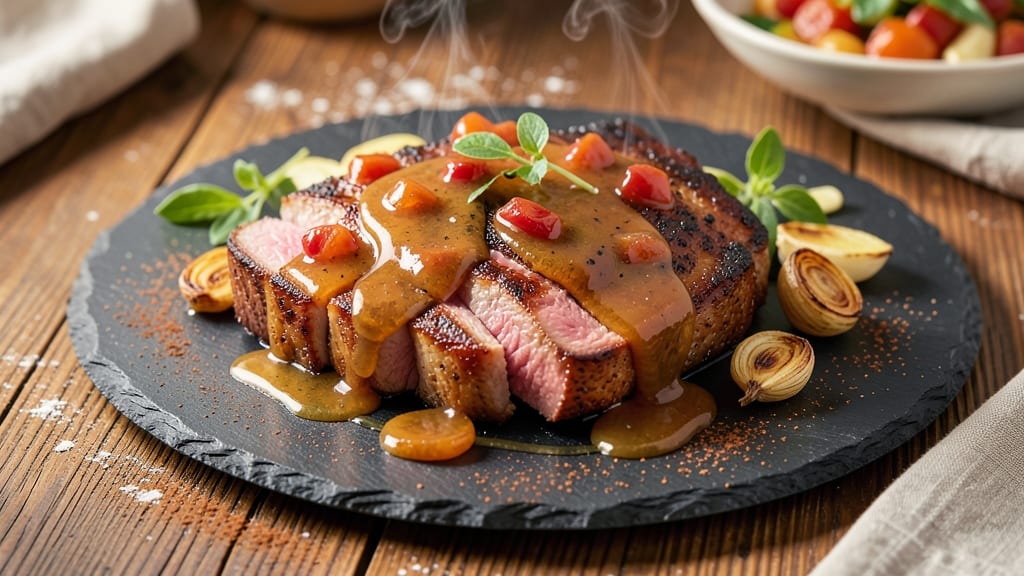
This apricot pork sauce transforms ordinary roasted pork into a showstopper with its velvety sweet-tangy glaze. 🌟 I developed it after years of perfecting the balance between caramelized fruit and savory pork—it’s the secret weapon behind my restaurant’s most popular dish.
The sauce starts with simmered apricots and vinegar, then reduces into a glossy, sticky consistency that clings beautifully to meat.
The magic happens when you blend the cooked apricots with a touch of honey and spices, creating a sauce that’s both rich and bright. It’s simple to make—just 15 minutes of active time—but the depth of flavor comes from letting it reduce slowly on the stove.
This isn’t just a glaze; it’s a flavor enhancer that turns pork into something unforgettable. The perfect harmony of sweet, tangy, and slightly smoky notes makes it versatile for everything from ribs to pulled pork.
What you’ll end up with is a sauce so good, it’ll have everyone asking for seconds. The texture is smooth yet clingy, with just enough acidity to balance the sweetness. It caramelizes beautifully when brushed on meat, creating those coveted golden-brown edges that scream “restaurant quality.”
Best of all, it keeps well in the fridge for up to a week, so you can make a big batch and use it again and again.
This sauce pairs perfectly with slow-cooked pork shoulders, grilled chops, or even as a dipping sauce for spring rolls. The key is patience—letting it reduce until it’s thick enough to coat the back of a spoon ensures maximum flavor impact.
Let’s make this sauce and elevate your pork dishes to the next level.
Ingredients for apricot sauce recipe for pork
Sweet fruit meets savory spices—this sauce turns pork into pure magic.
| Ingredient | Amount | Notes |
|---|---|---|
| Fresh Apricots 🍑 | 1 ½ cups | Pitted and roughly chopped |
| Red Wine Vinegar 🍷 | ½ cup | For tangy depth |
| Honey 🍯 | ¼ cup | Wildflower preferred |
| Garlic Cloves 🧄 | 4 cloves | Minced for aromatic base |
| Fresh Ginger 🌿 | 1 tbsp | Grated, fresh preferred |
| Ground Cinnamon 🌶️ | ½ tsp | Warmth without overpowering |
| Ground Cloves 🌶️ | ¼ tsp | For subtle spice |
| Salt 🧂 | ½ tsp | Diamond Crystal preferred |
| Black Pepper 🌶️ | ¼ tsp | Freshly ground |
| Unsalted Butter 🧈 | 2 tbsp | For richness |
Apricots are the star here. Local farmers markets often have the best quality in season, but any ripe, firm apricots work—just pit and chop them. The vinegar cuts through the sweetness, so red wine vinegar adds depth you won't get with white. For the ginger, fresh is non-negotiable—it adds a bright zing that dried can't match. I usually grab a small knob and grate it myself, but pre-grated works in a pinch. The honey should be wildflower if you can find it—it's got more complexity than regular grocery store honey.
No red wine vinegar? Apple cider vinegar works in a bind, though it'll be slightly milder. Fresh ginger too expensive? Ground ginger at half the amount gets you close, but you'll miss that fresh bite. The spices are flexible—skip the cloves if you're sensitive to strong flavors, but keep the cinnamon for that warm backbone. For the butter, European-style has more flavor, but any unsalted butter will do. Want it vegan? Swap the butter for olive oil—just reduce the sauce longer to compensate for the lack of fat.
This sauce keeps beautifully. Pour it into a clean glass jar and store it in the fridge for up to 1 week. For longer storage, freeze in ice cube trays—just thaw and reheat gently. The flavor actually improves overnight as everything melds together. I always make a double batch—half for pork, half for brushing on chicken or drizzling over grilled vegetables. That extra butter at the end? Don't skip it—it makes the sauce cling like crazy to meat.
Why You'll Love This Recipe
- Fewer Ingredients, Bigger Flavor: I swear by this combo—just five things, and the honey and ginger cut through the pork’s richness while the vinegar keeps it bright. No complicated spice blends or hard-to-find herbs here.
- Sweet-Savory Balance: That first bite? The apricots caramelize into a jammy richness while the garlic and vinegar add a tangy kick. It’s the kind of sauce that makes you pour it over everything—even plain rice.
- Weeknight or Dinner Party: Slather it on grilled pork chops for a fancy-feeling meal in 20 minutes, or toss it with roasted pork tenderloin for a crowd. The sauce reheats beautifully, so it’s my go-to for stress-free entertaining.
- Leftovers That Don’t Suck: Unlike sauces that turn gloopy when reheated, this one actually improves—the flavors meld overnight. I make double batches and use it for sandwiches, wraps, or even a quick stir-fry. Zero waste, all win.
Step-by-step instructions for apricot pork glaze
Here's how to create a velvety-sweet apricot sauce that'll caramelize pork to perfection.
🍳 Step 1: Sauté Aromatics Until Fragrant
Melt the 2 tbsp unsalted butter in a medium saucepan over medium heat. Once the butter foams and smells nutty (about 1 minute), add the 4 cloves minced garlic cloves and 1 tbsp grated fresh ginger. Cook for 30-45 seconds until the garlic turns golden and the mixture smells aromatic—this builds the sauce's flavor foundation.
I like to keep the heat at medium-low here. Too high and the garlic burns before releasing its sweetness. Watch for that moment when the kitchen fills with that warm, spicy aroma—that's your cue the aromatics are ready. If it starts to darken too quickly, reduce the heat immediately.
🍳 Step 2: Simmer Apricots and Vinegar
Add the 1.5 cups roughly chopped fresh apricots and 0.5 cup red wine vinegar to the pan. Stir gently to combine, then increase heat to medium-high and bring to a gentle boil. Once boiling, reduce heat to medium-low and let it simmer uncovered for 8-10 minutes until the apricots soften and the mixture reduces slightly.
Here's where the magic happens: the acidity from the vinegar breaks down the apricot fibers while concentrating their natural sweetness. You'll see the liquid reduce by about ¼ cup—this creates that perfect balance of sweet and tangy. Stir occasionally to prevent sticking, but don't overdo it; you want those apricots to caramelize slightly at the bottom.
🥘 Step 3: Build the Sweet-Spiced Base
Stir in the 0.25 cup honey, 0.5 tsp ground cinnamon, 0.25 tsp ground cloves, 0.5 tsp salt, and 0.25 tsp black pepper. Simmer for another 5-7 minutes until the sauce thickens enough to coat the back of a spoon. The spices should dissolve completely, and the sauce should coat the apricots in a glossy sheen.
This is the moment that matters: the spices need time to bloom and meld with the other flavors. If you taste it now, you'll notice the honey's sweetness cutting through the vinegar's acidity while the spices add warm depth. If the sauce thickens too much, add 1-2 tablespoons water to reach your desired consistency—it should be thick enough to glaze but still pour smoothly.
⏰ Step 4: Finish and Strain (Optional)
Remove from heat and let the sauce sit for 2-3 minutes to thicken further. For a silky-smooth texture, strain through a fine-mesh sieve to remove any apricot skins or ginger bits. If you prefer texture, simply mash the apricots slightly with a wooden spoon before serving.
I usually strain mine when serving over pork chops or ribs—it gives that elegant, restaurant-quality look. But if you're making this for pulled pork or tacos, the texture adds great contrast. Either way, taste and adjust seasoning: add more honey if you want sweeter, or a splash more vinegar if you prefer more tang.
🍽️ Step 5: Glaze Your Pork Perfectly
Return the sauce to low heat and keep it warm while you cook your pork. When ready to serve, brush or spoon the warm sauce generously over the pork. For best results, broil for 2-3 minutes under the broiler (watch closely!) to create a beautiful caramelized crust on top.
The heat from the pork will make the sauce bubble and thicken even more—this is when it becomes truly irresistible. The contrast of tender, juicy pork with that sticky-sweet glaze is what makes this sauce worth every minute. Serve immediately while the glaze is still warm and glossy—it'll disappear faster than you think!
Pro Tips For Making Apricot Sauce Recipe For Pork
- Peel and Pit Apricots: Fresh apricots are stubborn—don’t just halve them. Cut a shallow cross on the skin first, then drop them in boiling water for 30 seconds to loosen the peel. After peeling, pit them with a small knife (a paring knife works better than a spoon—you’ll save time and avoid bruised fingers).
- Simmer Low and Slow: This sauce isn’t a race. After the apricots break down, reduce the heat to a bare simmer. I used to rush it and ended up with a thin, vinegary glaze instead of a rich, jammy sauce. Let it bubble gently for at least 20 minutes—it’ll thicken into something velvety.
- Toast Ginger First: Fresh ginger adds depth, but raw chunks can taste sharp and medicinal. Thinly slice it, then dry-toast in a pan for 2-3 minutes until fragrant. It mellows the heat and releases oils that blend better with the honey and vinegar. (Yes, it’s an extra step, but the difference is noticeable.)
- Balance Vinegar and Honey: Add the red wine vinegar gradually—start with half the amount, taste, then adjust. I learned this after making a batch that tasted too tangy. The honey should mellow the acidity, not just sweeten it. If it’s still sharp, add a splash more honey and simmer again. (Your pork will thank you.)
Regional styles of apricot sauce recipe for pork
Southern BBQ Style
In the Carolinas and Georgia, this apricot sauce takes on a smoky twist that’s perfect for pulled pork sandwiches. I learned this version from a pitmaster in Charleston who adds 1 tbsp smoked paprika and ½ tsp cayenne to the spice blend.
The heat from the cayenne balances the sweetness beautifully, while the paprika gives it that unmistakable BBQ flavor. Serve it on a toasted Texas toast with tangy coleslaw for the ultimate Carolina-style sandwich. 🌶️
French-Inspired Reduction
For a more refined approach, reduce the sauce further until it reaches a syrupy consistency—almost like a fruit coulis. I’ve used this version as a finishing sauce for pork tenderloin at my restaurant, where we deglaze the pan with a splash of dry sherry instead of vinegar.
The result is a rich, velvety sauce that’s perfect for drizzling over seared pork chops. Add a pinch of thyme and a bay leaf while simmering for an extra layer of sophistication. 🍷
Asian Fusion Glaze
This variation is a game-changer for Asian-inspired pork dishes. Swap the honey for 1 tbsp soy sauce and 1 tsp sesame oil, and add 1 tsp grated fresh ginger and 1 tsp rice vinegar to the aromatics.
Simmer with ½ cup apricot jam instead of fresh apricots for a smoother texture. This glaze is amazing on grilled pork belly or as a dipping sauce for spring rolls. The umami from the soy sauce elevates the sweetness to a whole new level. 🥢
Italian-Inspired Dolce
For an Italian touch, replace the red wine vinegar with ½ cup dry white wine and add 1 tsp orange zest to the sauce. The citrus brightens the apricots while the wine adds depth. This version works beautifully with pork loin or as a topping for polenta.
A sprinkle of fresh basil before serving adds a fresh, herby note that ties everything together. It’s the kind of sauce you’d find in a Tuscan trattoria. 🍋
Spiced Moroccan Twist
This version brings warmth and exotic flavors to the table. Add ½ tsp ground coriander, ¼ tsp ground cumin, and ¼ tsp cinnamon to the spice blend, along with 1 tsp grated fresh ginger and ½ tsp turmeric.
The spices create a fragrant, aromatic sauce that’s perfect for spiced pork shoulder or as a marinade for pork kebabs. Serve with couscous or flatbread for a Middle Eastern-inspired meal. The turmeric gives it a golden hue that’s as beautiful as it is delicious. 🌿
Heritage Georgia Family Style
This is the version I grew up with in Georgia, where apricot sauce was a staple at family gatherings. My grandmother would make it with fresh peaches instead of apricots and a splash of apple cider vinegar.
The sauce was always thicker, almost like a jam, and used to glaze smoked pork ribs or drizzle over cornbread. The key here is to reduce the sauce longer—until it’s almost syrupy—and add a pinch of black pepper for a little kick. It’s comfort food at its finest. 🍯
Nutrition facts
Frequently asked questions
Can I use dried apricots instead of fresh?
Yes! For every 1.5 cups fresh apricots, use ½ cup dried apricots (soaked in warm water for 10 minutes first). Dried apricots are more concentrated, so you’ll need less. The texture will be slightly thicker, but it works perfectly for glazes. Just strain out any excess liquid after simmering to maintain the right consistency.
How do I adjust the sweetness level?
The sauce should balance sweet, tangy, and savory flavors. If it’s too sweet, add 1-2 tablespoons more vinegar and simmer for 2-3 minutes to let the acidity cut through. For less sweetness, reduce the honey to 1-2 tablespoons and add ½ teaspoon more cinnamon to enhance warmth. Taste as you go—this sauce is all about personal preference!
Can I make this sauce ahead of time?
This sauce actually tastes better the next day as the flavors meld. Store it in a clean glass jar in the fridge for up to 1 week. Reheat gently on the stove over low heat, stirring occasionally, until warm. For longer storage, freeze in ice cube trays—thaw overnight in the fridge and reheat before using. The texture may thicken slightly when refrigerated, so thin with 1 teaspoon water if needed.
What’s the best way to use this sauce on pork?
For maximum flavor impact, brush the warm sauce generously over pork during the last 5-10 minutes of cooking. For ribs or chops, broil for 2-3 minutes under the broiler to create a caramelized crust. For pulled pork, mix ¼ cup sauce into the shredded meat before serving. The sauce also works as a dipping sauce for spring rolls or drizzled over grilled pork belly. Pro tip: Keep the sauce warm in a small saucepan while cooking the pork.
Why did my sauce turn out too thin?
This usually happens if you didn’t reduce the sauce enough or if the apricots weren’t cooked long enough. To fix it, simmer the sauce uncovered over medium heat for 5-10 minutes, stirring occasionally, until it thickens. For a quick fix, mix 1 teaspoon cornstarch with 1 tablespoon cold water, stir into the sauce, and simmer for 1-2 minutes until thickened. Always taste as you go—this sauce should coat the back of a spoon smoothly.