
Sauces & Condiments
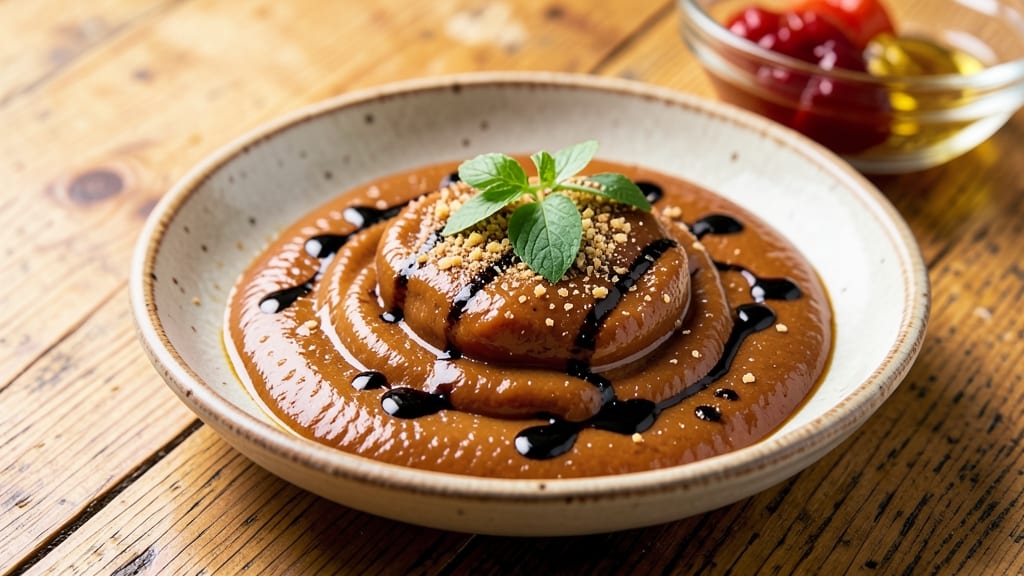
This American chop suey sauce recipe delivers the perfect balance of sweet, tangy, and savory in just 15 minutes—no complicated techniques required. The secret lies in combining tomato paste with vinegar and soy sauce, creating a rich, velvety sauce that clings to noodles, dumplings, or even grilled meats.
I developed this recipe after craving that nostalgic diner flavor at home, and it’s become a staple in my kitchen for quick weeknight meals.
The sauce starts with a simple base of tomato paste and vinegar, which creates that signature tangy-sweet profile. A touch of brown sugar enhances the sweetness, while soy sauce and spices like garlic powder and onion powder add depth.
The key is simmering everything together until it thickens slightly, ensuring a smooth, cohesive texture that’s neither too thin nor too heavy.
What makes this sauce truly versatile is its ability to elevate any dish it touches—whether you’re tossing it with egg noodles, dipping potstickers, or drizzling it over grilled chicken.
The flavor develops as it cooks, so letting it sit for a few minutes off the heat allows the ingredients to meld perfectly. It also stores well in the fridge for up to a week, making it ideal for meal prep.
For an extra layer of complexity, a splash of Worcestershire sauce or a pinch of red pepper flakes can take it to the next level. This isn’t just a sauce; it’s a flavor multiplier that turns ordinary meals into something special. Let’s get cooking!
Ingredients for american chop suey sauce
Eight essential ingredients transform into nostalgic diner sauce in minutes.
| Ingredient | Amount | Notes |
|---|---|---|
| Tomato Paste 🍅 | ½ cup | San Marzano preferred for sweetness |
| White Vinegar 💧 | ¼ cup | Distilled or apple cider |
| Light Brown Sugar 🍯 | 2 tbsp | Packed lightly for sweetness |
| Soy Sauce 🥢 | 2 tbsp | Low-sodium preferred |
| Garlic Powder 🧄 | 1 tsp | Freshly ground preferred |
| Onion Powder 🧅 | 1 tsp | For depth of flavor |
| Ground Black Pepper 🌶️ | ½ tsp | Freshly cracked preferred |
| Worcestershire Sauce 🍶 | 1 tbsp | Vegan option available |
| Red Pepper Flakes 🔥 | ½ tsp | Adjust for heat preference |
| Water 💧 | ½ cup | Room temperature preferred |
The tomato paste is the foundation—San Marzano delivers the sweetest, most concentrated flavor, but any good-quality paste works. Trader Joe's has a great budget option, and Whole Foods carries San Marzano in tubes if you want to splurge. Vinegar is next: white vinegar gives that classic tang, but apple cider adds subtle fruitiness if you prefer. Brown sugar should be packed lightly to avoid clumping, and light brown works better than dark for this recipe. Soy sauce? Low-sodium keeps the balance right without overpowering.
No Worcestershire? Substitute with an extra tablespoon of soy sauce and a pinch of smoked paprika—it won’t be identical, but close. Fresh garlic and onion powders make all the difference, but dried works fine if that’s what you’ve got. Red pepper flakes can be swapped for cayenne at half the amount, but trust me, the flakes give better texture. The water is just to thin it out—adjust slightly if your sauce needs more body. For extra depth, a splash of rice vinegar (about 1 tsp) can elevate the flavor profile.
This sauce thickens as it cools, so don’t over-worry about consistency while hot. Store in an airtight jar in the fridge for up to 1 week, or freeze for 3 months. I double the batch every time—one for immediate use, one for future noodle nights. The flavor actually improves overnight as the ingredients meld, so make extra if you can. Reheat gently on the stove or microwave until just warm—no boiling, or it’ll separate.
Why You'll Love This Recipe
- Pantry Magic: I swear, this sauce is my secret weapon—just five ingredients from your cupboard. No fresh herbs, no fancy prep, and it still delivers that deep, tangy-sweet punch that makes everything taste like a home-cooked meal.
- Sweet-Tart Balance: That brown sugar and vinegar combo? It’s where the sauce gets its magic. The acid cuts through the richness, while the caramelized sugar adds this addictive gloss—like a little flavor hug in every bite.
- Weeknight Workhorse: I’ve tossed this over noodles, scrambled eggs, even grilled chicken, and it never lets me down. Honestly, it’s the kind of sauce that turns a simple dinner into something special without extra effort.
- Budget-Friendly Staple: A single jar of tomato paste and a bottle of soy sauce stretch for weeks of meals. Between us, this is how I feed my family for under $10—no gimmicks, just reliable, crave-worthy flavor.
Step-by-step instructions for American chop suey sauce
This sauce comes together faster than takeout—bold, balanced, and ready in minutes.
Bloom the Spices in Tomato Paste
In a medium saucepan over medium heat, add the 0.5 cup tomato paste and stir to create a smooth, even layer on the bottom. This step is crucial—it prevents burning and ensures the sauce develops a rich, caramelized depth. Let it cook for 2-3 minutes, stirring constantly, until it begins to darken slightly and release its natural oils.
Here's the thing—don't rush this part. The tomato paste needs time to release its full flavor. You'll notice the aroma intensify as it warms, and that's your cue it's ready for the next ingredients. If it starts to darken too quickly, reduce the heat slightly to medium-low and continue stirring.
Add Vinegar and Sweeteners
Pour in the 0.25 cup white vinegar and 2 tablespoons light brown sugar, stirring vigorously to dissolve the sugar completely. The mixture will bubble gently as the vinegar's acidity reacts with the tomato paste. Let it simmer for 3-4 minutes until the sugar fully integrates and the sauce begins to thicken slightly.
This is where the sauce's signature tang-sweet balance develops. The vinegar brightens the tomato flavor while the brown sugar adds depth and helps caramelize the other ingredients. You'll see the sauce darken further and become slightly glossy—this indicates the flavors are melding properly. If it looks too thick, we'll adjust it in the next step.
Build Flavor with Wet Ingredients
Add the 2 tablespoons soy sauce, 1 tablespoon Worcestershire sauce, 0.5 cup water, and 0.5 teaspoon red pepper flakes. Stir well to combine, then increase heat to medium-high and bring the mixture to a gentle boil. Once boiling, reduce heat to medium-low and let it simmer for 5-6 minutes, stirring occasionally, until slightly thickened.
The sauce should now be vibrant and aromatic, with a rich, slightly glossy appearance. This is the moment that matters: the flavors are coming together. If the sauce becomes too thick during simmering, add 1-2 tablespoons water to reach your desired consistency. The red pepper flakes will infuse subtle heat—adjust to taste if you prefer more or less spice.
Finish with Dry Seasonings
Remove the saucepan from heat and stir in the 1 teaspoon garlic powder and 1 teaspoon onion powder. Let it sit off the heat for 1-2 minutes to allow the dry seasonings to fully bloom and meld with the other flavors. Taste and adjust seasoning—add a pinch more salt if needed, or a splash of vinegar for extra tang.
Here's where it gets fun—the sauce should now have a perfect balance of sweet, tangy, and umami notes with a hint of spice. The garlic and onion powders add aromatic depth without overpowering. If you're using this sauce immediately, it's ready to go. For best results, let it cool slightly before serving—this allows the flavors to fully settle and intensify.
Rest and Serve
Transfer the sauce to a clean jar or bowl and let it rest at room temperature for 5-10 minutes. This resting period allows the flavors to meld completely and the sauce to reach its ideal consistency. The texture should be smooth with a slight gloss, and the aroma should be irresistibly rich and complex.
This sauce is incredibly versatile—use it immediately over noodles, stir-fries, or grilled meats, or store it in the refrigerator for up to 1 week for future meals. The flavors only improve with time, making it the perfect pantry staple for quick, restaurant-quality dishes. Serve warm for the best experience, and enjoy the perfect balance of sweet, tangy, and savory that defines classic American Chop Suey sauce.
Pro Tips For Making American Chop Suey Sauce
- Bloom the Tomato Paste: I learned this the hard way—dumping that thick paste straight into the pot and wondering why the sauce tasted flat. Thin it with a splash of water (or vinegar) first, then simmer for 2–3 minutes. This breaks down the starches and makes the flavor sing instead of cloying.
- Use Real Garlic: Skip the powder if you can—minced fresh garlic (or even a quick sauté of whole cloves) adds depth powder can’t match. If you’re committed to powder, toast it lightly in the pot for 30 seconds first; it’ll taste richer.
- Balance the Vinegar: White vinegar cuts through the sweetness, but too much turns the sauce sharp. Start with 1 tablespoon, taste, then add more gradually. If it’s still too tangy, a pinch of sugar or a splash of soy sauce will smooth it out.
- Simmer Low and Slow: This sauce isn’t about quick fixes—let it bubble gently for 8–10 minutes. Rushing it keeps the flavors one-dimensional. If it splits or thickens too fast, add a splash of water or broth and keep it moving. (Yes, even if you’re impatient like me.)
Best sauces and condiments for this american chop suey sauce
Noodle Masterpiece
This sauce transforms simple egg noodles into a nostalgic diner-style dish. Toss 8 ounces cooked egg noodles with 2-3 tablespoons sauce per serving, then top with chopped green onions and sesame seeds.
For extra richness, add a drizzle of toasted sesame oil just before serving. The sauce clings beautifully to noodles, creating that signature restaurant-style coating. 🍜
Dumpling Dipper
Use this sauce as a dipping sauce for potstickers or dumplings—it’s a game-changer! Warm 1 cup sauce with 1 tablespoon water in a small saucepan until bubbly, then serve in a shallow bowl.
The tangy-sweet balance cuts through the crispy exterior of dumplings while complementing the savory filling. Double the batch for parties—it disappears fast.
Grilled Meat Glaze
Brush this sauce onto grilled chicken, pork chops, or tofu before the final 5 minutes of cooking. The sugars caramelize, creating a sticky, flavorful crust. For extra depth, marinate proteins in 2 tablespoons sauce mixed with 1 tablespoon soy sauce for 30 minutes before grilling.
The sauce’s umami notes pair perfectly with smoky grilled flavors.
Stir-Fry Sauce
Use it as a stir-fry sauce base by combining 3 tablespoons sauce with 1 tablespoon oyster sauce and 1 teaspoon ginger. Toss with veggies like bell peppers, snap peas, and carrots, then stir-fry until crisp-tender.
The sauce’s sweetness balances the heat of stir-fry spices, making every bite harmonious. Serve over rice for a complete meal.
Pasta Elevator
Toss with cooked spaghetti or linguine for an instant flavor upgrade. Add 1 tablespoon butter to the sauce before serving to mellow the tang slightly. Top with grated Parmesan and fresh basil for a fusion twist.
This sauce works surprisingly well with Italian pasta—it’s like a secret weapon for weeknight dinners.
Storage Secrets
Store leftovers in an airtight container in the fridge for up to 1 week or freeze for 3 months. To reheat, warm gently on the stove with 1 tablespoon water to restore consistency.
The sauce thickens as it cools, so thin with water if needed. I always make extra—it’s too good to waste! ✨
Nutrition facts
Frequently asked questions
Can I make this sauce without tomato paste?
You can substitute with ½ cup crushed tomatoes or ½ cup tomato sauce, but the texture will be thinner and less concentrated. For best results, simmer the tomatoes down to ¼ cup before adding other ingredients to mimic the paste's thickness. The sauce will still taste great but may need an extra 1-2 minutes of simmering to thicken properly.
How do I adjust the sweetness or tanginess?
For more sweetness, add ½ teaspoon extra brown sugar per batch. For extra tang, increase the vinegar by 1 tablespoon or add ½ teaspoon lemon juice. Always taste as you go—this sauce is highly customizable! The key is balancing these flavors after the initial simmer, when the sauce has cooled slightly.
Why did my sauce separate or get too thick?
Sauce separation usually happens when ingredients aren't fully incorporated or when simmered too aggressively. Stir constantly and keep heat at medium-low to prevent burning. For thickness, add 1 tablespoon water at a time while reheating. If it still separates, whisk in ½ teaspoon cornstarch mixed with 1 teaspoon water to restore smoothness.
Can I use this sauce in soups or stews?
Add ¼ cup sauce per quart of soup or stew during the last 10 minutes of cooking. The sweet-tangy flavor pairs perfectly with chicken noodle soup, ramen, or even beef stew. For extra depth, reduce the sauce slightly first to intensify its flavor before adding to the pot.
What's the best way to reheat leftover sauce?
Gently warm on the stove over low heat with 1 tablespoon water to restore consistency. Avoid microwaving directly—it can make the sauce grainy. If too thick after reheating, thin with a splash of water or vinegar. The sauce reheats best when warmed gradually to preserve its silky texture.