
Sauces & Condiments
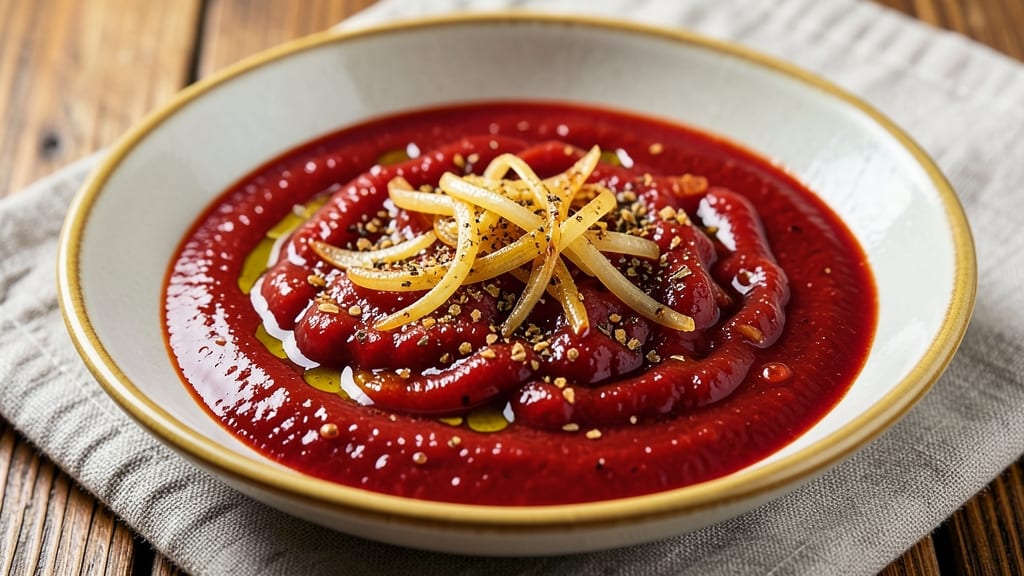
Alton Brown's tomato sauce recipe transforms simple pantry staples into a rich, slow-simmered masterpiece with layers of umami and bright fresh basil. The secret lies in caramelizing aromatics and reducing the sauce to a velvety consistency, creating depth that store-bought versions can't match.
This isn't just any tomato sauce—it's a restaurant-quality foundation that builds flavor through time and technique.
The process begins with sautéing onions and garlic until golden, then adding canned tomatoes, herbs, and a touch of sugar to balance acidity. A long simmer (at least 45 minutes) develops complex flavors as the sauce reduces and intensifies.
The result is a smooth, glossy sauce with just the right balance of sweetness, acidity, and savory depth—perfect for pasta, pizza, or dipping bread.
What sets this sauce apart is the fresh basil added at the end, which brightens the finished product without overpowering the rich tomato base. The texture is silky-smooth, with just enough body to cling beautifully to noodles or crusts.
This isn't a quick weeknight shortcut; it's a sauce worth the time, designed to elevate any dish it touches.
Once you taste the difference between this homemade version and store-bought, you'll never go back. The slow simmering process creates a depth of flavor that's impossible to replicate quickly, making it a worth-while investment for any home cook serious about flavor.
Let's get started on creating your own batch of this Alton Brown-inspired tomato sauce.
Ingredients for alton brown tomato sauce
Simple pantry staples meet restaurant-quality technique for this velvety tomato sauce.
| Ingredient | Amount | Notes |
|---|---|---|
| Extra-Virgin Olive Oil 🫒 | ½ cup | High-quality for richness |
| Yellow Onion 🧅 | 1 whole | Medium-sized, finely chopped |
| Garlic Cloves 🧄 | 4 cloves | Fresh, minced for depth |
| Canned San Marzano Tomatoes 🍅 | 28 oz | Crushed by hand for texture |
| Granulated Sugar 🍚 | 1 tbsp | Balances acidity naturally |
| Dried Oregano 🌿 | 1 tsp | Italian variety preferred |
| Salt 🧂 | 1 tsp | Kosher or sea salt |
| Fresh Basil Leaves 🌿 | ¼ cup | Packed, torn by hand |
| Red Wine Vinegar 🍷 | 1 tbsp | Brightens the sauce |
| Ground Black Pepper 🌶️ | ¼ tsp | Freshly cracked |
The tomatoes are the star—San Marzano is ideal, but any high-quality canned tomatoes work. Look for ones with minimal additives, like Muir Glen or Whole Foods store brand. Fresh basil is non-negotiable here; the grocery store's sad plastic containers won't cut it. Hit up the farmers market or grab a big bunch from Trader Joe's—you'll need more than you think. The olive oil matters too—skip the cheap stuff. California avocado oil or a fruity Italian extra-virgin makes all the difference. Caramelizing the onions and garlic until deep golden is where the magic happens, so don't rush this step.
No San Marzano tomatoes? Crush regular canned tomatoes by hand—it makes a huge difference in texture. Short on basil? Dried oregano at half the amount works in a pinch, but fresh is worth hunting down. The vinegar can be swapped for lemon juice if you prefer. Want extra umami? Add a dash of fish sauce or a pinch of MSG (trust me). The sugar is key—it balances the acidity, so don't skip it. If you're worried about sweetness, use honey instead (same amount). For a smokier flavor, add a pinch of smoked paprika or a crushed bay leaf during simmering.
This sauce tastes even better the next day as flavors meld. Store in an airtight container in the fridge for up to 5 days, or freeze for 3 months in portion-sized containers. I like to make a double batch—one for immediate use, one to freeze. The basil wilts fast, so add it fresh right before serving. If you're prepping ahead, make the sauce without the basil, then stir it in just before eating. Leftovers reheat beautifully—just warm gently on the stove or microwave until hot. Perfect for pasta, pizza, or dipping crusty bread.
Why You'll Love This Recipe
- No-Chop Nightmare: I swear, this sauce only needs one onion chopped—no dicing, no mincing, just rough slices that melt into sweetness. The San Marzano tomatoes handle all the work while you sip your wine (or coffee, no judgment).
- Sweet-Savory Balance: That pinch of sugar isn’t just for show—it cuts the acidity of the tomatoes and lets the garlic shine without overpowering. Honestly, the first time I skipped it, I regretted it by the second bite.
- Pantry-to-Table Magic: Open a can, simmer, done. No fresh basil needed (though you’ll want it later), no fancy techniques—just olive oil, heat, and patience. My lazy Sundays now include this sauce drizzled over toast with good cheese.
- Freezer-Friendly Hero: Make a double batch, freeze half, and thank me later. Thaws perfectly for weeknight pasta or bruschetta—no texture loss, just rich, velvety flavor. (Yes, even on a Tuesday night.)
Step-by-step instructions for slow-simmered tomato sauce
Let's create a rich, balanced tomato sauce with layers of flavor and fresh basil brilliance.
Sauté Onion Until Translucent
Heat the 0.5 cup extra-virgin olive oil in a heavy-bottomed saucepan over medium heat. Add the finely chopped whole yellow onion and cook for 8-10 minutes, stirring occasionally, until soft and translucent. You'll see the onion turn from pale to a deeper golden hue—this is your signal it's ready for the next step.
Don't rush this process. Cooking the onion slowly draws out its natural sweetness and removes any bitterness, forming the flavor foundation for your sauce. If the onions start to brown too quickly, reduce the heat slightly to prevent burning. I like to press down gently with a wooden spoon to help them break down evenly.
Add Garlic and Cook Until Fragrant
Push the onions to one side of the pan and add the 4 minced garlic cloves to the empty space. Cook for 30-60 seconds until the garlic becomes golden and releases its aromatic oils. You'll know it's ready when the kitchen fills with that irresistible garlic scent—this is what builds the umami depth in your sauce.
Watch the garlic closely. It burns faster than you think, and burnt garlic will make your sauce bitter. Once the garlic is fragrant, stir it into the onions and cook together for another 1 minute to meld the flavors. This is where the magic happens—the garlic's sweetness combines with the caramelized onions to create a complex base.
Build the Sauce with Tomatoes and Seasonings
Add the 28 oz canned San Marzano tomatoes, 1 tablespoon granulated sugar, 1 teaspoon dried oregano, 1 teaspoon salt, and 0.25 teaspoon ground black pepper to the pan. Stir well to combine, then bring the mixture to a gentle simmer over medium-low heat. Let it cook uncovered for 20-25 minutes, stirring occasionally, until the sauce thickens slightly and the flavors meld together.
Here's the thing—this simmering time is crucial. It allows the tomatoes to break down naturally, developing a deeper, more concentrated flavor. You'll see the sauce reduce and coat the back of a spoon. If it starts to stick to the bottom, add a splash of water or a few drops of the red wine vinegar to help it release. The sugar helps balance the acidity of the tomatoes while enhancing their natural sweetness.
Finish with Fresh Basil and Vinegar
Remove the pan from heat and stir in the 0.25 cup fresh basil leaves and 1 tablespoon red wine vinegar. Let the sauce sit off the heat for 5 minutes to allow the basil to infuse its bright, fresh flavor. Taste and adjust the seasoning if needed—you might want to add a pinch more salt or a splash of vinegar to brighten the sauce further.
The basil should be torn by hand, not chopped, to maintain its delicate texture and aroma. The vinegar adds a bright acidity that cuts through the richness of the tomatoes and enhances all the other flavors. This is the moment that makes your sauce truly special—where fresh herbs and acidity come together to elevate everything else.
Simmer Again for Final Flavor Development
Return the sauce to low heat and let it simmer gently for another 5-10 minutes to allow all the flavors to meld completely. The sauce should be thick enough to coat the back of a spoon but still have a pleasant, saucy consistency. If it's too thick, add a splash of water or pasta water to reach your desired texture.
This final simmer is where your sauce comes together. You'll notice the flavors deepen and become more harmonious. The basil will continue to release its aroma, and the vinegar will integrate fully. Let the sauce cool slightly before serving—this allows the flavors to settle and intensify. Your sauce is now ready to pair with pasta, meatballs, or crusty bread for a truly satisfying meal.
Pro Tips For Making Alton Brown Tomato Sauce
- CRUSH THE ONIONS: Pulse them in a food processor until they’re almost paste—no big chunks. I used to chop them by hand, and while it looked pretty, the sauce never broke down as smoothly. This step guarantees the onions dissolve into flavor without leaving texture surprises.
- SWEAT THE GARLIC LOW: After adding minced garlic, turn the heat down to medium-low the second it hits the pan. I learned this the hard way—burnt garlic ruins everything, and it happens faster than you’d think. Let it cook just until fragrant, not golden.
- STIR THE TOMATOES: Don’t dump the crushed tomatoes in one go—add them in batches while stirring constantly. I used to pour it all in at once, and the sauce would scorch on the bottom before fully incorporating. This keeps the heat even and prevents a burnt layer hiding under your perfect sauce.
- SALT AFTER SIMMERING: Wait until the sauce has simmered for 10 minutes before adding the final salt adjustment. The sugar and tomatoes release water as they cook, so salting too early can make the sauce taste flat until it reduces. Taste at the end—trust your palate, not the recipe’s initial call.
Best sauces and condiments for this dish
Pasta Perfection Pair
This tomato sauce is a game-changer for al dente pasta like spaghetti or linguine. Toss 8 oz dry pasta with 2 tablespoons olive oil before cooking to prevent sticking, then finish with 1 tablespoon butter and a sprinkle of Parmesan cheese after draining.
The sauce clings beautifully to the strands, creating a silky coating with every bite. 🍝
Pizza Base Foundation
Use this sauce as your pizza base—spread ¼ cup sauce per 12-inch crust before adding toppings. I love pairing it with mozzarella cheese, pepperoni slices, and a sprinkle of red pepper flakes.
The slow-simmered depth enhances every ingredient, making your homemade pizza taste like a restaurant favorite. For extra richness, brush the crust with garlic-infused olive oil before adding sauce.
Bread Dipping Sauce
Warm the sauce slightly and serve with crusty bread or garlic bread for dipping. The perfect pairing? A baguette sliced into thick pieces and lightly toasted. The basil's freshness shines when paired with warm bread, creating a simple yet satisfying appetizer.
For a gourmet touch, add a drizzle of balsamic glaze on top.
Meatball Companion
This sauce elevates classic beef or pork meatballs to the next level. Simmer 12 meatballs in the sauce for 15-20 minutes until heated through. The meatballs absorb the sauce's rich flavors, making each bite unforgettable. Serve with mashed potatoes or over egg noodles for a hearty meal. 🥩
Grilled Chicken Sauce
Brush this sauce onto grilled chicken breasts or thighs during the last 5 minutes of cooking. The acidity in the sauce tenderizes the meat while adding a burst of flavor.
Pair with roasted potatoes and a side salad for a complete meal. For extra depth, marinate the chicken in ½ cup sauce for 2 hours before grilling.
Vegetable Stir-Fry Boost
Use the sauce as a base for stir-fries with bell peppers, zucchini, and mushrooms. Sauté the veggies in 1 tablespoon olive oil for 5-6 minutes, then add ½ cup sauce and toss to coat.
Finish with toasted pine nuts or crumbled feta cheese for added texture. The sauce's umami notes complement the veggies perfectly. 🥦
Nutrition facts
Frequently asked questions
Why does Alton Brown's tomato sauce need such a long simmer?
The slow simmer (at least 45 minutes) is key to developing deep, complex flavors. This process allows the tomatoes to break down naturally, concentrating their sweetness and reducing acidity. The aromatics caramelize further, creating layers of umami that store-bought sauces can't match. Patience here transforms simple ingredients into something restaurant-quality!
Can I make this sauce without fresh basil?
Yes, but the flavor will be different! If you're short on fresh basil, use 1 teaspoon dried basil (half the amount) or add ½ teaspoon dried oregano for extra depth. For best results, add fresh basil right before serving—it brightens the sauce and makes all the difference. The recipe calls for it because that's where the magic happens!
How do I adjust the thickness of the sauce?
If your sauce is too thick, add 1-2 tablespoons water or pasta water at a time while stirring. For a thicker consistency, simmer uncovered for 5-10 more minutes to reduce further. The ideal texture should coat the back of a spoon but still be saucy enough to cling to pasta or bread. Taste as you go—this sauce is all about balance!
What's the best way to store leftovers?
Let the sauce cool completely, then transfer to an airtight container. It keeps in the fridge for 5 days or freezes beautifully for 3 months. For best flavor, reheat gently on the stove or microwave until hot. The basil will wilt when reheated, so add fresh leaves just before serving. This sauce actually tastes better the next day!
Can I use this sauce for non-Italian dishes?
This versatile sauce works perfectly with Mexican tacos (add cumin), Asian stir-fries (swap basil for cilantro), or even breakfast hash. The umami depth makes it a great base for unexpected pairings. Just adjust seasonings to match the dish—this sauce is your flavor foundation!