
Sauces & Condiments
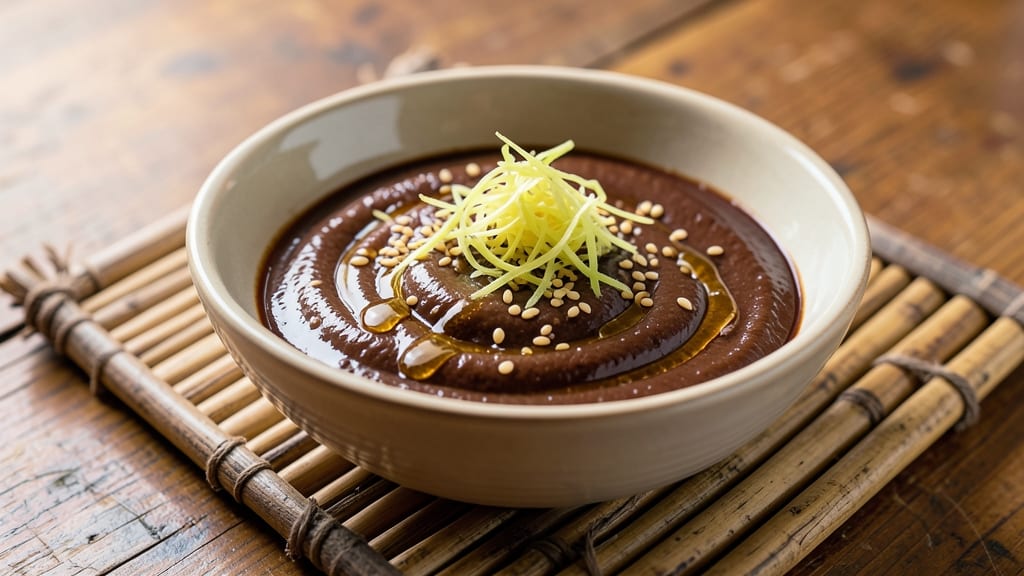
This Aloha Poke Samurai Sauce recipe transforms raw fish into a flavor explosion—bold, spicy, and packed with umami depth that cuts through delicate textures. 🔥 The secret lies in balancing soy sauce's salty punch with ginger's zing and sesame's nutty crunch, creating a sauce that elevates every bite.
I developed this after craving that perfect harmony of heat and richness that turns simple poke bowls into restaurant-worthy masterpieces.
The sauce starts with a rich foundation of soy sauce and sesame oil, then builds layers of complexity with fresh ginger, garlic, and a touch of sweetness from honey.
What sets it apart is the crunchy sesame finish—toasted sesame seeds and a hint of sriracha or gochujang deliver that signature poke bowl heat without overpowering the fish. The texture is silky yet vibrant, clinging perfectly to raw tuna, salmon, or even crispy tofu.
What makes this sauce truly special is its versatility—drizzle it over fresh poke, use it as a marinade for grilled meats, or serve it on the side for dipping. The bold soy-ginger heat transforms basic ingredients into something extraordinary, while the sesame crunch adds a satisfying contrast.
It's the kind of sauce that turns a simple meal into an experience.
Ready in just 10 minutes, this recipe requires minimal effort but delivers maximum impact. The ingredients are simple, but the flavor combination is anything but ordinary. Let's create a sauce that will have everyone asking for seconds.
Ingredients for aloha poke samurai sauce
Nine essential ingredients blend bold flavors for restaurant-quality poke sauce.
| Ingredient | Amount | Notes |
|---|---|---|
| Soy Sauce 🍶 | ½ cup | High-quality tamari for gluten-free option |
| Sesame Oil 🫒 | 2 tbsp | Toasted sesame oil for nutty aroma |
| Fresh Ginger 🌿 | 2 tbsp | Finely grated, organic preferred |
| Garlic Cloves 🧄 | 3 cloves | Minced, fresh for best flavor |
| Honey 🍯 | 1 tbsp | Raw honey for floral notes |
| Sesame Seeds 🥜 | 2 tbsp | Toasted until golden brown |
| Sriracha 🌶️ | 1 tbsp | Adjust for desired heat level |
| Rice Vinegar 🍶 | 1 tbsp | Seasoned rice vinegar preferred |
| Sesame Paste 🥜 | 1 tbsp | For extra depth and texture |
| Toasted Sesame Oil 🫒 | 1 tsp | For final drizzle and crunch |
The foundation begins with high-quality soy sauce—look for brands like Kikkoman or Hawaiian Gold for authentic umami depth. Fresh ginger and garlic are non-negotiable here; organic ginger from the produce section and garlic cloves from the bulk bin deliver the brightest flavors. Toasted sesame oil is key—avoid the light variety; opt for 100% sesame oil from Asian markets or the international aisle. For honey, raw Manuka honey adds subtle floral notes that elevate the sauce, though regular honey works perfectly fine. If you're gluten-sensitive, tamari replaces soy sauce seamlessly.
No sesame seeds? Toasted sunflower seeds provide a similar crunch, though the flavor won't be identical. Short on sriracha? Gochujang or red pepper flakes deliver heat, though gochujang adds a fermented depth that's hard to replicate. The rice vinegar can be swapped for apple cider vinegar, but seasoned rice vinegar's mild sweetness balances the sauce better. For extra richness, sesame paste (available at Asian markets) deepens the nutty profile—if unavailable, peanut butter in a pinch (though it alters the texture). The final drizzle of toasted sesame oil isn't just for flavor; it creates that signature sheen and crunch that defines poke sauce.
This sauce keeps beautifully in an airtight container in the fridge for up to 2 weeks, though the flavors meld even better after 24 hours. For longer storage, freeze in ice cube trays—thaw and whisk before use. The toasted sesame seeds and oil should be added fresh before serving to maintain their crunch. Double the batch; it disappears faster than you'd think. Perfect for drizzling over ahi tuna, salmon, or crispy tofu, or as a marinade for grilled meats. The bold soy-ginger heat transforms simple ingredients into something extraordinary.
Why You'll Love This Recipe
- Five-Ingredient Magic: I swear, this sauce comes together while you’re waiting for the rice to cook. Just toss those five things—soy, sesame oil, ginger, garlic, and honey—in a bowl and let the heat do the work. No blender, no fuss, just pure flavor.
- Umami Bomb: That balance of salty soy, fresh ginger bite, and a touch of sweet honey? It’s like a flavor explosion in your mouth. The garlic and sesame oil give it this deep, savory punch that makes every bite taste like a little vacation.
- Poke’s Best Friend: Honestly, this sauce turns basic poke into a gourmet bowl. But it’s not just for fish—drizzle it over noodles, toss it with greens, or use it as a marinade. My lazy Sundays now include this sauce on everything.
- Lasts All Week: Between us, I make a big batch on Sunday and keep it in the fridge. The ginger and honey keep it fresh for days, and it only gets better as the flavors meld. Plus, it’s cheap—soy sauce and garlic are my budget’s BFFs.
Step-by-step instructions for poke samurai sauce
Master this bold sauce with perfect balance of umami, heat, and nutty crunch.
🍳 Step 1: Bloom the Aromatics in Sesame Oil
Heat 2 tablespoons sesame oil in a small saucepan over medium-low heat until shimmering but not smoking. Add the 3 minced garlic cloves and 2 tablespoons finely grated fresh ginger, stirring constantly for 30-45 seconds until fragrant but not browned.
This step develops the aromatic foundation. Watch closely—ginger burns faster than garlic. If you see any color developing, remove the pan immediately. The oil should smell intensely nutty with a bright citrus note from the ginger.
🥘 Step 2: Build the Sauce Base
Pour in the 0.5 cup soy sauce and 1 tablespoon rice vinegar, stirring to combine. Add 1 tablespoon honey and 1 tablespoon sriracha, then bring to a gentle simmer over medium heat. Let it reduce by half—about 5-7 minutes—until thickened to a glossy consistency that coats the back of a spoon.
Stir frequently to prevent sticking. The sauce should reduce to about ¼ cup total volume. Taste as you go—this is where you'll notice if the heat needs adjustment. If it's too sharp, add a pinch more honey; if too mild, increase the sriracha slightly.
👨🍳 Step 3: Incorporate Depth with Sesame Paste
Remove the sauce from heat and let it cool slightly for 2 minutes. Whisk in 1 tablespoon sesame paste until completely dissolved. The paste will create a rich, velvety texture that balances the sharpness of the vinegar and heat of the sriracha.
Here's the thing—sesame paste has a strong flavor. Start with just 1 teaspoon if you're unsure, then add more to taste. The sauce should now have layers of flavor: salty umami from the soy, bright acidity from the vinegar, sweetness from the honey, and a lingering nutty depth from the sesame.
⏰ Step 4: Finish with Crunch and Toasted Oil
Transfer the sauce to a bowl and let it cool completely to room temperature. Stir in 2 tablespoons toasted sesame seeds and 1 teaspoon toasted sesame oil. The seeds add textural contrast while the oil enhances the nutty aroma. Cover and refrigerate for at least 1 hour to allow flavors to meld.
This resting period is crucial. The flavors will develop more complexity when chilled, and the sesame seeds will maintain their crispness. When ready to use, give it one final stir—you'll notice the sauce has thickened further and taken on a glossy sheen.
Pro Tips For Making Aloha Poke Samurai Sauce
- MINCE GINGER FINELY: Grab a microplane or the smallest grater you own—no need to chop. Fresh ginger loses its punch when it sits, so grate it right before mixing. I used to slice it thin and regret it every time.
- GARLIC: PEEL FIRST, THEN CRUSH: Peel those cloves before you even think about mincing. Then, smash them flat with the side of your knife—this releases more flavor than chopping. I learned this after burning my fingers trying to mince cold garlic.
- LOW HEAT FOR SESAME: Add sesame oil last and keep the heat low. It burns faster than you’d think, and once it’s scorched, the sauce tastes bitter. I’ve ruined three batches by walking away for "just a minute."
- HONEY: WARM IT FIRST: Mix the honey into the warm sauce, not cold. It dissolves smoothly and blends better—no grainy texture. Cold honey? You’ll end up with clumps that won’t budge, even when whisking. Trust me, it’s worth the 10 seconds.
Pro cooking tips for this recipe
Heat Control Mastery
Balance is everything when cooking this sauce. Start with medium-low heat when blooming garlic and ginger in sesame oil—too high, and you’ll burn them in 30 seconds flat. I’ve seen beginners rush this step and end up with bitter, charred flavors that ruin the entire sauce.
Keep the oil shimmering but never smoking, and you’ll get that perfect aromatic foundation. 🌡️
Reduction Precision
The sauce needs to reduce by half, but don’t walk away! Stir every 30 seconds once it starts simmering to prevent sticking. I’ve had batches where the honey caramelized too much, turning the sauce dark and overly sweet.
Taste as you go—if it’s too sharp, add a pinch of honey; if too mild, a splash of rice vinegar or extra sriracha. Aim for a glossy, coatable consistency, not a thick paste.
Sesame Paste Secrets
Sesame paste is non-negotiable for depth, but use it sparingly at first. Start with 1 teaspoon, whisk it in, then taste. Too much will overpower the sauce with a bitter, almost peanut-like intensity.
If you’re new to sesame paste, Kikkoman or La Choy brands work well—they’re readily available and consistent in flavor. Pro tip: Let the sauce cool slightly before adding it to avoid activating the oils and thinning the texture.
Crunch Preservation
Toast your sesame seeds until they’re golden brown—not blackened. I use a dry skillet over medium heat, stirring constantly for 2-3 minutes. For the final drizzle of sesame oil, toast it separately in a small pan until it smells deeply nutty.
The key is adding these elements after the sauce has cooled completely—this keeps the seeds crisp and prevents them from absorbing moisture. Trust me, soggy sesame seeds are a crime against poke bowls.
Resting Matters
Never skip the 1-hour rest in the fridge. This isn’t just about texture—it’s when the flavors truly marry. The soy sauce’s saltiness mellows, the ginger’s sharpness softens, and the sesame oil’s aroma deepens. I’ve made this sauce fresh and served it immediately, only to have guests complain it’s "too sharp."
Patience here transforms good sauce into great sauce. Cover it tightly to prevent skin formation, and let it come to room temp before serving.
Heat Adjustments
Sriracha is your heat control tool, but don’t rely solely on it. For extra depth, gochujang adds fermented richness and a slight sweetness that balances the sauce beautifully. If you want to dial up the heat without adding bulk, red pepper flakes or a dash of chili crisp work wonders.
Always taste as you go—adjustments are easier to make before the sauce thickens. I keep a small bowl of extra sriracha on hand for final tweaks at the table.
Nutrition facts
Frequently asked questions
Can I make this sauce without sesame paste?
Yes, but the flavor will be less complex. Replace 1 tablespoon sesame paste with 1 tablespoon tahini for a similar nutty depth, or use 1 teaspoon peanut butter (though it alters the texture slightly). The sauce will still taste great, but the signature umami layers will be more subtle.
How spicy should this sauce be?
Start with 1 tablespoon sriracha for a balanced heat level—mild but noticeable. For extra kick, add ½ teaspoon red pepper flakes or swap in 1 tablespoon gochujang for fermented depth. Taste as you go; you can always adjust with more honey if it's too sharp.
Can I use this sauce on dishes other than poke?
This bold sauce works perfectly on grilled shrimp, seared scallops, or even as a marinade for tofu or chicken. It's also fantastic drizzled over ramen noodles or used as a dipping sauce for spring rolls. The soy-ginger heat pairs well with anything that needs an umami boost.
Why does my sauce taste too sharp?
Sharpness usually comes from over-reducing or too much vinegar. Balance it by adding ½ teaspoon honey or a pinch of sugar, then stir well. If the sauce is too thin, simmer it uncovered for 2-3 minutes to thicken. The key is patience—let it rest in the fridge for 1 hour before tasting again.
How do I store leftover sauce?
Transfer to an airtight container and refrigerate for up to 2 weeks. For longer storage, freeze in ice cube trays—thaw and whisk before use. Keep the toasted sesame seeds separate until serving to maintain crispness. The sauce actually tastes better after 24 hours as flavors meld!