
Sauces & Condiments
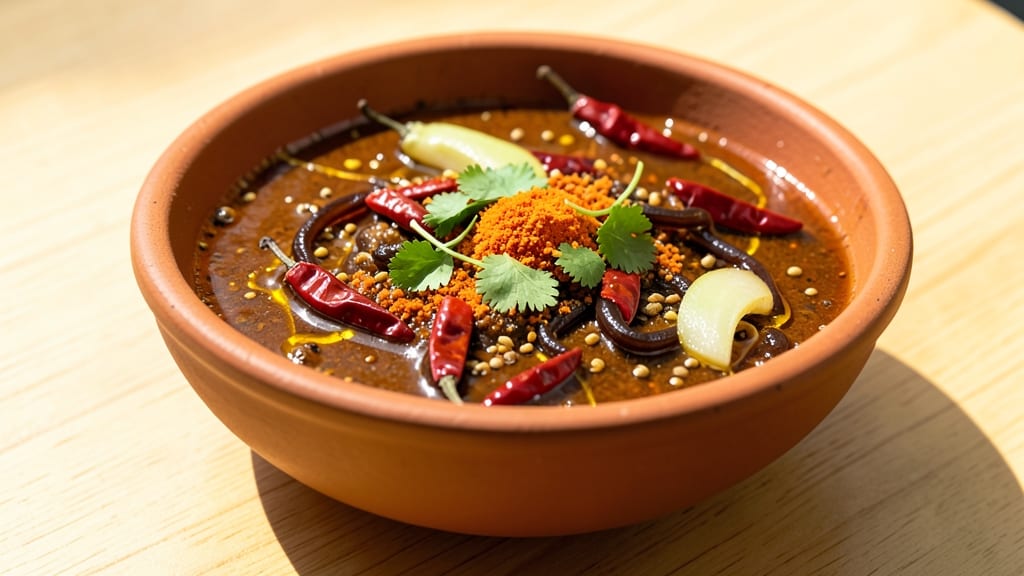
This achari sauce recipe transforms simple meals into vibrant, flavor-packed dishes with just a few spoonfuls. The tangy, spicy blend of pickled vegetables, aromatic spices, and tangy tamarind creates a condiment that elevates dal, dosas, and rice bowls to restaurant-quality.
I developed this version after years of experimenting with South Indian flavors—balancing heat, sourness, and umami for a sauce that’s bold yet versatile.
The foundation of great achari sauce lies in its layered flavors: mustard seeds and cumin toasted to perfection, pickled mango and chili adding depth, and tamarind lending that signature tang.
Unlike store-bought versions, this recipe lets you control the spice level and texture—whether you prefer a smooth paste or a chunky condiment. The slow simmering process deepens the flavors, ensuring every bite is packed with complexity.
What makes this sauce truly special is its ability to transform basic dishes into something extraordinary. A spoonful brightens steamed rice, enhances the earthiness of lentils, or adds a zesty kick to dosas.
The recipe yields enough for multiple meals, and the sauce keeps well in the fridge for up to two weeks, making it a pantry staple for spice lovers.
Ready to master this essential condiment? The process is straightforward, but the results are anything but ordinary. Let’s get started—your taste buds will thank you.
Ingredients for achari sauce
Ten bold flavors that transform rice and curries into restaurant-quality meals.
| Ingredient | Amount | Notes |
|---|---|---|
| Mustard Seeds 🌿 | 1 tbsp | Whole seeds for toasting |
| Cumin Seeds 🌿 | 1 tbsp | Toasted for aroma |
| Dried Red Chilies 🌶️ | 4 whole | Kashmiri or bird's eye |
| Pickled Mango Powder 🍈 | 2 tbsp | Or 1/4 cup fresh mango |
| Tamarind Paste 🍯 | 2 tbsp | Unsweetened for tang |
| Fresh Ginger 🧅 | ½ inch | OR 1 tbsp grated ginger |
| Asafoetida Powder 🌿 | ¼ tsp | Optional for depth |
| Fresh Coriander Leaves 🌿 | ¼ cup | Chopped for garnish |
| Coconut Oil 🫒 | ¼ cup | For slow toasting |
| Salt 🧂 | 1 tsp | Adjust to taste |
The spices are where the magic happens. Whole mustard and cumin seeds need toasting in hot oil until they pop—this releases their full aroma. Kashmiri chilies add color and mild heat, while bird's eye brings serious kick. For the mango, powdered amchur from Indian markets is ideal, but fresh mango purée works too. I always grab my spices from Penzeys or bulk bins at Whole Foods—they stay fresher longer. The tamarind should be unsweetened; trader tamarind from Latin markets is my go-to.
No pickled mango powder? Fresh mango purée works in a pinch, but reduce other liquids slightly. Short on asafoetida? Garlic powder at half the amount mimics its depth. The ginger can be fresh or powdered—just adjust the quantity. For a smoother sauce, blend everything after simmering; for texture, leave some whole. The coriander leaves should be added at the end—they wilt quickly in heat. If you're sensitive to heat, remove the seeds from the chilies before blending.
This sauce keeps beautifully—up to 2 weeks in the fridge when stored in a sealed jar. For longer storage, freeze portions in ice cube trays. The flavors actually deepen over time, making it perfect for batch cooking. I always double the recipe so I have some ready for spontaneous rice bowls. To revive, simply warm with a splash of water—no need to add oil. The sauce pairs perfectly with dosas, dal, or even as a marinade for tofu.
Why You'll Love This Recipe
- Five-Minute Stir: I swear, this sauce comes together faster than I can say "tamarind paste." Toast the mustard and cumin seeds in a dry pan—that sizzle is my cue to grab the chilies and powder. No chopping, no peeling, just a quick temper and you’re done. Honestly, the hardest part is waiting for it to cool.
- Tangy, Smoky Magic: Between us, the pickled mango powder and tamarind paste hit different. That sweet-sour punch wakes up every dish, whether it’s drizzled on dosas or tossed with roasted veggies. The dried chilies add a smoky depth that’s dangerously addictive—once you taste it, you’ll reach for it like it’s the last spoon in the jar.
- Dosa Day or Dinner Party: This sauce is my secret weapon for lazy Sundays and when Auntie drops by unannounced. Slather it on crispy dosas for breakfast, mix it into dal for lunch, or even drizzle it over grilled chicken for dinner. I’ll be real: it’s the one sauce that turns my simplest meals into "I’m actually cooking" moments.
- Leftovers That Don’t Let You Down: Make a big batch—it keeps in the fridge for weeks without losing its kick. That pickled mango powder keeps it vibrant, and the tamarind paste ensures it doesn’t dry out. Plus, it’s cheap to make; a little goes a long way, and my wallet thanks me every time I pull it out for another weeknight rescue.
Step-by-step instructions for achari sauce
This vibrant, tangy sauce comes together through careful toasting and blending—each step unlocks deeper flavor.
Toast the Whole Spices in Coconut Oil
Heat the 0.25 cup coconut oil in a heavy-bottomed pan over medium-low heat. Add the 1 tbsp mustard seeds and 1 tbsp cumin seeds—they'll dance and pop within 30 seconds. Watch closely; the moment they release their nutty aroma, add the 4 whole dried red chilies. Toast these together for 1-2 minutes until the spices turn deep golden and fragrant.
This slow toasting prevents burning while developing complex flavors. If the oil starts to smoke, reduce heat immediately. Once toasted, remove from heat and let cool slightly—this prevents the oil from splattering when you add other ingredients later. I like to spread the spices on a plate to cool faster, preserving their fresh aroma.
Grind the Toasted Spices with Ginger and Asafoetida
While the spices cool, peel the 0.5 inch fresh ginger and cut it into small chunks. In a clean spice grinder or mortar and pestle, combine the cooled spice mixture with the ginger and 0.25 tsp asafoetida powder. Grind into a fine powder—you want a consistency similar to wet sand. If using a mortar, press firmly to break down the spices completely.
Here's the thing—asafoetida adds an umami depth that's essential for authentic achari flavor. If you're sensitive to its strong aroma, reduce to 0.125 tsp or omit entirely. The grinding process should take about 1 minute—stop occasionally to scrape down the sides and ensure even blending. The mixture should smell intensely spicy, tangy, and slightly sweet from the ginger.
Combine with Tamarind and Pickled Mango
In a mixing bowl, dissolve the 2 tbsp tamarind paste in 1 cup warm water until smooth. Add the ground spice mixture, 2 tbsp pickled mango powder, and 1 tsp salt. Stir vigorously for 2 minutes until fully incorporated. The tamarind should create a glossy, slightly sticky paste—this is your base for balancing flavors.
For the pickled mango powder, I prefer using the powdered version for convenience, but fresh mango works too. If using fresh, blend ¼ cup finely chopped pickled mango (with some liquid) and strain through a fine sieve to remove seeds. The sauce should now have a vibrant orange-red hue from the chilies and mango, with a tangy aroma from the tamarind. Taste and adjust salt—achari needs to be bold, so don't hold back.
Simmer and Reduce for Depth
Transfer the mixture to a saucepan and cook over medium heat for 10-12 minutes, stirring frequently. The sauce will thicken as moisture evaporates, developing a concentrated flavor. You're looking for a consistency where it coats the back of a spoon but isn't gluey—this should take about 8-10 minutes of active simmering.
Here's where the magic happens: the tamarind's acidity mellows while the spices deepen. If the sauce becomes too thick, add 1-2 tablespoons water at a time. For extra richness, stir in 1 tablespoon coconut oil at the end. Remove from heat and let cool completely before storing—this prevents mold growth from the moisture content.
Finish with Fresh Coriander and Store
Once cooled to room temperature, stir in the 0.25 cup fresh coriander leaves. This adds a bright, herbal contrast to the intense spices. The coriander should be finely chopped to distribute evenly—use a knife or pulse briefly in a food processor. Taste again and adjust seasoning if needed; achari sauce should be bold, tangy, and slightly sweet with a lingering heat.
Transfer to a clean, airtight jar and store in the refrigerator for up to 2 weeks. For longer storage, freeze portions in ice cube trays—thaw as needed for curries, rice dishes, or even marinades. The sauce will intensify in flavor over time, so use it within the first week for peak freshness. This versatile blend transforms simple dishes into restaurant-worthy meals with minimal effort.
Pro Tips For Making Achari Sauce
- Bloom the Spices Slow: Start your mustard seeds and cumin on medium-low heat—no need to rush. I learned this the hard way when my sauce turned bitter from burning the seeds. Let them sizzle gently for 30 seconds before adding chilies, or you’ll regret the acrid taste later.
- Toast, Don’t Burn: Dried red chilies need just 10-15 seconds in the oil—enough to turn them fragrant, not charred. Over-toasting turns them bitter, and no amount of tamarind can fix that. Keep your eye on them like a hawk.
- Soak the Tamarind: Skip the clumpy mess by soaking tamarind paste in warm water for 5 minutes before using. This makes it dissolve smoothly into the sauce, saving you from scraping stubborn bits off the pan. Trust me, your future self will thank you.
- Balance the Mango Powder: Start with half the pickled mango powder called for—you can always add more, but fixing an overpowering tang is a nightmare. Taste as you go, especially if your tamarind is extra sour. A little goes a long way.
Perfect pairings for this recipe
Rice Bowl Elevation
Achari sauce transforms simple steamed rice into a vibrant, flavor-packed meal. Stir 1-2 tablespoons into warm basmati rice with ½ cup cooked lentils and top with toasted cashews.
For extra richness, drizzle with 2 teaspoons coconut yogurt and garnish with cilantro leaves. The tangy-spicy sauce cuts through the rice's mildness while adding depth. 🌟
Dal Transformation
Add 1 tablespoon achari sauce to simmering dal in the final 5 minutes of cooking. The sauce's acidity brightens the earthy lentils, while the spices enhance their natural creaminess.
For a complete meal, serve with whole wheat roti and a side of cucumber raita. The contrast between the cooling yogurt and fiery sauce is pure magic. ✨
Dosa Drizzle
2 tablespoons achari sauce with 1 tablespoon coconut oil and brush onto warm dosas before serving. The sauce soaks into the crispy layers, infusing them with bold flavors. Pair with mint chutney for a South Indian feast that feels restaurant-worthy. 🌶️
Grilled Tofu Marinade
Use achari sauce as a marinade for grilled tofu—mix 3 tablespoons sauce with 1 tablespoon coconut oil and let tofu soak for 30 minutes. The tangy-spicy blend caramelizes beautifully on the grill, creating a smoky crust.
Serve with steamed greens and a side of rice for a protein-packed vegetarian meal. The sauce's complexity makes even simple tofu unforgettable.
Curry Base Booster
Stir 1 tablespoon achari sauce into vegetable or chickpea curries to deepen their flavor profile. The sauce's acidity balances the richness of coconut milk-based curries, while its spices add layers of heat.
For extra brightness, finish with fresh lemon juice and a sprinkle of toasted cumin seeds. This trick elevates any curry from ordinary to extraordinary. 💫
Pickled Onion Pairing
Serve achari sauce alongside pickled onions for a double dose of tangy-spicy goodness. The bright yellow onions complement the sauce's orange-red hue, creating a visually stunning plate.
Try this combo with grilled paneer skewers or as a topping for mashed potatoes. The contrast in textures and flavors makes every bite exciting.
Nutrition facts
Frequently asked questions
Can I substitute tamarind with lemon juice in achari sauce?
Yes, but the flavor will differ slightly. Use 1.5 tablespoons lemon juice for every 2 tablespoons tamarind paste, but expect less depth and a sharper tang. Tamarind provides a complex, slightly sweet-sour balance that lemon can't fully replicate. For best results, stick with tamarind—it's essential for authentic achari flavor.
How do I adjust the spice level in this sauce?
For milder heat, remove the seeds from dried chilies before toasting. If you prefer more kick, add 1 extra chili or a pinch of cayenne pepper. For extra spice without heat, use ½ teaspoon ground Kashmiri chili powder instead of whole chilies. Always taste as you go—achari should be bold, not overwhelming.
Can I make achari sauce without pickled mango?
Use ¼ cup amchur (dry mango powder) or 2 tablespoons lime juice instead. For depth, add ½ teaspoon sugar to balance acidity. The sauce will still be tangy and spicy, just with a different fruit profile. This version works perfectly for dosas or rice bowls.
Why does my achari sauce smell stronger than it tastes?
This happens when spices aren't toasted properly or the sauce isn't simmered long enough. For better flavor extraction, toast spices until they're deep golden and simmer for the full 10-12 minutes. If the aroma is overwhelming but taste is weak, add 1 tablespoon more tamarind and reduce again. Patience is key—rushing leads to underdeveloped flavors.
How much achari sauce should I use for a large batch of dal?
Start with 2 tablespoons per 2 cups of cooked dal and adjust to taste. For extra richness, add 1 teaspoon coconut oil to the dal before mixing in the sauce. The sauce should enhance, not overpower—the dal's natural flavors should still shine through. Taste before serving and add more if needed.