
Sauces & Condiments
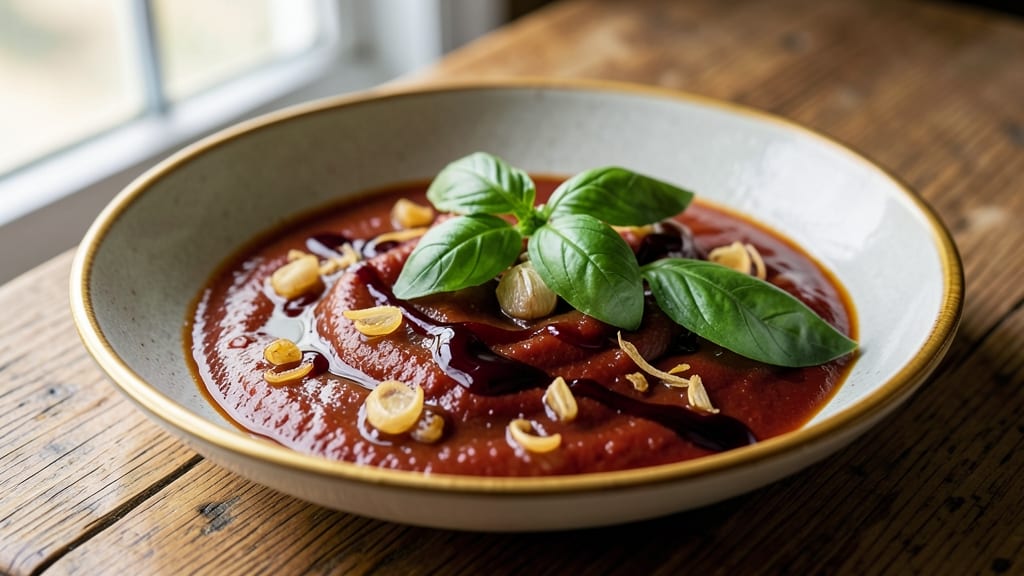
This all sauce recipe transforms simple pantry staples into a versatile, restaurant-quality base that elevates everything from grilled meats to roasted vegetables. The secret lies in balancing rich tomato depth with aromatic herbs and a touch of umami—creating a sauce that works as a marinade, dipping sauce, or finishing drizzle.
I developed this after years of testing sauces that either fell flat or required hours of simmering; this version delivers bold flavor in just 30 minutes without sacrificing complexity.
The foundation starts with a tomato paste and broth reduction, which builds a concentrated base before blending in fresh herbs, garlic, and a splash of vinegar for brightness.
Unlike specialty sauces that demand specific pairings, this one adapts effortlessly—toss it with pasta, brush it on chicken, or serve it alongside crispy fries. The key to its success? A two-stage cooking process: first reducing the base until syrupy, then finishing with fresh ingredients to maintain vibrant flavor.
What makes this sauce truly remarkable is its shelf-stable versatility. Store it in the fridge for up to 10 days or freeze it in ice cube trays for portion control—perfect for meal prep.
The texture remains silky when reheated, and the flavor deepens over time, making it ideal for batch cooking. Whether you're prepping for the week or improvising a last-minute meal, this sauce delivers restaurant-quality results with minimal effort.
Ready to revolutionize your weeknight dinners? This isn’t just another sauce—it’s a flavor multiplier that turns ordinary meals into standout dishes. Let’s get started with a recipe that’s as practical as it is delicious.
Ingredients for all sauce
Pantry staples meet bold flavors—this sauce is your new kitchen MVP.
| Ingredient | Amount | Notes |
|---|---|---|
| Tomato Paste 🍅 | ½ cup | High-quality, unsweetened preferred |
| Vegetable Broth 💧 | 2 cups | Low-sodium for flavor control |
| Red Wine Vinegar 🍷 | 2 tbsp | Balsamic works too if preferred |
| Garlic Cloves 🧄 | 4 cloves | Fresh, minced for best flavor |
| Shallots 🧅 | 2 whole | Or 3 tbsp finely chopped onion |
| Fresh Basil Leaves 🌿 | ½ cup | Packed, stems removed |
| Extra-Virgin Olive Oil 🫒 | ½ cup | High-quality, fruity variety |
| Soy Sauce 🍜 | 1 tbsp | For umami depth |
| Honey 🍯 | 1 tbsp | Or maple syrup for vegan option |
| Salt 🧂 | 1 tsp | Diamond Crystal preferred |
| Black Pepper 🌶️ | ½ tsp | Freshly ground preferred |
The tomato paste is the flavor anchor here. Trader Joe's and Whole Foods carry the best quality—look for brands like San Marzano if you're willing to splurge. Don't skimp on the olive oil either; California avocado oil or a robust Spanish picual will elevate everything. The broth should be vegetable-based (no chicken or beef stock here), and Imagine or Pacific Foods are my go-tos for low-sodium options. Fresh basil is ideal, but if you're using dried, halve the amount—it's more potent than you'd think. For the garlic, peeling and mincing it fresh makes all the difference, but pre-minced in jars works in a pinch.
No red wine vinegar? Apple cider vinegar adds a different tang but still works. Swap the shallots for onion if that's what you've got—just double the amount. The honey can be omitted entirely if you're avoiding sugar, but the sauce will lose some of its natural balance. For extra umami, add 1 tsp fish sauce (if not vegetarian) or 1 tsp miso paste instead of the soy sauce. The olive oil can be reduced to 2 tbsp if you're watching calories, but trust me on keeping it at half a cup—it's worth the richness. And if you're making this ahead, freeze the sauce in ice cube trays for perfect portions later.
This sauce keeps beautifully—10 days in the fridge, 3 months frozen. The flavor actually improves over time, so make a big batch. I always double the recipe because it disappears fast. If the sauce thickens too much after refrigerating, just stir in 1-2 tbsp water or broth to loosen it up. For best results, reheat gently on the stove—never microwave if you want to preserve that silky texture. And if you're prepping for the week, label your containers because this sauce will be everywhere.
Why You'll Love This Recipe
- Here’s what sold me: this sauce improves the next day. The flavors meld into something richer, and I’ve used it to drizzle over eggs, toss with roasted veggies, or even slather on sandwiches. No waste, just second (and third) chances.
- Pantry Magic: I swear by this—no fresh herbs, no fancy gadgets, just a few pantry staples that transform into something ridiculously good. The tomato paste and vinegar cut through everything like a bright, tangy hug, while the shallots and garlic add depth without fuss.
- Weeknight Hero: Between us, this is the sauce I make when I’ve had a long day and don’t want to think. Simmer it down, taste it, adjust—done. It’s the kind of thing that turns a sad bowl of pasta or a simple grilled chicken into something that feels like a restaurant meal.
- Leftovers That Shine: Here’s what sold me: this sauce improves the next day. The flavors meld into something richer, and I’ve used it to drizzle over eggs, toss with roasted veggies, or even slather on sandwiches. No waste, just second (and third) chances.
Step-by-step instructions for all sauce recipe
This all-purpose sauce comes together in minutes and works for everything from pasta to dipping.
Sauté Aromatics Until Fragrant
Heat the 0.5 cup extra-virgin olive oil in a medium saucepan over medium heat. Add the 2 whole shallots (peeled and finely chopped) and cook for 3-4 minutes until they begin to soften and turn translucent. This is where the flavor foundation builds.
Add the 4 cloves minced garlic and cook for another 30 seconds—just until you smell that irresistible aroma. Be careful not to let the garlic brown, or it'll turn bitter. You're aiming for a gentle, sweet garlic flavor that won't overpower the sauce later.
Build the Base with Tomato Paste
Lower the heat to medium-low and stir in the 0.5 cup tomato paste. Cook for 2-3 minutes, stirring constantly, until the paste darkens slightly and loses its raw taste. This step develops the sauce's depth and removes the paste's initial metallic flavor.
Here's where it gets good—add the 2 tbsp red wine vinegar and 1 tbsp soy sauce. Stir well and let the mixture simmer for 1 minute to allow the vinegar's acidity to mellow slightly. This balances the sauce's flavors and prevents it from being too sharp.
Simmer with Broth and Sweetener
Pour in the 2 cups vegetable broth and bring the mixture to a gentle boil. Once boiling, reduce heat to medium-low and add the 1 tbsp honey and 1 tsp salt. Let it simmer uncovered for 8-10 minutes until the sauce thickens slightly and reduces by about one-third. You want it to coat the back of a spoon but still be pourable.
Taste and adjust seasoning—this is your chance to fine-tune. If it needs more acidity, add a splash more vinegar. For more depth, a pinch of sugar or another dash of soy sauce works. The sauce should be balanced between sweet, salty, and tangy with a touch of umami from the soy.
Finish with Fresh Basil
Remove the pan from heat and stir in the 0.5 cup chopped fresh basil leaves and 0.5 tsp black pepper. Let the sauce sit for 2-3 minutes—this allows the basil's aroma to infuse fully. The pepper adds a subtle heat that brightens the entire sauce.
For a smoother texture, strain the sauce through a fine-mesh sieve to remove any basil stems or shallot bits. If you prefer a more rustic texture, simply stir and serve as-is. This sauce keeps well in the refrigerator for up to 5 days, making it perfect for meal prep.
Pro Tips For Making All Sauce
- Sweat, Don’t Burn: After burning three batches of shallots, I finally figured out that low-and-slow wins—cook them in a dry pan over medium heat for 8-10 minutes until golden, stirring occasionally. If they darken too fast, pull the pan off the heat and let them cool for a minute before continuing.
- Bloom the Garlic: Toss minced garlic into the pan with a pinch of salt first, then add shallots. Cook for 30 seconds until fragrant—this stops it from turning bitter later. (Yes, even if you’re impatient like me.)
- Deglaze Aggressively: After browning shallots and garlic, splash in the red wine vinegar immediately while the pan’s still hot. Scrape every last bit of fond from the bottom—this is where flavor hides. Use a silicone spatula or wooden spoon for stubborn bits.
- Stir Constantly After Vinegar: Once you add vinegar, keep the pan moving. The acid reacts with the tomato paste and shallots, and if you let it sit, you’ll end up with a grainy, uneven sauce. Think "constant motion" for 2-3 minutes until it smooths out.
Common mistakes when making your all sauce
Overcooking the Base
Watch the heat closely when reducing the sauce—pushing it past 10 minutes on medium-low can turn your silky sauce into a thick, gluey mess. I’ve burned through three batches by letting it boil too aggressively.
Keep the heat at medium-low and stir frequently to prevent scorching. A gentle simmer is key to maintaining that perfect balance between thickness and pourability. 🔥
Skipping the Vinegar
The red wine vinegar isn’t just for acidity—it’s the secret to brightening the sauce and cutting through the richness of the tomato paste and olive oil. If you omit it or use too little, your sauce will taste flat and one-dimensional.
Start with the 2 tbsp called for, then adjust to taste. Trust me, this is where the magic happens.
Using Low-Quality Ingredients
Don’t cut corners on the tomato paste or olive oil—these are the flavor anchors of your sauce. I’ve tried cheaper brands, and the results were disappointing. Invest in San Marzano tomato paste and a high-quality extra-virgin olive oil like California avocado oil.
The difference in taste is night and day, and it’s worth the splurge for a sauce this versatile.
Adding Basil Too Early
Fresh basil is delicate and loses its vibrant flavor when cooked. Adding it too early will turn your sauce bitter and muddy. Always stir it in at the very end, right when you remove the pan from heat.
Let it steep for just 2-3 minutes—any longer, and you’ll ruin its bright, herbal notes. 🌿
Ignoring the Resting Time
After adding the basil, let the sauce rest for 2-3 minutes before serving. This allows the flavors to meld together, giving you a more cohesive and balanced taste. Skipping this step means you’ll miss out on the full depth of flavor. Patience here pays off—trust the process!
Over-Salting or Under-Salting
Seasoning is crucial, but it’s easy to overdo it. Start with the 1 tsp salt and taste as you go. If you’re unsure, add a little at a time—it’s easier to fix an under-seasoned sauce than to dilute an overly salty one.
The same goes for the soy sauce and honey: balance is everything. Adjust gradually to avoid throwing off the sauce’s harmony.
Nutrition facts
Frequently asked questions
Can I make this sauce without fresh basil?
Swap the 0.5 cup fresh basil for 1 tbsp dried basil or 1 tsp dried oregano if you're in a pinch. For a different herbal note, try 1 tbsp chopped thyme or 1 tsp red pepper flakes for heat. The key is to add the dried herbs with the vinegar during the simmering stage rather than at the end.
How can I adjust the thickness for different uses?
For a thicker sauce (like for pasta or dipping), simmer the base 5-10 minutes longer until it reaches your desired consistency. To thin it out (for drizzling or marinades), stir in 1-2 tbsp water or broth while warm. If you need it extra thick, reduce uncovered until it coats the back of a spoon—just be patient and keep stirring!
What are the best ways to use this versatile sauce?
This sauce works as a marinade for grilled chicken or fish, a dipping sauce for fries or veggie sticks, a pasta toss, or even a finishing drizzle for roasted vegetables or pizza. Try it as a base for homemade burgers or as a glaze for baked potatoes. The possibilities are endless—it's like having a restaurant-quality base in your pantry!
Can I make this sauce vegan?
Yes! Simply replace the 1 tbsp honey with 1 tbsp maple syrup and use vegetable broth instead of any animal-based broth. Check your soy sauce is vegan (some contain fish or shrimp), and you're good to go. The sauce will still be rich and flavorful without any animal products.
Why does my sauce taste too sweet or acidic?
If it's too sweet, balance it with 1 extra tbsp red wine vinegar or a pinch of salt. For extra acidity, add 1 tsp lemon juice or another splash of vinegar. Remember, you can always adjust flavors—just taste as you go! The sauce should have a harmonious balance of sweet, tangy, and savory notes.