
Sauces & Condiments
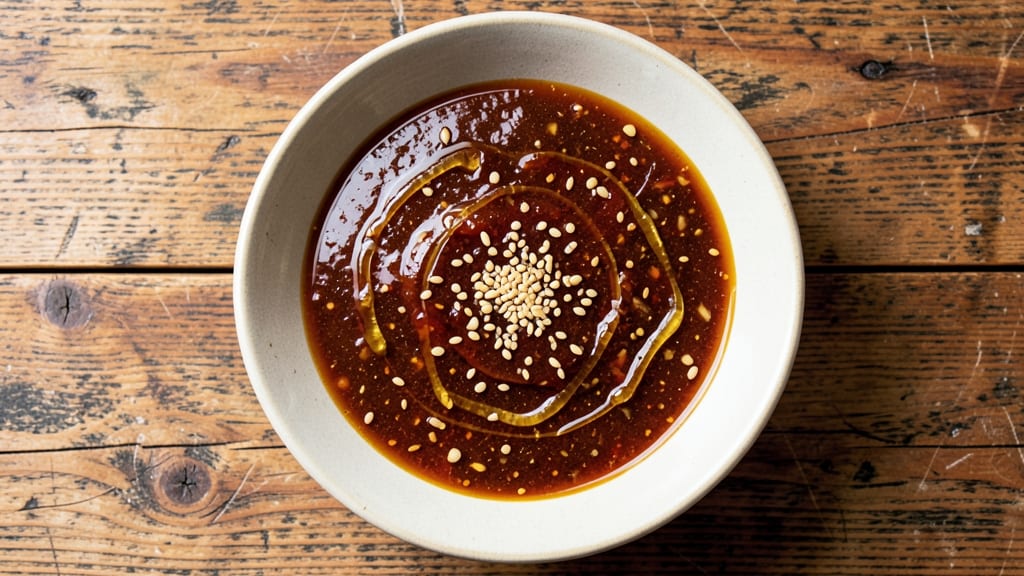
This all-purpose stir-fry sauce recipe transforms ordinary stir-fries into restaurant-quality meals with just 5 minutes of prep time and bold umami depth.
The secret lies in balancing traditional ingredients like soy sauce and oyster sauce with aromatic garlic, ginger, and a touch of honey for sweetness—creating a sauce that elevates everything from quick weeknight dinners to marinades and glazes.
What sets this sauce apart is its versatility and shelf stability. The combination of fish sauce for umami, a splash of sesame oil for nuttiness, and a hint of cornstarch for thickness ensures it works as a stir-fry base, marinade, or even a dipping sauce.
I developed this recipe after years of testing—it’s the one I reach for when I need flavor without fuss.
The result is a rich, glossy sauce that clings to vegetables, meats, and tofu, infusing them with layers of savory, slightly sweet, and aromatic complexity.
Best of all, it keeps well in the fridge for up to two weeks or freezes perfectly for months, so you’ll always have a pantry staple ready to transform any dish.
Whether you're cooking for one or feeding a crowd, this sauce delivers consistent, professional-quality results every time. Ready to make your stir-fries shine?
Ingredients for all purpose stir fry sauce
Pantry staples meet bold Asian flavors—this sauce delivers restaurant-quality depth in minutes.
| Ingredient | Amount | Notes |
|---|---|---|
| Light Soy Sauce 🥢 | ½ cup | Kikkoman preferred for balance |
| Oyster Sauce 🦪 | ¼ cup | Lee Kum Kee for authentic umami |
| Fish Sauce 🐟 | 1 tbsp | Red Boat for cleanest flavor |
| Sesame Oil 🫒 | 1 tbsp | Toasted, not flavored |
| Honey 🍯 | 1 ½ tbsp | Wildflower for floral depth |
| Garlic Cloves 🧄 | 3 cloves | Freshly minced, not pre-minced |
| Fresh Ginger 🌿 | 1 tbsp | Grated, not powdered |
| Cornstarch 🌾 | 1 tsp | For glossy finish |
| Rice Vinegar 🍶 | 1 tbsp | Seasoned preferred |
| Sesame Seeds 🥜 | 1 tsp | Toasted for garnish |
The soy sauce and oyster sauce combo is non-negotiable for that classic stir-fry depth. Kikkoman soy sauce is my go-to for its clean, balanced flavor—avoid the reduced-sodium versions here, you want that salty punch. For oyster sauce, Lee Kum Kee is the gold standard, but Red Boat's oyster-free version works if you're avoiding shellfish. Fish sauce might be the most polarizing ingredient, but trust me—it's what gives this sauce that unmistakable umami kick. Red Boat is my brand of choice because it's clean, potent, and free from additives. If you're avoiding fish sauce, a dash of vegetable-based fish sauce substitute (like Thai Kitchen brand) works in a pinch, though it won't be quite as complex.
No sesame oil? Toasted peanut oil is a great swap—just know it'll have a different nutty profile. Fresh garlic and ginger are worth the effort here—pre-minced or powdered just won't cut it. The cornstarch is your secret weapon for that glossy finish, but if you're gluten-free, use arrowroot powder instead. For the honey, any variety works, but wildflower has the most interesting floral notes. Pro tip: if you're making this ahead, add the cornstarch right before using—it thickens when it hits heat. And if you're feeling fancy, toast your sesame seeds in a dry pan for 30 seconds before adding them to the sauce—they'll be so much more aromatic.
This sauce keeps beautifully in an airtight container in the fridge for up to two weeks, though I usually go through it faster than that. For longer storage, freeze it in ice cube trays—just thaw and stir when you're ready to use. The flavor actually improves after a day or two as everything melds together. If it thickens too much in the fridge, just add a splash of water or rice vinegar to loosen it up. And if you make a double batch, you'll have sauce on hand for everything from quick stir-fries to marinades and glazes—trust me, you'll be glad you did.
Why You'll Love This Recipe
- Pantry Magic: I’ve made this sauce a dozen times—no shopping lists, no extra trips. Just open five jars in my cabinet, stir, and boom—flavor. Honestly, the fish sauce might smell intense at first, but that’s exactly why it works.
- Umami Bomb: The combo of oyster and fish sauce hits different. Sweet from the honey, salty from the soy, and that sesame oil? It’s the secret weapon that makes even frozen veggies taste like you slaved over them. (Yes, even on a Tuesday night.)
- Meals for Days: This sauce keeps for weeks in the fridge, so I batch it when I’m prepping for the week. Toss it with chicken, noodles, or tofu—hell, even eggs—and suddenly you’ve got dinner covered. My lunchbox never looks the same twice.
- Budget Stretch: A few dollars’ worth of ingredients stretches to feed four people for under $10. Between us, that’s more takeout than I get in a month, and I’m the one holding the spatula. Not the prettiest, but the taste makes up for it.
Step-by-step instructions for all-purpose stir fry sauce
This umami-packed sauce comes together faster than you can say "wok hei."
Mince Garlic and Grate Ginger
Start by peeling and mincing the 3 cloves garlic cloves into a fine texture—you want tiny pieces that dissolve completely. I like to use the flat side of my chef's knife for this; it gives me more control than a garlic press. In a separate small bowl, grate the 1 tablespoon fresh ginger using a microplane or fine grater. The goal is a smooth paste with no visible strings or chunks—this ensures your sauce has a silky texture and no gritty bits.
Here's the thing—fresh ginger and garlic are non-negotiable. Powdered versions lack the bright, complex flavors that make this sauce truly special. If you're pressed for time, you can pulse them briefly in a food processor, but I find hand-mincing gives the most aromatic results. Set these aside for now—they'll infuse the sauce with their signature punch.
Combine Wet Ingredients in a Saucepan
In a medium saucepan, combine the 0.5 cup light soy sauce, 0.25 cup oyster sauce, 1 tbsp fish sauce, 1 tbsp sesame oil, and 1.5 tbsp honey. I always use a saucepan with high sides—it prevents spills when the mixture bubbles. Place the pan over medium heat and let it come to a gentle simmer, stirring occasionally with a wooden spoon.
This is where the magic begins. The heat will activate the umami compounds in the soy and oyster sauces, while the honey starts to dissolve into a smooth, golden liquid. You'll notice the aroma changing—earthy from the soy, sweet from the honey, with that unmistakable funk from the fish sauce. Let it simmer for 3-4 minutes until the mixture reduces slightly and becomes slightly syrupy in texture. Don't walk away—this is the moment that matters.
Add Aromatics and Simmer
Once the wet ingredients are simmering gently, add the minced garlic and grated ginger. Stir constantly for 1-2 minutes—you want those aromatics to soften and release their oils without burning. You'll see the mixture turn a deeper amber color and smell like a bustling Asian street market. The garlic should be completely incorporated, with no visible flecks remaining.
Real talk: if the sauce starts to smell harsh or acrid, you've gone too far. The garlic should be fragrant but not bitter. If this happens, remove the pan from heat immediately and let it cool slightly before proceeding. The goal is to enhance the flavors, not overpower them with burnt aromatics. Keep the heat at medium-low to maintain gentle simmering.
Thicken with Cornstarch Slurry
In a small bowl, whisk together the 1 tsp cornstarch with 1 tablespoon cold water until completely dissolved. This creates a smooth slurry that will thicken your sauce beautifully. Pour this mixture into the simmering sauce and stir constantly for 1-2 minutes until the sauce thickens noticeably and coats the back of a spoon.
You're looking for a glossy, velvety consistency—thick enough to cling to stir-fried vegetables and meats, but still pourable. If it thickens too quickly, add 1-2 teaspoons of water to adjust the texture. The cornstarch works by absorbing liquid and then re-releasing it when heated, creating that signature glossy finish. This step transforms your sauce from a simple marinade into a restaurant-quality coating.
Finish with Rice Vinegar and Garnish
Remove the sauce from heat and stir in the 1 tbsp rice vinegar. This final ingredient brightens the entire sauce, cutting through the richness of the soy and honey. Taste and adjust seasoning—you might want to add a touch more soy sauce for saltiness or honey for sweetness, depending on your preference. The sauce should be balanced: salty, sweet, umami, and slightly tangy.
For serving, transfer the sauce to a small bowl and sprinkle with 1 tsp sesame seeds. These add texture and visual appeal, plus their nutty flavor complements the sauce perfectly. This sauce keeps well in the refrigerator for up to 1 week, making it perfect for meal prep. When ready to use, simply reheat gently over low heat—no need to thicken again as the cornstarch slurry creates a stable base.
Pro Tips For Making All Purpose Stir Fry Sauce
- Whisk Before Heating: Mix your sauce cold—light soy, oyster, fish sauce, and honey—until fully combined before even thinking about sesame oil. I learned this the hard way: adding sesame oil to unmixed sauce creates clumps that never dissolve, no matter how much you stir later. Trust me, 30 seconds of whisking now saves you from scraping your pan later.
- Taste the Fish Sauce: Fish sauce is salty and funky—way saltier than you’d guess. Add just ½ teaspoon at a time, taste, then wait 10 seconds before adjusting. Your sauce will thank you: too much turns your stir-fry into a salty mess, but too little means you’re missing that umami depth.
- Heat Sesame Oil Last: Sesame oil burns faster than you’d think. Warm your other ingredients first, then remove the pan from heat and stir in the sesame oil off the flame. The residual heat will infuse it without turning your sauce bitter. (Yes, even if you’re impatient like me.)
- Use Real Honey, Not Substitutes: That cheap "honey" syrup from the baking aisle adds sugar without the floral depth. Splurge on 1 tablespoon of actual honey—it balances the saltiness and adds a subtle complexity. I skip this shortcut, and the sauce tastes flat. No regrets when you do it right.
Wine and beer pairings for these flavors
Crisp White Wine
For stir-fries featuring delicate proteins like shrimp or tofu, a dry Riesling or Sauvignon Blanc from New Zealand cuts through the sauce's richness beautifully. The wine's bright acidity and citrus notes mirror the rice vinegar in the sauce, creating a refreshing contrast.
I love pairing this sauce with a Cloudy Bay Sauvignon Blanc—its herbal undertones complement the ginger and garlic in the sauce. Serve it slightly chilled to enhance the wine's crispness. 🍷
Light-Bodied Beer
When serving stir-fries with beef or chicken, opt for a light lager or pilsner to balance the sauce's umami depth. A Japanese Asahi Super Dry or Mexican Modelo Especial works perfectly—their clean, crisp profiles won't overpower the dish.
For a craft option, try a Belgian witbier like Hoegaarden, which adds a subtle spicy note that pairs well with the sesame seeds. Keep the beer well-chilled to maintain its refreshing quality. 🍺
Rosé for Balance
A dry Provence rosé is my go-to for vegetable stir-fries or tofu dishes—its delicate fruitiness and acidity complement the sauce's sweetness without clashing. Look for a Whispering Angel or Miraval rosé, both of which offer subtle floral notes that enhance the sesame and ginger flavors.
Serve it slightly cooler than room temperature to let its freshness shine. 🌸
Spiced Beer Pairing
For stir-fries with bold spices like chili or Sichuan peppercorns, a spiced wheat beer like Blue Moon or Allagash White adds an interesting contrast. The beer's vanilla and citrus notes play well with the sauce's umami, while the spices in the beer echo the heat in the dish.
This pairing works especially well with stir-fries featuring duck or spicy sausage. 🌶️
Nutrition facts
Frequently asked questions
Can I make this sauce without fish sauce?
Yes, you can substitute 1 tbsp of soy sauce plus 1 tsp of mushroom powder (or 1 tbsp vegan fish sauce alternative) to maintain umami depth. The sauce will still be delicious but may lack some complexity. The fish sauce is what gives this recipe its signature savory punch, so if you're avoiding it, consider adding an extra ½ tsp of garlic powder to enhance flavor.
How long does this sauce last in the fridge?
This all-purpose stir-fry sauce stays fresh in an airtight container in the fridge for up to 2 weeks. The flavors actually improve slightly as the ingredients meld together. For longer storage, freeze it in ice cube trays—thaw and stir when ready to use. The cornstarch slurry helps preserve texture during freezing.
What's the best way to use this sauce?
This versatile sauce works as a stir-fry base, marinade, or dipping sauce. For stir-fries, add 2-3 tablespoons at the end of cooking. As a marinade, use ¼ cup for 1 pound of protein (chicken, beef, or tofu) for 30-60 minutes. For dipping, serve it slightly thinned with water or broth. The possibilities are endless!
Why did my sauce get too thick?
If your sauce thickens too much, it's likely from the cornstarch slurry reacting with the heat. Simply add 1-2 teaspoons of water or rice vinegar to loosen it. For future batches, reduce the cornstarch to ½ tsp if you prefer a thinner consistency. The sauce should coat the back of a spoon but still be pourable.
Can I use this sauce in slow cooker recipes?
This sauce works beautifully in slow cooker dishes. For 1 pound of meat or vegetables, add ¼ cup** of sauce along with other seasonings. The sauce's balanced flavors hold up well during long cooking times. Just