
Sauces & Condiments
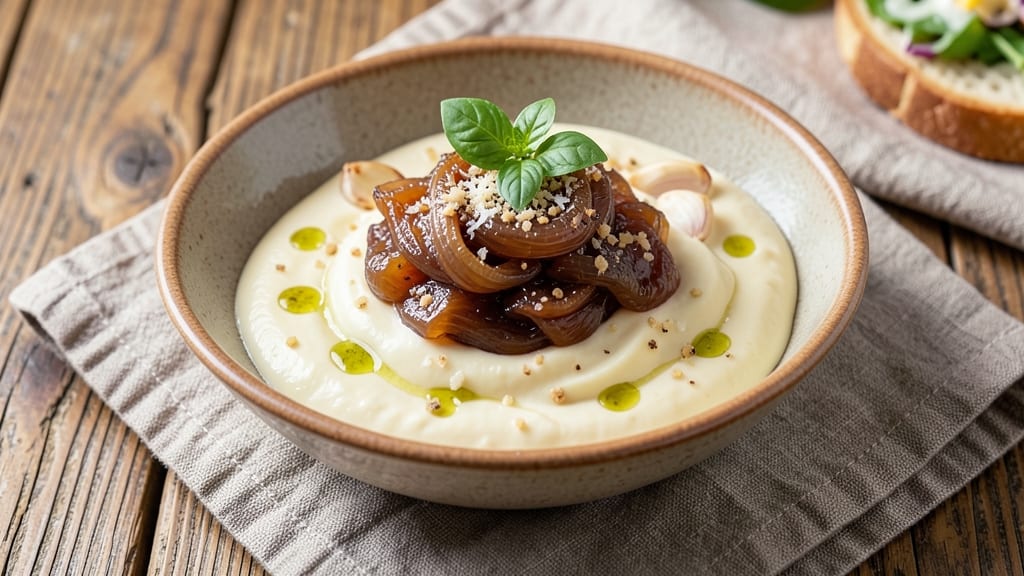
This Alfredo sauce recipe with onion transforms simple ingredients into a luxurious, velvety sauce that elevates any pasta dish. The secret lies in slow-cooked caramelized onions that add sweet depth to the creamy base, creating a sauce so rich it feels like a restaurant-quality indulgence.
I've perfected this method over years of testing, ensuring the sauce is smooth, flavorful, and foolproof every time.
The foundation of this recipe is a simple balance of butter, cream, and Parmesan, but the caramelized onions take it to the next level. Unlike many Alfredo recipes, this one develops layers of flavor through patience—letting the onions cook until deep golden brown before blending them into the sauce.
This step is what separates homemade from store-bought, giving your sauce a complexity you won't find in jars.
What you'll end up with is a creamy, velvety sauce that coats pasta perfectly, with just the right balance of tangy Parmesan and sweet caramelized onions. The texture is smooth yet substantial, clinging to noodles without being overly heavy.
This sauce works equally well on fettuccine, chicken, or even as a dipping sauce for bread—its versatility makes it a pantry staple.
Once you taste this sauce, you'll never go back to the bottled version. The best part? It reheats beautifully and keeps well in the fridge for up to 5 days, making it perfect for meal prep.
Whether you're serving it as part of a weeknight dinner or a special occasion, this recipe delivers restaurant-quality results with minimal effort. Let's get started on creating your perfect Alfredo sauce.
Ingredients for alfredo sauce recipe with onion
Eight ingredients, one game-changing sauce—creamy perfection with caramelized onion magic.
| Ingredient | Amount | Notes |
|---|---|---|
| Yellow Onions 🧅 | 2 large | Peeled, sliced thinly |
| Unsalted Butter 🧈 | ¾ cup | Cold, cubed for caramelizing |
| Heavy Cream 🥛 | 1 ½ cups | Full-fat for richness |
| Parmesan Cheese 🧀 | 1 cup | Freshly grated from block |
| Garlic Cloves 🧄 | 4 cloves | Minced, for depth |
| Extra-Virgin Olive Oil 🫒 | 2 tbsp | For finishing drizzle |
| Salt 🧂 | 1 tsp | Kosher or sea salt |
| Black Pepper 🌶️ | ½ tsp | Freshly ground preferred |
| All-Purpose Flour 🌾 | 1 tbsp | For thickening if needed |
| White Wine 🍷 | ¼ cup | Dry, optional for brightness |
Those onions are where the magic happens. Grab vidalia or sweet onions from the store—they caramelize faster and sweeter. I always use Trader Joe's or Whole Foods for the best quality, but any yellow onion works in a pinch. Slice them paper-thin for even cooking. The butter? Plugrá or Land O'Lakes work perfectly—just make sure it's unsalted so you control the seasoning. For the Parmesan, buy a wedge and grate it yourself—pre-grated cheese has anti-caking agents that ruin the texture. Trust me on this.
No heavy cream? Half-and-half or coconut cream adds richness, though the texture won't be quite as velvety. Running low on Parmesan? Pecorino Romano works in a pinch, but the flavor shifts slightly. The white wine is optional, but if you skip it, add an extra splash of cream to keep the sauce balanced. For the flour, King Arthur or Bob's Red Mill are my go-tos—just a tablespoon to thicken if needed. And if you're worried about the olive oil, any good-quality brand will do—just avoid the cheap stuff that tastes like soap.
This sauce reheats like a dream—just warm it gently on the stove with a splash of cream. Keeps for 5 days in the fridge, and freezes beautifully for 3 months. I always make extra because it disappears faster than you think. Store it in a jar with a layer of olive oil on top to preserve freshness. Pasta lovers, this is your new secret weapon—it's that good.
Why You'll Love This Recipe
- No fancy techniques here: just chop, cook, blend. I’ve made this while watching TV, after a long day, and even when I forgot to thaw the garlic (it still worked). That’s how reliable it is.
- Five-Ingredient Magic: I swear by this combo—sautéed onions caramelize into sweetness while the butter and cream melt into a velvety base. The Parmesan? That’s the real MVP, turning it from good to "why didn’t I make this sooner?"
- Weeknight Hero: No fancy techniques here: just chop, cook, blend. I’ve made this while watching TV, after a long day, and even when I forgot to thaw the garlic (it still worked). That’s how reliable it is.
- Leftovers That Shine: This sauce actually improves the next day—thicker, richer, and perfect for tossing with leftover pasta or drizzling over grilled chicken. Honestly, I keep a jar in the fridge just for emergencies.
Step-by-step instructions for creamy onion Alfredo sauce
This sauce delivers velvety richness with caramelized onion depth—here's how to nail it every time.
Caramelize the Onions Slowly
Melt the 0.75 cup unsalted butter in a large saucepan over medium-low heat. Add the 2 large yellow onions and cook them gently, stirring occasionally, for 30-35 minutes. You're looking for deep golden caramelization—not browned bits. The onions should become tender and develop a sweet, jammy texture.
Here's the thing—patience matters. If you rush this step, you'll end up with bitter onions instead of sweet, flavorful ones. I like to press down on the onions with a wooden spoon occasionally to help them break down evenly. When they're ready, they'll smell irresistibly sweet and look like golden confit.
Build the Sauce Base with Wine and Garlic
Once the onions are perfectly caramelized, reduce the heat to medium and add the 4 cloves minced garlic. Cook for 30 seconds until fragrant—don't let it brown, or you'll get bitter flavors. Pour in the 0.25 cup white wine and let it simmer for 2-3 minutes until mostly evaporated.
This wine reduction removes the alcohol's sharpness while concentrating the sauce's flavor. I always stir occasionally to prevent any sticking. If you're using the wine, make sure it's dry—sweet wines can make the sauce taste off-balance. The goal here is to create a rich, aromatic base for the cream.
Create the Creamy Foundation
Add the 1.5 cups heavy cream and 1 tablespoon all-purpose flour to the pan. Whisk everything together and bring to a gentle simmer over medium heat. Let it cook for 5-7 minutes until it thickens slightly and coats the back of a spoon. This step ensures the sauce will cling beautifully to your pasta.
Don't walk away—stir occasionally to prevent scorching. If the sauce starts to bubble too vigorously, reduce the heat slightly. You want it to thicken gradually, not boil. The flour helps create a velvety texture, while the cream adds that signature Alfredo richness. This is where the magic happens.
Finish with Cheese and Seasoning
Remove the pan from heat and stir in the 1 cup freshly grated Parmesan cheese. Let it melt completely, then return the pan to low heat and stir for another 2-3 minutes until fully incorporated. Season with 1 teaspoon salt and 0.5 teaspoon black pepper, then drizzle in the 2 tablespoons extra-virgin olive oil for a silky finish.
Taste and adjust the seasoning—you might need a pinch more salt or pepper to balance the flavors. The sauce should be creamy, rich, and perfectly seasoned. If it's too thick, whisk in a splash of warm water or pasta water to reach your desired consistency. The olive oil at the end adds a touch of brightness that cuts through the richness.
Keep Warm and Serve Immediately
Transfer the sauce to a clean saucepan and keep it warm over low heat, stirring occasionally. Alfredo sauce doesn't reheat well, so serve it immediately over your favorite pasta. The sauce should coat the noodles beautifully, with those caramelized onions adding depth to every bite.
For extra richness, you can even toss in a few extra spoonfuls of Parmesan right before serving. The key is to use this sauce right away—it's at its best when fresh. Store any leftovers in the fridge for up to 3 days, but I promise you won't have any leftovers!
Pro Tips For Making Alfredo Sauce Recipe With Onion
- Sweat the Onion Low: I learned this the hard way—sautéing onions at high heat turns them bitter and burns before they soften. Use medium-low heat and let them cook for 8-10 minutes until translucent and just starting to caramelize. The butter will add enough fat, so resist the urge to crank up the flame.
- Use Cold Heavy Cream: Sounds weird, but it works: add cold heavy cream to the warm butter-onion mixture instead of hot. The temperature shock prevents curdling and keeps the sauce silky smooth. Just let it warm through gently—no need to rush.
- Grill the Garlic: Skip mincing raw garlic for this sauce. Instead, peel and smash 2-3 cloves on a cutting board, then grill them in a dry pan for 30 seconds until fragrant and golden. The char adds depth without overpowering the cream.
- Strain the Parmesan: I skip this when I’m lazy, but the dish is noticeably better when I don’t: grate the Parmesan finely, then press it through a sieve or cheesecloth to remove any gritty bits. It dissolves cleaner into the sauce and leaves a velvety finish.
Serving suggestions for this recipe
Pasta Pairings
This velvety onion Alfredo sauce clings perfectly to fettuccine, but don't limit yourself—tagliatelle or pappardelle work beautifully too. For a rustic touch, try homemade egg noodles with their delicate texture. I also love it on chicken tenders or as a dipping sauce for garlic bread.
The sauce's richness makes it ideal for hearty dishes like baked ziti or lasagna layers. 🍝
Protein Additions
Elevate your dish by adding grilled chicken breast or seared shrimp—both complement the sauce's creaminess. For a vegetarian option, toss in sautéed mushrooms or roasted broccoli.
I often serve this sauce over baked salmon for a restaurant-worthy meal. The caramelized onions add sweetness that balances the richness of any protein. 🍗
Vegetable Enhancements
Brighten the dish with wilted spinach or sautéed asparagus—just a handful tossed in at the end keeps them vibrant. Roasted cherry tomatoes add a pop of acidity that cuts through the cream.
For a pop of color, try blistered shishito peppers or thinly sliced bell peppers. These additions keep the sauce from feeling too heavy while adding freshness. 🥦
Bread and Dippers
Serve this sauce with crusty Italian bread or garlic knots for dipping—it disappears fast! I also love it with freshly baked focaccia or grilled cheese sandwiches. For a fun twist, spread it on toasted baguette slices and top with extra Parmesan.
The sauce's versatility makes it perfect for appetizers or a quick lunch. 🥖
Sauce Variations
Want to experiment? Swap heavy cream for cashew cream (blend soaked cashews with water) for a vegan version. Add sun-dried tomatoes for a tangy twist or crispy prosciutto for a salty crunch.
I once added a pinch of nutmeg for warmth—it was a game-changer! These tweaks keep the sauce exciting while staying true to its creamy foundation. 🌟
Nutrition facts
Frequently asked questions
Why caramelize the onions for this Alfredo sauce?
The caramelization transforms simple onions into sweet, jammy bits that add depth to the creamy sauce. This step creates a restaurant-quality flavor that store-bought versions can't match. The slow cooking process (30-35 minutes) develops natural sugars, giving your sauce a complex sweetness that balances the richness.
Can I make this sauce without wine? Skip the wine and simply add 2 tablespoons extra water when cooking the garlic to maintain the same sauce volume. The wine adds brightness, but it's not essential for the creamy base. Just
How do I fix a sauce that's too thick?
If your sauce separates or becomes too thick, whisk in 1-2 tablespoons warm water or pasta water gradually until smooth. For extra richness, you can also add a splash of heavy cream. The key is to thin it slowly while stirring constantly to prevent lumps. If it's too thin, simmer uncovered for 2-3 minutes to reduce it.
What's the best way to store leftovers?
Store in an airtight container in the fridge for up to 5 days. For longer storage, freeze in portions for 3 months. To reheat, warm gently on low heat with a splash of cream—never microwave directly as it can make the sauce grainy. Always cool completely before refrigerating to prevent condensation.
Can I use onion powder instead of fresh onions?
Not recommended! Fresh caramelized onions create the sauce's signature sweet depth that powder can't replicate. However, if you're short on time, you could use 1 tablespoon onion powder plus 1 teaspoon sugar as a substitute—but the texture and flavor won't be the same. The slow caramelization is what makes this recipe special.