
Sauces & Condiments
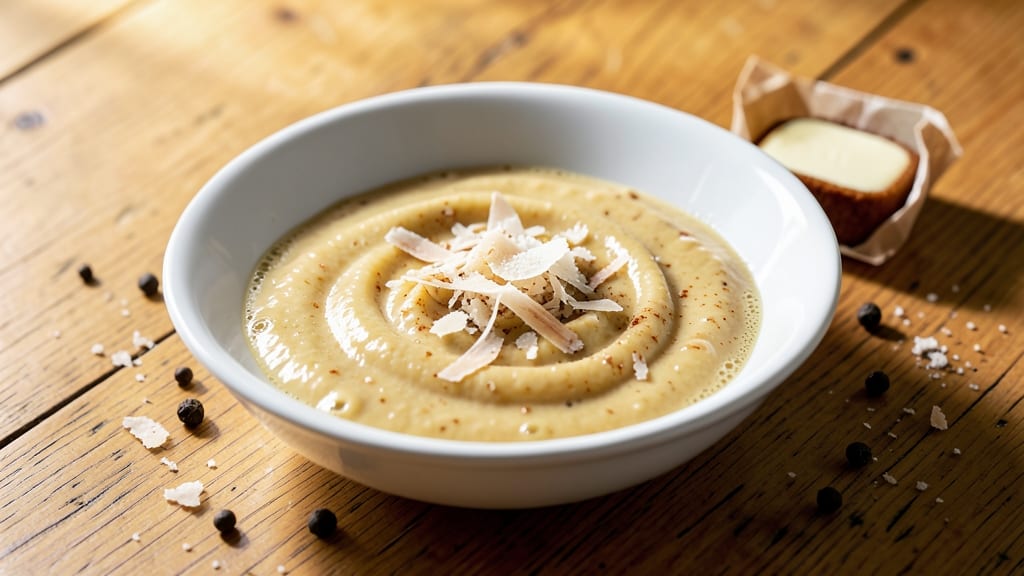
This alfredo sauce recipe for one serving delivers restaurant-quality creaminess without the heavy cleanup or heavy calories. The secret lies in balancing rich ingredients—just 2 tablespoons butter, ¼ cup heavy cream, and ¼ cup grated Parmesan
What sets this apart is the technique: simmering the sauce just until it thickens, then finishing with a splash of pasta water for that signature silky texture. What makes this recipe ideal for single servings is its precision—no leftovers to store or waste. The sauce comes together in under 10 minutes, making it perfect for weeknight dinners or quick meal prep. For extra depth, I recommend adding a pinch of garlic powder or a dash of nutmeg, but the base recipe stays simple and foolproof. The result? A sauce that’s rich, creamy, and restaurant-quality without the fuss. Once you’ve made this sauce, you’ll notice how much better it tastes when reheated—just warm it gently on the stove with a splash of cream or milk to restore its velvety consistency. Store leftovers in an airtight container in the fridge for up to 3 days, or freeze for longer storage. The best part? This recipe scales effortlessly, so you can easily double or halve it based on your needs. Pair this sauce with fettuccine, grilled chicken, or roasted vegetables for a meal that feels indulgent yet balanced. The key is patience—letting the sauce thicken gradually ensures it doesn’t turn grainy or separate. Trust the process, and you’ll have a sauce that’s smooth, creamy, and impossible to resist.
Ingredients for alfredo sauce recipe one serving
Eight essential ingredients transform into velvety perfection for one serving.
| Ingredient | Amount | Notes |
|---|---|---|
| Unsalted Butter 🧈 | 2 tbsp | Cold, cubed for even melting |
| Heavy Cream 🥛 | ¼ cup | Full-fat for optimal richness |
| Parmesan Cheese 🧀 | ¼ cup | Freshly grated from block |
| Garlic Powder 🧄 | ¼ tsp | For subtle aromatic depth |
| Ground Nutmeg 🌿 | ⅛ tsp | Freshly grated preferred |
| Diamond Crystal Kosher Salt 🧂 | ⅛ tsp | Adjusts to taste |
| Pasta Water 💧 | ⅛ cup | Reserved from cooking pasta |
| Extra-Virgin Olive Oil 🫒 | 1 tsp | For finishing touch |
The butter and heavy cream form the sauce's luxurious base. European-style butter, like Plugrá or President, melts more smoothly than American brands. For the Parmesan, Parmigiano-Reggiano from a deli counter delivers superior flavor—pre-grated lacks the necessary sharpness. Garlic powder from Penzeys or a high-quality brand ensures consistent flavor without the mess of fresh. Nutmeg should be freshly grated for maximum aroma, though pre-ground works in a pinch. The reserved pasta water is non-negotiable—it's what transforms the sauce from clumpy to silky.
No heavy cream? Full-fat coconut milk works surprisingly well, though the texture will differ slightly. Substitute the Parmesan with Pecorino Romano for a sharper profile. Fresh nutmeg unavailable? Ground nutmeg at half the amount suffices. For a lighter version, replace half the heavy cream with whole milk. The olive oil finishing touch can be omitted if preferred, but it adds a beautiful sheen. Always taste before finishing—adjust salt as needed, remembering the Parmesan contributes significant saltiness.
This sauce reheats beautifully—simply warm with a splash of cream or milk. Store in an airtight container for up to 3 days in the refrigerator. For longer storage, freeze in ice cube trays with a thin layer of olive oil to preserve freshness. The sauce thickens upon cooling, so add a splash of warm water or milk when reheating. Portion into single servings before freezing for perfect individual portions.
Why You'll Love This Recipe
- No-Fuss Ingredients: I keep just butter, cream, and a block of Parmesan in my fridge—no obscure spices or last-minute shopping. Swirl them together while I boil water for pasta, and boom, dinner’s ready.
- Rich Without Effort: That nutmeg pinch and garlic powder? They turn simple cream into something velvety and warm—like a hug in sauce form. Honestly, it’s the kind of flavor that makes you pause mid-bite.
- Pasta’s Best Friend: Drizzle it over fettuccine for a classic, but it’s also my go-to for creamy chicken, roasted veggies, or even a quick soup. One serving means I can toss it with whatever I’m craving that night.
- Leftovers That Don’t Let You Down: Make a little extra, and it reheats like a dream—no graininess, no sad texture. I’ve had it cold the next day on toast, and it’s still just as good. (Yes, even on a Tuesday night.)
Step-by-step instructions for perfect one-serving alfredo sauce
Master this technique and you'll achieve restaurant-quality silkiness every time.
Melt Butter and Infuse Aromatics
In a small saucepan, melt the 2 tbsp unsalted butter over medium-low heat. Watch closely as it transforms from solid to liquid—you want to see small bubbles forming around the edges without browning. Once fully melted, reduce heat to low to maintain gentle warmth.
Add the 0.25 tsp garlic powder and 0.125 tsp ground nutmeg, stirring constantly for 30 seconds until fragrant. The nutmeg adds that signature depth, while the garlic powder provides subtle complexity without overpowering. Keep the heat low here—you're not cooking the garlic, just infusing its flavor into the butter.
Gradually Incorporate Heavy Cream
Pour in the 0.25 cup heavy cream while whisking continuously to prevent scorching. The mixture will begin to simmer gently—you're looking for small, consistent bubbles breaking the surface. Let it cook undisturbed for 2-3 minutes until the cream thickens slightly and coats the back of a spoon.
This gradual heating is crucial. Adding cold cream to hot butter would create lumps, while rushing the process risks curdling. The slow incorporation ensures a silky texture rather than a grainy one. If you notice any skin forming on the surface, simply stir it back into the sauce.
Whisk in Parmesan for Richness
Reduce heat to lowest setting and gradually whisk in the 0.25 cup freshly grated Parmesan cheese. Add it in small batches, allowing each addition to fully melt before incorporating more. The cheese should dissolve completely, creating a velvety emulsion. If you encounter any grated bits that won't melt, strain the sauce through a fine-mesh sieve.
Here's where patience pays off. The cheese needs time to fully incorporate—rushing this step results in gritty texture. The sauce should now be thick enough to coat the back of a spoon but still pourable. Taste and adjust seasoning with 0.125 tsp Diamond Crystal kosher salt if needed.
Finish with Pasta Water and Olive Oil
Remove the sauce from heat and stir in 0.125 cup reserved pasta water—this step is critical for achieving that perfect consistency. The starch in the pasta water acts as a natural thickener while maintaining the sauce's silky texture. Add it gradually while whisking until you reach your desired thickness.
Finally, drizzle in the 1 tsp extra-virgin olive oil and give one last stir. The olive oil adds a subtle fruity note that balances the richness. The sauce should now be smooth, glossy, and perfectly cling to whatever you're serving it over—whether that's fettuccine, chicken, or crusty bread.
Serve Immediately for Maximum Creaminess
Return the sauce to low heat if needed to maintain serving temperature, but don't let it simmer again. Alfredo sauce continues to thicken as it cools, so serve it immediately over your cooked pasta or protein. The ideal temperature is just below simmering—hot enough to coat but not hot enough to cause separation.
For best results, toss the sauce with hot pasta right before serving. The residual heat from the pasta will help distribute the sauce evenly, creating that signature creamy coating. If the sauce thickens too much while serving, simply whisk in a splash of hot pasta water to restore its silky consistency.
Pro Tips For Making Alfredo Sauce Recipe One Serving
- Melt Butter Slowly: Don’t toss the butter in all at once—add it in two batches. Start with half over medium-low heat, letting it melt completely before adding the rest. I learned this the hard way when my sauce split into butter lumps and grainy cream. Once the butter’s smooth, turn the heat down to low—this keeps the cream from curdling when you add it.
- Grind Your Own Cheese: Skip the pre-shredded Parmesan—it’s packed with anti-caking agents that make your sauce grainy. Use a microplane or fine grater for fresh cheese, and add it off the heat while stirring constantly. The cheese melts faster and blends silky, not clumpy. (Yes, even if you’re impatient like me.)
- Temper the Cream: Warm the heavy cream first—just enough to take the chill off (about 30 seconds in a microwave or small saucepan). Then whisk it into the melted butter slowly. Cold cream shocks the butter and causes separation. I was skeptical until I tried it—now my sauce is always velvety.
- Finish with Nutmeg Fresh: Don’t just dump ground nutmeg in at the end—lightly toast it first. Heat a dry pan over low for 30 seconds, then grind it fresh. The aroma punches up the flavor without bitterness. (Your future self will notice the difference.)
Pro cooking tips for great alfredo sauce recipe one serving
Heat Control Secrets
Alfredo sauce is all about gentle heat management—never let it boil or simmer vigorously. I use medium-low heat throughout the process to prevent curdling. If you see the sauce starting to bubble too vigorously, immediately reduce the heat or remove the pan from the stove.
The goal is a barely simmering sauce that thickens gradually without separating. 🌡️
When melting the butter, keep the heat low and steady to avoid browning. Once the cream is added, maintain low heat while whisking continuously. The sauce should thicken naturally over 3-5 minutes—this gradual process creates that signature velvety texture.
If you rush it, you'll end up with a grainy or lumpy sauce.
Whisk Like a Pro
Your whisk is the most important tool here—constant whisking prevents lumps and creates a silky emulsion. Use a balloon whisk for maximum surface area and efficiency. I whisk vigorously for at least 30 seconds when adding the cream, and continuously while the cheese melts.
The motion incorporates air, making the sauce lighter and more luxurious.
If you notice any lumps forming, don't panic—simply increase the whisking speed or add a small splash of warm pasta water to break them apart. The key is patience: let the cheese melt completely before moving to the next step.
Rushing this process is the #1 reason homemade Alfredo sauce turns out gritty.
Pasta Water Magic
The reserved pasta water is non-negotiable for that professional finish. I always reserve ½ cup while cooking my pasta—it's packed with starch that acts as a natural thickener and emulsifier.
Add it gradually while whisking until you reach your desired consistency. This step transforms a thick, clumpy sauce into one that's silky and clingy.
If your sauce thickens too much after adding the pasta water, simply whisk in another splash of warm water to restore the perfect consistency. The starch in the pasta water works like a magic potion—it binds the sauce together while keeping it smooth.
Never skip this step if you want restaurant-quality results.
Cheese Melting Tips
Freshly grated Parmigiano-Reggiano is essential—pre-grated cheese contains anti-caking agents that prevent proper melting. I grate my own using a microplane for the finest, most flavorful texture. Add the cheese gradually while whisking constantly over lowest heat to ensure complete dissolution.
If you encounter any unmelted bits, strain the sauce through a fine-mesh sieve for a silky finish.
For extra richness, I sometimes add a small pinch of cream cheese (about ¼ teaspoon) along with the Parmesan. This creates a lighter, more stable emulsion that's less likely to separate when reheated. The cream cheese also adds a subtle tang that balances the richness of the heavy cream.
Finishing Touches
The olive oil finishing touch isn't just for flavor—it adds shine and stability to the sauce. I use extra-virgin olive oil for its fruity notes, but any good-quality oil works.
Drizzle it in slowly while whisking to create a beautiful sheen. This step also helps prevent the sauce from separating when reheated later.
Always taste and adjust seasoning before serving. The Parmesan contributes significant saltiness, so I often need to add just a pinch of salt at the end. For extra depth, I sometimes add a tiny pinch of white pepper (about ⅛ teaspoon)—it adds warmth without altering the color.
The sauce should be rich, creamy, and perfectly balanced—not too salty or overpowering.
Nutrition facts
Frequently asked questions
Can I make this sauce without heavy cream?
Yes! For a lighter version, replace the ¼ cup heavy cream with ¼ cup whole milk or ½ cup half-and-half. The texture will be slightly thinner but still creamy. For a dairy-free option, use full-fat coconut milk—just add 1 teaspoon cornstarch to thicken it properly. The sauce may need an extra 1-2 minutes of simmering to reach ideal consistency.
Why did my sauce turn grainy?
Graininess usually happens when cheese doesn't melt completely or the sauce overheats. Always whisk constantly over low heat and add cheese gradually. If lumps form, strain through a fine-mesh sieve or whisk in a splash of warm pasta water to smooth it out. For extra insurance, reduce heat to the lowest setting when adding cheese—this gives it time to fully dissolve.
How do I store and reheat leftovers?
Store in an airtight container in the fridge for up to 3 days. To reheat, warm over low heat with a splash of cream or milk—never microwave directly. For freezing, portion into ice cube trays with a thin layer of olive oil on top. Thaw in the fridge overnight, then reheat gently. The sauce thickens when cold, so add warm water or milk as needed to restore silky texture.
What's the best pasta to pair with this sauce?
Fettuccine is the classic choice, but any wide, flat pasta works best—think tagliatelle or pappardelle. For extra flavor, try whole wheat or spinach fettuccine. The wider surface area helps the sauce cling beautifully. If using a different shape like penne, toss with a little extra pasta water to help distribute the sauce evenly.
Can I make this sauce ahead of time?
For best results, make it fresh before serving. However, you can prepare the sauce 1 day ahead and refrigerate it. When ready to use, reheat gently with a splash of cream and whisk until smooth. The sauce will be thicker when cold, so adjust with warm water or milk. For meal prep, consider making a larger batch and freezing portions—just thaw and reheat as needed for single servings.