
Sauces & Condiments
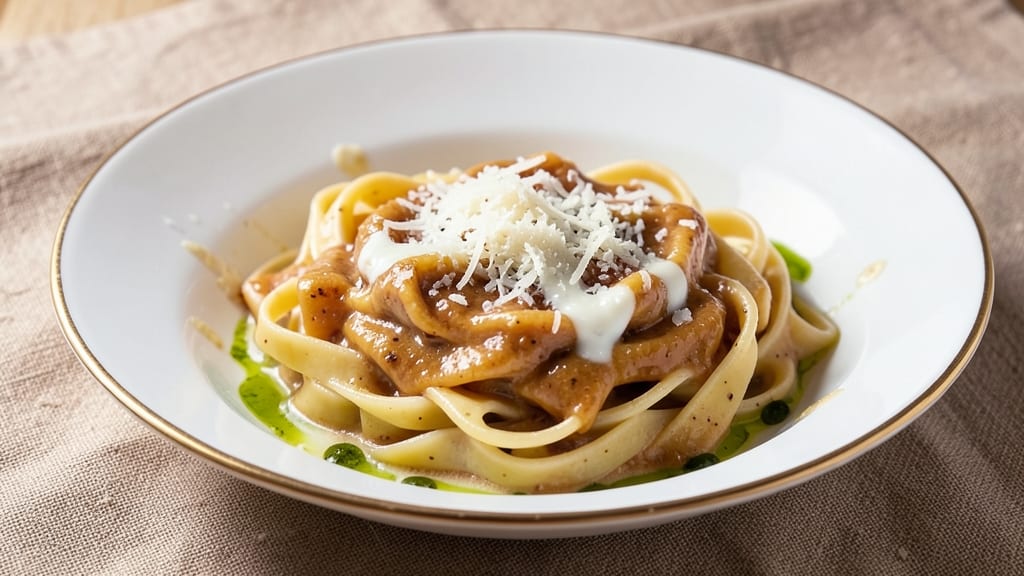
This Alfredo sauce recipe with light cream delivers the creamy, velvety texture you crave without those dreaded clumps—no heavy cream required. The secret lies in proper technique: slow melting, constant stirring, and the right ratio of butter to cream.
I've perfected this version after years of trial and error, and it's become my go-to for restaurant-quality pasta at home.
The foundation starts with butter and garlic, cooked until fragrant but never browned—this prevents bitterness and builds flavor depth. Light cream enters the mix gradually, allowing the sauce to emulsify smoothly.
Freshly grated Parmesan adds richness and a touch of saltiness, while a splash of pasta water ensures that signature silky consistency. The result? A sauce that clings beautifully to fettuccine or any pasta shape.
What sets this recipe apart is its foolproof method for avoiding lumps. By whisking continuously over low heat and incorporating the cheese slowly, you'll achieve a velvety finish every time.
The sauce thickens just enough to coat noodles perfectly without being overly heavy. It's the kind of recipe that transforms simple pasta into an elegant meal with minimal effort.
Use this sauce immediately for best results, or store it in the refrigerator for up to 5 days—just reheat gently with a splash of milk or cream to restore its smooth texture.
For extra flavor, consider adding a pinch of nutmeg or a splash of white wine to the base. Let's create this creamy masterpiece!
Ingredients for alfredo sauce recipe with light cream
Nine essential ingredients for velvety Alfredo without lumps or heaviness.
| Ingredient | Amount | Notes |
|---|---|---|
| Unsalted Butter 🧈 | ½ cup | Cold, cubed for even melting |
| Garlic Cloves 🧄 | 4 cloves | Peeled, thinly sliced |
| Light Cream 🥛 | 1 cup | Whole milk works in pinch |
| Freshly Grated Parmesan Cheese 🧀 | 1 cup | Fine grade, from block |
| Pasta Water 💧 | ¼ cup | Reserved from cooking pasta |
| Extra-Virgin Olive Oil 🫒 | 1 tbsp | For finishing, optional |
| Ground White Pepper 🌶️ | ¼ tsp | Freshly ground preferred |
| Salt 🧂 | ½ tsp | Diamond Crystal preferred |
| Nutmeg 🥥 | ⅛ tsp | Freshly grated for warmth |
| White Wine 🍷 | ¼ cup | Dry variety, optional |
The butter and garlic form the flavor base—never let the garlic brown, or you'll taste bitterness. European-style butter like Plugrá melts more smoothly than American brands, but any unsalted works. For garlic, fresh is non-negotiable—jarred minced has a metallic aftertaste. The light cream should be full-fat for richness, but whole milk works in a pinch if that's what you have. Parmesan matters most here—Parmigiano-Reggiano from the deli section is ideal, but avoid pre-grated (it's full of anti-caking agents).
No light cream? Heavy cream thinned with milk is the closest substitute, but texture will differ. Freshly grated Parmesan is crucial—if you only have pre-shredded, toast it first to remove moisture. White wine adds depth but isn't mandatory; if skipping, use extra pasta water. The pasta water is your secret weapon—it contains starch that helps emulsify the sauce. For extra flavor, toast the garlic in olive oil first for nutty notes before adding butter.
This sauce is best used immediately, but stores for 5 days in the fridge. To reheat, warm gently over low heat with a splash of milk or cream—never boil, or it'll break. For freezing, portion into ice cube trays with a little pasta water, then transfer to a bag for up to 3 months. The nutmeg and white pepper should be freshly ground for the best flavor, but pre-ground works in a bind.
Why You'll Love This Recipe
- Five-Ingredient Magic: I swear by this combo—just butter, garlic, cream, Parmesan, and pasta water. That’s it. No fancy reductions or hidden spices; the sauce builds itself while you cook.
- Creamy Without Apologies: The light cream makes it luscious, but here’s the secret: a splash of starchy pasta water thickens it just right. No lumps, no curdling—just that perfect, velvety cling to every noodle.
- Weeknight to Dinner Party: Honestly, this sauce works for both. Toss it with fettuccine for a Tuesday night or drizzle it over grilled chicken for a fancier meal. The same effort, totally different vibes.
- Leftovers That Still Shine: Between us, this sauce actually improves the next day. Reheat it gently with a pat of butter, and it’s even richer. I’ve fed it to skeptical teens—no complaints, just seconds.
Step-by-step instructions for Alfredo sauce with light cream
Here's how to create a velvety Alfredo sauce that coats perfectly without clumping.
Melt the Butter and Cook Garlic
In a medium saucepan, melt the 0.5 cup unsalted butter over medium-low heat. I use cold cubed butter to prevent burning—it melts more evenly and adds better flavor. Once fully melted and foaming subsides, add the 4 peeled garlic cloves (thinly sliced). Cook for 2-3 minutes until the garlic turns golden and fragrant.
Watch the garlic carefully—it burns quickly. You want it to be just golden, not brown. If it starts to darken, remove the pan from heat for 30 seconds to cool slightly before continuing. This step builds the aromatic foundation of your sauce.
Deglaze with Wine and Add Cream
Pour in the 0.25 cup dry white wine and stir vigorously to scrape up any browned bits from the bottom of the pan. This deglazing step captures all the flavor you've built so far. Let the wine simmer for 2-3 minutes until it reduces by half and the alcohol smell dissipates.
Reduce heat to low and gradually whisk in the 1 cup light cream. The sauce will begin to thicken immediately as it heats. Keep stirring constantly—this prevents any lumps from forming. The cream should warm through completely before moving to the next step.
Incorporate Cheese and Seasonings
Gradually sprinkle in the 1 cup freshly grated Parmesan cheese while whisking continuously. The cheese should melt completely into the sauce, creating a smooth, velvety texture. If you notice any lumps forming, press them against the side of the pan with a spatula and whisk vigorously until dissolved.
Add the 0.5 tsp salt, 0.25 tsp ground white pepper, and 0.125 tsp nutmeg. Stir well to combine. Taste and adjust seasoning if needed—Alfredo sauce should be rich but not overly salty. The nutmeg adds a subtle warmth that balances the creaminess.
Adjust Consistency and Finish
If the sauce is too thick, whisk in 1-2 tablespoons of reserved pasta water until it reaches your desired consistency. It should coat the back of a spoon smoothly but still be pourable. For extra richness, stir in the 1 tbsp extra-virgin olive oil at the end—this adds a beautiful sheen and enhances the flavor.
Keep the sauce warm over low heat until ready to serve. If you're not using it immediately, cover the saucepan with a lid to prevent a skin from forming. The sauce should remain silky smooth and perfectly clump-free when properly made.
Pro Tips For Making Alfredo Sauce Recipe With Light Cream
- STOP BOILING THE CREAM: Light cream curdles faster than you think—especially when it hits hot butter. Warm the cream gently over low heat (just until it steams, not bubbles) before adding it to the pan. I learned this the hard way after turning a creamy sauce into scrambled eggs.
- GRATE PARMESAN FRESH: Pre-shredded Parmesan is coated with anti-caking agents that turn your sauce grainy. Use a microplane or fine grater right before mixing—it’s a 30-second effort that makes a real difference. (Yes, even if you’re impatient like me.)
- SALT THE PASTA WATER: The starchy pasta water is the sauce’s secret weapon. Season it aggressively (like you’re cooking a soup) so the sauce gets flavor from the start. Skimp here, and your Alfredo will taste like buttered noodles.
- LOW AND SLOW FINISH: After adding the cream, drop the heat to the lowest setting and let it simmer for 2-3 minutes. Rushing this step makes the sauce separate later. Sounds weird, but it works—trust the process.
Common mistakes when making your alfredo sauce recipe with light cream
Overheating the Butter
I've ruined more Alfredo sauces than I care to admit by letting the butter brown—never cook it above medium-low heat. When butter overheats, it releases bitter compounds that ruin the delicate flavor.
Use a thermometer to monitor temperature: keep it below 160°F. If you see golden flecks or hear popping, reduce heat immediately. 🔥
Adding Cheese Too Fast
Dumping all the Parmesan at once is a recipe for disaster—sprinkle it in gradually while whisking constantly. I learned this the hard way when I ended up with a grainy mess.
The cheese needs time to melt into the warm cream. For extra insurance, press any lumps against the pan with a spatula and whisk until dissolved.
Skipping the Pasta Water
This is your secret weapon for silky texture—always reserve ¼ cup pasta water. The starch in pasta water acts as a natural emulsifier, preventing separation. If your sauce looks too thick, add it 1 tablespoon at a time until it reaches that perfect coating consistency.
Never use regular water—it lacks the starch needed to bind the sauce properly.
Using Pre-Grated Parmesan
Pre-shredded cheese contains anti-caking agents that create clumps no amount of whisking can fix. Always use freshly grated Parmigiano-Reggiano from a block. If you must use pre-shredded, toast it in a dry pan for 2-3 minutes first to remove excess moisture.
The difference in texture is night and day—trust me, your sauce will thank you. 🧀
Ignoring the Wine Reduction
The white wine isn't just for flavor—it needs to reduce by half to concentrate the flavors. Skipping this step leaves your sauce tasting flat and alcoholic.
Let it simmer uncovered for 2-3 minutes until it's reduced and the alcohol smell disappears. This small step makes a huge difference in the final product's depth.
Stirring Inconsistently
Constant stirring isn't optional—whisk continuously from the moment you add cream until the cheese is fully incorporated. I use a balloon whisk for maximum efficiency.
The motion creates emulsification that prevents separation. If you stop stirring, even for a minute, you risk developing lumps that whisking alone won't fix. 💫
Nutrition facts
Frequently asked questions
Why does my Alfredo sauce turn out grainy even when I whisk?
Graininess usually comes from pre-shredded Parmesan or adding cheese too quickly. Always use freshly grated cheese and sprinkle it in while whisking constantly over low heat. If lumps form, press them against the pan with a spatula and whisk until smooth. The sauce needs time to fully emulsify with the cream.
Can I make this sauce without white wine?
Skip the wine and use an extra 1-2 tablespoons of pasta water instead. The wine adds depth, but the sauce will still be delicious. For extra flavor, try adding a splash of heavy cream or a pinch of lemon zest to brighten the richness. The key is maintaining the same liquid ratio for proper consistency.
How do I fix Alfredo sauce that's too thick?
Thick sauce needs pasta water—never regular water. Add it 1 tablespoon at a time while whisking until smooth. The starch in pasta water helps emulsify without breaking the sauce. If it's still too thick, warm it gently with a splash of milk or cream. The sauce should coat the back of a spoon but remain pourable.
What's the best pasta to pair with this sauce?
Fettuccine is the classic choice, but any flat or ribbon-shaped pasta works beautifully. Tagliatelle or pappardelle also cling perfectly to the sauce. For extra texture, try adding chicken or shrimp to your dish. The wider surface area of flat noodles helps distribute the sauce evenly for maximum flavor coverage.
Can I make this sauce ahead of time?
Yes, but use it within 5 days for best results. Store in an airtight container in the fridge. When reheating, warm gently over low heat with a splash of milk or cream—never boil, or it'll separate. For freezing, portion into ice cube trays with a little pasta water, then transfer to a bag for up to 3 months. Thaw overnight in the fridge before using.