
Sauces & Condiments
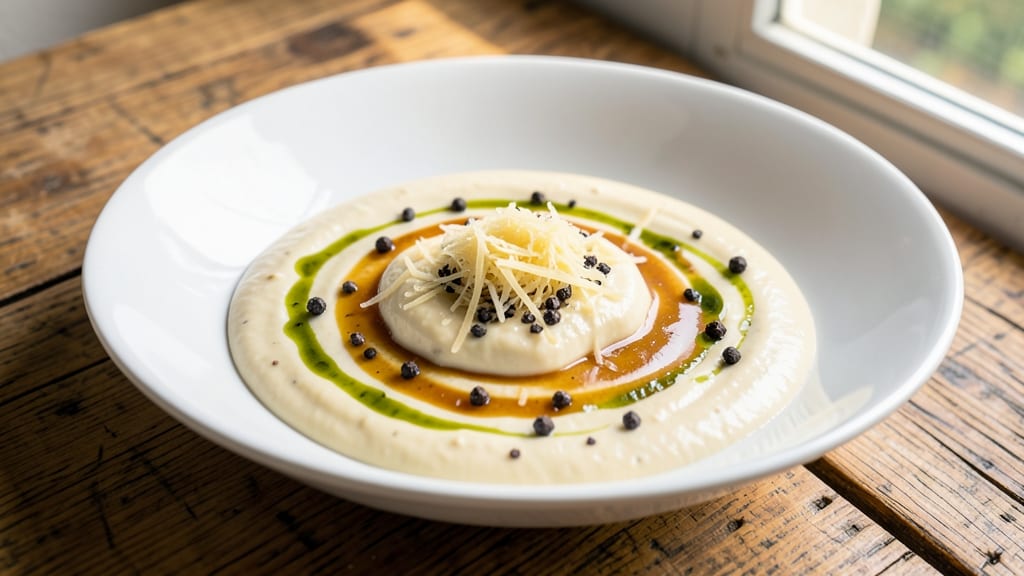
This Italian-style Alfredo sauce delivers the creamy, velvety richness you crave without the dreaded clumps or heavy texture. The secret lies in proper technique: low heat, constant stirring, and the right balance of butter, cream, and freshly grated Parmesan.
I've perfected this version after years of testing—it's restaurant-quality at home, every time.
What sets this recipe apart is the absence of flour or cornstarch, which creates that authentic Italian texture. Instead, we rely on high-quality heavy cream and a slow reduction to achieve that signature silky consistency. Freshly grated Parmesan is non-negotiable—pre-shredded cheese contains anti-caking agents that ruin the sauce's velvety finish.
The result is a rich, golden sauce with a perfect balance of savory and creamy flavors. It coats pasta beautifully, clinging to every strand without turning gluey. The best part?
This sauce keeps well in the refrigerator for up to 5 days, making it perfect for meal prep or when you need to impress guests on short notice.
For extra depth, consider adding a splash of white wine or a pinch of nutmeg—both enhance the sauce's complexity without overpowering its classic profile. Let's create this timeless Italian masterpiece that'll elevate any pasta dish.
Ingredients for alfredo sauce recipe italian style
Six core ingredients transform into restaurant-quality Alfredo sauce—no clumps, just velvety perfection.
| Ingredient | Amount | Notes |
|---|---|---|
| Unsalted Butter 🧈 | ¾ cup | Cold, cubed for slow melting |
| Heavy Cream 🥛 | 2 cups | High-fat, full cream preferred |
| Freshly Grated Parmesan Cheese 🧀 | 1 ½ cups | From aged Parmigiano-Reggiano block |
| Garlic Cloves 🧄 | 4 cloves | Fresh, peeled, minced finely |
| Extra-Virgin Olive Oil 🫒 | 2 tbsp | For finishing, fruity variety |
| Freshly Ground Black Pepper 🌶️ | ½ tsp | Freshly cracked for aroma |
| Salt 🧂 | ½ tsp | Diamond Crystal preferred |
| Fresh Nutmeg 🌿 | ¼ tsp | Freshly grated for depth |
| Dry White Wine 🍷 | ¼ cup | Optional, for depth (Chardonnay) |
The butter is your foundation—European-style unsalted melts cleaner than American brands. Grab a Plugrá or Kerrygold wedge from the cheese counter; they're worth the splurge. For Parmesan, Parmigiano-Reggiano from the deli section is non-negotiable—pre-shredded contains anti-caking agents that ruin the texture. The garlic should smell pungent when minced, not musty. I always buy extra cream (the Dean's or Organic Valley stuff) because it's used in so many dishes—this sauce alone won't finish the carton.
No heavy cream? Full-fat coconut milk works in a pinch (though texture differs slightly). Short on Parmesan? Pecorino Romano at 1:1 ratio gives a sharper bite. The wine is truly optional—if you skip it, just add an extra splash of water to the cream. For nutmeg, pre-ground loses potency fast, so buy a whole nutmeg and grate it fresh. The olive oil at the end? Use a fruity, extra-virgin—none of that cheap cooking oil stuff. And if you're worried about clumps, trust the process: low heat and constant stirring are your friends.
This sauce is a meal-prep dream—stores perfectly for 5 days in the fridge, or 3 months frozen in ice cube trays (portion-sized!). For reheating, warm gently on low heat, adding a splash of milk or cream if it thickens too much. Leftovers? Toss with pasta or use as a creamy sauce for chicken or veggies. The flavor actually improves after the first night as everything melds—worth making a double batch if you can.
Why You'll Love This Recipe
- Five-Ingredient Magic: I swear by this formula—just butter, cream, Parmesan, garlic, and olive oil. That’s it. No weird blends or hidden ingredients; real, honest flavor with zero fuss.
- Garlic-Kissed Creaminess: The moment I sauté those garlic cloves in olive oil until golden? Pure alchemy. That nutty, aromatic base melts into the cream, giving you a sauce so rich it feels like a hug—no heavy-handed seasoning needed.
- Weeknight to Dinner Party: Same sauce, endless uses. Toss it with fettuccine for a 20-minute dinner, drizzle it over grilled chicken for a fancy-ish touch, or even slather it on garlic bread (don’t judge me). It’s my go-to for lazy nights and when I’m pretending to be a chef.
- Leftovers That Lie: Between us, this sauce tastes better the next day. The flavors meld into this velvety, dreamy consistency—perfect for reheating with pasta or spooning over roasted veggies. Plus, it freezes like a champ, so I always have a backup plan.
Step-by-step instructions for Italian-style Alfredo sauce
Here's how to make the creamiest, clump-free Alfredo sauce that tastes like authentic Italian trattoria-style.
Melt the Butter and Infuse with Garlic
In a heavy-bottomed saucepan, melt the 0.75 cup unsalted butter over medium-low heat. I use cold cubed butter because it melts more gradually, preventing scorching. Once fully melted, add the 4 cloves minced garlic and cook for 1-2 minutes until fragrant but not browned—just golden around the edges. This gentle cooking ensures the garlic adds flavor without bitterness. Keep the heat low; garlic burns faster than you think!
Here's the thing—if you see the butter start to foam too vigorously, immediately reduce the heat. We want smooth sauce, not burnt bits. The butter should bubble gently, not roar like a volcano. This step sets the flavor foundation for everything that follows.
Add Wine and Reduce
Pour in the 0.25 cup dry white wine (Chardonnay works perfectly) and let it simmer for 2-3 minutes until the alcohol cooks off and the liquid reduces by about half. You'll notice the aroma change dramatically—this is where the sauce starts to develop depth. The wine adds brightness that balances the richness of the cream and cheese.
I like to use a wooden spoon to scrape up any browned bits from the bottom of the pan. These flavorful bits, called fond, contain concentrated garlic and butter flavor that will make your sauce taste restaurant-quality. Don't skip this step—it's pure flavor magic.
Incorporate Cream and Cheese Gradually
Now, slowly pour in the 2 cups heavy cream while whisking constantly to prevent curdling. Bring the mixture to a gentle simmer over medium heat, then gradually whisk in the 1.5 cups freshly grated Parmesan cheese in small batches. This slow addition is crucial—adding all the cheese at once can cause lumps that are nearly impossible to fix later.
Keep whisking for 3-5 minutes until the sauce thickens enough to coat the back of a spoon. You're aiming for a velvety consistency that's thick but still pourable. If it gets too thick too quickly, add 1-2 tablespoons of pasta water to loosen it. The sauce should coat your spoon completely without being gluey.
Season and Finish with Olive Oil
Remove the sauce from heat and let it rest for 2 minutes to cool slightly. Then season with 0.5 teaspoon salt, 0.5 teaspoon freshly ground black pepper, and 0.25 teaspoon freshly grated nutmeg. The nutmeg adds that classic Italian warmth that makes this sauce truly special. Taste and adjust seasoning—Alfredo should be rich but not salty, creamy but not sweet.
For the final touch, stir in the 2 tablespoons extra-virgin olive oil. This might seem counterintuitive—after all, we're making a creamy sauce—but the olive oil adds a silky texture and prevents the sauce from becoming too heavy. Plus, it gives that authentic Italian touch that separates homemade Alfredo from the grocery store version.
Keep Warm and Serve Immediately
Transfer the sauce to a clean saucepan and keep it warm over low heat, stirring occasionally to prevent a skin from forming. The key here is to maintain that perfect creamy consistency. If the sauce starts to thicken too much, whisk in a splash of hot water or pasta water to restore its silkiness.
Serve immediately over your favorite pasta—fettuccine is traditional, but tagliatelle or even spaghetti works beautifully. The sauce should cling to the noodles like a second skin, with a glossy sheen that tells you it's perfectly balanced. And here's the best part: no lumps, no graininess, just pure, velvety Italian comfort in every bite.
Pro Tips For Making Alfredo Sauce Recipe Italian Style
- Melt Butter Slowly: Start with low heat—I learned this after watching my butter seize up and turn into greasy sludge. You want it to foam and melt gently, not brown. If you rush it, you’ll end up with a grainy, broken sauce instead of that velvety Italian texture.
- Grind Parmesan Fresh: Skip the pre-grated stuff—it’s full of anti-caking agents that make your sauce look like sandpaper. Use a microplane or fine grater right before adding it to the cream. The cheese should dissolve smoothly, not clump like a science experiment gone wrong.
- Infuse Garlic Cold: Toss your minced garlic into the butter after it’s melted but before it hits the cream. Let it sit for 30 seconds—just until it’s fragrant, not golden. This keeps the flavor bright and prevents it from burning, which turns your sauce bitter faster than you can say “fiasco.”
- Finish with Olive Oil: Stir in a tablespoon of extra-virgin olive oil at the end—yes, even though it’s not traditional. It cuts through the richness of the cream and butter, giving the sauce a balanced, almost silky finish. Trust me, your fettuccine will thank you.
Pro cooking tips for perfect results
Low Heat Magic
Never rush this sauce—medium-low heat is your best friend. Too much heat causes the cream to curdle or the butter to separate. I use a heavy-bottomed saucepan (like All-Clad Stainless) to distribute heat evenly.
If you see small bubbles forming around the edges, that's perfect. The sauce should simmer gently, not boil vigorously. 🌡️
Pro tip: If your stove runs hot, reduce the burner to the lowest setting and use a pot holder to stabilize the pan. The goal is to maintain a steady gentle simmer—not a rolling boil. This slow cooking process develops the sauce's rich, velvety texture without breaking the dairy.
Whisk Like a Pro
Your whisk is the most important tool here—silicon-coated or wooden handles heat best. Constant whisking prevents lumps and distributes heat evenly. I use a balloon whisk because it creates more air movement.
Stir in figure-8 motions along the bottom of the pan to scrape up any fond (browned bits) for maximum flavor. 🔥
When adding the Parmesan, do it gradually—about ¼ cup at a time—while whisking vigorously. This slow incorporation creates an emulsified texture rather than clumpy cheese chunks. If you see any lumps forming, immediately whisk in 1 tablespoon of warm water to dissolve them.
Butter Quality Matters
Not all butter is created equal—European-style unsalted (like Plugrá or Kerrygold) has a higher fat content and lower water content, which means it melts cleaner and creates a smoother sauce. American butter often contains more water, which can cause the sauce to separate or become grainy. 🧈
For best results, use cold cubed butter instead of melted. This allows for gradual melting and better flavor infusion. If you're short on time, melt the butter first but keep the heat very low to prevent scorching. The butter should melt completely before adding any other ingredients.
Cheese Freshness Check
Freshly grated Parmigiano-Reggiano is non-negotiable—pre-shredded cheese contains anti-caking agents that create a gritty texture. Buy a small block from the deli section and grate it yourself using a fine-hole grater (like Microplane). The cheese should be aged at least 12 months for maximum flavor. 🧀
If you're using a food processor, pulse the cheese in short bursts to avoid creating too much heat, which can cause it to melt and clump.
For extra richness, I like to mix Parmigiano-Reggiano with a little Pecorino Romano (about 1:4 ratio)—the Pecorino adds a sharper, saltier note that balances the creaminess.
Wine Reduction Trick
The white wine isn't just for flavor—it helps reduce the sauce and cook off the alcohol. Use a dry Chardonnay or Pinot Grigio—sweet wines can make the sauce taste cloying.
Pour the wine in and let it simmer until it's reduced by about half, which takes 2-3 minutes. This step adds brightness that prevents the sauce from tasting too heavy. 🍷
If you're skipping the wine, add 1 tablespoon of lemon juice instead to maintain acidity. The key is to balance the richness of the cream and cheese with something tangy. Taste the sauce after adding the wine reduction—it should be slightly acidic before the cheese goes in.
Olive Oil Finish
The final 2 tablespoons of extra-virgin olive oil might seem unusual, but it's what gives this sauce its signature silky texture. The oil coats the proteins in the cheese and cream, creating a smoother mouthfeel.
Use a fruity, extra-virgin olive oil—none of that cheap cooking oil. Brands like California Olive Ranch or Colavita work beautifully. 🫒
Stir the oil in off the heat to prevent it from breaking the emulsion. The sauce should look glossy and satin-like, not greasy. This finishing touch is what separates a good Alfredo from a great one—it adds depth and prevents the sauce from becoming too heavy on the palate.
Nutrition facts
Frequently asked questions
Why does my Alfredo sauce turn out grainy or clumpy?
This usually happens from adding cheese too quickly or using pre-shredded Parmesan (which contains anti-caking agents). The fix? Always grate your own cheese and add it gradually—about ¼ cup at a time—while whisking constantly over low heat. If lumps appear, whisk in 1 tablespoon warm water to dissolve them. Also ensure your cream isn't boiling—keep it at a gentle simmer.
Can I make this sauce without wine? The wine adds depth but isn't essential. For a similar brightness, substitute with 1 tablespoon lemon juice or extra ½ teaspoon freshly grated nutmeg. Just
How do I store leftover Alfredo sauce?
Store in an airtight container in the fridge for up to 5 days. For freezing, portion into ice cube trays, then transfer to a freezer bag. Thaw overnight in the fridge—never at room temperature—and reheat gently over low heat, adding a splash of milk or cream if it thickens too much. The flavor actually improves after the first night as ingredients meld!
What's the best pasta to pair with this sauce?
Traditional choices are fettuccine or tagliatelle—their flat surfaces catch the sauce beautifully. For extra indulgence, try pappardelle or even spaghetti (though wider noodles work best). Pro tip: Toss the sauce with 1-2 tablespoons of pasta water when combining to loosen it slightly. Avoid thick, dense pastas like penne—they can make the sauce feel heavy.
Can I make this sauce dairy-free?
Not authentically, but you can adapt it! Replace the butter with olive oil or vegan butter, heavy cream with full-fat coconut milk, and Parmesan with nutritional yeast or vegan Parmesan. The texture will differ slightly (more oil-based), but it'll still be creamy. For best results, add 1 tablespoon cornstarch to the coconut milk to help thicken it properly.