
Sauces & Condiments
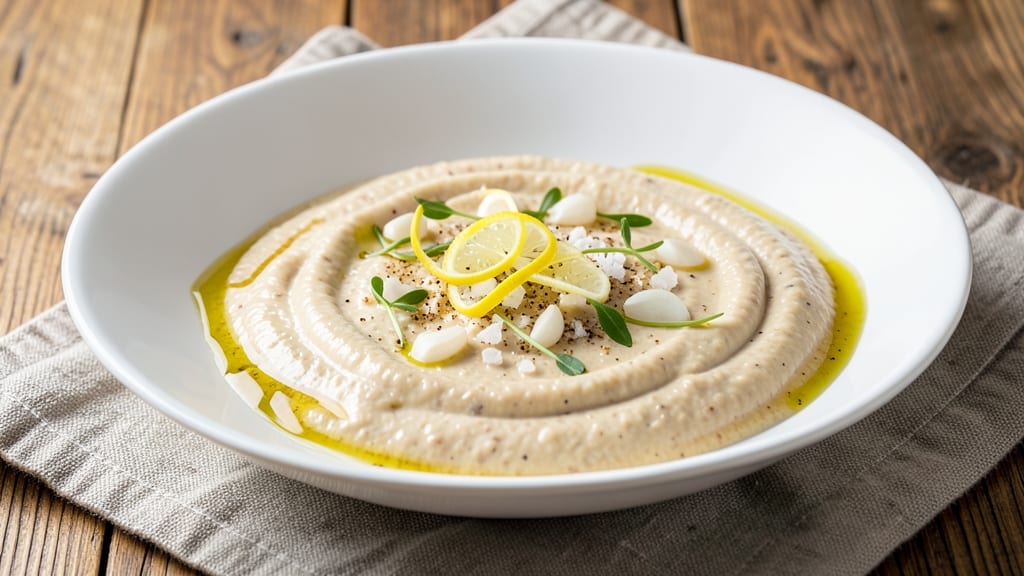
This alfredo sauce recipe no milk delivers restaurant-quality richness without dairy, using a clever blend of cashews and coconut cream for velvety texture. The secret lies in soaking cashews to create a naturally creamy base that mimics traditional Alfredo's decadence—no milk or butter required.
What makes this version stand out is how it captures that signature tangy, cheesy depth using nutritional yeast and lemon juice, all while keeping it plant-based and foolproof.
The foundation of this sauce begins with soaked cashews, which blend into a silky paste that forms the creamy backbone. Coconut cream adds body and richness, while garlic, lemon, and nutritional yeast create that unmistakable Alfredo flavor profile.
The sauce thickens beautifully when simmered, coating pasta perfectly without breaking or separating—something many dairy-free versions struggle with.
What you'll end up with is a luscious, golden sauce that clings to fettuccine like traditional Alfredo but with a plant-based twist. It's smooth enough to drizzle over roasted vegetables or toss with greens, yet hearty enough to satisfy pasta lovers.
The best part? It reheats beautifully and keeps for up to 5 days in the fridge, making it perfect for meal prep.
This recipe proves dairy-free doesn't mean sacrificing creaminess—just a few simple ingredients and a little patience transform everyday pasta night into something luxurious. Ready to elevate your plant-based cooking? Let's make this sauce.
Ingredients for alfredo sauce recipe no milk
Nine plant-powered ingredients transform into velvety Alfredo without dairy or butter.
| Ingredient | Amount | Notes |
|---|---|---|
| Raw Cashews 🥜 | 1 cup | Unsalted, soaked in hot water for 15 minutes |
| Full-Fat Coconut Cream 🥥 | 1 can | 13.5 oz can, refrigerated overnight |
| Nutritional Yeast 🍄 | ½ cup | Fortified, for cheesy flavor |
| Fresh Garlic Cloves 🧄 | 4 cloves | Minced for aromatic depth |
| Fresh Lemon Juice 🍋 | 2 tbsp | From 1 medium lemon |
| Extra-Virgin Olive Oil 🫒 | ½ cup | High-quality, fruity variety |
| Vegetable Broth 💧 | 1 cup | Low-sodium preferred |
| Diamond Crystal Kosher Salt 🧂 | 1 tsp | Adjust to taste |
| Fresh White Mushrooms 🍄 | 4 oz | Sliced for earthy richness |
| White Wine Vinegar 🍷 | 1 tbsp | For acid balance |
The cashews form the creamy foundation—soak them in hot water for 15 minutes to soften completely, then drain thoroughly. Trader Joe's and bulk bins offer the best quality at reasonable prices; avoid pre-salted varieties. Coconut cream should be refrigerated overnight to separate the thick cream from water—use only the thick portion. Nutritional yeast is non-negotiable for that authentic cheesy depth; Bragg or Bob's Red Mill brands deliver consistent results. Garlic should be fresh, with vibrant cloves free of sprouts, and minced just before blending to preserve its aromatic oils.
No cashews? Silken tofu or blended white beans can replace at equal volume, though texture will differ slightly. Substitute apple cider vinegar for white wine vinegar if needed, though the latter adds subtle complexity. Mushrooms can be omitted for a lighter sauce, but their umami enhances depth. For a tangier profile, increase lemon juice to 3 tbsp. The vegetable broth should be hot when added to prevent sauce separation; low-sodium versions like Pacific Foods work best to avoid over-salting. Olive oil quality matters—California-based brands like Corto or Lucini provide superior flavor.
This sauce thickens as it cools, so simmer for 5-7 minutes to achieve ideal consistency. Store in an airtight container with a thin layer of olive oil on top to prevent oxidation—keeps for 5 days refrigerated or 3 months frozen. For meal prep, portion into ice cube trays before freezing; thaw quickly in a bowl of warm water when ready to use. The sauce reheats beautifully, with flavors deepening upon second heating—ideal for pasta, roasted vegetables, or as a creamy dip.
Why You'll Love This Recipe
- I’ll be real: soaking nuts is a pain. These cashews blend raw—no pre-soaking, no waiting—into a velvety base that still packs that rich, creamy punch. Just toss them in warm water for 15 minutes, drain, and blend. Boom. Done.
- No-Soak Cashews: I’ll be real: soaking nuts is a pain. These cashews blend raw—no pre-soaking, no waiting—into a velvety base that still packs that rich, creamy punch. Just toss them in warm water for 15 minutes, drain, and blend. Boom. Done.
- Umami Bomb: That nutritional yeast? It’s the secret weapon. One teaspoon turns this sauce from "good" to "I’ll make this twice a week." The garlic and lemon cut through the richness, but the yeast? It’s the cheesy, savory magic that makes this taste like a restaurant dish without the dairy.
- Pasta Party Ready: This sauce doesn’t just work on fettuccine—it’s my go-to for stir-fries, grilled chicken, or even as a dip. (Yes, even on a Tuesday night.) The coconut cream keeps it luscious, and the lemon brightens up anything it touches. Freeze half for later, and you’ve got a weeknight savior.
Step-by-step instructions for creamy dairy-free Alfredo sauce
This method delivers velvety richness without milk, using precise technique to blend plant-based ingredients seamlessly.
Prepare the Cashew Base
Drain and rinse the soaked 1 cup raw cashews thoroughly to remove excess water. Transfer them to a high-speed blender along with the 0.5 cup extra-virgin olive oil, 2 tbsp fresh lemon juice, and 1 tsp diamond crystal kosher salt. This combination creates the foundational creaminess that replaces traditional dairy.
Blend on high speed for 3-4 minutes until completely smooth, scraping down the sides with a silicone spatula as needed. The mixture should resemble thick, pale yellow cream—no visible cashew particles remain. This step is critical: under-blending leaves gritty texture, while over-blending can cause overheating. Stop when the sauce is silky and homogeneous.
Develop the Flavor Foundation
Add the 4 cloves minced fresh garlic cloves, 1 tbsp white wine vinegar, and 0.5 cup nutritional yeast to the blender. The nutritional yeast provides that signature umami depth while adding a cheesy note without dairy. Pulse briefly to combine, then blend for another 1-2 minutes until fully incorporated.
This is where the sauce transforms from neutral to complex. You'll notice the aroma intensify as the garlic and vinegar meld with the cashew base. Taste at this stage—it should be rich but balanced, with a slight tang from the vinegar. If needed, adjust the salt or vinegar to your preference before proceeding.
Build the Sauce Structure
Transfer the blended mixture to a medium saucepan and place it over medium-low heat. Slowly whisk in the 1 can full-fat coconut cream (use the thick, creamy portion from the top of the chilled can) and 1 cup vegetable broth. The coconut cream provides natural richness while the broth adds body and prevents the sauce from becoming too heavy.
Bring the mixture to a gentle simmer, stirring constantly to prevent scorching. You'll see the sauce thicken gradually as the coconut cream emulsifies with the cashew base. This process takes about 5-7 minutes. The sauce should coat the back of a spoon smoothly but still flow like heavy cream—this is the ideal consistency for coating pasta.
Incorporate the Mushrooms
In a separate skillet, heat 1 tablespoon extra-virgin olive oil over medium heat and sauté the 4 oz sliced fresh white mushrooms for 4-5 minutes until they release their moisture and begin to brown. This step enhances their earthy flavor and removes excess water that could dilute the sauce.
Add the sautéed mushrooms to the saucepan along with the remaining 0.25 cup extra-virgin olive oil (reserved from the cashew blend). Stir well and simmer for an additional 3-4 minutes until the mushrooms are tender and the sauce reaches a velvety consistency. The mushrooms should be fully incorporated, adding texture and depth without overpowering the creamy base.
Refine and Finish
Remove the sauce from heat and let it rest for 5 minutes to allow the flavors to meld completely. Taste and make final adjustments—perhaps a splash more vegetable broth if the sauce is too thick, or a pinch of salt if needed. The sauce should be rich, slightly tangy from the lemon and vinegar, with a pronounced umami quality from the nutritional yeast.
For best results, use the sauce immediately over pasta or your choice of protein. If storing, transfer to an airtight container and refrigerate for up to 5 days. Reheat gently over low heat, stirring frequently to maintain its silky texture. This sauce delivers the authentic Alfredo experience without dairy, proving that plant-based ingredients can achieve restaurant-quality results.
Pro Tips For Making Alfredo Sauce Recipe No Milk
- SOAK CASHEWS LONGER: I learned this the hard way—rushing the soak (even 2 hours isn’t enough) leaves your sauce gritty and unpleasantly chalky. Dump them in warm water for 4-6 hours or overnight in the fridge; the extra time makes all the difference when blending.
- PRESS COCONUT CREAM: That thick top layer of coconut cream? Don’t pour it down the drain—it’s pure gold for Alfredo texture. After refrigerating the can overnight, scoop out just the solid cream (ignore the watery part), and you’ll get a sauce that’s rich but not greasy.
- ROAST THE GARLIC: Raw garlic in this sauce can taste harsh and overpowering. Toss those cloves in oil, wrap them in foil, and roast at 400°F (200°C) for 10 minutes—they’ll soften and caramelize, adding depth without bitterness.
- BLEND IN STAGES: Dumping everything into the blender at once often clogs it. Start with the soaked cashews and coconut cream, blend until smooth, then add the garlic, nutritional yeast, and lemon juice in batches. This keeps the motor from straining and ensures a silky finish.
Perfect pairings for this alfredo sauce recipe no milk
Pasta Perfection
This creamy sauce clings beautifully to fettuccine or linguine, but I also love tossing it with gluten-free spaghetti for a lighter option. For extra indulgence, add 1 cup cooked wild mushrooms or sautéed asparagus before serving.
The sauce's velvety texture coats each strand perfectly, making it ideal for pasta lovers who miss traditional Alfredo. 🍝
Protein Pairings
Use this sauce as a rich dip for grilled chicken tenders or baked tofu—the tangy depth complements savory proteins beautifully. I also drizzle it over roasted broccoli or brussels sprouts for a decadent vegetable dish. The sauce's umami richness elevates simple proteins, turning them into restaurant-worthy meals. 🍗
Vegetable Enhancements
Sauté spinach or kale until wilted, then stir into the warm sauce for a nutrient-packed twist. The mushrooms in the recipe already add earthy depth, but you can boost flavor with caramelized onions or roasted garlic.
For a pop of color, fold in cherry tomatoes at the end. These additions keep the sauce vibrant and full of texture. 🥦
Beverage Matchups
A crisp Sauvignon Blanc from New Zealand cuts through the sauce's richness, while a dry Riesling adds refreshing acidity. For beer lovers, a Belgian witbier or Italian lager balances the sauce's creaminess.
Avoid heavy reds—they'll overpower the delicate tang. A glass of sparkling water with lemon also cleanses the palate between bites. 🍷
Unexpected Uses
This sauce isn't just for pasta! Use it as a creamy dip for crudités or veggie sticks, or drizzle it over mashed potatoes for a luxurious twist. I've even used it as a base for vegan lasagna**, replacing ricotta with the sauce mixed with lentils.
The possibilities are endless for adding richness to plant-based dishes. 🌱
Storage Hacks
For meal prep, portion the sauce into silicone molds or ice cube trays before freezing—thaw quickly in warm water when ready to use. Reheat gently over low heat to preserve texture, or microwave in 30-second bursts, stirring between each.
The sauce thickens when chilled, so thin with a splash of vegetable broth if needed after reheating. 🧊
Nutrition facts
Frequently asked questions
Can I make this sauce without cashews?
Yes! For a nut-free version, replace the cashews with 1 cup silken tofu or 1 cup white beans (like cannellini) that have been blended until smooth. The texture will be slightly different but still creamy. For extra richness, add 2 tbsp extra olive oil to compensate for the cashews' natural fat content.
Why does my sauce get grainy when blending?
Graininess usually happens when cashews aren't soaked long enough or the blender isn't powerful enough. Soak cashews in hot water for 15 minutes (not just cold) and use a high-speed blender. If needed, strain the mixture through a fine-mesh sieve to ensure absolute smoothness. Pro tip: Add ingredients in the order listed to prevent clumping.
How can I make this sauce thicker or thinner?
For a thicker sauce, simmer it longer (5-10 extra minutes) to reduce moisture. If it's too thick, whisk in 1-2 tbsp vegetable broth at a time until you reach the perfect consistency. The sauce naturally thickens when chilled, so adjust before storing. For immediate use, a splash of broth works best while the sauce is warm.
Does this sauce freeze well?
Portion the sauce into silicone molds or ice cube trays before freezing. It keeps for 3 months in an airtight container. To use, thaw in the fridge overnight or quickly in a bowl of warm water. Reheat gently over low heat while stirring constantly to maintain its silky texture—never microwave directly from frozen.
Can I use this sauce in lasagna?
Yes! Replace ricotta with this sauce mixed with 1 cup cooked lentils for texture. Layer it between lasagna noodles and your favorite veggies, then top with marinara. The sauce's creaminess will bind everything together beautifully. For extra richness, sprinkle with vegan mozzarella before baking.