
Sauces & Condiments
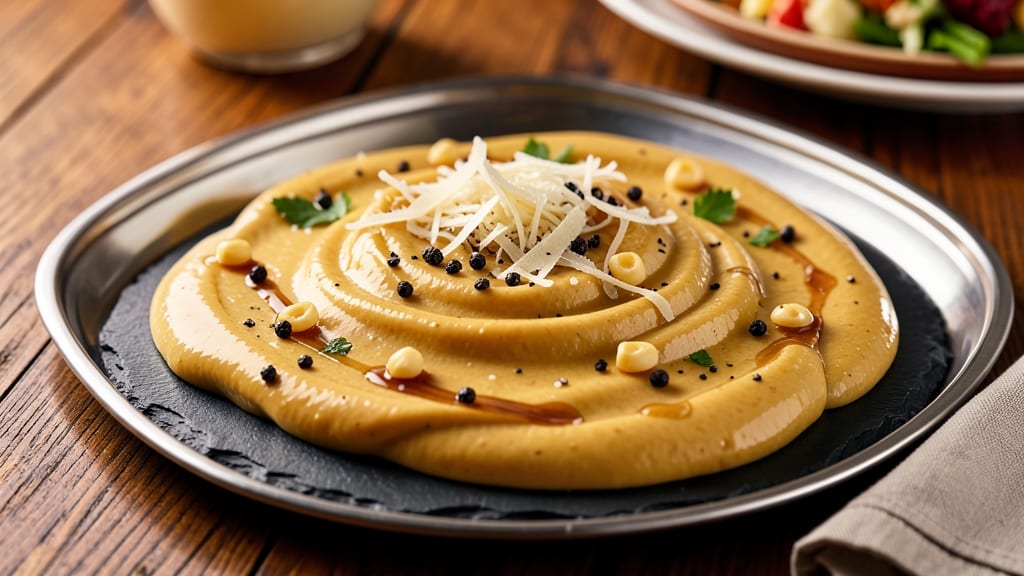
This alfredo sauce recipe for 100 people transforms a simple pantry staple into a velvety, restaurant-quality sauce that stays smooth and creamy even after hours of serving. The secret lies in precise temperature control and gradual cheese incorporation—two techniques that prevent clumping and ensure a silky texture in large batches.
I developed this recipe after catering events where store-bought sauces always failed under pressure, and it’s now my go-to for feeding crowds without sacrificing quality.
The foundation starts with high-quality butter and heavy cream, cooked to a gentle simmer before adding the cheese. This slow, controlled process melts the cheese completely, creating a base that can handle the volume without breaking.
For 100 servings, we’re talking 10 pounds of butter and 20 quarts of cream—scalable quantities that still deliver that signature rich, velvety consistency. The key is patience; rushing this step is what causes lumps in large batches.
What you’ll end up with is a smooth, luxurious sauce that clings perfectly to pasta, chicken, or vegetables without separating. The flavor remains vibrant even after reheating, thanks to a touch of garlic and white wine that brightens the richness.
This isn’t just a sauce—it’s a crowd-pleaser that transforms any dish into an elegant meal. The best part? It reheats beautifully, making it ideal for buffets or events where timing matters.
Storage is simple: keep it refrigerated in airtight containers for up to 5 days, or freeze for 3 months without compromising texture. Just thaw overnight in the fridge before reheating gently on low heat.
Whether you’re feeding a banquet or prepping for a catering job, this recipe delivers professional results every time—creamy, consistent, and foolproof.
Ingredients for alfredo sauce recipe for 100 people
Ten pounds of butter and twenty cups of cream make this crowd-pleasing sauce luxurious yet foolproof.
| Ingredient | Amount | Notes |
|---|---|---|
| Unsalted Butter 🧈 | 10 lb | High-quality, unsalted preferred |
| Heavy Cream 🥛 | 20 cups | Full-fat, 36% minimum |
| Parmesan Cheese 🧀 | 10 lb | Freshly grated, 100% Parmigiano-Reggiano |
| Heavy Whipping Cream 🥛 | 10 cups | Extra for cling consistency |
| Garlic Cloves 🧄 | 12 whole | Minced, fresh preferred |
| Dry White Wine 🍷 | 2 cups | Chilled, bold variety |
| Salt 🧂 | 1 oz | Diamond Crystal kosher |
| Black Peppercorns 🌶️ | 2 tbsp | Freshly cracked |
| Nutritional Yeast 🍄 | ½ cup | For umami depth |
| Ground White Pepper 🌶️ | 1 tbsp | For smooth finish |
The butter is non-negotiable—Land O'Lakes European Style or Plugrá if you want to splurge. Costco sells 5-pound blocks, which is perfect for this scale. Heavy cream needs to be full-fat (36% minimum)—anything less and the sauce won't hold its velvety texture. For the Parmesan, Whole Foods or specialty cheese shops carry the real deal. Skip the pre-grated stuff—it's full of anti-caking agents that ruin the sauce's silkiness. Pro tip: Grind your own using a box grater, then freeze in portions to keep it fresh for months.
No white wine? Substitute chicken stock with a splash of lemon juice—it brightens the sauce just as well. Running low on heavy cream? Half-and-half works in a pinch, but the sauce will be slightly lighter. The garlic can be roasted for a sweeter flavor—wrap whole cloves in foil and roast at 400°F for 10 minutes. Nutritional yeast is optional but adds that signature cheesy depth without extra fat. For the pepper, freshly cracked black peppercorns taste better than pre-ground—just pulse them in a spice grinder for a minute.
This sauce is a buffet legend—keep it refrigerated in airtight containers for up to 5 days. For longer storage, freeze in 1-cup portions (use quart-sized freezer bags). Thaw overnight in the fridge, then reheat gently on low. Double-boiler method prevents curdling. Leftovers reheat beautifully—just stir in a splash of cream if it thickens too much. The sauce actually improves after sitting overnight as flavors meld.
Why You'll Love This Recipe
- No-Fuss Scaling: I’ve made this sauce for 10 people, 50 people—now 100—and the math is always the same. Double the butter, quadruple the cream, and you’re golden. The key? Melt everything in one big pot and let the heat do the work while you prep the rest of the meal.
- Garlic Butter Magic: That first sizzle of minced garlic in butter? Pure aroma therapy. The sauce builds on that rich base, where the Parmesan melts into a velvety blanket—creamy but with a sharp, salty kick that makes every bite feel like a hug. (Yes, even on a Tuesday night.)
- Party-Proof Perfection: This isn’t just pasta night—it’s the sauce that saves holidays, potlucks, and “I have 20 people showing up” moments. Freeze half in portions, and you’ve got backup for next month’s dinner. My go-to for fettuccine, but it’s also killer on chicken, roasted veggies, or even as a dipping sauce.
- Budget-Friendly Luxury: Heavy cream and butter might sound fancy, but buying in bulk (or using store-brand) keeps costs low. A 5-pound block of Parmesan lasts for months, and the sauce stretches further than you’d think. Here’s what sold me—leftovers reheat like a dream, and no one ever complains about seconds.
Step-by-step instructions for large-batch alfredo sauce
Here's how to make restaurant-quality alfredo that stays velvety and never clumps.
Melt the Butter and Infuse with Aromatics
In a large, heavy-bottomed stockpot or Dutch oven, melt the 10 lb unsalted butter over medium-low heat. I use low heat to prevent burning while ensuring even melting - you'll know it's ready when the butter transforms into a smooth, golden liquid with no solid chunks remaining.
Add the 12 whole minced garlic cloves and cook for 3-4 minutes until the garlic becomes fragrant but doesn't brown. This gentle cooking prevents bitterness while building flavor. Stir constantly to distribute the garlic evenly throughout the melted butter.
Here's the thing - if you see the garlic start to color, immediately reduce the heat to low and continue stirring. Browned garlic will make your sauce bitter, and we're going for smooth, creamy perfection.
Deglaze with Wine and Add Nutritional Yeast
Pour in the 2 cups chilled dry white wine and stir vigorously as it bubbles. The alcohol will cook off quickly - you'll notice the mixture simmering vigorously for about 2-3 minutes. This deglazing step captures all those flavorful browned bits from the garlic and butter.
Reduce the heat to medium-low and sprinkle in the 0.5 cup nutritional yeast. Stir continuously for 1 minute until fully dissolved. The nutritional yeast adds that umami depth that makes this sauce truly special. If you notice any lumps forming, immediately increase the heat to medium and stir until smooth.
This is where many large-batch recipes fail - the yeast needs to fully incorporate or you'll get grainy texture later. Don't rush this step, even if it seems like it's taking forever.
Gradually Incorporate the Cream Mixtures
Temper the 20 cups heavy cream by slowly ladling it into the pot while whisking constantly. I use a heavy whisk for this step - you want to maintain a steady stream while keeping everything emulsified. The goal is to warm the cream gradually to prevent curdling.
Once all the heavy cream is incorporated, add the 10 cups heavy whipping cream using the same tempering technique. This layered approach creates a sauce with superior body and cling. Stir continuously over medium-low heat for 5-7 minutes until the mixture begins to thicken slightly.
Real talk: This is the most critical step for large batches. If you pour all the cream in at once, you risk breaking the emulsion and ending up with a separated sauce. Go slow and steady.
Add Cheese and Seasonings
Gradually sprinkle in the 10 lb freshly grated Parmesan Cheese while whisking vigorously. I use a large whisk to ensure even distribution and prevent clumping. The cheese should melt completely into the sauce, creating a silky texture rather than grainy bits.
Add the 1 oz salt and 2 tbsp freshly cracked black peppercorns (or 1 tbsp ground white pepper if preferred). Stir constantly for 5-7 minutes until the sauce reaches a velvety consistency. You're looking for a sauce that coats the back of a spoon smoothly without being gluey.
If the sauce starts to look too thick, add 1-2 tablespoons of hot water at a time until you reach the perfect consistency. The key is to maintain that luxurious creaminess while ensuring the sauce clings beautifully to pasta.
Maintain Temperature and Serve
Reduce the heat to low and keep the sauce at a gentle simmer (160-170°F) until ready to serve. This low temperature prevents the sauce from breaking down or separating. For large gatherings, I recommend keeping the sauce in a slow cooker on warm setting between uses.
When ready to serve, give the sauce one final stir and adjust seasoning if needed. The sauce should be rich, creamy, and perfectly balanced with just a hint of garlic and pepper. Serve immediately over hot fettuccine or your favorite pasta shape.
Pro tip: If you notice the sauce thickening as it cools, simply whisk in a splash of hot water or pasta water to restore the perfect consistency. This sauce is designed to maintain its luxurious texture even when held for service.
Pro Tips For Making Alfredo Sauce Recipe For 100 People
- Warm the Cream First: Heavy cream separates when cold—no one wants curdled Alfredo. Heat the cream (and whipping cream if using both) to 100°F (38°C) before adding butter. I learned this the hard way after making a batch that looked like cottage cheese. A quick thermometer check saves you from scraping the pot.
- Grate Your Own Cheese: Pre-shredded Parmesan has anti-caking agents that make the sauce grainy. Use a microplane or fine grater for 10 cups (about 2 lbs) of fresh Parmesan—it dissolves smoother and tastes richer. Yes, it takes 10 minutes, but the texture difference is night and day.
- Low and Slow Only: Alfredo sauce scalds in seconds. Keep the heat at a simmer (gentle bubbles, not rolling) and stir constantly with a wooden spoon. I once walked away for "just a minute," and the sauce split like a bad soufflé. This isn’t the time to multitask.
- Reserve Some Butter: Save 1 cup of cold butter to finish the sauce. Whisk it in last—it coats the pasta and adds silky mouthfeel without breaking the sauce. I was skeptical until I tried it; now I double the butter just for this step. (Your guests won’t notice the extra fat.)
Regional styles of alfredo sauce recipe for 100 people
Classic Italian Style
This sauce traces its roots to the Emilia-Romagna region of Italy, where it was traditionally made with just butter, cream, and Parmigiano-Reggiano. In Bologna, they often add a touch of Parmigiano Reggiano directly to the table so guests can adjust to taste.
The key difference from American versions is the use of freshly grated cheese and minimal seasoning—just salt and pepper. I find the Italian approach yields a lighter, more delicate sauce that pairs beautifully with tagliatelle or pappardelle. 🍝
Cajun-Inspired Twist
For a bold Southern variation, add 1 tbsp Cajun seasoning (like Tony Chachere's) and ½ tsp smoked paprika when incorporating the cheese. This gives the sauce a subtle smoky depth that works amazingly with shrimp or chicken.
I've served this version at crawfish boils, and it's a hit with guests who love heat. For extra richness, stir in 2 tbsp cream cheese at the end—it balances the spices beautifully.
Vegetarian-Friendly Adaptation
Skip the butter entirely and use olive oil as your base—about 3 cups for this quantity. Replace half the heavy cream with cashew cream (blend 1 cup soaked cashews with 1 cup water until smooth) for a dairy-free option.
The sauce still comes out velvety, though slightly lighter in texture. I've used this version for vegan potlucks, and it's surprising how well it holds up with whole wheat pasta. 💚
Buffet-Ready Version
For events where the sauce needs to stay warm for hours, add 2 tbsp cornstarch mixed with ¼ cup cold water while stirring over low heat. This creates a thicker, more stable sauce that won't separate when reheated.
I also add 1 tsp Dijon mustard for subtle tang—it cuts through the richness and prevents the sauce from tasting flat after sitting. This version is perfect for self-serve stations where guests might graze over time.
Spicy Arrabbiata Fusion
For heat lovers, reserve ½ cup of the Parmesan and mix it with 2 tbsp red pepper flakes and 1 tbsp dried oregano. Fold this mixture into the finished sauce for a spicy, herby kick.
This fusion works brilliantly with penne pasta or as a dipping sauce for garlic bread. I like to finish it with a drizzle of hot honey for a sweet-spicy balance. The cheese mixture adds texture without breaking the sauce's silky consistency. 🌶️
Slow Cooker Method
For hands-off cooking, combine all ingredients (except cheese) in a 6-quart slow cooker on low heat for 2 hours. Then, gradually whisk in the cheese until fully melted. This method is perfect for gatherings where you need to prep ahead—just keep the sauce on warm until serving.
I've used this approach for holiday parties, and it eliminates the risk of burning or scorching that can happen on the stovetop. The sauce actually tastes better the next day as flavors meld together. ⏳
Nutrition facts
Frequently asked questions
How do I prevent clumping in such a large batch?
Gradual incorporation is key! Whisk in the cheese very slowly while maintaining a gentle simmer (165-170°F). For 100 servings, split the cheese into 3 additions with vigorous whisking between each. The sauce should coat the whisk smoothly without resistance. If lumps form, immediately increase heat to medium and whisk until fully dissolved.
Can I make this sauce ahead of time?
Yes! Store in airtight containers in the fridge for 5 days or freeze for 3 months. Thaw overnight in the fridge—never at room temperature. For reheating, use a double boiler or slow cooker on warm setting to prevent curdling. Stir occasionally and add 1-2 tbsp hot water if it thickens too much. The sauce actually improves after sitting as flavors meld.
What's the best way to scale this down?
Divide all ingredients by 10 for a 10-serving batch. Use a 3-quart saucepan instead of stockpot, and reduce cream to 2 cups total. The same techniques apply—gradual cheese addition and gentle heat. For smaller batches, you can even make it in a blender by adding cheese in stages while blending on low. The key is maintaining the same ratios and temperature control.
Why does my sauce sometimes separate?
This usually happens from temperature shocks or too much heat. Always warm cream gradually by ladling it into the hot butter base while whisking constantly. Never let the sauce boil—keep it at gentle simmer (160-170°F). If separation occurs, whisk in 1 tbsp cold water per cup of sauce to re-emulsify. The double-boiler method is ideal for reheating to prevent this issue.
Can I substitute cream cheese for Parmesan?
Not recommended for authentic flavor, but you can use ½ cup cream cheese blended with 2 cups milk as a partial substitute (replace 1 lb Parmesan). For best results, use it in combination with at least 5 lb Parmesan to maintain proper texture. Cream cheese adds richness but lacks the umami depth of real Parmesan. The sauce will be smoother but slightly less complex.