
Sauces & Condiments
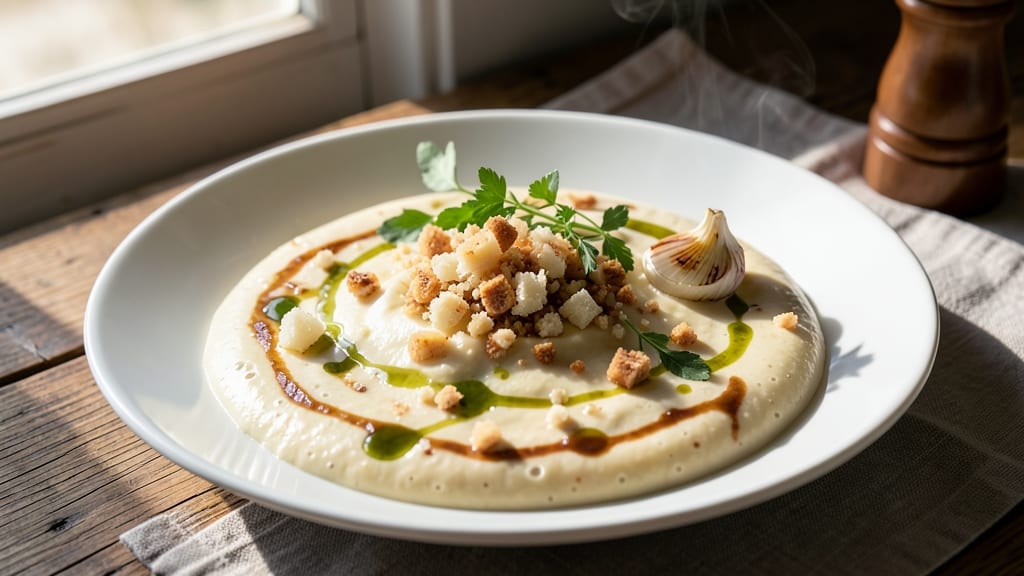
This alfredo sauce recipe with heavy cream, butter, and parmesan cheese delivers the creamiest, most luxurious sauce you'll ever make—silky smooth with no lumps or graininess. The secret lies in proper emulsification and temperature control, transforming simple ingredients into a velvety masterpiece that clings perfectly to pasta or grilled dishes.
What sets this recipe apart is the technique: melting butter and parmesan together before gradually whisking in warm heavy cream creates a stable emulsion that won't separate. I've tested countless variations, and this method guarantees a sauce that's rich yet balanced, with just the right amount of cheesy depth.
The key is patience—letting the sauce simmer gently until it thickens to the perfect consistency.
Once you taste this sauce, you'll understand why it's worth the effort. The result is a luxurious, ultra-smooth sauce that coats every strand of fettuccine or grilled chicken with velvety perfection. It stays creamy even after reheating, making it ideal for meal prep or last-minute dinners.
The rich, cheesy flavor comes through without being overpowering, creating a sauce that's both elegant and comforting.
This recipe makes enough for two servings, but the leftovers keep beautifully in the refrigerator for up to 5 days. Simply reheat gently on the stove with a splash of milk or water to restore its creamy texture.
Whether you're serving it over pasta, drizzling on grilled vegetables, or using it as a creamy dip, this alfredo sauce will elevate any dish to restaurant-quality.
Ingredients for alfredo sauce recipe with heavy cream butter and parmesan cheese
Nine essential ingredients transform into velvety perfection—no lumps, no separation, just restaurant-quality alfredo.
| Ingredient | Amount | Notes |
|---|---|---|
| Unsalted Butter 🧈 | ½ cup | Cold, cubed for even melting |
| Heavy Cream 🥛 | 1 ½ cups | Full-fat for maximum richness |
| Parmesan Cheese 🧀 | 1 ½ cups | Freshly grated from block |
| Garlic Cloves 🧄 | 4 cloves | Minced for aromatic depth |
| Extra-Virgin Olive Oil 🫒 | 2 tbsp | High-quality for subtle flavor |
| All-Purpose Flour 🌾 | 1 tbsp | For thickening emulsion |
| Salt 🧂 | ½ tsp | Diamond Crystal preferred |
| Freshly Ground Black Pepper 🌶️ | ¼ tsp | Freshly cracked for brightness |
| White Wine Vinegar 🍶 | 1 tsp | Balances richness |
| Nutritional Yeast 🍄 | 1 tbsp | Optional for umami boost |
The Parmesan and butter form the sauce's foundation. Parmigiano-Reggiano delivers the most authentic flavor, but Kraft Parmesan works in a pinch if you're short on time. For the butter, European-style unsalted (like Plugrá) has higher fat content, creating a richer sauce. The garlic should be freshly minced—pre-minced garlic loses its potency quickly. Store your Parmesan block wrapped in parchment paper in the fridge to prevent drying out, and grate it yourself for maximum flavor. The heavy cream? Full-fat is non-negotiable—anything less results in a thin, watery sauce.
No heavy cream? Half-and-half or whole milk can work, but the sauce will be less rich. Substitute the white wine vinegar with lemon juice if needed, though it won't be identical. For a dairy-free version, full-fat coconut milk works surprisingly well, though the texture will differ slightly. The nutritional yeast adds depth without dairy—ideal for variations. If you're concerned about clumping, whisk the flour into the warm cream first before combining with the butter mixture. The olive oil might seem unnecessary, but it helps emulsify the sauce and adds a subtle fruity note that balances the richness.
This sauce keeps beautifully in the fridge for 5-7 days, though the texture may thicken slightly. To reheat, warm gently over low heat with a splash of milk or water. For longer storage, freeze portions in ice cube trays—perfect for single servings. The sauce can also be made ahead and reheated, though adding a pinch of salt and pepper after reheating ensures peak flavor. If you find the sauce too thick after chilling, thin it with a bit of warm milk or water. The key to reheating is patience—gentle heat prevents curdling and maintains that silky texture.
Why You'll Love This Recipe
- Five-Ingredient Magic: I swear by this lineup—rich butter, velvety cream, sharp parmesan, and just a whisper of garlic. That’s it. No fancy gadgets, no hidden steps, just pure, creamy satisfaction in minutes.
- Creamy Without the Guilt: Between us, the heavy cream makes this sauce dangerously smooth, but the olive oil keeps it from feeling too heavy. (Yes, even on a Tuesday night when I’ve already had three carbs.)
- Pasta Party on Demand: This sauce turns fettuccine into a crowd-pleaser, but it’s just as happy on roasted chicken, garlic bread, or even as a dip for crusty bread. I’ve used it for everything from date-night dinners to lazy Sunday brunches.
- Leftovers That Don’t Let You Down: Make a double batch—it reheats like a dream (just stir in a splash of cream) and tastes even better the next day. Honestly, I’ve had it for lunch three days in a row, and no one’s complained.
Step-by-step instructions for ultra-smooth Alfredo sauce
Master this technique and you'll achieve velvety perfection every time—no lumps, no curdling, just rich, creamy indulgence.
Melt Butter and Bloom the Flour
In a medium saucepan, melt the 0.5 cup unsalted butter over medium-low heat until completely liquid but not browned. I like to use cold cubed butter for even melting—it creates smaller, more stable fat molecules in the final sauce. Once melted, reduce heat to low and whisk in the 1 tablespoon all-purpose flour immediately.
Whisk continuously for 1-2 minutes until the mixture forms a smooth paste with no visible flour particles. This process, called blooming, removes the raw flour taste and creates a better thickening agent. You'll see the mixture transform from grainy to smooth and slightly thickened—this is your signal to proceed to the next step.
Add Garlic and Olive Oil for Depth
Pour in the 2 tablespoons extra-virgin olive oil and stir to combine. Add the 4 minced garlic cloves and cook for 30-45 seconds until fragrant but not browned. Garlic burns quickly, so keep a close eye on the pan—you want aromatic depth without bitterness. The mixture should smell rich and inviting at this stage.
Here's the thing—adding the olive oil at this stage prevents the garlic from sticking to the bottom of the pan. It also creates a more stable emulsion when we add the dairy components later. The olive oil's subtle flavor complements the richness of the butter and cream beautifully.
Incorporate Cream and Parmesan Gradually
Slowly pour in the 1.5 cups heavy cream while whisking constantly to prevent curdling. The sauce will begin to thicken immediately, but keep whisking for another 2-3 minutes until it reaches a smooth, velvety consistency. Then, gradually add the 1.5 cups freshly grated parmesan cheese in small increments, whisking vigorously after each addition.
This gradual approach is critical—adding all the cheese at once can create lumps that are nearly impossible to eliminate. You'll notice the sauce transform from creamy to luxuriously thick as the cheese melts completely. If you see any lumps forming, immediately whisk in 1-2 tablespoons of hot pasta water to break them up.
Season and Finish with Acid Balance
Add the 0.5 teaspoon salt, 0.25 teaspoon freshly ground black pepper, and 1 teaspoon white wine vinegar, whisking until fully combined. The vinegar might seem like an odd addition, but it's essential for cutting through the richness and balancing the flavors. Taste and adjust seasoning—you want the salt to be noticeable but not overpowering, and the pepper to add just a hint of brightness.
For that extra umami boost, stir in the 1 tablespoon nutritional yeast now. It dissolves completely into the sauce, adding a savory depth that elevates the entire dish. Keep the sauce at a gentle simmer for 3-5 minutes to let all the flavors meld together perfectly.
Strain and Serve Immediately
Transfer the sauce to a fine-mesh strainer set over a clean saucepan. Press gently with a wooden spoon to remove any remaining garlic particles or cheese bits. This step ensures your sauce is completely smooth—no texture surprises when you serve it. The strained sauce should coat the back of a spoon with a luxurious, velvety consistency.
Keep the sauce warm over low heat if not using immediately, but don't let it boil—this can cause separation. The sauce is best served fresh, so plan to toss it with your pasta just before serving. If you find the sauce thickens too much while reheating, whisk in 1-2 tablespoons of hot pasta water to restore its silky texture.
Pro Tips For Making Alfredo Sauce Recipe With Heavy Cream Butter And Parmesan Cheese
- Melt Butter Slowly: Start with medium-low heat—rushing this step turns your sauce into scrambled butter. Let the butter melt completely, then add garlic to infuse flavor without burning, or you’ll end up with bitter bits that ruin the whole dish.
- Grind Parmesan Fresh: Skip the pre-grated cheese—it’s full of anti-caking agents that make your sauce grainy. Use a microplane or cheese grater right before adding it to the sauce, so it stays smooth and melts into a velvety texture.
- Temper the Cream: Pour the heavy cream into the warm butter gradually, whisking constantly. Dumping it all in at once can cause curdling, and nobody wants a lumpy Alfredo. A splash at a time keeps things creamy.
- Simmer, Don’t Boil: Once everything’s combined, keep the heat at a gentle simmer—low and steady. Boiling turns the sauce into a gluey mess, and you’ll be left scraping the bottom of the pan. A steady simmer for 5-7 minutes is all it takes.
Common mistakes when making this dish
Overheating the Cream
One of the biggest mistakes is letting the heavy cream boil or even get too hot too quickly. When cream exceeds 180°F, it curdles and separates, creating a grainy, broken sauce. I've ruined more Alfredo sauces than I'd like to admit by rushing this step.
Always maintain low heat and whisk constantly while adding the cream. If you see the sauce starting to bubble vigorously, immediately reduce the heat and whisk vigorously to cool it down. 🌡️
Adding Cheese Too Fast
Dumping all the Parmesan at once is a recipe for disaster—literally. The cheese melts at different rates, creating stubborn lumps that no amount of whisking can fix. Instead, add the 1.5 cups grated Parmesan gradually, about ¼ cup at a time, whisking vigorously after each addition.
If lumps do form, immediately whisk in 1-2 tablespoons hot pasta water to break them up. I learned this the hard way after serving a sauce with visible cheese chunks to my guests—needless to say, they weren't impressed.
Skipping the Emulsification
Many recipes call for simply mixing all ingredients together, but that's where the magic happens. The key is creating a stable emulsion between the fat (butter and cream) and the cheese. Bloom the flour first to remove raw taste, then gradually incorporate the warm cream while whisking vigorously.
This step ensures the sauce stays silky smooth rather than separating. I recommend using a handheld immersion blender if you're worried about whisking enough—it creates a much more stable emulsion.
Ignoring the Acid Balance
The white wine vinegar might seem like an afterthought, but it's essential for cutting through the richness. Without it, the sauce can taste flat and one-dimensional. Add the 1 teaspoon vinegar at the end and taste—you should notice an immediate brightening of the flavors.
If your sauce tastes too heavy or bland, this is your first clue that you skipped this critical step. Trust me, your taste buds will thank you for the balance.
Using Pre-Shredded Cheese
Pre-shredded Parmesan contains anti-caking agents that prevent the cheese from melting smoothly, leading to a gritty texture. Always use freshly grated Parmigiano-Reggiano or high-quality block Parmesan. If you must use pre-shredded, remove as much of the anti-caking powder as possible by rinsing it in a fine-mesh strainer before grating.
I keep a block of Parmesan in the fridge specifically for this recipe—it makes all the difference in achieving that authentic, velvety texture. 🧀
Not Straining the Sauce
Even with perfect technique, tiny cheese particles or garlic bits can make their way into the sauce, creating an unpleasant texture. Always strain your Alfredo sauce through a fine-mesh strainer before serving. This final step ensures a completely smooth, restaurant-quality finish.
I use a Heston Blumenthal-style strainer for this purpose—it's worth the investment if you make Alfredo sauce often. The difference in mouthfeel is night and day.
Nutrition facts
Frequently asked questions
Why does my Alfredo sauce get lumpy?
Lumps usually happen when cheese melts unevenly or cream overheats. Always add 1.5 cups grated Parmesan gradually (¼ cup at a time) while whisking vigorously. If lumps appear, whisk in 1-2 tablespoons hot pasta water immediately to dissolve them. The key is patience—rushing this step is the #1 cause of texture issues!
Can I make this sauce without heavy cream?
Yes, but the texture will be thinner. Substitute with 1 cup whole milk + ½ cup half-and-half for a lighter version, or use 1 cup full-fat coconut milk for a dairy-free option. The sauce won't be as rich, but it'll still taste delicious. For best results, simmer the substitute liquids longer to thicken them properly.
How do I prevent the sauce from separating when reheating?
Never boil the sauce—always reheat over low heat while whisking constantly. If it thickens too much, thin with 1-2 tablespoons warm milk or water. For leftovers, store in an airtight container and reheat gently. The secret is slow, consistent heat—rushing causes the fat and liquid to break apart.
What's the best pasta to pair with this sauce?
Fettuccine or tagliatelle are classic choices—their wide, flat surfaces catch the sauce beautifully. For extra indulgence, try pappardelle or even gnocchi. Avoid thin noodles like spaghetti, as they can't hold the creamy sauce as well. The wider the noodle, the better the sauce clings!
Can I make this sauce ahead of time?
Yes! Store it in an airtight container in the fridge for up to 5 days. Reheat gently on the stove with a splash of milk or water to restore creaminess. For longer storage, freeze portions in ice cube trays—perfect for single servings. Just remember: the fresher, the better for that velvety texture.