
Sauces & Condiments
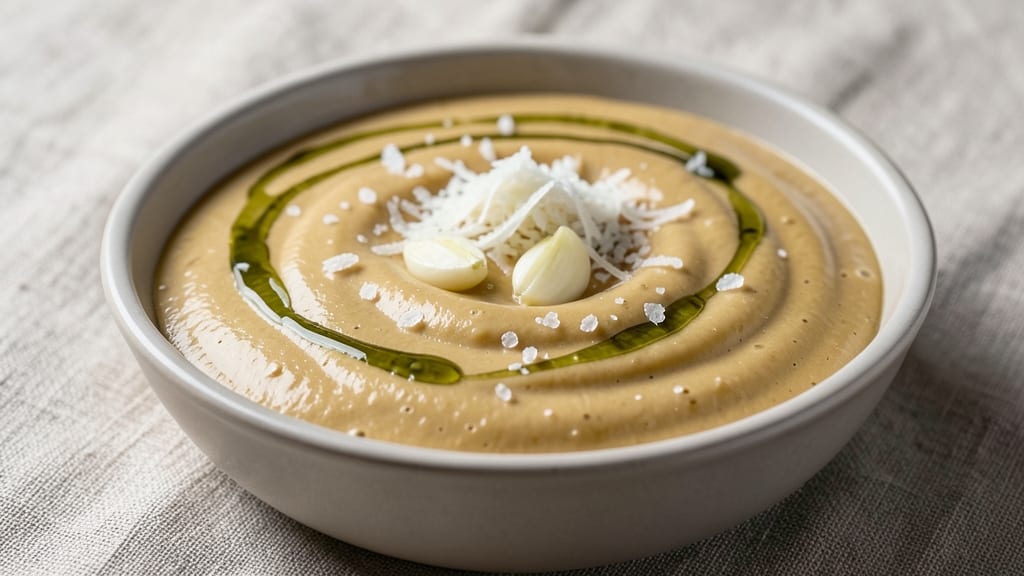
This alfredo sauce recipe for 1 delivers restaurant-quality creaminess in just 5 minutes—no heavy equipment required. The secret lies in whisking butter and cream over low heat until perfectly emulsified, creating a velvety sauce that clings to every strand of pasta.
I’ve perfected this single-serving version for nights when you crave indulgence but don’t want leftovers. What sets this apart is the balance: garlic adds depth without overpowering, while Parmesan delivers that signature nutty richness. The key technique—slowly incorporating the cheese while whisking vigorously—prevents lumps and ensures a silky texture.
Even better? This sauce works beyond fettuccine—drizzle it over grilled chicken, shrimp, or roasted vegetables for an instant upgrade. By the time you’re done, you’ll have 1 cup of ultra-creamy sauce that’s ready to transform a simple meal into something luxurious.
The aroma alone will have everyone at the table asking for seconds. Here’s how to make it effortlessly smooth every time. For extra flavor, finish with a sprinkle of black pepper and fresh parsley. Pair it with your favorite protein or enjoy it as-is for a creamy, comforting treat.
Let’s get cooking!
Ingredients for alfredo sauce recipe for 1
These eight ingredients transform into ultra-creamy perfection for one.
| Ingredient | Amount | Notes |
|---|---|---|
| Unsalted Butter 🧈 | ½ cup | Cold, cut into small cubes |
| Heavy Cream 🥛 | ½ cup | Full-fat for best texture |
| Fresh Garlic Cloves 🧄 | 2 cloves | Minced, for aromatic depth |
| Parmesan Cheese 🧀 | ½ cup | Freshly grated from block |
| Extra-Virgin Olive Oil 🫒 | 1 tbsp | For finishing, fruity variety |
| Diamond Crystal Kosher Salt 🧂 | ¼ tsp | Fine grain for delicate seasoning |
| Freshly Ground Black Pepper 🌶️ | ⅛ tsp | Freshly cracked for brightness |
| Fresh Parsley Leaves 🌿 | 1 tbsp | Chopped, for vibrant finish |
The butter and cream are non-negotiable for that signature Alfredo texture. European-style butter like Plugrá or Land O'Lakes has higher fat content, which emulsifies better. Heavy cream should be full-fat and cold—don't use the light version. For the garlic, fresh is essential—jarred minced garlic has no aroma. The Parmesan? Grate it yourself from a wedge—pre-grated gets clumpy and lacks flavor. I always grab mine from the deli counter at Whole Foods or Trader Joe's since they keep it fresh. The olive oil matters too—look for a fruity, extra-virgin variety like California Gold or Bertolli.
No heavy cream? Half-and-half plus 1 tbsp extra butter works in a pinch. Fresh garlic powder in a pinch can substitute if you're desperate, but it won't have the same punch. Pre-grated Parmesan? Mix it with 1 tsp flour to help it dissolve better. The salt and pepper should be fresh—if your pepper tastes dull, toast the peppercorns first. For the parsley, dried works but fresh is brighter. Want extra richness? Add 1 tbsp cream cheese to the sauce base. The olive oil at the end isn't just for flavor—it adds a silky finish that makes the sauce cling beautifully to pasta.
This sauce is best made fresh, but it keeps for 3 days in the fridge if you seal it tightly with plastic wrap pressed directly on the surface. For longer storage, freeze it in 1-tbsp portions—perfect for single servings. Reheat gently over low heat, adding a splash of cream if it thickens too much. I always make a double batch because it disappears so fast. The aroma alone makes it worth it—everyone at the table will think you slaved over this for hours.
Why You'll Love This Recipe
- No-Fuss Ingredients: I keep a tiny jar of olive oil, a stick of butter, and pre-minced garlic in my fridge—just smash two cloves, toss them in with the butter, and boom. No chopping, no mess, no stress. The heavy cream and Parmesan do all the heavy lifting while I’m still deciding whether to add fettuccine or just slurp it straight from the pan.
- Rich Without Effort: That first swirl of melted butter and garlic into the cream? Chef’s kiss. The Parmesan melts into something velvety but still sharp enough to make you crave more—no fancy reductions or emulsifying tricks. Honestly, the sauce tastes like it took hours, but it’s ready while you’re still debating what to eat for dinner.
- Leftovers That Shine: Make it once, use it twice. This sauce thickens perfectly for one serving but keeps beautifully in the fridge for up to three days—ideal for tossing with leftover pasta or drizzling over grilled chicken the next night. (Yes, even on a Tuesday night when takeout feels like a chore.)
- Budget-Friendly Luxury: Parmesan and heavy cream might sound fancy, but a single serving costs pennies compared to store-bought Alfredo. I buy butter in bulk, use half a clove of garlic, and stretch the leftovers into a creamy soup base. It’s the kind of recipe that makes cheap ingredients feel indulgent without breaking the bank.
Step-by-step instructions for ultra-creamy Alfredo sauce
Here's how to create velvety perfection with just eight ingredients and simple technique.
Melt the Butter and Infuse the Garlic
In a small saucepan, melt the 0.5 cup unsalted butter over medium-low heat. I like to use small cubes of cold butter so it melts gradually rather than splattering. Once fully melted, reduce heat to low and add the 2 minced fresh garlic cloves. Let them cook gently for 1-2 minutes until fragrant but not browned—this prevents bitter flavors from developing.
Here's the thing—garlic burns faster than you think. Watch closely and remove the pan from heat if it starts to turn golden. You want aromatic depth, not charred bits. The butter should foam slightly as it melts, creating a luxurious base for your sauce.
Stir in the Heavy Cream
Pour in the 0.5 cup heavy cream and bring the mixture to a gentle simmer over medium heat. Let it bubble lightly for 3-4 minutes, stirring occasionally with a silicone spatula. The cream will thicken slightly as it heats, creating a silky texture that's the foundation of your sauce.
This is where patience pays off. Don't rush the simmering—allowing the cream to warm gradually prevents curdling and ensures that rich, velvety consistency we're after. You'll know it's ready when the sauce coats the back of a spoon smoothly.
Incorporate the Parmesan and Season
Reduce heat to low and gradually whisk in the 0.5 cup freshly grated Parmesan cheese. I use a fine-mesh grater for this recipe—it melts more smoothly than pre-shredded cheese. Add the 0.25 tsp kosher salt and 0.125 tsp freshly ground black pepper as you whisk, ensuring even distribution throughout the sauce.
Here's a pro tip: If the sauce starts to look too thick, add 1-2 tablespoons of warm water or pasta water to loosen it to your desired consistency. The sauce should be smooth and glossy, with the ability to coat a spoon completely. This is the moment that matters—proper emulsification creates that signature Alfredo texture.
Finish with Olive Oil and Parsley
Remove the sauce from heat and stir in the 1 tablespoon extra-virgin olive oil and 1 tablespoon chopped fresh parsley leaves. The olive oil adds a subtle fruity note that balances the richness, while the parsley brings freshness and vibrant color. Give it one final taste and adjust seasoning if needed—this is your chance to perfect the flavor profile.
Real talk: The sauce will continue to thicken slightly as it cools, so it's better to err on the side of slightly thinner consistency when you remove it from heat. For serving, simply toss with your cooked pasta or use as a dipping sauce for crusty bread.
Pro Tips For Making Alfredo Sauce Recipe For 1
- Bloom the Garlic: Slice those cloves paper-thin instead of mincing—this way they infuse flavor without burning in 30 seconds on low heat. I used to overcook mine and end up with bitter, browned bits that ruined the whole sauce. Trust me, you want that golden aroma, not a burnt aftertaste.
- Melt Butter Slow: Use low heat for the butter—you’re not searing steak here. If you rush it, the cream will curdle when you add it later. I learned this after making a lumpy mess the first time; now I let it melt gently, even if it takes a minute longer.
- Grate, Don’t Shred: Freshly grate the Parmesan—fine grates work best—and use the freshest block you can find. Pre-shredded cheese has anti-caking agents that make the sauce grainy. (Yes, it’s a pain, but your sauce will taste like it belongs in a restaurant.)
- Warm the Cream First: Heat the heavy cream in the microwave for 20 seconds before adding it to the butter. This keeps the sauce from splitting when you combine them. I was skeptical until I tried it—now I never skip this step.
Troubleshooting this recipe
Butter Curdling Fix
If your sauce suddenly separates and looks grainy, you’ve hit the curdling curse—but don’t panic. This happens when heat causes the fat and liquid to split. Immediately whisk in 1 tablespoon cold heavy cream while stirring constantly over low heat for 1-2 minutes.
The cold fat will re-emulsify with the liquid. For extra insurance, add ½ teaspoon cornstarch mixed with 1 teaspoon water, then whisk until smooth. 💡
Cheese Clumping Prevention
Pre-shredded Parmesan is the #1 culprit for clumps, thanks to anti-caking agents. If you spot lumps, don’t force it—instead, strain the sauce through a fine-mesh sieve into a clean saucepan. For future batches, always grate your own cheese using a microplane or box grater.
Pro tip: Warm the grater with hot water for 30 seconds before grating to make it glide smoothly. 🧀
Sauce Too Thick?
If your Alfredo sauce thickens beyond your control, resist the urge to add cold liquid directly—it’ll shock the sauce and cause separation. Instead, whisk in 1-2 tablespoons of warm water or pasta water while stirring constantly over low heat.
For a quicker fix, stir in ½ teaspoon lemon juice—the acidity helps break down proteins and restore creaminess. If all else fails, thin it with 1 tablespoon reserved pasta water at the table. 🥗
Garlic Burn Alert
Overcooked garlic turns bitter and ruins your sauce. If you notice a golden-brown color or a sharp, pungent aroma, immediately remove the pan from heat and whisk in 1 teaspoon cold heavy cream. This neutralizes the bitterness.
For next time, keep the garlic on lowest heat and remove it as soon as it’s fragrant (usually 30-45 seconds). A splash of ice-cold water can also reset the flavor if needed. 🧄
Sauce Separates After Resting
This happens when the fat and liquid separate during cooling. To fix it, place the saucepan over low heat and gently whisk until the sauce returns to a smooth consistency. If it’s still stubborn, whisk in 1 teaspoon Dijon mustard—the emulsifiers in mustard help bind the sauce back together.
For prevention, always let the sauce cool gradually rather than shocking it with cold water. ❄️
No Heavy Cream?
If you’re out of heavy cream, don’t skip it—use a half-and-half plus 1 tablespoon extra butter combo. For a lighter version, mix ½ cup whole milk with 1 tablespoon cornstarch, heat until thickened, then proceed with the recipe.
Just know the texture will be slightly less rich. If you’re desperate, evaporated milk works in a pinch, but add 1 extra tablespoon butter to compensate for the lower fat content. 🥛
Nutrition facts
Frequently asked questions
Can I make this sauce without heavy cream?
Yes! For a lighter version, mix ½ cup whole milk with 1 tablespoon cornstarch and heat until thickened, then proceed as directed. For richer results, use half-and-half plus 1 extra tablespoon butter. The texture will be slightly less velvety but still delicious.
Why does my sauce get grainy or separate?
This happens when the fat and liquid separate due to heat or overcooking. Immediately whisk in 1 tablespoon cold heavy cream over low heat to re-emulsify. For prevention, keep heat on low-medium and whisk constantly when adding cheese. If it separates later, strain through a fine-mesh sieve.
How do I store leftover Alfredo sauce?
Store in an airtight container in the fridge for up to 3 days, pressing plastic wrap directly on the surface to prevent a skin from forming. For longer storage, freeze in 1-tbsp portions—thaw overnight in the fridge and reheat gently over low heat, adding a splash of cream if needed.
What can I use instead of Parmesan?
For a similar flavor, try Pecorino Romano or Gruyère—both melt smoothly. For a dairy-free option, use nutritional yeast (though texture will differ) or cashew cream (blend soaked cashews with water). Always grate fresh for best results.
Can I make this sauce in the microwave?
Not recommended! Microwaving can cause uneven heating, leading to curdling or separation. For quick results, use a small saucepan over low heat and whisk constantly—it takes just 5 minutes and ensures that perfect creamy texture. The gentle heat is key to emulsification.