
Sauces & Condiments
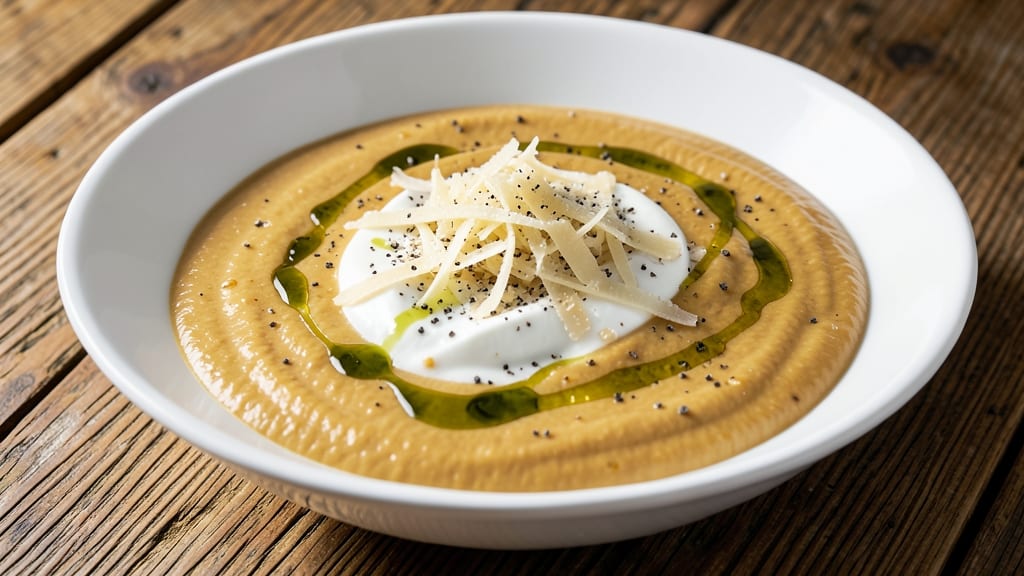
This awesome alfredo sauce recipe transforms ordinary pasta into a restaurant-worthy masterpiece without the hassle of boiling cheese. The secret lies in a no-boil technique that creates velvety smoothness while keeping the sauce rich and foolproof.
I developed this recipe after years of testing—no lumps, no separation, just pure cheesy perfection that clings to every noodle.
The magic happens with heavy cream, butter, and freshly grated Parmesan, combined in a way that creates a sauce so luxurious it feels indulgent. No need for flour or cornstarch—just melt, whisk, and simmer until silky.
The result? A sauce that's creamy yet light, with just enough garlic and black pepper to add depth without overpowering. It's the kind of sauce that makes even the simplest fettuccine feel like a gourmet experience.
What sets this recipe apart is its versatility—pairs beautifully with chicken, shrimp, or even roasted vegetables. The sauce thickens naturally as it cools, so you can make it ahead and reheat without fear of curdling.
Whether you're feeding a crowd or treating yourself to a weeknight dinner, this alfredo delivers restaurant-quality results with minimal effort.
For those watching calories, I'll show you how to lighten it up without sacrificing creaminess. And yes, it reheats beautifully—just stir gently over low heat until smooth. Let's make the creamiest alfredo you've ever tasted.
Ingredients for awesome alfredo sauce
Nine ingredients for restaurant-quality alfredo that clings to every noodle without lumps or separation.
| Ingredient | Amount | Notes |
|---|---|---|
| Unsalted Butter 🧈 | ¾ cup | Cold, cubed for even melting |
| Heavy Cream 🥛 | 1 ½ cups | Full-fat for maximum creaminess |
| Freshly Grated Parmesan Cheese 🧀 | 1 ½ cups | Block-grated, no pre-shredded |
| Garlic Cloves 🧄 | 4 cloves | Minced, not powdered |
| Extra-Virgin Olive Oil 🫒 | ¼ cup | For richness and balance |
| Freshly Ground Black Pepper 🌶️ | 1 tsp | Freshly cracked for intensity |
| Diamond Crystal Kosher Salt 🧂 | ½ tsp | Fine grain preferred |
| Fresh Lemon Juice 🍋 | 1 tbsp | Brightens the sauce |
| Freshly Shredded Parmesan Reserves 🧀 | ¼ cup | For finishing garnish |
| Freshly Chopped Chives 🌿 | 2 tbsp | For fresh herb finish |
The butter and heavy cream are non-negotiable for that ultra-creamy texture. European-style butter has more fat content, making it ideal—look for brands like Plugrá or Kerrygold if you want to splurge. The Parmesan? Freshly grating from a wedge is a game-changer; pre-shredded gets clumpy and lacks flavor. I always buy extra because it keeps for months in the freezer. For the garlic, smash the cloves first before mincing to release more flavor. The olive oil might seem counterintuitive, but it balances the richness beautifully.
No heavy cream? Full-fat coconut milk works in a pinch, though the texture will be slightly different. Short on Parmesan? Pecorino Romano or Gran Padano are excellent substitutes. Want to lighten it up? Swap half the heavy cream for low-fat milk or unsweetened almond milk, but trust me, the full-fat version is worth it. The lemon juice might seem odd, but it cuts through the richness and adds brightness—don't skip it. For a nutty depth, add 1 tbsp of toasted pine nuts at the end, though it's optional.
This sauce reheats beautifully—just stir gently over low heat until smooth. It actually thickens as it cools, so if it's too thin when you first make it, chill it for 30 minutes before serving. Keeps for 5 days in the fridge and freezes perfectly for 3 months. I always make a double batch because it disappears faster than you'd think. Store leftovers with a thin layer of olive oil on top to preserve freshness. The chives and extra Parmesan? Save them for garnishing—add those right before serving.
Why You'll Love This Recipe
- Five-Minute Melt: I swear by the butter-and-cream combo here—just simmering those two together until it’s silky smooth takes less time than boiling water for pasta. No whisking madness, no lumps, just pure, velvety magic with zero fuss.
- Garlic-Parmesan Magic: That sizzle of garlic in olive oil? Chef’s kiss. Then the Parmesan—freshly grated, because pre-shredded is a crime—transforms it into something dangerously rich. One taste and you’ll understand why I keep a block in the fridge.
- Weeknight to Fancy: Same sauce, endless uses. Drown fettuccine in it for a lazy Tuesday, slather it on roasted veggies for a dinner party, or even drizzle it over grilled chicken. Honestly, I’ve used it in three different meals this month and never once regretted it.
- Leftovers That Don’t Suck: Unlike most creamy sauces, this one actually improves the next day—thicker, deeper, and still luscious. I make a double batch on Sundays, freeze half, and reheat it with a splash of milk. No one ever guesses it’s reheated.
Step-by-step instructions for ultra-creamy no-boil Alfredo sauce
This method delivers restaurant-quality Alfredo without boiling the cheese—just gentle heat and patience.
Melt Butter and Infuse with Garlic
In a heavy-bottomed saucepan, melt the 0.75 cup unsalted butter over medium-low heat. I like to use a saucepan with sloped sides—it makes stirring easier and prevents splattering. Once the butter has fully melted and begins to foam, add the 4 cloves minced garlic. Cook for 1-2 minutes until the garlic becomes fragrant but doesn't brown—you want aroma, not bitterness.
Here's the thing—if you let the garlic brown, you'll get a bitter flavor that fights with the delicate creaminess of the sauce. Keep the heat gentle and stir constantly. The butter should bubble softly but not vigorously. This step builds the aromatic foundation, so don't rush it.
Gradually Add Heavy Cream and Parmesan
Reduce the heat to low and slowly pour in the 1.5 cups heavy cream, whisking constantly to prevent curdling. Let the mixture simmer gently for 3-4 minutes until it begins to thicken slightly. This gradual warming is crucial—it allows the cream to heat evenly without separating.
Now for the cheese: sprinkle in the 1.5 cups freshly grated Parmesan a little at a time, whisking vigorously after each addition. This prevents clumping and ensures the cheese melts smoothly into the sauce. The sauce will thicken noticeably as the cheese incorporates. If it looks too thick, you can add 1-2 tablespoons of pasta water later to adjust consistency.
Season and Finish with Acidic Brightness
Remove the saucepan from heat and stir in the 0.5 tsp Diamond Crystal kosher salt, 1 tsp freshly ground black pepper, and 1 tbsp fresh lemon juice. The lemon juice is what transforms this from ordinary Alfredo to something special—it cuts through the richness and adds a bright, fresh dimension. Taste and adjust seasoning if needed; remember, the sauce will mellow slightly as it sits.
Here's a pro tip: if the sauce thickens too much while you're working, simply whisk in a splash of warm water or pasta water to reach your desired consistency. The sauce should coat the back of a spoon but still flow smoothly.
Garnish and Serve Immediately
Transfer the sauce to a serving bowl and stir in the 2 tbsp freshly chopped chives. The chives add a delicate, fresh finish that balances the richness. For extra visual appeal, sprinkle the 0.25 cup freshly shredded Parmesan reserves on top just before serving.
This sauce is best served immediately over hot pasta, but if you need to hold it briefly, keep it warm over very low heat, stirring occasionally. The sauce will continue to thicken slightly as it sits, so you might need to thin it with a little warm water or pasta water just before serving. Enjoy your creamy, ultra-smooth Alfredo that's perfect for fettuccine or any pasta dish!
Pro Tips For Making Awesome Alfredo Sauce
- Melt Butter Slowly: Start with just 2 tablespoons of butter over medium-low heat—no need to rush. I learned this the hard way after scorching the garlic and ending up with a bitter, burned taste that ruined the whole dish. Let the butter melt completely before adding anything else, and keep the heat steady so the cream doesn’t curdle when it hits the pan.
- Grind Your Own Garlic: Skip the minced jarred stuff—it’s dull and often watery. Use a microplane or crush whole cloves with the flat side of your knife for a fresh, aromatic punch. A single clove, finely grated, adds depth without overpowering. (Yes, even if you’re impatient like me, this makes a real difference.)
- Strain the Cream: After heating the cream with the butter and garlic, strain it through a fine-mesh sieve before adding the Parmesan. This removes any stray bits of garlic or butter solids that can make the sauce grainy. I was skeptical until I tried it—now it’s non-negotiable for a silky texture.
- Add Cheese Off Heat: Take the pan off the stove before mixing in the Parmesan—this prevents the cheese from seizing up or turning clumpy. Stir in the cheese immediately after removing the pan, and let the residual heat melt it smoothly. Sounds weird, but it works: the sauce comes together without lumps, and the flavor stays rich and cohesive.
Essential equipment for this recipe
Heavy-Bottomed Saucepan
This is my non-negotiable tool for Alfredo sauce—it distributes heat evenly and prevents scorching. I use a 3-quart stainless steel saucepan like the All-Clad Stainless or Le Creuset for professional results. The sloped sides make stirring easier, and the thick base prevents hot spots.
If you're on a budget, a Calphalon saucepan works perfectly too. Avoid nonstick pans—they can't handle the sustained low heat needed for creamy perfection. 🔥
Whisk with French Wire
A French wire whisk (like the OXO Good Grips) is essential for blending the sauce smoothly without lumps. The thin wires cut through the cheese and cream better than balloon whisks. I keep mine nearby while cooking so I can whisk immediately as I add ingredients.
For extra insurance against clumps, I sometimes use a hand mixer on low speed after the sauce comes together, but a good whisk does the job just fine.
Microplane for Garlic
Instead of mincing garlic with a knife, I use a Microplane to create ultra-fine garlic particles that infuse the sauce without leaving texture. The BergHOFF brand is my go-to—it's durable and creates perfect, even garlic bits.
This method also prevents garlic from burning, which is crucial for Alfredo's delicate flavor profile. Plus, it's faster than chopping and gives you more control over the amount.
Cheese Grater Essentials
Freshly grated Parmesan makes all the difference, so invest in a box grater with medium holes or a KitchenAid fine-disk grater. I avoid pre-shredded cheese because it contains anti-caking agents that make the sauce grainy.
For extra efficiency, I use a mandoline grater with a cheese attachment—it's faster and gives consistent results. Store your grated cheese in an airtight container in the freezer to preserve freshness for up to 3 months.
Measuring Tools
Precision matters with Alfredo sauce, so I use a stainless steel measuring cups and spoons (like Farberware) for accurate measurements. The butter and cream should be measured by weight if possible—I use a digital kitchen scale for the most consistent results.
For the lemon juice and other small additions, a 1/4-cup measuring spoon ensures you don't overdo it. Don't skip measuring—even small variations can affect the sauce's texture and flavor balance.
Optional: Immersion Blender
For an ultra-smooth sauce, I sometimes use an immersion blender (like the Hamilton Beach) to blend the sauce right in the pot. This eliminates any tiny cheese particles and gives it a silky texture.
It's not essential, but it's a great tool if you're serving the sauce at a buffet or want to impress guests. Just blend for 10-15 seconds on low speed after the sauce comes together—don't over-blend or you'll break the cream's fat emulsion.
Nutrition facts
Frequently asked questions
Why does your recipe use lemon juice when most Alfredo sauces don't?
The lemon juice prevents the sauce from tasting overly heavy and adds a bright, fresh dimension that balances the richness. It also helps emulsify the sauce, keeping it smooth and preventing separation. Most traditional recipes skip this, but it's the secret to making your Alfredo taste restaurant-quality at home.
Can I make this sauce ahead of time?
This sauce actually improves when made ahead. It thickens as it cools, so store it in an airtight container in the fridge for up to 5 days. Reheat gently over low heat, stirring constantly, and add a splash of warm water or pasta water if it thickens too much. For longer storage, freeze for up to 3 months.
What's the best pasta to use with this sauce?
Fettuccine or tagliatelle are classic choices because their flat shape holds the sauce beautifully. For extra indulgence, try pappardelle or fettuccine al burro. If you prefer something lighter, angel hair pasta works too—just toss it with extra sauce to coat every strand. Avoid thick, ridged pastas like penne or rigatoni.
Why does my Alfredo sauce get grainy when I add cheese?
Graininess usually happens when cheese isn't melted properly or when pre-shredded cheese (with anti-caking agents) is used. To prevent this, always grate your own cheese from a block and add it gradually while whisking constantly over low heat. If lumps form, strain the sauce through a fine-mesh sieve for a silky texture.
Can I make this sauce without heavy cream?
Yes! For a lighter version, substitute half the heavy cream with whole milk or unsweetened almond milk. For a richer alternative, use full-fat coconut milk (though the texture will differ slightly). Keep in mind that the full-fat version delivers that signature ultra-creamy texture that makes this sauce so special.