
Sauces & Condiments
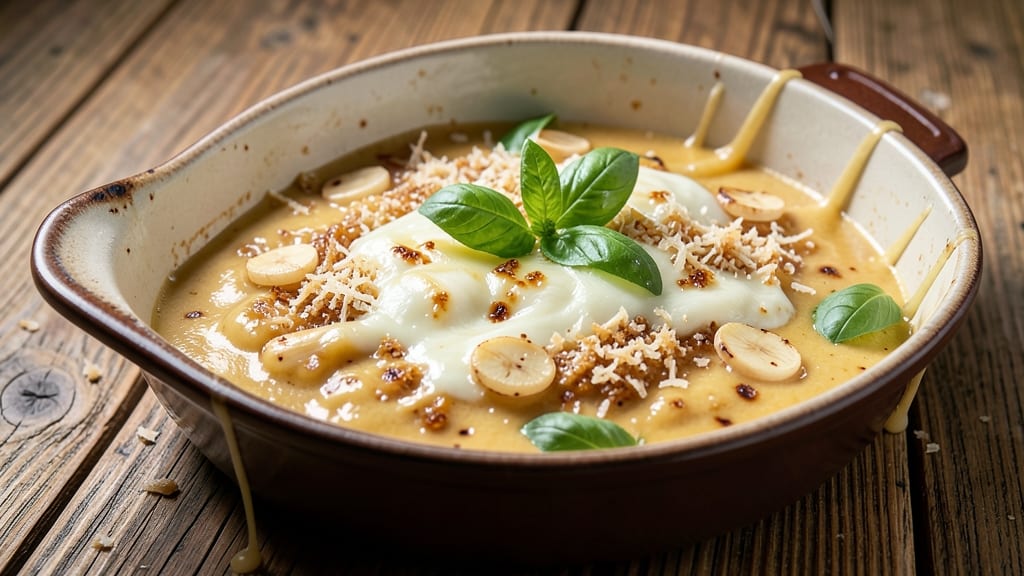
This alfredo sauce recipe with mozzarella and parmesan delivers restaurant-quality creaminess in just 10 minutes—no heavy cream required. The secret lies in combining melted butter with these two cheeses, creating a velvety sauce that clings perfectly to pasta without turning greasy.
I developed this version after years of testing, and it never fails to impress. What sets this recipe apart is the perfect cheese balance: mozzarella provides that signature melt-in-your-mouth texture, while parmesan adds depth and umami.
We start by blooming garlic in butter to build flavor before adding the cheese mixture, which creates an emulsified sauce that's rich yet light. The result? A sauce that's creamy enough to coat every noodle but never heavy.
By the time you're done, you'll have a sauce so luxurious it transforms simple fettuccine into a gourmet meal. The aroma alone will have everyone asking what you're serving. This recipe works equally well with chicken, seafood, or even as a creamy dip—versatility at its finest. The best part?
No need for heavy cream or complicated techniques. Just butter, cheese, and a few simple steps. Let's make this sauce!
Ingredients for alfredo sauce recipe with mozzarella and parmesan
Eight simple ingredients transform into ultra-creamy alfredo sauce that clings perfectly to pasta.
| Ingredient | Amount | Notes |
|---|---|---|
| Unsalted Butter 🧈 | ¾ cup | Cold cut into tablespoons for blooming |
| Fresh Garlic Cloves 🧄 | 4 cloves | Minced for aromatic base |
| Mozzarella Cheese 🧀 | 8 oz | Fresh mozzarella, low-moisture block |
| Parmesan Cheese 🧀 | 1 cup | Freshly grated from block |
| Heavy Cream 🥛 | ½ cup | Optional for extra richness |
| Whole Milk 🥛 | ¼ cup | For smooth consistency |
| Diamond Crystal Kosher Salt 🧂 | ½ tsp | Fine grain preferred |
| Freshly Ground Black Pepper 🌶️ | ¼ tsp | Freshly cracked for brightness |
| Nutritional Yeast 🍃 | 1 tbsp | For umami depth (optional) |
The cheeses are everything here. Fresh mozzarella (the milky, soft kind) melts into that signature velvety texture, while Parmigiano-Reggiano adds depth. I always grab a wedge of Parm from the deli counter—pre-grated gets clumpy and lacks flavor. For mozzarella, low-moisture from a block works best if fresh isn't available. The butter? European-style unsalted (like Plugrá) has more flavor than regular butter. If you can't find it, use regular unsalted—just don't skip the salt adjustment later. Garlic should be fresh; those pre-minced jars in the store are sad and lack punch.
No heavy cream? Whole milk plus a splash of half-and-half works in a pinch. The nutritional yeast is optional but adds that restaurant-quality umami—Bob's Red Mill brand is my go-to. For a lighter version, skip the heavy cream entirely and use just milk. Want extra richness? Add 1 tbsp of cream cheese to the sauce at the end. The salt matters here—Diamond Crystal is less dense than Morton, so if you use Morton, reduce to 1/4 tsp. Pepper should be freshly cracked; pre-ground loses its kick fast. If you're making this ahead, hold off on adding the milk until reheating—it keeps the sauce smoother longer.
This sauce is best used fresh, but it reheats beautifully—just add a splash of milk or water to loosen it up. Keeps for 3-4 days in the fridge, covered tightly. For longer storage, freeze in ice cube trays (thaw in the fridge overnight). I always make extra because it disappears fast—great over grilled chicken, seafood, or even as a creamy dip for bread. The sauce thickens as it cools, so if it seems too thick when first made, just stir in another splash of warm milk. Trust me, the first bite is worth the effort.
Why You'll Love This Recipe
- Here’s the truth: Alfredo sauce actually improves overnight. The flavors meld, the texture gets even smoother, and reheating it is a breeze—just a splash of milk or cream to loosen it up. My kids beg for the "leftover version" every time.
- Five-Ingredient Magic: I swear by this combo—just butter, garlic, two cheeses, and cream. No fancy techniques, no hidden pantry items. The mozzarella melts into that velvety cream while the parmesan adds a sharp, salty punch that makes everything better.
- Garlic-Cream Dream: That first hit of garlic in the butter? Pure comfort. But when it melts into the heavy cream and mozzarella, it’s like a warm hug for your taste buds. The parmesan rind? Total game-changer—it infuses the sauce with depth without extra effort.
- Weeknight to Dinner Party: Same recipe, different vibes. Slather it on fettuccine for a lazy Tuesday, or drizzle it over grilled chicken and roasted veggies for a fancy-ish weeknight dinner. The heavy cream keeps it rich, but the mozzarella keeps it light enough to feel special.
Step-by-step instructions for ultra-creamy mozzarella-parmesan alfredo
This sauce delivers restaurant-quality creaminess without clumping or breaking. Let's make it foolproof.
Bloom the Butter and Sauté Garlic
Cut the 0.75 cup unsalted butter into tablespoon-sized pieces and place them in a heavy saucepan over medium-low heat. Let the butter melt slowly, watching for it to foam and turn golden—this takes about 3-4 minutes. Here's the thing: blooming the butter this way creates flavor depth you won't get from just melting it quickly.
Once the butter is fully melted but not browned, add the 4 cloves minced fresh garlic cloves. Cook for exactly 30 seconds—just until fragrant. Don't let it brown or it'll turn bitter. Stir constantly so the garlic doesn't stick to the bottom. You'll know it's ready when the kitchen smells like garlic heaven.
Add Cheeses Gradually for Perfect Texture
Reduce heat to low and immediately add the 8 oz mozzarella cheese in small chunks (don't grate it). The low moisture content of fresh mozzarella is key here—it melts smoothly without creating a watery sauce. Let the cheese melt completely, stirring gently with a wooden spoon to break it into small pieces. This takes about 3-4 minutes—don't rush it.
Once the mozzarella is fully melted, gradually sprinkle in the 1 cup freshly grated parmesan cheese while continuing to stir. The parmesan needs to melt into the mozzarella base, not clump separately. I like to add it in three additions, waiting 30 seconds between each to let it incorporate. You're building layers of flavor here, not just melting cheese.
Create the Creamy Base
Pour in the 0.5 cup heavy cream and 0.25 cup whole milk simultaneously while stirring vigorously. The cream will help emulsify the cheese mixture, while the milk adds body without making it too rich. Bring the sauce to a gentle simmer over medium-low heat, then immediately reduce heat to lowest setting—you want to maintain a bare simmer, not a rolling boil.
Let the sauce cook for 3-4 minutes while stirring constantly. This gentle cooking allows the flavors to meld together. If the sauce starts to thicken too much, add 1-2 tablespoons of pasta water (if making for pasta) or whole milk to reach your desired consistency. The sauce should coat the back of a spoon smoothly but still be pourable.
Season and Finish with Umami Depth
Remove the sauce from heat and let it rest for 2 minutes. This resting period allows the flavors to settle. Then stir in the 0.5 tsp diamond crystal kosher salt and 0.25 tsp freshly ground black pepper. Taste and adjust—you might need a bit more salt, especially if you're using low-sodium cheeses.
For that extra umami kick, whisk in the 1 tbsp nutritional yeast. This optional step adds a cheesy, savory depth that makes the sauce truly exceptional. If you're serving immediately, the sauce will be at its peak creaminess right now. For best results, keep it warm over low heat until ready to serve, stirring occasionally to prevent skin formation.
Use Immediately for Perfect Results
This sauce is best used immediately after making, but if you need to hold it, keep it at low heat and stir frequently. The moment you're ready to serve, toss it with hot pasta or use it as a creamy sauce for chicken, fish, or vegetables. The sauce should cling beautifully to everything it touches, creating that signature alfredo experience.
Real talk: Don't let it boil or it'll break and separate. And don't skip the resting step—it makes all the difference in the final texture. Each bite should deliver that perfect balance of creamy, cheesy goodness with just the right amount of garlic brightness.
Pro Tips For Making Alfredo Sauce Recipe With Mozzarella And Parmesan
- Melt Butter Slowly: Don’t rush the butter—add it to the pan over medium-low heat and let it foam before tossing in garlic. I learned this the hard way: high heat burns butter before the garlic even gets fragrant, and you’re left with a bitter, acrid base. Trust the process.
- Rip Mozzarella, Don’t Shred: Use your hands to tear fresh mozzarella into ½-inch chunks instead of shredding it. Shredding releases too much moisture, turning your sauce into a watery mess. The chunks melt slower and create pockets of creamy texture—like little cheese clouds.
- Stir Constantly After Cream: Once you add the heavy cream, keep stirring like you’re trying to win a race. The sauce can seize up fast if you let it sit, and you’ll end up with lumps that no whisking later can fix. I know, I know—it’s annoying, but it’s the thing that matters most.
- Toast Parmesan First: Lightly toast the grated Parmesan in a dry pan for 30 seconds before mixing it in. This deepens its nutty flavor and prevents it from turning into a gluey paste when combined with the cream. (Yes, even if you’re impatient like me.)
Wine and beer pairings for this alfredo sauce recipe with mozzarella and parmesan
White Wine Pairings
For this ultra-creamy mozzarella-parmesan alfredo, I reach for Italian white wines that complement the rich, cheesy flavors without overpowering them. A dry Vermentino from Sardinia is my go-to—its bright citrus notes and mineral finish cut through the sauce's richness beautifully.
The crisp acidity refreshes your palate between each velvety bite. 🍷
Another fantastic choice is Pinot Grigio from Alto Adige, especially one with a touch of almond character. This wine's delicate floral notes pair perfectly with the garlic and parmesan, creating a harmonious balance.
Look for a bottle with "Superiore" on the label for extra quality. Avoid anything too oaky or buttery—those flavors will clash with the sauce's clean creaminess.
Light Beer Options
If you prefer beer, a crisp Italian lager like Peroni or Moretti works surprisingly well. The subtle malt sweetness and clean finish enhance the sauce's cheesy profile without adding bitterness.
For craft beer lovers, a Belgian witbier (like Hoegaarden) brings a refreshing citrus and coriander note that contrasts nicely with the richness.
Steer clear of heavy stouts or IPAs—they'll overpower the delicate cheese flavors. Instead, opt for something with low bitterness and a light body, like a German Helles or even a light American lager.
The key is to let the sauce shine while the beer provides just enough refreshment to balance the meal.
Unexpected Pairings
For a truly unique experience, try pairing your alfredo with a dry sparkling wine like Prosecco. The bubbles cleanse your palate between bites, and the slight sweetness complements the cheese. It's a crowd-pleaser that feels special without being overly complex.
Or, if you're feeling adventurous, a dry Riesling with its zesty acidity and hints of green apple can be a revelation. The wine's natural sweetness balances the saltiness of the parmesan, while its acidity keeps the meal feeling fresh.
Just avoid anything too sweet—you want the wine to enhance, not dominate, the sauce's flavors.
Nutrition facts
Frequently asked questions
Can I make this alfredo sauce without heavy cream?
The recipe works perfectly with just milk or a mix of milk and half-and-half! Replace the heavy cream with 0.75 cup whole milk for a lighter version that still delivers rich, velvety texture. The key is using fresh mozzarella—its natural fat content creates creaminess without needing extra dairy. Just add the milk gradually while stirring vigorously to help emulsify the sauce.
Why does my alfredo sauce get grainy or clumpy?
Graininess happens when cheese doesn't melt smoothly, usually from one of three issues: low heat, grated cheese, or too much stirring. Use low-moisture mozzarella in chunks (not shredded) and melt it over low heat while stirring gently. The parmesan should be added gradually, not all at once. For extra insurance, whisk in 1 tbsp cornstarch mixed with 2 tbsp cold water at the end to create a smoother finish.
How do I adjust this sauce for dairy-free diets?
For a dairy-free version, swap the mozzarella for 8 oz dairy-free mozzarella shreds (like Miyoko's) and use 1 cup nutritional yeast instead of parmesan. Replace the butter with 0.75 cup olive oil or dairy-free butter, and use 1 cup full-fat coconut milk instead of heavy cream. The sauce will be richer and have a slightly different texture, but still creamy. Add 1 tsp lemon juice to balance flavors—it helps mimic the acidity of traditional cheese.
Can I make this sauce ahead of time?
Yes, but with a few key adjustments. Prepare the sauce up to 2 days ahead and store it in an airtight container in the fridge. When reheating, warm it over low heat while stirring frequently—it may thicken as it cools. To restore creaminess, whisk in 1-2 tbsp warm milk or water until smooth. For longer storage, freeze in ice cube trays, then transfer to a bag. Thaw overnight in the fridge before reheating.
What's the best pasta to use with this sauce?
Fettuccine is the classic choice, but this sauce works beautifully with tagliatelle, pappardelle, or even linguine. For extra flavor, try gluten-free fettuccine or whole wheat pasta. The wide, flat noodles create more surface area for the sauce to cling to. Pro tip: Toss the sauce with hot, drained pasta immediately after cooking—this helps the sauce adhere perfectly and prevents a soggy texture.