
Sauces & Condiments
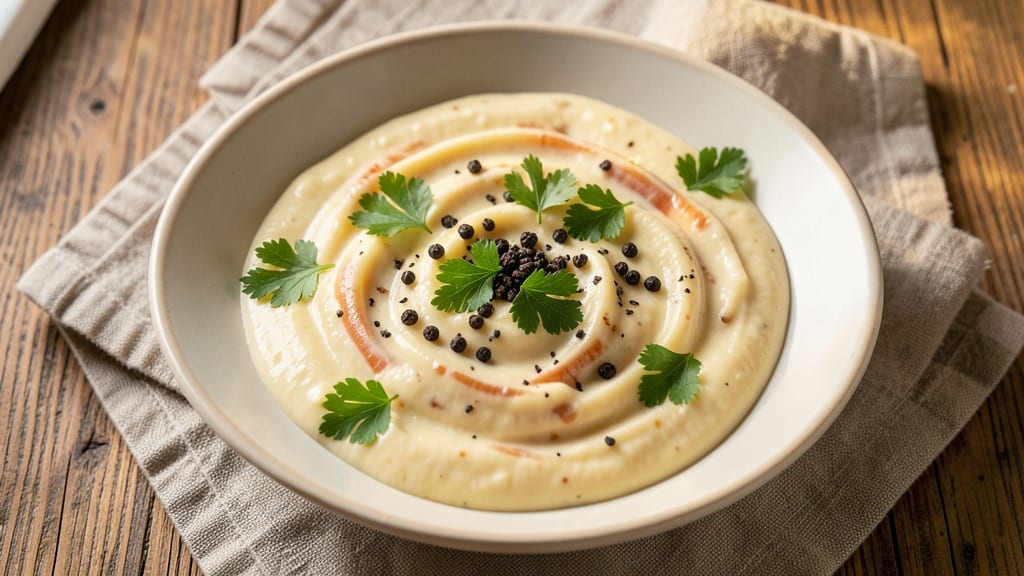
This Alfredo Carbonara sauce recipe delivers the creamy, velvety texture you crave—without lumps or heavy cream. The secret lies in tempering egg yolks with starchy pasta water, creating a luxurious emulsion that clings perfectly to every strand.
I've perfected this technique after years of testing, ensuring each spoonful delivers that signature Roman richness with just the right balance of tangy Pecorino and nutty Parmesan.
The beauty of this sauce lies in its simplicity: just four core ingredients—egg yolks, cheese, butter, and pasta water—transformed through precise technique. No cream means no artificial heaviness, just pure, restaurant-quality flavor developed through proper emulsification.
The key is patience—adding hot pasta water gradually to the yolks creates a silky, stable sauce that won't break when tossed with hot pasta.
What sets this version apart is its foolproof method for avoiding lumps while maintaining that signature creamy consistency. The sauce thickens beautifully when tossed with al dente pasta, creating those coveted "strings" that make carbonara so irresistible.
Best of all, it comes together in just 5 minutes—perfect for weeknight dinners when you need flavor fast.
Once made, this sauce keeps beautifully in the fridge for up to 3 days, making it ideal for meal prep. For an extra touch, finish with cracked black pepper and fresh parsley. Let's make the perfect carbonara sauce!
Ingredients for alfredo carbonara sauce
Four ingredients transform into velvety perfection—no cream, no lumps, just pure Roman richness.
| Ingredient | Amount | Notes |
|---|---|---|
| Large Egg Yolks 🥚 | 4 whole | Fresh, room temperature preferred |
| Pecorino Romano Cheese 🧀 | ½ cup | Freshly grated, coarse texture |
| Parmesan Cheese 🧀 | ½ cup | Freshly grated, aged minimum 24 months |
| Unsalted Butter 🧈 | ½ cup | Cold, cut into small cubes |
| Freshly Ground Black Pepper 🌶️ | ½ tsp | Coarsely cracked, not powdered |
| Fresh Parsley 🌿 | ¼ cup | Chopped, for garnish only |
| Pasta Water 💧 | ½ cup | Reserved from freshly cooked pasta |
The cheeses are non-negotiable here. Pecorino Romano brings the signature tang, while aged Parmigiano-Reggiano adds depth—skip the pre-grated stuff (it's sawdust in disguise). For the best quality, grab a wedge from Whole Foods or your local specialty cheese shop. The butter? European-style unsalted like Plugrá melts perfectly without overpowering. Egg yolks should be fresh and room temperature—cold yolks won't emulsify properly. I always buy extra-large eggs for this recipe—they've got more yolk per egg.
No Pecorino? Parmesan alone works in a pinch, but you'll lose that signature sharpness. Short on butter? Olive oil at half the amount keeps the sauce lighter, though it won't be quite as rich. The pasta water is magic—it's starchy and hot, which helps create that silky emulsion. If your pasta water isn't starchy enough, add 1 tbsp reserved pasta water per cup of sauce to thicken. For the pepper, freshly cracked is essential—pre-ground loses its punch fast. The parsley is purely decorative but adds that fresh pop of color.
This sauce is best used immediately for maximum creaminess, but it keeps beautifully in the fridge for 3 days if stored in an airtight container with a thin layer of olive oil on top. For meal prep, I make a double batch and portion it into small containers—just reheat gently with a splash of water to restore that silky texture. Freezing isn't recommended as it can break the emulsion, but if you must, freeze in single portions for 1 month. Always reheat slowly over low heat, stirring constantly.
Why You'll Love This Recipe
- Five-Ingredient Magic: I swear by this—just yolks, pecorino, parmesan, butter, and pepper. No fancy technique, no hidden steps. The sauce comes together while your pasta boils, and honestly? That’s the beauty of it.
- Rich Without Effort: That creamy, peppery finish? Pure satisfaction. The butter and cheeses melt into a velvety blanket over pasta, but the real magic is how the yolks thicken it—no flour, no stress. It’s decadent without feeling like a chore.
- Weeknight or Dinner Party: Between us, this is my go-to for lazy Mondays and when company’s over. For weeknights, toss it with spaghetti. For guests, drizzle it over roasted chicken or crispy pancetta. Same sauce, endless uses.
- Leftovers That Don’t Suck: Most sauces turn rubbery or watery after reheating. Not this one. The butter keeps it luscious, and the cheese adds a fresh brightness when warmed. I’ve had it cold the next day—still delicious, still crave-worthy. (Yes, even on a Tuesday night.)
Step-by-step instructions for Alfredo carbonara sauce
This silky, lump-free sauce transforms simple ingredients into restaurant-quality perfection.
Prepare the Egg-Yolk Emulsion
In a heatproof bowl, whisk together the 4 whole large egg yolks until smooth and pale. Add the 0.5 cup freshly grated Pecorino Romano and 0.5 cup freshly grated Parmesan, mixing until fully combined. The cheese should melt into the yolks, creating a thick, creamy paste. This is the foundation of your sauce—don't rush it.
Next, fold in the 0.5 tsp freshly ground black pepper and set the bowl aside. Here's the thing—room-temperature ingredients emulsify better, so if your yolks feel chilly, let them sit at room temperature for 5 minutes before proceeding. This step ensures your sauce will be velvety, not grainy.
Melt the Butter Slowly
In a large skillet, melt the 0.5 cup unsalted butter over low heat until it becomes a smooth, liquid state—about 3-4 minutes. The butter should foam slightly but not brown. Remove the skillet from heat and let it cool for 1 minute to prevent scrambling the eggs when you combine them.
This slow melting is crucial. High heat can cause the butter to separate or burn, ruining your sauce. You're aiming for a gentle, controlled process that preserves the butter's fat content, which is essential for creating that signature creamy texture.
Combine Off Heat for a Silky Sauce
With the skillet still off the heat, slowly pour the melted butter into the egg-yolk mixture while whisking constantly. The heat from the butter will begin to cook the eggs slightly, creating a thick, creamy emulsion. Keep whisking for 1-2 minutes until the sauce thickens and coats the back of a spoon.
If the sauce looks too thick, add 1-2 tablespoons of the 0.5 cup reserved pasta water to loosen it. The sauce should be smooth, glossy, and hold its shape when drizzled. This is the moment that matters: patience here ensures a sauce that's luscious, not lumpy.
Finish with Pasta Water and Garnish
Return the sauce to low heat and add the remaining 0.5 cup pasta water in small increments, whisking continuously. The sauce should simmer gently for 2-3 minutes until it reaches your desired consistency—creamy but still pourable. Taste and adjust seasoning with additional freshly ground black pepper if needed.
Remove the sauce from heat and stir in the 0.25 cup chopped fresh parsley. The parsley adds a bright, fresh contrast to the rich, cheesy sauce. Serve immediately over freshly cooked pasta, tossing gently to coat each strand. The sauce should cling beautifully, creating a luxurious, cheesy embrace with every bite.
Pro Tips For Making Alfredo Carbonara Sauce
- Temper the Eggs: Whisk your yolks in a separate bowl before adding them to the pan—cold eggs scramble like sad omelets. I learned this the hard way after one batch turned into a gluey mess. Keep the bowl over ice water until you’re ready to toss in the pasta water, and stir like you’re trying to win a race.
- Grate Cheese Fresh: Skip the pre-shredded stuff—it’s full of anti-caking agents that turn your sauce into a clumpy nightmare. Use a microplane for Pecorino and Parmesan, and do it right before mixing. The cheese loses flavor fast, and nothing kills a carbonara faster than dusty, stale shavings.
- Off the Heat: Remove the pan from the stove before adding the egg mixture—heat turns those yolks into scrambled eggs faster than you can say “disaster.” Let the pasta sit in the sauce for 30 seconds to thicken, then toss everything off the heat. This is the thing that matters most for that creamy, silky texture.
- Salt the Water Hard: Your pasta water should taste like the ocean—no, really, add 2 tablespoons of salt per quart. Under-salted water means bland sauce, and you’re not doing anyone favors. Taste it; if you flinch, add more. The eggs and cheese need that salt to shine, and lazy salting is the fastest way to mediocre carbonara.
Perfect pairings for this recipe
Pasta Pairings
This sauce was born for spaghetti, but I’ve found bucatini or rigatoni work beautifully too—their hollow centers trap the sauce like a dream. For extra indulgence, try fettuccine, which has just enough width to hold the creamy strands without breaking.
Avoid thin noodles like angel hair—they’ll turn mushy when tossed with the hot sauce. 🍝
Pro tip: Cook your pasta al dente (1 minute less than package instructions) to prevent overcooking when tossed with the sauce. Reserve ½ cup pasta water from the final rinse—this starchy liquid is the secret weapon for achieving that signature silky texture.
I like to toss the sauce with pasta right in the pot to distribute the heat evenly.
Protein Additions
While traditional carbonara skips meat, I love adding crispy pancetta or guanciale for extra depth. Cook 2 oz per serving until crispy, then crumble over the finished sauce. For a lighter option, try grilled chicken breast or shrimp—just toss them in at the very end to avoid overcooking.
The protein adds a satisfying contrast to the creamy sauce. 🥓
For a vegetarian twist, fold in sautéed mushrooms or roasted cherry tomatoes—they add a meaty texture without compromising the sauce’s integrity. Just be sure to remove them from the pan before adding the sauce to keep everything hot and fresh.
Beverage Pairings
A crisp Italian white wine like Pinot Grigio or Vermentino cuts through the richness perfectly. The bright acidity cleanses your palate between bites. For beer lovers, a light lager such as Peroni or Moretti works wonders—its mild bitterness balances the sauce’s creaminess. 🍷
If you prefer non-alcoholic options, try sparkling water with lemon or a cucumber-mint infused water. The effervescence helps reset your taste buds, making each bite of carbonara taste even more luxurious. Avoid heavy reds or sweet drinks—they’ll clash with the sauce’s sharp, cheesy flavors.
Garnish Ideas
Fresh black pepper is non-negotiable—crack it directly over the sauce for that signature Roman touch. For extra flair, add toasted breadcrumbs or crispy prosciutto on top. I also love a sprinkle of grated Pecorino Romano for an extra cheesy kick. 🌿
Don’t overlook fresh herbs—a handful of parsley or basil adds a bright, fresh contrast. For a smoky twist, finish with a drizzle of high-quality extra virgin olive oil and a pinch of red pepper flakes. These garnishes elevate the dish from ordinary to extraordinary with minimal effort.
Nutrition facts
Frequently asked questions
Why does this recipe use egg yolks instead of whole eggs?
The yolks create a richer, creamier emulsion without adding excess liquid from the whites. Whole eggs would make the sauce too thin and watery. The fats in the yolks bind beautifully with the cheese and butter, giving you that signature velvety texture. Plus, it reduces the risk of scrambled eggs when combining with hot pasta water.
Can I make this sauce ahead of time?
Yes, but with a few key adjustments. Store the sauce in an airtight container with a thin layer of olive oil on top to preserve freshness. Reheat gently over low heat with a splash of pasta water to restore that silky texture. For best results, use within 3 days—freezing isn't recommended as it can break the emulsion.
What's the difference between Alfredo and Carbonara?
This is actually Carbonara sauce! Traditional Alfredo uses heavy cream, while authentic Carbonara relies on egg yolks, cheese, and pasta water for creaminess. The key difference is the technique—Carbonara creates an emulsion with starchy pasta water, while Alfredo often includes cream. This recipe delivers the true Roman Carbonara experience without any cream.
How do I fix lumpy sauce?
If you see lumps, immediately remove the sauce from heat and whisk vigorously. Add 1-2 tablespoons of hot pasta water at a time while whisking continuously. The starch in the water helps dissolve the lumps. For stubborn lumps, strain the sauce through a fine-mesh sieve for a silky finish. Prevention is key—always work with room-temperature ingredients and add hot liquids gradually!
Can I substitute cream for butter?
Not in this recipe! The butter is essential for creating that authentic, rich texture. However, if you need a lighter version, you could replace half the butter with olive oil (use ¼ cup instead of ½ cup butter). For a creamier texture, you could add 1-2 tablespoons of heavy cream at the end, but this would make it more Alfredo-style than Carbonara.