
Sauces & Condiments
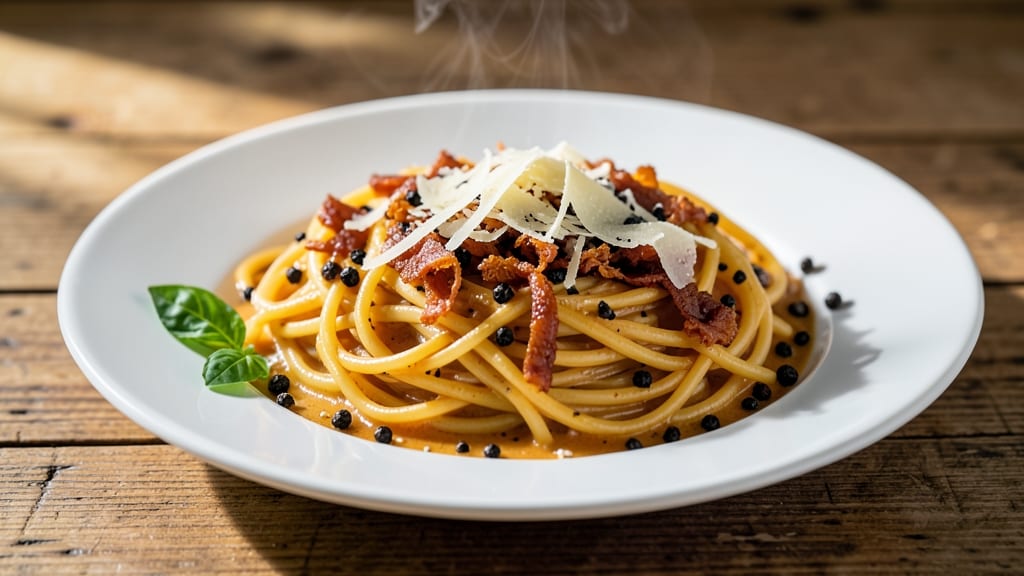
This authentic carbonara sauce recipe delivers the luxurious, creamy perfection Romans have perfected for centuries—no cream, no shortcuts, just crispy pancetta, rich egg yolks, and sharp Pecorino Romano.
The secret lies in the no-boil technique, where eggs and cheese emulsify directly into the hot pasta water, creating a velvety sauce that clings to every strand.
I've made this sauce dozens of times, and every version proves that carbonara isn't just pasta—it's an experience of texture and flavor harmony.
What sets this sauce apart is the crispy pancetta crunch that contrasts with the silky egg-yolk base, while freshly cracked black pepper adds a bright, aromatic finish. Traditional Roman carbonara skips cream entirely, relying instead on the natural fat from pancetta and the emulsifying power of eggs and cheese.
The key is working quickly—adding the starchy pasta water to the eggs creates an instant, luscious sauce without breaking or scrambling.
By the time you twirl that first forkful, you'll taste layers of crispy pancetta, creamy egg ribbons, and sharp, salty cheese—each element balanced perfectly. This isn't just sauce; it's a restaurant-quality condiment that transforms simple pasta into a dish worthy of celebration.
The best part? It keeps well in the fridge for up to 3 days, ready to elevate any meal.
For those who love carbonara but worry about texture, this method guarantees foolproof emulsification every time. The sauce stays rich and cohesive, never greasy or separated. Whether you're serving it over spaghetti, bucatini, or even crispy potato pancakes, this sauce delivers the authentic Italian experience you've been craving.
Ingredients for authentic carbonara sauce
Eight essential ingredients transform simple pasta into restaurant-quality carbonara perfection.
| Ingredient | Amount | Notes |
|---|---|---|
| Pancetta 🥓 | 6 oz | Diced into 1/4-inch pieces |
| Large Egg Yolks 🥚 | 4 whole | Fresh, room temperature |
| Pecorino Romano Cheese 🧀 | 1 ½ cups | Freshly grated, fine texture |
| Freshly Ground Black Pepper 🌶️ | 1 ½ tsp | Coarsely cracked, not powdered |
| Spaghetti 🍝 | 12 oz | Dry weight, broken in half |
| Extra-Virgin Olive Oil 🫒 | ½ cup | For crisping pancetta |
| Diamond Crystal Kosher Salt 🧂 | 2 tsps | For pasta water |
| Reserved Pasta Water 💧 | 1 cup | Starchy, from cooking pasta |
Pancetta is non-negotiable here—it delivers that signature crispy crunch that sets authentic carbonara apart. Grab thick-cut pancetta from the deli section (not the pre-diced kind), and dice it yourself for even pieces. The Pecorino Romano must be freshly grated—pre-shredded lacks the sharp, salty punch. I always buy it in a wedge from Eataly or the Italian market, but any specialty store carries it. For the eggs, use only yolks—the whites would make the sauce watery. Freshly cracked pepper is a must; pre-ground loses its aromatic kick fast.
No pancetta? Guanciale is the traditional swap, but thick-cut bacon in a pinch works too—just render the fat well. Running short on Pecorino? Parmigiano-Reggiano at half the amount adds richness, though it's milder. The pasta water is everything—save at least 1 cup of starchy water before draining. If your spaghetti breaks while cooking, no stress—just toss the pieces in. For the olive oil, fruity, extra-virgin is key; cheap oil burns quickly and lacks flavor. And if you're worried about the eggs scrambling, work fast—the sauce comes together in under 2 minutes once the pasta water hits the yolks.
This sauce is best made fresh, but it reheats beautifully—just add a splash of pasta water to loosen. Store in an airtight container for up to 3 days in the fridge. For leftovers, I like to drizzle with a little extra olive oil to keep it silky. Freezing isn't recommended, as the texture can separate. If you're prepping ahead, cook the pasta al dente, drain, and toss with a touch of olive oil to prevent sticking—then add the sauce just before serving.
Why You'll Love This Recipe
- No Egg Scramble: This sauce comes together so fast, you won’t overcook the yolks—just toss the pancetta in a pan, render the fat, and let the heat do the work. No whisking, no stress, just that perfect creamy texture when the pasta hits the pan.
- Salty-Smoky Magic: That crispy pancetta crunch? The sharp, nutty Pecorino? The way black pepper cracks like tiny firecrackers on your tongue? It’s the kind of flavor that makes you pause mid-bite—simple ingredients, but layered like a symphony.
- Weeknight to Date Night: Make it for yourself when you’re exhausted, or impress someone special with minimal effort. The same technique works for both—just adjust the portion. Honestly, I’ve served it at 7 PM in sweatpants and at 8 PM in a dress. No judgment.
- Leftovers That Don’t Suck: Most pasta gets sad the next day, but carbonara? It gets better. The sauce thickens slightly, the flavors meld, and reheating it feels like cheating. Plus, it’s cheap—pancetta stretches, Pecorino goes a long way, and you’ll have enough for lunch the next day without planning.
Step-by-step instructions for authentic carbonara sauce
Here's how to craft the real Roman deal—crispy pancetta, silky eggs, and sharp pecorino.
Crisp the Pancetta to Perfection
Heat the 0.5 cup extra-virgin olive oil in a large skillet over medium heat until shimmering. Add the 6 oz diced pancetta and cook for 8-10 minutes, stirring occasionally, until the fat renders out and the pieces become deep golden brown with crisp edges. Here's the thing—don't rush this step. The pancetta needs time to develop that satisfying crunch and rich flavor. If it starts smoking, reduce the heat slightly and give it another minute.
Once crisp, remove the pancetta with a slotted spoon and transfer it to a small plate, leaving the rendered fat in the skillet. This fat is liquid gold—it's what will create that luxurious sauce. If you're impatient and want extra crunch, you can even spread the pancetta pieces on a paper towel to crisp further while you work on the rest.
Prepare the Egg-Cheese Mixture
In a medium bowl, whisk together the 4 whole large egg yolks and 1.5 cups freshly grated pecorino romano cheese until smooth and fully combined. Add the 1.5 teaspoons freshly ground black pepper and whisk again until evenly distributed. The mixture should be thick and pale yellow—almost like a rich custard. I like to use a fork for this step because it gives me better control over the texture. If you're using a whisk, be gentle to avoid incorporating too much air.
This is the moment that matters: let the mixture sit at room temperature while you cook the pasta. The eggs should be fully integrated with the cheese, with no visible streaks of yolk. If you notice any lumps, simply press them through a fine-mesh sieve to ensure a silky sauce. The cheese should be finely grated—any large pieces won't melt smoothly into the sauce.
Cook the Spaghetti Al Dente
Bring a large pot of water to a rolling boil and add the 2 teaspoons diamond crystal kosher salt. Once boiling, add the 12 oz spaghetti and cook until 1 minute shy of the package directions for al dente. This is crucial—you want the pasta to be slightly underdone because it will finish cooking in the sauce. Reserve 1 cup of the starchy pasta water before draining, as this will be essential for creating the perfect sauce consistency.
While the pasta cooks, keep an eye on the temperature. The water should be at a steady boil, and the salt should be dissolved completely. I like to test the saltiness by tasting the water—it should taste like the sea. If it's not salty enough, add a bit more salt. Drain the pasta directly into the skillet with the pancetta fat, shaking off any excess water. The residual starch will help the sauce cling beautifully to every strand.
Combine Everything Off Heat
Remove the skillet from heat and let it cool for 1 minute—this is non-negotiable. Add the drained spaghetti to the skillet and toss to coat in the rendered pancetta fat. Now, slowly pour in the egg-cheese mixture while tossing the pasta vigorously with tongs. The residual heat from the pasta and skillet will gently cook the eggs into a creamy sauce. If the mixture starts to thicken too quickly, add 1-2 tablespoons of reserved pasta water to loosen it.
Here's where it gets fun—toss the pasta constantly for 1-2 minutes until the sauce becomes glossy and coats the noodles evenly. You're looking for a sauce that's creamy but not runny, with a luxurious sheen. If you see any uncooked egg, add another splash of pasta water and toss for another 30 seconds. The pancetta should be evenly distributed throughout the dish, adding that crispy crunch with every bite.
Serve Immediately with Crispy Toppings
Transfer the carbonara to serving plates immediately—this dish doesn't wait. Top each serving with a generous sprinkle of freshly ground black pepper and any remaining crispy pancetta pieces. The sauce should be rich, creamy, and cling to every strand of spaghetti, with a perfect balance of salty, peppery, and umami flavors. Serve with a side of crusty bread to soak up any extra sauce.
Real talk: the key to an authentic carbonara is never adding cream. The sauce gets its richness from the eggs, cheese, and pancetta fat. If you find the sauce too thick as it cools, simply toss in a splash of hot pasta water to loosen it. Enjoy your dish while it's hot—each bite should deliver that perfect combination of crispy pancetta, creamy sauce, and al dente pasta.
Pro Tips For Making Authentic Carbonara Sauce
- COOK PANCETTA LOW AND SLOW: I used to rush this and end up with rubbery bits—now I render the pancetta on medium-low heat, stirring often, until it’s crispy but not burnt. That golden fat is the soul of carbonara, so don’t walk away; keep an eye on it or it’ll turn bitter.
- GRATE PECORINO FRESH: Pre-grated cheese is a shortcut, but it’s full of anti-caking agents that make your sauce grainy. Use a fine grater right before mixing—your sauce will be smoother, and the flavor will hit harder. (Yes, even if you’re impatient like me.)
- OFF THE HEAT ONLY: The second your pasta hits the pan, take it off the burner. The residual heat will cook the eggs gently, creating that perfect creamy sauce without scrambling them. I learned this the hard way—scraped eggs are a nightmare to fix.
- USE COLD YOLKS: Room-temperature yolks? Nope. Cold yolks from the fridge blend better and won’t curdle as easily when they hit the hot pasta. Pop them in the fridge for 10 minutes before mixing—your sauce will stay silky, not lumpy. (Your future self will thank you.)
Best sauces and condiments for this recipe
Classic Pairings
This carbonara sauce thrives with crispy garlic bread—the perfect vehicle for soaking up every last bit of creamy goodness. I like to use a sourdough loaf brushed with 2 tbsp olive oil, minced 3 garlic cloves, and ½ tsp red pepper flakes, then toasted until golden.
The acidity cuts through the richness beautifully. 🥖
Wine Synergy
A bold Italian red wine like Chianti Classico or Montepulciano d'Abruzzo complements the sauce's umami depth. The wine's bright acidity and earthy notes mirror the pancetta's richness while balancing the sharp pecorino.
For whites, a dry Vermentino from Sardinia adds citrusy contrast without overpowering. Avoid heavy oaked chardonnays—they clash with the sauce's delicate texture.
Unexpected Twists
For a modern twist, drizzle the finished carbonara with truffle oil (½ tsp) just before serving—it adds earthy complexity that pairs perfectly with the pancetta's saltiness. Another fun addition: crispy prosciutto chips on top for an extra layer of crunch.
I also love serving it with roasted cherry tomatoes on the side to add freshness and acidity to the plate.
Beverage Balance
If wine isn't your thing, try a negroni—the bitter orange and herbal notes create a refreshing contrast. For beer lovers, a Belgian witbier like Stella Artois Wit brings citrusy brightness that cuts through the sauce's richness. Avoid heavy stouts or malty IPAs, which would overpower the dish's delicate flavors.
Cheese Boost
Want to elevate the sauce further? Add ¼ cup grated Parmigiano-Reggiano to the egg-cheese mixture for extra depth. The nutty, milder cheese blends beautifully with the sharp pecorino. For a spicy kick, stir in ½ tsp Calabrian chili paste with the pancetta—it adds a subtle heat that lingers perfectly.
Storage Secrets
Leftover sauce keeps for 3 days in an airtight container in the fridge. To reheat, add 1-2 tbsp pasta water and warm gently on low heat, stirring constantly. For extra richness, drizzle with 1 tsp olive oil** before serving. Freezing isn't recommended—the sauce may separate upon thawing.
Nutrition facts
Frequently asked questions
Why does authentic carbonara never use cream?
Traditional Roman carbonara relies on the natural fat from crispy pancetta and the emulsifying power of eggs and cheese. The eggs and starchy pasta water create a velvety texture without needing cream—it's what gives the sauce its signature richness. Adding cream would make it too heavy and mask the delicate flavors.
What's the secret to preventing scrambled eggs in the sauce?
Work quickly and off the heat! The residual heat from the pasta and skillet gently cooks the eggs into a creamy sauce. If it thickens too fast, add 1-2 tablespoons of reserved pasta water to loosen. Never add cold eggs to hot pasta—the temperature shock causes scrambling.
Can I make this sauce ahead of time?
Yes, but with a twist! Store the cooked sauce in an airtight container for up to 3 days in the fridge. To reheat, add 1-2 tbsp pasta water and warm gently on low heat, stirring constantly. For best results, serve fresh—this sauce is at its peak when made-to-order.
What's the difference between guanciale and pancetta?
Guanciale is the traditional Italian choice—it's cured pork cheek with a deeper, more complex flavor. Pancetta (cured pork belly) is more widely available and works perfectly in this recipe. For authenticity, use guanciale if you can find it, but pancetta delivers excellent results too.
How do I fix a sauce that's too thick or separated?
Stir in 1-2 tablespoons of hot pasta water to loosen thick sauce. For separated sauce, whisk vigorously while adding small amounts of pasta water. If it's still grainy, mix in 1 tsp olive oil to help re-emulsify. Always work quickly and keep the sauce warm.