
Sauces & Condiments
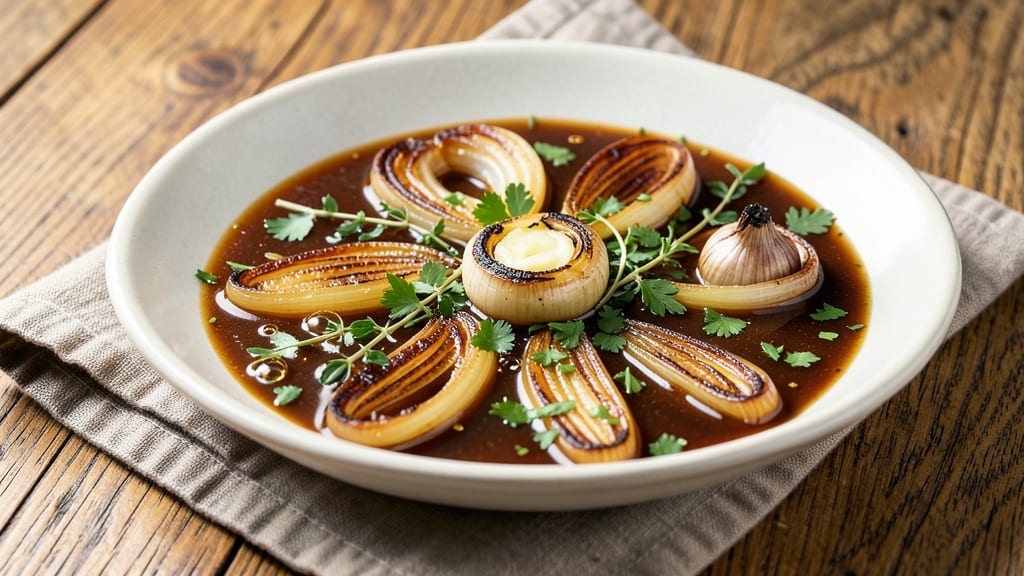
This ale sauce recipe transforms dark beer into a rich, velvety condiment that elevates everything from roasted pork to grilled chicken. The secret lies in slow caramelizing onions until they're deep amber and melding them with butter, ale, and fresh herbs—a process that creates layers of umami and malty depth.
I developed this version after years of experimenting with beer-based sauces, and it consistently delivers restaurant-quality results at home.
What makes this sauce truly special is its versatility—it works as a glaze, a dipping sauce, or a finishing drizzle, and the reduction process concentrates flavors without overpowering the dish.
The combination of dark ale (like stout or porter) and caramelized onions creates a complex balance of sweetness, bitterness, and savory notes that pair beautifully with rich meats. Unlike many beer sauces, this one doesn't taste like beer at all—just rich, aromatic depth.
The process is straightforward but requires patience: simmering the onions until they're deeply caramelized, reducing the beer to intensify its flavor, and straining for a silky texture. The result is a sauce that's luxurious enough for special occasions but simple enough for weeknight dinners.
It keeps well in the refrigerator for up to a week, making it perfect for meal prep or gifting to fellow food lovers.
Once you try this ale sauce, you'll never go back to store-bought versions. The caramelized onions add a touch of sophistication, while the herbs brighten the richness of the beer.
Perfect for drizzling over pork chops, basting roasted chicken, or even serving as a dip for crusty bread—this sauce turns ordinary meals into something extraordinary.
Ingredients for ale sauce
Nine ingredients transform dark beer into a velvety sauce with caramelized onion depth and herbaceous brightness.
| Ingredient | Amount | Notes |
|---|---|---|
| Yellow Onions 🧅 | 3 large | Peeled, quartered lengthwise |
| Unsalted Butter 🧈 | ½ cup | Cold, cubed for caramelizing |
| Dark Ale 🍺 | 1 cup | Stout or porter preferred |
| Fresh Thyme Leaves 🌿 | ¼ cup | Stems removed, loosely packed |
| Fresh Parsley Leaves 🌿 | ¼ cup | Chopped for brightness |
| Garlic Cloves 🧄 | 4 cloves | Minced for aromatic depth |
| Granulated Sugar 🍚 | 1 tbsp | For caramelization boost |
| Diamond Crystal Kosher Salt 🧂 | 1 ½ tsp | Adjust to taste |
| Red Wine Vinegar 🍷 | 1 tbsp | For acid balance |
The onions are the foundation—yellow onions caramelize best, developing that deep amber color. Trader Joe's sells them pre-cut for convenience, but whole onions let you control the process. Look for firm, dry onions with no sprouting. The butter should be cold and cubed—it melts slowly, creating a rich base. For the ale, Guinness or a local craft stout works perfectly, but any dark beer with malt sweetness will do. Fresh thyme and parsley are non-negotiable here—they brighten the sauce and cut through the richness. If you're using dried herbs, reduce to one-third the amount and toast them lightly in a dry pan first.
No dark ale? Substitute with equal parts beef broth and a splash of soy sauce—it won't be identical, but it'll still work. Running out of thyme? Fresh rosemary at half the amount adds earthiness. The sugar is crucial for caramelizing the onions—don't skip it. For a smoother texture, strain the sauce through a fine-mesh sieve after reducing. The vinegar balances the beer's bitterness, so if you're using a particularly hoppy ale, you might want to add an extra ½ teaspoon. The garlic can be pre-minced from a jar, but freshly minced adds more depth—worth the extra 30 seconds if you've got time.
This sauce keeps beautifully in the fridge for up to 1 week, with flavors deepening over time. For longer storage, freeze in ice cube trays—perfect for single-use portions. Reheat gently on the stovetop, stirring constantly to prevent scorching. The sauce thickens as it cools, so you can thin it with a splash of water or beer if needed. I always make a double batch—one for immediate use and one to freeze for future meals. The leftovers reheat just as luxuriously as the first batch.
Why You'll Love This Recipe
- One-Pot Magic: I swear by this—just onions, butter, and ale simmering until rich and golden. No blender, no straining, no mess. The only tool you need is a spoon.
- Rich Without Effort: That dark ale brings deep, malty warmth while the thyme and parsley keep it bright. It’s like a hug in sauce form—smooth, complex, but still simple.
- Leftovers That Shine: This sauce only gets better after sitting overnight. I drizzle it on roasted veggies, toss it with mashed potatoes, or even use it in sandwiches. It’s my lazy Sunday secret weapon.
- Budget-Friendly Luxury: You’d pay $20 for this at a restaurant, but here? A bottle of ale and a handful of fresh herbs make it taste like a splurge. Plus, it stretches across multiple meals without breaking the bank.
Step-by-step instructions for ale sauce recipe
This rich, velvety ale sauce balances deep caramelized sweetness with malty beer complexity.
Caramelize the Onions to Deep Amber
Melt the 0.5 cup unsalted butter in a heavy-bottomed saucepan over medium-low heat. Add the 3 large yellow onions, peeled and quartered lengthwise, along with the 1 tablespoon granulated sugar. Stir gently to coat the onions evenly in the butter and sugar mixture.
Cook for 30-40 minutes, stirring occasionally, until the onions transform from pale gold to a deep amber color. You're aiming for a rich caramelization that adds natural sweetness and depth to the sauce. The onions should be soft and syrupy, with just a hint of crispness at the edges. If they start to brown too quickly, reduce the heat slightly to prevent burning.
Here's the thing—patience is key. The longer you caramelize, the more complex the flavor becomes. I've found that 40 minutes gives the perfect balance between sweetness and caramelized depth. Don't rush this step, or you'll miss out on developing those incredible flavors.
Build the Sauce Base with Beer and Aromatics
Once the onions are beautifully caramelized, increase the heat to medium and add the 4 cloves minced garlic. Cook for 30 seconds until fragrant—you should smell that irresistible garlic aroma wafting through your kitchen. Immediately pour in the 1 cup dark ale, scraping up any browned bits from the bottom of the pan with a wooden spoon.
Bring the mixture to a gentle simmer, then reduce the heat to low. Let it cook uncovered for 15-20 minutes, stirring occasionally, until the liquid reduces by about half. You're looking for a thick, syrupy consistency that coats the back of a spoon. The beer should mellow out, losing its initial bitterness and developing a richer, maltier profile.
This reduction step is crucial—it concentrates the flavors and creates that luxurious, velvety texture. If the sauce reduces too quickly, cover the pan and let it cook more gently. The goal is to maintain that beautiful caramel color while building depth through reduction.
Finish with Herbs and Acid Balance
Stir in the 0.25 cup fresh thyme leaves and 1.5 teaspoons diamond crystal kosher salt, letting the mixture simmer for 2-3 minutes to infuse the flavors. Then add the 1 tablespoon red wine vinegar and 0.25 cup chopped fresh parsley leaves. The vinegar brightens the sauce, cutting through the richness of the beer and caramelized onions.
Simmer for another 1-2 minutes until everything is well combined. Taste and adjust the seasoning if needed—you might want to add a pinch more salt or a splash more vinegar to balance the flavors perfectly. The sauce should be rich and complex, with layers of caramelized sweetness, malty beer depth, and herbal brightness.
Remove from heat and let the sauce sit for 5 minutes before serving. This resting period allows all the flavors to meld together beautifully. The sauce will thicken slightly as it cools, achieving that perfect consistency. Serve warm over grilled meats, mashed potatoes, or crusty bread to enjoy this luxurious ale sauce at its best.
Pro Tips For Making Ale Sauce
- Sweat Onions Slow: Yellow onions need time to caramelize properly—don’t rush this. Cut them into even ¼-inch slices and cook them over medium-low heat for at least 10 minutes, stirring occasionally. I learned this the hard way when my sauce tasted raw and bitter because I skipped this step.
- Use Cold Ale: Pouring cold dark ale into the pan stops the cooking process abruptly, which keeps the flavors sharp and prevents over-reduction. If your ale is warm, chill it in the fridge for 10 minutes first—your sauce will thank you.
- Strain the Herbs: Fresh thyme and parsley add brightness, but their stems make the sauce look messy. After stirring them in, strain the sauce through a fine-mesh sieve to remove them entirely. It’s a little extra work, but the result is silky smooth.
- Simmer Gently: Reduce the heat to low once the ale is added—boiling too hard will turn your rich sauce into a thin, bitter glaze. A steady simmer for 10-12 minutes lets the flavors meld without losing depth. (Yes, even if you’re impatient like me.)
Common mistakes when making this recipe
Skipping the Caramelization
Don't rush the 30-40 minute caramelization—this is where the sauce gets its deep, complex flavor. I've seen people try to speed this up by cranking the heat, but that leads to burnt onions and a bitter sauce.
Use medium-low heat and stir occasionally to ensure even cooking. The onions should turn a deep amber color, almost golden brown, before moving on. 🔥
Using the Wrong Beer
Not all beers work equally well in this sauce. Light lagers or pilsners lack the malt sweetness and body needed for a rich sauce. Stick to dark ales like stout or porter—brands like Guinness or Founders Kentucky Breakfast Stout add perfect depth.
If you're using a hoppy IPA, the bitterness can overpower the caramelized onions, so balance it with an extra ½ teaspoon of red wine vinegar.
Ignoring the Reduction Step
Reducing the beer by half is non-negotiable—it's what transforms a thin, beery liquid into a rich, velvety sauce. If you skip this step, your sauce will taste watery and flat.
Keep the heat at low and stir occasionally to prevent sticking. The sauce should coat the back of a spoon when done. Patience here makes all the difference! ⏳
Over-Salt Early
It's tempting to salt the sauce early, but the flavors evolve as you cook. Taste the sauce after adding the thyme and vinegar, then adjust the 1.5 teaspoons of kosher salt at the end.
I've found that sauces often need less salt than expected because the beer and caramelized onions already contribute significant flavor. A little at a time is key—you can always add more, but you can't take it out.
Straining the Herbs
While straining the sauce gives you a silky texture, removing all the herbs can make the sauce taste flat. Leave the thyme and parsley in while cooking to infuse the flavors, then strain only if you prefer a smoother consistency.
If you do strain, reserve some chopped herbs to stir in at the end for brightness. The herbs are what elevate the sauce from ordinary to extraordinary. 🌿
Not Resting the Sauce
Letting the sauce rest for 5 minutes after cooking allows the flavors to meld and the texture to thicken properly. Skipping this step can leave the sauce too thin or unevenly seasoned.
Use this time to taste and adjust any final seasonings—it's the perfect opportunity to balance the flavors before serving. Trust me, those extra minutes make a world of difference. ✨
Nutrition facts
Frequently asked questions
What's the best beer to use for ale sauce?
Dark ales like stout or porter work best—think Guinness or Founders Kentucky Breakfast Stout. These provide rich malt sweetness that caramelizes beautifully. Avoid light lagers or hoppy IPAs, as they can make the sauce taste bitter or thin. The beer should have at least 5-6% ABV for proper reduction.
Can I make this sauce without caramelizing onions?
Yes, but it'll lose its signature depth. Sauté 2 tablespoons onion powder with the butter instead for 5 minutes to mimic the flavor. The sauce will still be delicious but won't have that luxurious caramelized sweetness. For best results, caramelize for at least 20 minutes if possible.
How long does ale sauce keep in the fridge?
The sauce stays fresh for up to 1 week when stored in an airtight container. The flavors actually improve over time! For longer storage, freeze in ice cube trays—thaw overnight in the fridge. Reheat gently on low heat, stirring constantly to prevent burning. Never reheat directly from frozen.
What's the best way to use leftover ale sauce?
Drizzle over grilled pork chops, roasted chicken, or mashed potatoes. It also makes an amazing dip for crusty bread or pretzels. For extra richness, add a dollop of whipped cream or sprinkle with crumbled blue cheese. The sauce works cold too—try it as a marinade for 2-4 hours before grilling.
Why does my ale sauce taste too bitter?
This usually happens from using hoppy beer or over-reducing. Balance with ½ teaspoon more red wine vinegar or a pinch of sugar. If the bitterness persists, stir in 1 teaspoon honey and simmer for 2 minutes. For future batches, use maltier beers like porter or barley wine, which have less hop bitterness.