
Sauces & Condiments
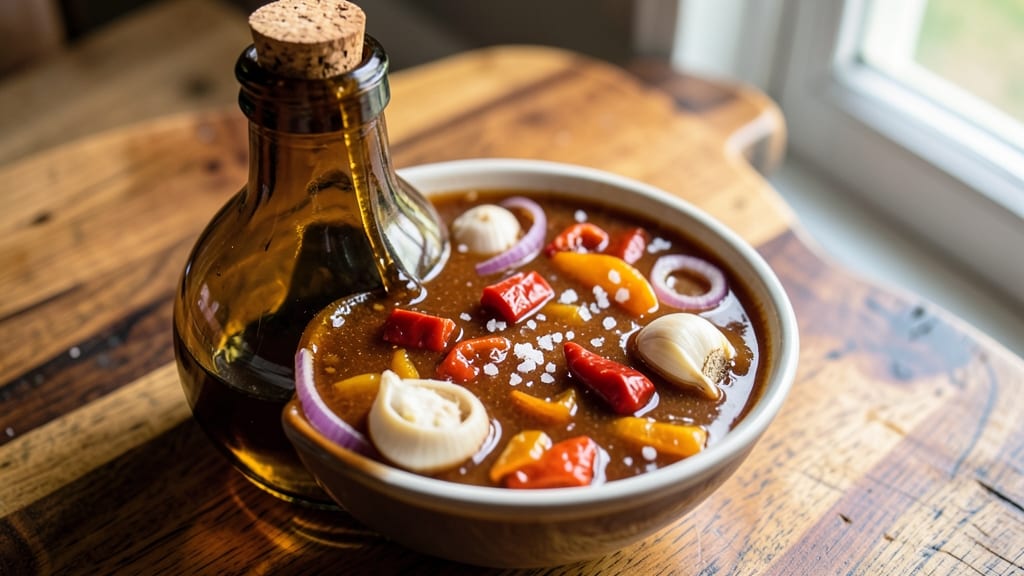
Albert's hot sauce delivers the kind of fiery, complex heat that transforms ordinary dishes into bold culinary statements. This recipe combines fermented chili peppers with vinegar and aromatic spices to create a sauce with depth and character—perfect for adding heat to everything from tacos to grilled meats.
The fermentation process enhances the natural flavors of the peppers, resulting in a sauce that's both vibrant and intensely flavorful.
The beauty of this hot sauce lies in its adaptability. You can adjust the heat level by choosing different peppers—from mild jalapeños to fiery habaneros—and control the fermentation time to achieve your desired balance of tanginess and spice.
The recipe uses simple pantry staples like vinegar, garlic, and onions to create a sauce that's rich in flavor without being overly complicated.
What sets this hot sauce apart is its ability to elevate any dish it touches. Whether you drizzle it over tacos, mix it into marinades, or use it as a dip for chips, the flavors will leave a lasting impression.
The fermentation process also means the sauce improves with age, developing even more complexity over time.
With just a few ingredients and a little patience, you'll have a hot sauce that rivals anything you can buy in stores. The process is straightforward, and the results are undeniably rewarding. Let’s get started on creating your own batch of Albert’s fiery fermented chili heat.
Ingredients for alberts hot sauce
Simple ingredients that pack a punch. Fermented heat meets tangy brightness for a sauce you'll reach for daily.
| Ingredient | Amount | Notes |
|---|---|---|
| Fresh Chili Peppers 🌶️ | 2 cups | Jalapeño, serrano, or habanero (adjust for heat) |
| White Vinegar 💧 | 1 cup | Distilled white vinegar preferred |
| Granulated Sugar 🍚 | ½ cup | For fermentation balance |
| Garlic Cloves 🧄 | 6 cloves | Freshly crushed for depth |
| Yellow Onion 🧅 | ½ whole | Thinly sliced, no need to peel |
| Salt 🧂 | 1 tbsp | Kosher or sea salt |
| Ground Black Peppercorns 🌶️ | ½ tsp | Freshly cracked for texture |
| Cumin Seeds 🌿 | 1 tsp | Toasted lightly for aroma |
| Water 💧 | 1 cup | Filtered or bottled preferred |
The peppers are everything here. Hit up the Latin market for habaneros if you want serious heat, or grab jalapeños from the regular produce section for something milder. Freshness matters—look for peppers that are firm, not wrinkled. The vinegar should be white and distilled (none of that apple cider stuff). Sugar isn't just for sweetness—it helps the fermentation process along. I always grab the Domino brand sugar because it's consistent, but any granulated will do. The garlic and onion? Fresh is non-negotiable—dried or powdered won't give you that same depth of flavor.
No habaneros? Serrano peppers or even cayenne powder will crank up the heat. Running low on vinegar? Apple cider vinegar works in a pinch, though it'll have a slightly different tang. The cumin seeds are optional but worth toasting—just dry-toast in a pan for 30 seconds until fragrant. No cumin seeds? Ground cumin at half the amount works too. The salt is important for preservation, but don't go overboard—you want the flavors to shine, not the saltiness. If you're worried about fermentation, add a pinch of citric acid (about 1/4 tsp) to help stabilize it.
This sauce gets better with time—minimum 2 weeks of fermenting, but 3-4 weeks is ideal. Store it in a clean glass jar with an airtight lid in a cool, dark place. The longer it sits, the more complex the flavors become. Once opened, it'll keep in the fridge for up to 6 months. I always make a double batch—one for immediate use and one to age. The first batch goes on tacos and grilled meats, while the aged version gets mixed into marinades or drizzled over roasted veggies.
Why You'll Love This Recipe
- No Chopping Needed: I swear by this—just toss in whole garlic cloves and onion quarters straight into the vinegar. The heat and acid do all the work while I’m busy with the kids (or scrolling, let’s be honest).
- Sweet Heat Balance: That sugar isn’t just for sweetness—it caramelizes slightly with the peppers, giving you this weirdly addictive depth. Like a spicy hug with a little bite.
- Game for Any Meal: Slather it on eggs, drizzle it over tacos, or toss it into marinades. I’ve even used it as a brining liquid for chicken—trust me, the flavor sticks like glue.
- Lasts Months, Costs Pennies: A single batch keeps in my fridge for weeks, and the pantry staples (vinegar, sugar) won’t break the bank. Honestly, it’s the kind of sauce where you’ll forget you even bought store-bought.
Step-by-step instructions for Albert's hot sauce recipe
Here's how to craft this bold, fermented hot sauce with deep flavor and perfect heat balance.
Prepare and Sterilize Your Peppers
Start by washing the 2 cups of fresh chili peppers thoroughly under cool water. I like to remove the stems and any damaged areas, but leave the seeds if you want extra heat—just be warned, habaneros will pack a serious punch. Cut the peppers into ½-inch pieces, removing seeds only if you prefer milder heat.
Transfer the chopped peppers to a clean, sterilized glass jar. Sterilization is crucial here—any bacteria can ruin your fermentation. I use boiling water to sterilize my jar and utensils, then let everything cool completely before use. This step ensures your hot sauce develops properly without contamination.
Toast and Crush the Aromatics
In a dry skillet over medium heat, toast the 1 teaspoon cumin seeds for 1-2 minutes until fragrant and slightly darkened. Immediately transfer them to a spice grinder or mortar and pestle to crush lightly—this releases their oils and deepens the flavor.
In the same skillet, add the 6 cloves garlic and ½ whole yellow onion (thinly sliced). Cook for 3-4 minutes until the onion becomes translucent and the garlic turns golden. Let this mixture cool completely before adding it to your jar—hot aromatics can alter the fermentation process.
Combine Ingredients for Fermentation
Add the cooled garlic-onion mixture, 1 tablespoon salt, ½ teaspoon ground black peppercorns, and ½ cup granulated sugar to the jar with the peppers. The sugar might seem odd, but it helps balance the acidity during fermentation. Stir everything together until the peppers are fully coated in the spices.
Pour in the 1 cup white vinegar and 1 cup water, leaving about 1 inch of headspace at the top. Seal the jar tightly and give it a final stir. The vinegar acts as a preservative while the fermentation process develops that complex, tangy depth Albert's sauce is known for.
Ferment at Room Temperature
Store the sealed jar in a dark, cool place (around 70-75°F) for 5-7 days. You'll know fermentation is working when you see bubbles forming and a slight effervescence when you open the jar. This is where the magic happens—the peppers develop their signature depth and heat.
I like to open the jar daily and give it a gentle shake to distribute the flavors. After 5 days, taste the mixture. It should be tangy with developing heat—if it's not to your liking, let it ferment another 1-2 days. Once it reaches your preferred balance, it's ready for the final step.
Strain and Bottle Your Hot Sauce
Strain the fermented mixture through a fine-mesh sieve or cheesecloth into a clean bottle or jar. I press gently on the solids with a spoon to extract all the flavorful liquid. The strained peppers can be composted or saved for other dishes—they're still packed with flavor.
Your hot sauce is now ready to use! Store it in the refrigerator where it will continue to develop flavor over time. This sauce keeps for up to 6 months in the fridge, with the heat and complexity deepening as it ages. Start with small amounts—this is serious heat!
Pro Tips For Making Alberts Hot Sauce
- CHAR THE ONION FIRST: I learned this the hard way—when you toss raw onion into vinegar, it just sits there like a sad, watery guest. Sauté it in a dry pan for 5-7 minutes until it’s soft and golden before adding vinegar. The flavor mellows out and blends smoother, instead of making your sauce taste like you dumped raw onion into battery acid.
- STEAM THE PEPPERS: Yes, even if you’re impatient like me, blistering the peppers over an open flame is worth it. But if you’re short on time, cover them with a lid or foil and let the heat from the pot do the work. You want them charred but not burnt—just enough to soften the skins so they release their oils into the vinegar.
- DON’T SKIP THE GARLIC MASH: After roasting the garlic, smash it into a paste with a fork or the flat side of your knife. Whole cloves just sit there like stubborn guests at a party. The paste blends into the sauce evenly, giving you that deep, sweet garlic flavor instead of random bite-sized surprises.
- SWEAT THE SUGAR: If your sugar stays grainy, your sauce will too—no matter how much you stir later. Mix the sugar into the vinegar first, then heat it gently until it fully dissolves. I used to rush this, and my sauce would look like sandpaper. A slow simmer for 2-3 minutes fixes it every time.
Creative variations of these flavors
Smoky Chipotle Twist
For a deeper, smokier profile, add 2-3 chipotle peppers in adobo sauce (minced) to the jar during fermentation. These peppers bring a rich, smoky heat that pairs perfectly with the tangy vinegar base.
I like to use La Costeña brand for consistent quality—just mash them into the mixture before sealing the jar. Let it ferment an extra 2-3 days to let the smoky flavors meld. 🔥
Fruit-Infused Sweet Heat
Balance the fire with sweetness by adding ¼ cup pineapple juice or mango puree to the strained sauce. The natural acids in fruit enhance fermentation while adding a tropical brightness. I blend ½ cup frozen mango chunks with 2 tablespoons lime juice and strain it into the hot sauce.
This variation works beautifully on grilled shrimp tacos or as a glaze for spicy wings.
Garlic-Forward Ferment
Double the garlic to 12 cloves and toast them until deep golden brown for an intense, almost garlic-confit flavor. Crush the toasted garlic finely and mix it into the peppers before fermentation.
This version has a bold umami depth that stands up to rich dishes like steak or mac and cheese. For extra punch, add 1 teaspoon smoked paprika during the fermentation process.
Creamy Avocado Finish
Blend ½ ripe avocado into the strained hot sauce for a silky, creamy texture that cools the heat. This variation is perfect for drizzling over soups or spicy seafood dishes.
I use a high-speed blender to achieve a smooth consistency, then adjust the seasoning with a pinch of citric acid to balance the richness. Store this version in the fridge for no longer than 3 weeks due to the avocado.
Herb-Enhanced Brightness
Stir in 1 tablespoon chopped fresh cilantro or thyme leaves during the final straining step for a fresh, herbaceous note. For a Mediterranean twist, add 1 teaspoon dried oregano along with the cumin.
This variation shines in marinades for grilled meats or as a finishing sauce for roasted vegetables. The herbs brighten the deep, fermented flavors without overpowering them.
Spicy Honey Glaze
Mix 2 tablespoons raw honey into the strained hot sauce for a sweet-spicy glaze that caramelizes beautifully. This version is perfect for brushing on ribs or drizzling over grilled corn.
I heat the sauce gently in a saucepan until the honey dissolves, then reduce it by half for a thicker consistency. The honey also helps preserve the sauce longer when stored in the fridge.
Nutrition facts
Frequently asked questions
How do I adjust the heat level in this hot sauce?
Use milder peppers like jalapeños for a gentle kick, or swap in habaneros for extreme heat. For customization, remove seeds and membranes (where most capsaicin resides) before chopping. If the sauce is too hot after fermentation, blend in a neutral ingredient like ¼ cup apple juice to dilute it.
Can I make this hot sauce without fermentation?
Yes! Skip the fermentation by simmering 1 cup vinegar, 1 cup water, chopped peppers, garlic, and spices for 15-20 minutes instead. Strain and bottle immediately. The flavor will be simpler but still vibrant—ideal for quick projects. Fermentation develops deeper complexity over time.
What's the best way to use leftover fermented peppers?
Rinse and dry the strained peppers, then blend them with olive oil, salt, and a pinch of sugar for spicy pepper oil. Or chop finely and mix into taco seasoning blends, chili powders, or homemade salsa. They pack serious flavor—just a teaspoon adds punch to any dish!
Why does my hot sauce look cloudy after straining?
Cloudiness usually means residual pepper oils or fermentation particles. For a clearer sauce, strain through cheesecloth twice or let it settle for 24 hours before bottling. If the cloudiness persists, it’s likely just fine—hot sauce isn’t meant to be crystal clear like commercial brands.
How can I tell if my hot sauce has gone bad?
Watch for unusual odors (sour, rotten, or off smells), mold growth, or a slimy texture. If it tastes overly bitter or metallic, discard it. Properly stored in the fridge, this sauce should last 6 months with no spoilage. When in doubt, trust your senses—hot sauce shouldn’t taste "off" even if it’s spicy!