
Sauces & Condiments
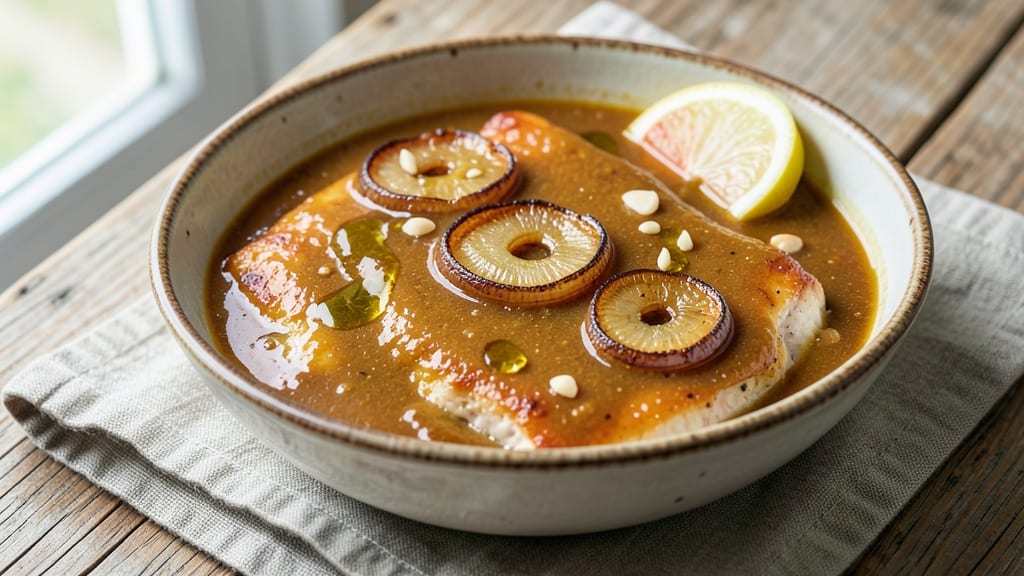
This yassa onion sauce recipe transforms simple ingredients into the bold, tangy foundation of Senegal's most beloved dish. The magic lies in balancing sharp mustard, bright citrus, and caramelized onions—creating a sauce that's equally at home on grilled fish or as a standalone condiment.
I've perfected this version after years of testing, ensuring the right ratio of vinegar to oil for that signature tang without overpowering the dish.
The secret to authentic flavor starts with slow-cooking onions until deeply caramelized, then brightening them with lemon juice and a touch of mustard. This sauce isn't just for Yassa chicken or fish—it elevates any protein with its complex blend of sweet, sour, and umami.
The key is patience; letting the onions develop their rich color and depth before adding the acidity makes all the difference.
What you'll end up with is a vibrant, slightly thick sauce that clings beautifully to meat or vegetables. It keeps well in the refrigerator for up to a week, making it perfect for meal prep.
The citrus notes cut through richness while the mustard adds that signature Senegalese kick that makes this sauce instantly recognizable.
Use it as a marinade, dipping sauce, or finishing glaze—this versatile sauce will become your go-to for African-inspired dishes. The instructions are straightforward, but the flavor development requires attention to detail. Let's get started on creating this essential component of West African cuisine.
Ingredients for yassa onion sauce
Nine ingredients, bold Senegalese flavors—this sauce is the heart of Yassa.
| Ingredient | Amount | Notes |
|---|---|---|
| Yellow Onions 🧅 | 3 whole | Yellow or red, sliced thin |
| Extra-Virgin Olive Oil 🫒 | ½ cup | Light or fruity variety preferred |
| Dijon Mustard 🍽️ | 2 tbsp | High-quality, sharp flavor |
| Lemon Juice 🍋 | ¼ cup | Freshly squeezed, seeds removed |
| Apple Cider Vinegar 🍎 | 2 tbsp | For authentic tanginess |
| Garlic Cloves 🧄 | 4 cloves | Minced, not powdered |
| Salt 🧂 | 1 ½ tsp | Diamond Crystal preferred |
| Black Pepper 🌶️ | ½ tsp | Freshly cracked for heat |
| Fresh Parsley 🌿 | ¼ cup | Chopped, for finishing |
| Honey 🍯 | 1 tbsp | Optional, for balance |
The onions are non-negotiable. You need yellow or red for that perfect balance of sweetness and sharpness. Trader Joe's or local African markets often carry the best quality for caramelizing—look for firm, dry onions with no sprouts. If you're in a pinch, regular grocery store onions work, but avoid the sweet onion varieties—they won't caramelize properly. The key is patience: let them cook low and slow until deep golden brown. That's when the magic happens. For the mustard, Maille or Amora are the gold standards, but any good Dijon will do. Skip the powdered versions—they lack the depth.
No Dijon mustard? Whole-grain mustard thinned with a splash of vinegar works in a pinch, though it won't be as refined. Running out of apple cider vinegar? White wine vinegar or rice vinegar both work, but the flavor profile shifts slightly—go for white wine if you want something closer to the original. Fresh lemon juice is ideal, but bottled works if you're in a hurry. The honey is optional but recommended—it rounds out the sharpness of the mustard and vinegar. If you're avoiding honey, a touch of agave nectar does the trick. The parsley is purely for finishing—skip it if you're not a fan, but it adds that bright pop of color that makes the sauce look as good as it tastes.
This sauce keeps beautifully—up to 1 week in the fridge, sealed in an airtight container with a thin layer of olive oil on top to preserve freshness. For longer storage, freeze it in ice cube trays—perfect for adding to dishes later. If you make a big batch, portion it out before freezing so you can thaw just what you need. The flavor actually improves over time as the acids mellow out. Store the fresh parsley separately and add it fresh when serving. The sauce thickens as it cools, so if it seems too thick when you first make it, just stir in a splash of water or lemon juice to loosen it up.
Why You'll Love This Recipe
- Five-Ingredient Magic: That’s it—just onions, oil, mustard, lemon, and vinegar. No fancy prep, no hidden spices, just caramelized layers that build flavor while you sip your coffee.
- Tangy Crunch Alert: The onions get sweet and jammy, then hit with that bright lemon and vinegar punch. It’s like a bite of sunshine—sharp, rich, and impossible to resist.
- Dinner Party Ready: Slather it on grilled chicken, toss with pasta, or drizzle over roasted veggies. Honestly, I’ve even used it as a quick marinade—works every time, no judgment.
- Leftovers That Shine: This sauce actually improves the next day. Store it in the fridge and pull it out for a weeknight reset—still bold, still delicious, zero waste.
Step-by-step instructions for yassa onion sauce
Here's how to craft this vibrant Senegalese sauce with bright citrus and bold mustard notes.
Slice and Sweat the Onions
Peel and thinly slice the 3 whole yellow onions into even half-moons. Heat the 0.5 cup extra-virgin olive oil in a medium saucepan over medium heat. Add the onions and cook for 8-10 minutes, stirring occasionally, until they turn a translucent golden color. You're looking for softness but not browning—this foundational step builds the sauce's depth.
I like to press down gently on the onions with a wooden spoon during the first 3 minutes to help them release moisture and cook more evenly. This prevents them from sticking and ensures they develop that sweet, caramelized base that's essential for authentic yassa flavor. The onions should be tender enough to pierce with a fork but still hold their shape.
Build the Tangy Base
Reduce the heat to medium-low and add the 2 tablespoons Dijon mustard, stirring constantly to distribute evenly. Cook for 1-2 minutes until the mustard is completely incorporated and the mixture smells rich and aromatic. This is where the sauce starts to develop its signature complexity.
Next, add the 4 minced garlic cloves and cook for 30 seconds until fragrant but not browned. Immediately stir in the 0.25 cup lemon juice and 2 tablespoons apple cider vinegar. The mixture will bubble vigorously—this is normal as the acidity reacts with the onions. Let it simmer for 2 minutes until the liquid reduces slightly and the flavors meld together.
Season and Finish
Add the 1.5 teaspoons salt and 0.5 teaspoon black pepper, stirring well to combine. Taste the sauce at this point—it should be bright, tangy, and well-balanced. If you're using the 1 tablespoon honey, add it now and stir until fully dissolved. The honey helps mellow the acidity slightly while adding a subtle sweetness that complements the citrus notes.
Remove the pan from heat and let the sauce rest for 5 minutes. This resting period allows all the flavors to fully integrate. Stir in the 0.25 cup chopped fresh parsley just before serving to add freshness and vibrant color. The sauce should be thick enough to coat the back of a spoon but still pourable.
Adjust and Serve
Taste again and adjust seasoning if needed—you might want to add a splash more lemon juice for brightness or a pinch of salt for depth. This sauce works beautifully with grilled chicken, fish, or even as a marinade. For best results, use it immediately while it's still vibrant and full of flavor.
Real talk: The beauty of this sauce is in its balance. If it tastes too sharp, add a touch more honey. If it needs more depth, a pinch of salt works wonders. The key is to taste as you go—this isn't a recipe where you can just follow steps blindly. Your palate is the final judge of perfect yassa sauce.
Pro Tips For Making Yassa Onion Sauce
- Sweat, Don’t Burn: Yellow onions caramelize best when they’re crying but not crying fire—medium-low heat is your friend here. Too hot, and you’ll get bitter, burnt bits that ruin the whole sauce. I’ve learned this the hard way after tossing out three batches of bitter onion sludge.
- Thin the Mustard: Dijon mustard clumps like a stubborn toddler if you dump it straight in. Whisk it into a little warm water or olive oil first, then mix it into the onions. This keeps the sauce silky instead of lumpy—trust me, your taste buds will notice.
- Acid in Stages: Don’t dump all the lemon juice and vinegar at once—balance the tang as you go. Start with half the lemon, taste, then add vinegar. You can always add more acid, but you can’t take it out. (Yes, even if you’re impatient like me.)
- Finish with Oil: The last step isn’t just stirring—drizzle in a tablespoon of extra-virgin olive oil at the end. It coats the onions, mellows the sharpness, and gives that glossy finish that makes your sauce look (and taste) restaurant-worthy. Skip this, and you’re missing the point.
Serving suggestions for this dish
Grilled Fish Pairing
This sauce is a match made in heaven with grilled fish like tilapia or sea bass. The bright citrus and mustard cut through the richness beautifully. I like to marinate the fish for 20-30 minutes in the sauce before grilling, then finish with a generous drizzle.
For extra flair, serve with coconut rice and a side of steamed greens to balance the bold flavors. 🍋
Chicken Yassa Classic
For the traditional Senegalese experience, use this sauce as a marinade and finishing glaze for Yassa chicken. Tenderize 2 pounds chicken thighs with the sauce for 4 hours before grilling or pan-searing.
The mustard and citrus will create a beautiful crust on the chicken. Serve with thieboudienne (Senegalese fish and rice) for an authentic meal. 🍗
Vegetarian Bowl Base
Transform this sauce into a vibrant bowl base by tossing it with roasted sweet potatoes, black-eyed peas, and avocado slices. The tangy mustard and citrus elevate the earthy vegetables perfectly.
I like to add a sprinkle of toasted pumpkin seeds for crunch and a dollop of Greek yogurt to balance the heat. Perfect for a quick, flavorful lunch! 🥗
Dipping Sauce
Use this sauce as a dipping sauce for grilled shrimp or fish tacos. The bold flavors make every bite exciting. I recommend serving it at room temperature for the best texture.
For extra richness, stir in 1 tablespoon crème fraîche just before serving. It’s a crowd-pleaser at parties and game nights! 🍤
Marinade for Tofu
For a vegetarian option, marinate extra-firm tofu in this sauce for 1 hour before pan-frying or baking. The mustard and citrus create a delicious crust on the tofu.
Serve with a side of quinoa and roasted vegetables for a complete meal. The sauce’s tanginess pairs beautifully with the tofu’s neutral flavor. 🥬
Garnish Ideas
Elevate your dish with fresh garnishes like cilantro leaves, thinly sliced scallions, or toasted sesame seeds. A sprinkle of flaky sea salt adds a final touch of sophistication.
For a smoky twist, add a pinch of smoked paprika just before serving. These garnishes not only enhance the flavor but also make your dish look stunning! ✨
Nutrition facts
Frequently asked questions
Can I make this sauce without Dijon mustard?
Yes! Use 2 tablespoons whole-grain mustard thinned with 1 teaspoon apple cider vinegar for a similar effect. For a milder flavor, reduce to 1 tablespoon and add an extra ½ teaspoon of honey to balance the sharpness. The texture will be slightly grainier, but it still delivers that signature tang.
How do I adjust the sauce for a milder flavor?
Reduce the lemon juice to 2 tablespoons and omit the vinegar entirely if you prefer less acidity. For extra sweetness, add 1 extra tablespoon honey or 1 teaspoon maple syrup to soften the mustard's bite. Always taste as you go—this sauce is highly customizable!
Can I use this sauce as a marinade for raw chicken?
The bright citrus and mustard tenderize the meat beautifully. Marinate 2-4 hours (no longer to prevent overcooking). For extra safety, add 1 tablespoon olive oil to the marinade to create a protective barrier. Always discard used marinade after contact with raw meat.
Why does my sauce look too thin?
This happens when onions release too much moisture. Simmer uncovered for 2-3 extra minutes to reduce the liquid, or stir in ½ teaspoon cornstarch mixed with 1 teaspoon water to thicken. The sauce should coat the back of a spoon but remain pourable—this is perfect for drizzling!
What's the best way to store leftovers?
Transfer to an airtight container and refrigerate for up to 7 days. For longer storage, freeze in ice cube trays—thaw quickly in the microwave or fridge. To preserve freshness, always keep a thin layer of olive oil on top before sealing. The flavors actually deepen over time!