
Sauces & Condiments
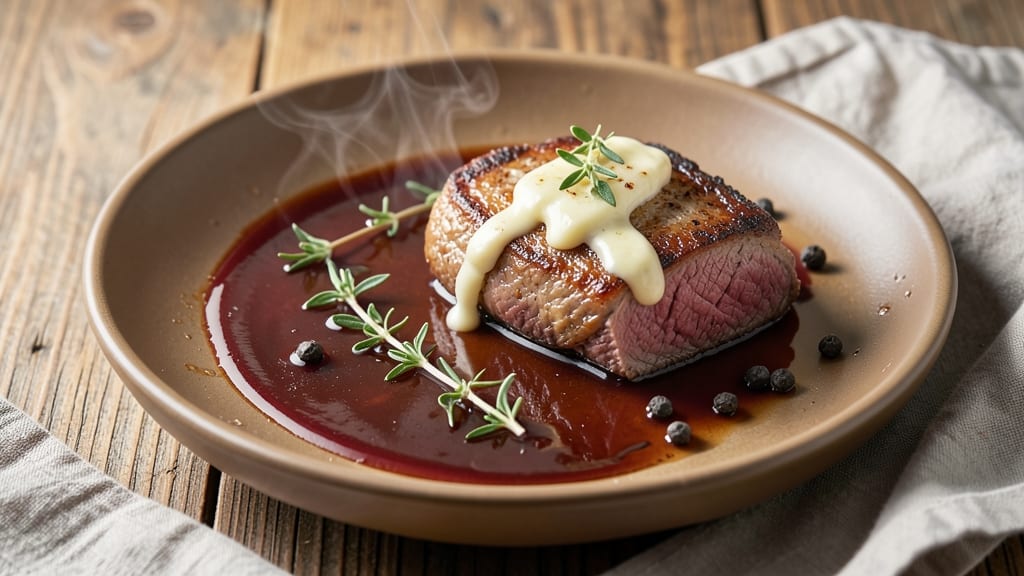
This venison sauce recipe transforms game day into a gourmet experience with a deep red wine reduction that enhances every bite of your venison dish. The rich, earthy flavors of red wine, thyme, and black pepper create a sauce that's both elegant and deeply satisfying—perfect for braised, grilled, or roasted preparations. What sets this sauce apart is its balance of tangy wine and savory herbs, which elevate even the simplest venison cut into something extraordinary.
The foundation of this sauce lies in a slow reduction of red wine and venison broth, which intensifies the flavors while naturally thickening the sauce. Adding a touch of butter at the end creates a silky texture that coats every forkful, ensuring each bite is rich and cohesive.
The key to success is patience—letting the sauce simmer until it reaches the perfect consistency, where it clings beautifully to meat without overpowering its natural taste.
What you'll achieve is a sauce that's versatile enough for any venison dish yet distinctive enough to stand out. Whether you're serving it over roasted venison chops or drizzling it across a hearty venison stew, this red wine reduction adds depth and sophistication.
The earthy herbs and bold wine flavors make it a showstopper, turning a rustic meal into a memorable dining experience.
This sauce also keeps well, making it ideal for meal prep or hosting dinner guests. The ingredients are straightforward, and the process is methodical, ensuring you achieve professional-quality results every time. Let's create a sauce that will have everyone at the table asking for seconds.
Ingredients for venison sauce
Nine ingredients, one sauce that turns venison into a gourmet masterpiece.
| Ingredient | Amount | Notes |
|---|---|---|
| Dry Red Wine 🍷 | 2 cups | Bold, dry variety like Cabernet Sauvignon |
| Venison Broth 🥩 | 1 cup | Homemade or quality store-bought |
| Unsalted Butter 🧈 | 4 tbsp | Cold, cubed for finishing |
| Fresh Thyme 🌿 | ½ cup | Leaves only, stems removed |
| Garlic Cloves 🧄 | 4 cloves | Minced for depth of flavor |
| Black Peppercorns 🌶️ | 1 tsp | Freshly cracked for texture |
| Shallots 🧅 | 2 whole | Minced for subtle sweetness |
| Granulated Sugar 🍚 | 1 tsp | Balances acidity in wine |
| Diamond Crystal Kosher Salt 🧂 | ½ tsp | For seasoning, not salting |
| Heavy Cream 🥛 | ¼ cup | Optional for silkier finish |
The red wine is non-negotiable here—Cabernet Sauvignon or Merlot work best, but whatever bold bottle you've got will do. Trader Joe's and Total Wine often have affordable options, and their bulk bins let you taste before buying. Fresh thyme is ideal, but dried works at one-third the amount if you're in a pinch. Look for plump, fragrant thyme sprigs—they should smell amazing right out of the package. The shallots? Don't peel them until you're ready to chop, or they'll dry out. Venison broth is the secret weapon—homemade is best, but Pacific Foods makes a great store-bought version.
No heavy cream? Skip it—this sauce is delicious without. Running short on thyme? Rosemary at half the amount adds a different but lovely earthiness. The sugar might seem odd, but it's crucial—it cuts through the wine's acidity and rounds out the flavors. Brown sugar works too, but granulated dissolves cleaner. If you're using pre-minced garlic, rinse it first to remove excess moisture. The butter? Cold cubes melt beautifully at the end, creating that luxurious sheen. And if you're worried about wine taste, don't be—it cooks off completely, leaving only rich depth.
This sauce tastes even better the next day, so make extra. Store it in a jar in the fridge for up to 5 days, or freeze for 3 months. The butter layer solidifies when chilled, so give it a stir before reheating. For serving, warm it gently on the stove—don't boil, or it'll break. Perfect for drizzling over venison chops, spooning over roasted roots, or even tossing with mashed potatoes for a decadent twist.
Why You'll Love This Recipe
- Wine Simmer Magic: That dry red wine reduction? It’s the secret weapon—just 10 minutes on the stove while you prep the rest. The alcohol burns off, leaving behind this deep, caramelized richness that turns even simple proteins into something special.
- Garlic-Thyme Bomb: Honestly, the moment I minced those garlic cloves into the butter and added the thyme, I knew this was going to be ridiculous good. The butter blooms golden, the garlic mellows into sweetness, and the thyme? It smells like a forest hike in a pan.
- Leftovers That Shine: Between us, this sauce is way better the second day—it thickens up perfectly, and I’ve used it to glaze roasted carrots, drizzle over mashed potatoes, or toss with pasta. (Yes, even on a Tuesday night.)
- Budget Hunter’s Win: Venison broth might sound fancy, but it’s cheaper than you think—especially if you make your own from scraps. Plus, a bottle of dry red wine and a handful of fresh thyme stretch across multiple meals without breaking the bank.
Step-by-step instructions for venison sauce
This rich, velvety reduction transforms simple ingredients into a luxurious sauce worthy of game day.
Sauté Shallots and Garlic Until Translucent
Melt 2 tablespoons of the unsalted butter in a heavy-bottomed saucepan over medium heat. Add the 2 whole shallots that you've minced and cook for 5-6 minutes until they become soft and translucent, stirring occasionally. The shallots should lose their raw bite and take on a subtle sweetness.
Next, add the 4 cloves minced garlic and cook for another 30 seconds until fragrant. Here's the thing—don't let the garlic brown or it'll turn bitter. You want it aromatic but still pale in color. Reduce the heat to low if needed to maintain gentle cooking.
Deglaze with Wine and Reduce
Pour in the 2 cups dry red wine and immediately scrape up any browned bits from the bottom of the pan with a wooden spoon. This deglazing step captures all the flavor you've built so far. Let the wine simmer uncovered over medium-high heat for 8-10 minutes until it reduces by half and coats the back of a spoon.
You'll notice the sauce darkening and intensifying in flavor. This reduction process concentrates the wine's natural sweetness and depth. If the mixture starts to stick, add 1 tablespoon of the venison broth to help it along. The goal is to create a syrupy base that will form the foundation of your sauce.
Build Flavor with Broth and Herbs
Add the remaining 2 tablespoons unsalted butter, 1 cup venison broth, 0.5 cup fresh thyme leaves, 1 teaspoon granulated sugar, 1 teaspoon cracked black peppercorns, and 0.5 teaspoon kosher salt to the pan. Stir well to combine all ingredients, then bring to a gentle simmer over medium heat.
Let the mixture simmer uncovered for 15-20 minutes until it thickens to a rich, velvety consistency. You'll see the sauce coat the back of a spoon and the thyme leaves become tender. Taste as you go—this is where you can adjust seasoning. If it needs more depth, add a pinch more salt. If it's too acidic, a tiny bit more sugar will help balance it.
Finish with Cream for Silkiness
Once the sauce has reduced to your desired consistency, remove the pan from heat and let it cool slightly for 2 minutes. Then, whisk in the 0.25 cup heavy cream until fully incorporated. The cream will lighten the sauce and add a luxurious texture, but don't worry—it won't make the sauce watery because the reduction has already concentrated the flavors.
Return the pan to low heat and let the sauce warm through for just 1-2 minutes. This final warming step ensures the cream is fully integrated without curdling. Strain the sauce through a fine-mesh sieve to remove any thyme stems if you prefer a completely smooth texture. The result should be a glossy, velvety sauce with layers of wine, herb, and gamey richness.
Pro Tips For Making Venison Sauce
- DEGLAZE HOT: Pour that red wine in while the pan is still screaming hot—literally, right after searing the venison. The alcohol will sizzle and evaporate faster, locking in deeper flavor instead of just steaming away like a sad, underwhelming cloud. I used to let it cool first, and the sauce always tasted flat until I learned this.
- TOAST THYME LEAFS: Tear the thyme sprigs and give them a quick 30-second toast in the butter before adding broth. The leaves darken and release their aroma like a perfume bottle—way more impact than just tossing them in raw. (Yes, even if you’re impatient like me.)
- SIMMER LOW AND LONG: Reduce the sauce on medium-low heat until it coats the back of a spoon—about 15-20 minutes. Rushing it turns the wine into vinegar and leaves the butter grainy. I burned through three batches before realizing patience here isn’t optional.
- GARLIC FIRST, WINE SECOND: Smash the garlic cloves with the side of your knife before adding them to the pan—this keeps them from burning and turns them into a silky paste. Add them to the butter before the wine, so they infuse instead of just floating like decorative garnish. (Your future self will notice the difference.)
Pro cooking tips for this recipe
Pan Selection
Use a heavy-bottomed saucepan—I swear by All-Clad Stainless Steel—to prevent scorching during the reduction. A 3-quart pan gives you enough room to stir without spilling, while a 2-quart works for smaller batches.
Avoid nonstick pans; they can't handle the high heat needed for proper reduction. If you only have lightweight pans, reduce heat slightly to prevent hot spots. 🔥
Wine Reduction Timing
Never rush the wine reduction—this is where the magic happens. Simmer uncovered over medium-high heat and stir frequently to prevent sticking. The wine should reduce by half (about 1 cup) in 8-10 minutes.
If it reduces too quickly, lower the heat to medium-low and add 1 tablespoon broth to help control the process. Patience here ensures a deep, concentrated flavor.
Herb Infusion
Fresh thyme leaves should be added after the initial wine reduction to preserve their delicate aroma. If using dried thyme, toast it in the pan for 30 seconds before adding liquid to wake up its flavors.
For extra depth, add 1 bay leaf during the simmering stage—just remove it before finishing. The thyme should infuse the sauce but not overpower it; aim for a subtle earthiness that complements the wine.
Butter Finishing
Always use cold, cubed butter for finishing—this creates a silky emulsion when melted into the sauce. If your sauce seems too thin after adding cream, simmer it uncovered for 2-3 minutes to thicken slightly.
For a lighter finish, whisk in 1 tablespoon cold butter at the very end instead of heavy cream. This trick works especially well if you're watching calories.
Sauce Consistency
The perfect venison sauce should coat the back of a spoon but still flow smoothly. If it's too thick, add 1 tablespoon warm broth and simmer for 2 minutes. If it's too thin, simmer uncovered for 5-10 minutes longer.
For a glossy finish, whisk in 1 teaspoon cold water before adding the final butter—this creates a satiny sheen that looks restaurant-worthy. 💫
Reheating Secrets
Never reheat venison sauce on high heat—this can break the emulsion and make it grainy. Warm it gently over low heat, stirring constantly, until just heated through (165°F). If it thickens too much, add 1 tablespoon broth to restore consistency.
For leftovers, reheat in short bursts (30 seconds on, 30 seconds off) in the microwave, stirring between each interval to prevent separation.
Nutrition facts
Frequently asked questions about venison sauce
Can I substitute white wine for red in this venison sauce?
While you can use white wine, it won't deliver the same rich depth of flavor. Red wine's tannins and darker fruit notes complement venison's gamey taste perfectly. If you must use white, opt for a bold variety like Chardonnay and add 1 teaspoon extra sugar to balance the acidity. The sauce will be lighter in color but still delicious.
What if I don't have venison broth? Can I use beef or chicken?
Yes, but venison broth adds that authentic gamey depth. Beef broth works best as a substitute—it's rich enough to carry the wine flavors. Chicken broth will make the sauce lighter, so consider adding 1 teaspoon soy sauce or ½ teaspoon Worcestershire sauce to enhance umami. The sauce will still be flavorful, just with a slightly different profile.
How do I fix a sauce that's too thin or too thick?
For a thin sauce, simmer uncovered for 5-10 minutes longer to reduce it. If it's too thick, whisk in 1 tablespoon warm broth at a time until it reaches the perfect consistency. For an instant glossy finish, add 1 teaspoon cold water before incorporating the final butter—this creates a silky sheen without thinning the sauce.
Can I make this sauce ahead of time?
This sauce tastes even better the next day. Store it in an airtight container in the fridge for up to 5 days or freeze for 3 months. When reheating, warm it gently over low heat and stir in 1 tablespoon broth if it thickens too much. The flavors deepen as it rests, making it perfect for meal prep.
What are the best ways to serve this venison sauce?
This versatile sauce pairs beautifully with roasted venison chops, braised venison stew, or even as a drizzle over mashed potatoes. For extra elegance, strain it through a fine-mesh sieve to remove any herb stems, then finish with a swirl of cold butter. It also works wonderfully with grilled vegetables or as a dip for crusty bread.