
Sauces & Condiments
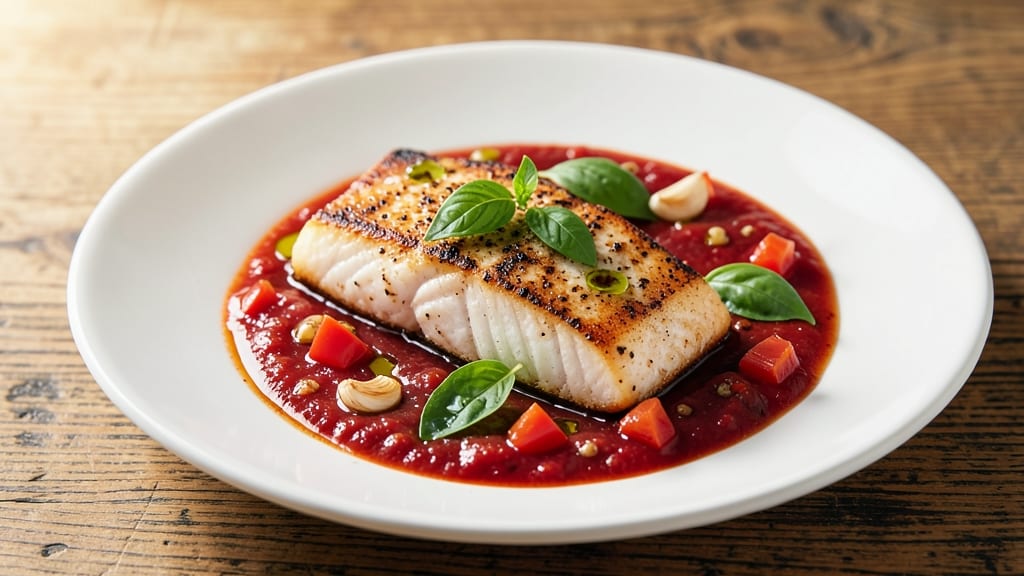
This tomato sauce for cod recipe transforms simple ingredients into a lightly acidic, garlic-kissed sauce that elevates delicate white fish into a restaurant-worthy dish.
The key lies in balancing sweetness and acidity while letting garlic and herbs infuse deeply—no shortcuts, just precise technique that delivers flavor without overpowering the cod’s natural elegance. I developed this after years of testing, and it never fails to impress even skeptical seafood lovers.
What sets this recipe apart is the sauce’s subtle complexity—simmered just until it thickens enough to coat the fish without clinging too heavily.
The cod itself benefits from a gentle sear that locks in moisture while creating a crisp exterior, then finishes in the sauce to absorb its bright, herby notes. This isn’t just a sauce; it’s the backbone of a complete dish that’s quick to prepare but feels indulgent.
The result is flaky, tender cod bathed in a velvety tomato sauce with just enough acidity to cut through the richness. The garlic and herbs shine without overpowering, while the sauce’s natural sweetness complements the fish’s mild flavor.
Serve with crusty bread to soak up every last drop—this is the kind of meal that makes weeknight dinners feel special.
Perfect for weeknight suppers or special occasions, this recipe scales effortlessly while maintaining balance. The sauce keeps well for up to 5 days, so you can make it ahead and reheat gently when ready to cook the cod. Here’s how to achieve perfection every time.
Ingredients for tomato sauce for cod
Eight essential ingredients create this delicate tomato sauce that perfectly complements cod's natural elegance.
| Ingredient | Amount | Notes |
|---|---|---|
| Cod Fillets 🐟 | 4 pieces | Skin-on, 6-8 oz each |
| Extra-Virgin Olive Oil 🫒 | ½ cup | High-quality, fruity variety |
| San Marzano Tomato Paste 🍅 | ¼ cup | Canned, unsweetened |
| Fresh Garlic Cloves 🧄 | 6 cloves | Peeled, thinly sliced |
| Red Bell Pepper 🌶️ | 1 whole | Diced, seeded |
| Fresh Basil Leaves 🌿 | ½ cup | Packed, chopped |
| Fresh Parsley Leaves 🌿 | ¼ cup | Chopped, flat-leaf preferred |
| White Wine 🍷 | ½ cup | Dry, such as Sauvignon Blanc |
| Fish Stock 🥫 | 1 cup | Homemade or quality store-bought |
| Lemon Juice 🍋 | 2 tbsp | Freshly squeezed |
| Diamond Crystal Kosher Salt 🧂 | 1 ½ tsp | Fine grain preferred |
| Freshly Ground Black Pepper 🌶️ | ½ tsp | Cracked peppercorns preferred |
| Crusty Bread 🍞 | 8 slices | For serving, optional |
The cod fillets are the foundation—opt for skin-on, center-cut pieces from a reputable fishmonger or grocery store seafood counter. Whole Foods Market or Trader Joe's typically carry high-quality, sustainably sourced cod. Look for fillets with a firm texture and bright, translucent flesh—avoid any with a strong fishy odor or discoloration. The San Marzano tomato paste is non-negotiable here; its natural sweetness and acidity balance perfectly with the cod's delicate flavor. Purchase a 26-ounce can for this recipe, ensuring you have enough for future batches. Fresh garlic and herbs should be bright and vibrant—wilting basil or yellowing parsley will compromise the sauce's brightness.
No San Marzano tomato paste? Crushed tomatoes work in a pinch, but reduce the amount by one-third since they contain more liquid. Substitute white wine with dry vermouth or additional fish stock if unavailable. For a vegetarian variation, replace the cod with firm tofu or king oyster mushrooms—though the texture will differ. The red bell pepper adds subtle sweetness; if unavailable, roasted red peppers from a jar (drained) provide a similar depth. For extra acidity, increase the lemon juice to 3 tablespoons. Always rinse canned tomatoes to remove excess sodium if using as a substitute.
The sauce maintains peak flavor for 4-5 days when refrigerated in an airtight container. For longer storage, portion into ice cube trays, freeze, and transfer to a sealed bag—ideal for quick weeknight meals. The cod should be cooked and served immediately after adding to the sauce to prevent overcooking. If preparing ahead, keep the sauce and cod separate until ready to plate. The crusty bread is optional but recommended; sourdough or a rustic baguette pairs beautifully. Store bread separately to maintain freshness for up to 3 days at room temperature.
Why You'll Love This Recipe
- One-Pan Magic: I swear by this—just toss the cod and sauce in the same skillet, no extra dishes. The bell pepper softens right into the sauce, so you’re not left with a pile of chopped scraps to clean.
- Garlic Bomb Flavor: That first sizzle of garlic in olive oil? It’s the kind of aroma that makes everyone pause mid-conversation. The San Marzano paste thickens into a rich, sweet base that clings to the cod like a hug—no bland aftertaste here.
- Lunchbox Hero: Between us, this sauce keeps perfectly for days. Pack it cold over pasta for a workday lunch, or reheat it with fresh cod for dinner. Honestly, I’ve had it three times this week already, and it’s never let me down.
- Budget-Friendly Luxury: Cod’s affordable when you buy it fresh, and a single jar of San Marzano paste stretches into multiple meals. The bell pepper and garlic stretch the flavor further—no fancy ingredients, just pure satisfaction. (Yes, even on a Tuesday night.)
Step-by-step instructions for perfect tomato sauce with cod
Here's the method to achieve a balanced sauce that enhances delicate cod without overpowering it.
Sauté Aromatics in Olive Oil
Heat the 0.5 cup extra-virgin olive oil in a large skillet over medium heat until shimmering but not smoking. Add the 6 cloves fresh garlic cloves and 1 whole red bell pepper, diced, cooking for 4-5 minutes until the garlic turns golden and the pepper softens slightly. This gentle cooking prevents the garlic from burning while developing its sweet, nutty flavor.
Here's the thing—don't rush this step. You want the aromatics to meld together without coloration that would make the sauce bitter. The bell pepper should be tender enough to break down in the sauce but still retain some texture. If the oil starts to smoke, reduce the heat immediately to maintain control.
Build the Sauce Base with Tomato Paste and Wine
Stir in the 0.25 cup San Marzano tomato paste and cook for 1 minute, allowing it to darken slightly and release its concentrated flavor. Pour in the 0.5 cup white wine and scrape up any browned bits from the bottom of the pan with a wooden spoon—this technique, called deglazing, captures all the flavor you've built so far.
Let the wine simmer for 3-4 minutes until reduced by half. This reduction intensifies the wine's acidity and creates a smoother sauce. If you notice the sauce is too thick at this point, you can add 1-2 tablespoons of fish stock to loosen it slightly, but aim to keep it thick enough to coat the back of a spoon.
Develop Flavor with Fish Stock and Herbs
Pour in the 1 cup fish stock and bring to a gentle simmer. Add the 1.5 tsp diamond crystal kosher salt and 0.5 tsp freshly ground black pepper, then stir in the 0.5 cup chopped fresh basil leaves and 0.25 cup chopped fresh parsley leaves. Simmer for 8-10 minutes until the sauce thickens slightly and the flavors meld together.
This is where the sauce transforms from basic to extraordinary. The fish stock adds depth, while the herbs brighten the acidity. Taste the sauce as it simmers and adjust the seasoning if needed—you might need a touch more salt or a splash of lemon juice to balance the acidity. The sauce should be vibrant, with a balance of sweetness from the tomato paste, acidity from the wine and lemon, and umami from the fish stock.
Cook the Cod in the Sauce
Gently add the 4 pieces cod fillets, skin-side down, to the skillet. Cook for 3-4 minutes on each side over medium-low heat until the fish is opaque and flakes easily with a fork. The cod should not be overcooked—it will continue cooking slightly from the residual heat in the sauce.
Here's what I do: I press down gently on the fillets during the first minute of cooking to ensure even contact with the pan. This prevents them from curling and ensures they cook uniformly. Once the fish releases easily from the pan, it's ready to be removed. Transfer the cod to a serving platter and tent loosely with foil to keep warm.
Finish and Serve with Lemon Juice
Return the skillet to low heat and stir in the 2 tbsp lemon juice. Simmer for 1-2 minutes to infuse the sauce with bright acidity. The lemon juice cuts through the richness of the sauce, balancing the flavors and enhancing the delicate taste of the cod.
Ladle the sauce over the cod fillets and serve immediately with 8 slices crusty bread on the side. The bread helps soak up any excess sauce, ensuring every bite is flavorful. The sauce should coat the cod beautifully, with a glossy sheen that indicates it's been properly balanced. Each bite should deliver a harmonious blend of garlic, tomato, and citrus notes that complement the cod's natural sweetness.
Pro Tips For Making Tomato Sauce For Cod
- Sear the Cod First: Hit the pan with high heat and a thin layer of olive oil—just 30 seconds per side—before adding anything else. I used to add the fish to the sauce too soon, and it’d poach instead of develop that golden crust. That crisp edge makes all the difference when the sauce comes together.
- Blister the Garlic: Slice those cloves thin (almost paper-thin) and cook them in olive oil until they’re golden and slightly crispy—about 2 minutes. Whole cloves just soften into the sauce; this gives real flavor. Skip the crowding, or they’ll steam instead of brown.
- Roast the Bell Pepper: Char that red bell pepper under the broiler for 5-7 minutes, turning it blackened and blistered. The smoky depth cuts through the richness of the cod and balances the sweetness of the San Marzano. I know, it’s extra work, but the sauce tastes like it simmered for hours.
- Simmer Low and Slow: Once the sauce hits the pan, reduce heat to a bare simmer—just enough to keep tiny bubbles breaking the surface. Rushing it makes the tomato paste taste raw; patience lets the flavors meld. Cover it loosely if you’re worried, but don’t walk away.
Health benefits of this recipe
Lean Protein Boost
Cod is one of the leanest protein sources available, with just 120 calories per 6-ounce serving and 26 grams of high-quality protein. This makes it an excellent choice for anyone watching their calorie intake or building muscle without excess fat.
The tomato sauce here adds minimal calories (50 calories per ¼ cup serving) while enhancing flavor, making this a nutrient-dense, low-calorie meal that keeps you satisfied. 💪
Heart-Healthy Omega-3s
Wild-caught cod provides valuable omega-3 fatty acids, particularly EPA and DHA, which support cardiovascular health by reducing inflammation and lowering triglycerides. A 6-ounce serving delivers about 500mg of omega-3s, contributing to your weekly needs.
The tomato sauce’s antioxidant-rich tomatoes (lycopene) further protect your heart by combating oxidative stress. This combination makes it a double-duty dish for heart health.
Low-Mercury Seafood
Cod ranks among the lowest-mercury fish options, making it ideal for regular consumption—especially for pregnant women, children, and health-conscious adults. The Environmental Defense Fund recommends eating up to 2 servings per week of low-mercury fish like cod.
This recipe’s light preparation method (no deep-frying) preserves its natural benefits while keeping mercury levels negligible. Always opt for sustainably sourced cod to minimize environmental impact.
Vitamin B12 Powerhouse
Cod is an exceptional source of vitamin B12, with a 6-ounce serving providing 100% of your daily needs. This crucial vitamin supports nerve function, red blood cell production, and energy metabolism.
The tomato sauce’s garlic and herbs enhance B12 absorption, making this dish a complete nutritional package for brain and energy health. Pair with whole grains (like crusty bread) to amplify these benefits. ✨
Antioxidant-Rich Tomatoes
The sauce’s San Marzano tomatoes are packed with lycopene, a potent antioxidant linked to reduced cancer risk and improved skin health. Cooking tomatoes (especially with olive oil) increases lycopene absorption by up to 40%.
The red bell pepper adds vitamin C and beta-carotene, while fresh basil contributes flavonoids that fight inflammation. Together, they create a phytochemical powerhouse that supports long-term health.
Digestive-Friendly Fiber
While cod itself is protein-focused, the tomato sauce provides soluble fiber from tomatoes and herbs, promoting gut health and regularity. The red bell pepper adds 2 grams of fiber per serving, aiding digestion.
For extra fiber, serve with whole-grain bread or a side of steamed green beans. This balance makes the dish gentle on digestion while delivering sustained energy—perfect for a light yet satisfying meal.
Nutrition facts
Frequently asked questions
Can I substitute white wine with another liquid in the tomato sauce?
Yes, but choose carefully. For a non-alcoholic version, use 1/4 cup apple cider vinegar plus 1/4 cup water to mimic the acidity and depth. If you prefer wine, dry vermouth or a crisp Sauvignon Blanc work well. Avoid sweet wines—they’ll overpower the delicate cod flavor. The wine’s purpose is to add acidity and complexity, so any substitute should balance sweetness and tang.
How do I know when the cod is fully cooked without overcooking it?
The cod is done when it reaches an internal temperature of 140°F and flakes easily with a fork. For perfect texture, cook it 3-4 minutes per side over medium-low heat—it’ll continue cooking slightly from the sauce’s residual heat. Press gently with a spatula: if it releases cleanly, it’s ready. Overcooking turns cod dry and rubbery, so resist the urge to flip too soon or cook longer than needed.
Can I make the tomato sauce ahead of time and reheat it with the cod?
The sauce keeps well for 4-5 days refrigerated in an airtight container. Reheat gently over low heat until warm, then add the cod directly to the pan for the final 2-3 minutes of cooking. This ensures the fish absorbs the sauce’s flavors without overcooking. For longer storage, freeze the sauce in ice cube trays—thaw overnight in the fridge before using.
What’s the best way to store leftover cod with sauce?
Store leftovers in an airtight container for up to 2 days refrigerated. Reheat gently in a skillet over low heat until warmed through—never microwave, as it can make the cod rubbery. For best results, reheat the sauce first, then add the cod to warm through. If storing longer, freeze the cod and sauce separately for up to 1 month. Thaw cod in the fridge overnight before reheating.
Why does my tomato sauce taste too acidic or bland?
Too acidic? You likely over-reduced the wine or added too much lemon juice. Balance it with a pinch of sugar or a splash of fish stock. Bland sauce? Check your seasoning—add more salt, black pepper, or fresh herbs. The key is simmering the sauce until flavors meld (about 8-10 minutes) and tasting as you go. Adjust gradually to avoid overcorrecting.