
Sauces & Condiments
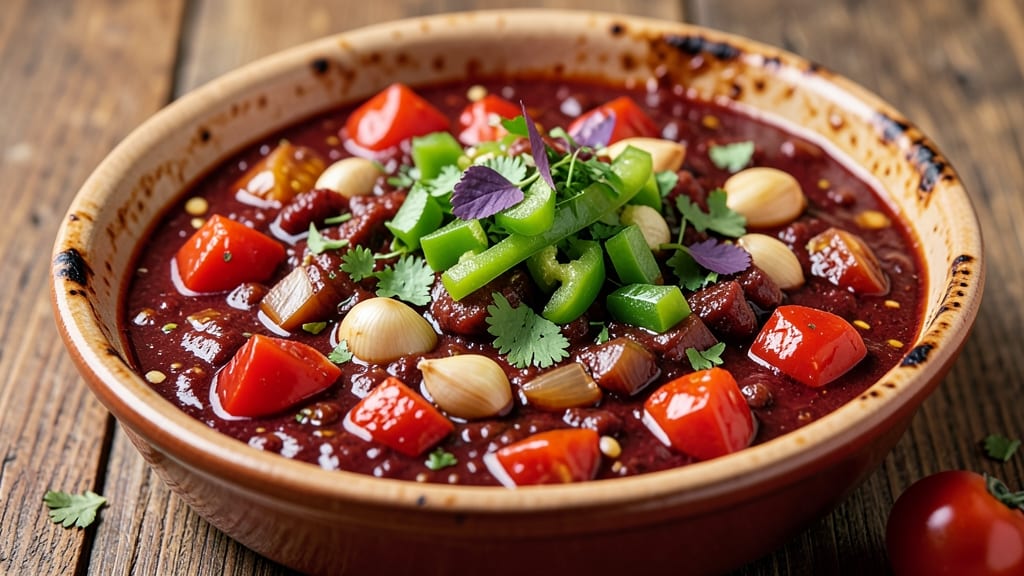
This authentic mambo sauce recipe brings the bold, herby essence of Cuban cuisine to your table with just a few simple ingredients and a little patience.
The sauce's signature blend of tomatoes, garlic, and fresh herbs creates a vibrant, tangy condiment that elevates grilled meats, rice, and even plantains to restaurant-quality levels.
What makes this recipe truly special is its balance of acidity and richness, achieved through slow simmering and careful seasoning—no shortcuts, just pure, traditional flavor.
The foundation of mambo sauce lies in its fresh ingredients: ripe tomatoes, aromatic garlic, and a mix of cilantro, oregano, and bell peppers, all brought together with a touch of vinegar for brightness.
Unlike store-bought versions, this recipe delivers a depth of flavor that comes from simmering the sauce until it thickens just enough to coat the back of a spoon, creating a velvety texture that clings to every bite.
The process is straightforward, but the result is anything but ordinary—this is the kind of sauce that turns a simple meal into something unforgettable.
Once you’ve mastered this sauce, you’ll find it’s incredibly versatile—perfect for drizzling over grilled chicken or pork, mixing into rice dishes, or serving as a dip for crispy plantains. The best part?
It keeps well in the refrigerator for up to a week, so you can make a big batch and enjoy it throughout the week. Whether you're hosting a Cuban-inspired dinner or just craving a taste of the island, this mambo sauce will be your secret weapon in the kitchen.
Ready to experience the real deal? Let’s dive into the ingredients and instructions—this sauce is easier to make than you think, and the payoff is worth every minute.
The key is patience and attention to the herbs; don’t skip the freshness, as that’s what sets this recipe apart from the rest.
Ingredients for authentic mambo sauce
Fresh tomatoes, herbs, and a touch of vinegar create this vibrant Cuban sauce.
| Ingredient | Amount | Notes |
|---|---|---|
| Ripe Tomatoes 🍅 | 2 lbs | Roma or vine-ripened for best texture |
| Yellow Onion 🧅 | 1 whole | Medium size, diced finely |
| Garlic Cloves 🧄 | 6 cloves | Fresh, minced for aromatic punch |
| Fresh Cilantro 🌿 | ½ cup | Stems included, chopped fine |
| Fresh Oregano 🍃 | ¼ cup | Mexican oregano preferred |
| Green Bell Pepper 🌶️ | 1 whole | Medium, seeded and diced |
| White Vinegar 💧 | ¼ cup | For bright acidity balance |
| Extra-Virgin Olive Oil 🫒 | ½ cup | For richness and depth |
| Salt 🧂 | 1 ½ tsp | Diamond Crystal preferred |
| Ground Black Pepper 🌶️ | ½ tsp | Freshly cracked for heat |
The tomatoes are the heart of this sauce, so pick the ripest ones you can find—Roma tomatoes hold up best during simmering, but vine-ripened works too. Local farmers markets often have the sweetest, freshest options, especially in summer. If you can't find Roma, just double-check for firmness and vibrant color. The onion and bell pepper should be fresh too—no sad, wilted produce here. For the herbs, fresh cilantro and oregano are non-negotiable; dried just won't cut it. Grab a bunch of cilantro and use the stems too—they pack extra flavor. And if you're feeling fancy, Mexican oregano from a Latin market adds that authentic Cuban kick.
No fresh tomatoes? Canned San Marzano tomatoes work in a pinch—they're sweet and meaty, perfect for simmering. Running low on cilantro? Fresh parsley at half the amount keeps the bright flavor, though it won't be quite the same. Vinegar too strong? Apple cider vinegar is a milder swap. The olive oil matters here—don't skimp on extra-virgin. The good stuff has that fruity punch that makes this sauce sing. And if you're out of bell pepper? Red pepper flakes at a quarter teaspoon adds heat without changing the texture. The key is balance—taste as you go, and adjust the salt and vinegar to your preference.
This sauce tastes even better the next day as the flavors meld. Store it in a clean glass jar in the fridge for up to 7 days, or freeze portions for 3 months. I like to make a big batch and freeze it in ice cube trays—just thaw what you need. The sauce thickens as it cools, so if it's too thick after refrigerating, just stir in a splash of water or broth. And trust me, the leftovers? Even more flavorful—perfect for drizzling over grilled meats or mixing into rice.
Why You'll Love This Recipe
- No Chopping Chaos: I swear by this sauce because you only need to dice one onion and mince a few garlic cloves—no fancy prep, no small cuts that stick to your fingers. The tomatoes? Just crush them by hand or use a spoon—no blender required.
- Herb-Packed Punch: That fresh oregano and cilantro combo? It’s what turns this from good to ridiculously good. The oregano gives it that bright, earthy kick, while the cilantro adds a fresh finish that makes every bite feel like a little vacation.
- Weeknight to Potluck: Make a big batch on Sunday, and you’ve got sauce for tacos, grilled meats, or even eggs all week. Honestly, I’ve taken it to BBQs, dinner parties, and lazy Tuesday dinners—it never lets me down.
- Budget Magic: Ripe tomatoes and onions are cheap, and a handful of cilantro and oregano stretch far. I’ve fed four people for under $5 with this sauce, and it still tastes like I spent an hour in the kitchen. (Spoiler: I didn’t.)
Step-by-step instructions for authentic Cuban mambo sauce
Let's make this vibrant Cuban sauce that's all about bold flavors and perfect balance.
Prep All Ingredients for Maximum Flavor
Start by cutting the 2 lbs ripe tomatoes in half and removing the cores. Chop them into rough chunks—no need for precision here, just even-sized pieces. Peel and dice the 1 whole yellow onion into small, even cubes. Remove the seeds from the 1 whole green bell pepper and chop it into small dice, about the same size as the onion.
Mince the 6 cloves garlic finely—you want tiny pieces that'll dissolve into the sauce. Chop the 0.5 cup fresh cilantro and 0.25 cup fresh oregano separately, keeping the stems for the cilantro as they add extra flavor. Measure out the 0.25 cup white vinegar, 0.5 cup extra-virgin olive oil, 1.5 tsp salt, and 0.5 tsp ground black pepper—you'll need these ready to go.
Sauté the Aromatics Until Golden
Heat the 0.5 cup extra-virgin olive oil in a large, heavy-bottomed pot over medium heat. Add the diced onion and cook for 5-6 minutes until it softens and turns translucent. This is where the foundation of your sauce begins.
Add the minced garlic, green bell pepper, and oregano. Stir everything together and cook for another 3-4 minutes until the garlic is fragrant and the peppers begin to soften. The mixture should smell incredible at this point—this is your cue that the aromatics are ready for the next step. Don't let the garlic burn; keep the heat at medium.
Build the Sauce with Tomatoes and Vinegar
Add the chopped tomatoes to the pot along with the 0.25 cup white vinegar. Stir everything together and bring the mixture to a gentle boil. Once boiling, reduce the heat to medium-low and let it simmer uncovered for 20-25 minutes. You want the sauce to reduce and thicken—this is where the magic happens.
As it simmers, stir occasionally to prevent sticking. The sauce should thicken enough to coat the back of a spoon. If it's reducing too quickly, you can cover the pot loosely with a lid to slow the process. The tomatoes will break down, releasing their juices and creating a rich, velvety texture.
Season and Finish to Perfection
Once the sauce has thickened and the tomatoes have broken down completely, stir in the 1.5 tsp salt and 0.5 tsp ground black pepper. Taste it—this is where you can adjust the seasoning. If it needs more acidity, add a splash more of the vinegar. If it needs more depth, a drizzle of olive oil can help balance it out.
Finally, stir in the chopped cilantro. Let the sauce simmer for another 5 minutes to allow all the flavors to meld together. The sauce should be vibrant red, with a thick, almost jam-like consistency. If it's too thick, you can thin it with a little water or tomato juice. If it's too thin, simmer it uncovered for a few more minutes to reduce it further.
Rest and Serve with Confidence
Remove the sauce from heat and let it rest for 10-15 minutes. This resting period allows the flavors to fully develop and the sauce to thicken even more. Taste it one more time and adjust the seasoning if needed—authentic Cuban mambo sauce is all about balance.
Serve the mambo sauce warm over your favorite dishes—it's perfect with grilled meats, black beans, or even as a dipping sauce for fried plantains. The vibrant flavors and rich texture will transport you straight to Cuba with every bite. Enjoy your authentic creation!
Pro Tips For Making Authentic Mambo Sauce
- Char the Onions Slow: Low and slow is the way—cook those onions until they’re deep golden, almost caramelized, not just soft. I used to rush this and end up with a sauce that tasted flat; mambo sauce needs that sweet, jammy base to shine.
- Seed and Chop Tomatoes Rough: Skip the blender for now—just halve, seed, and roughly chop the tomatoes before cooking. This keeps the texture balanced and lets the flavors meld better without turning into a smooth paste too soon.
- Toast the Oregano First: Dry-toast the oregano leaves in the pan for 30 seconds before adding other ingredients. It deepens the flavor and prevents it from turning bitter—trust me, it makes a real difference.
- Simmer Uncovered, Stir Often: Let the sauce reduce uncovered on medium-low heat, stirring every few minutes to prevent sticking. I learned this the hard way—burnt mambo sauce is a crime, and this keeps it glossy and rich.
Flavor customization for this recipe
Spicy Heat Boost
Add 1-2 tbsp of hot sauce (like Crystal or Tabasco) or ½ tsp cayenne pepper at the end for extra kick. For smoky heat, stir in 1 tsp smoked paprika with the oregano.
I love using Penzeys Caribbean Hot Sauce—it adds a fruity, fiery depth that pairs perfectly with mambo sauce. 🌶️
Sweet-Tangy Twist
Balance the acidity by adding 1 tbsp of honey or agave syrup during the final simmer. For a tropical touch, blend in ½ cup of mango purée with the tomatoes before cooking. This works especially well when serving with grilled shrimp or fish. The sweetness complements the vinegar beautifully.
Herb Variations
Swap out oregano for ½ tsp dried thyme or 1 sprig fresh thyme for a Mediterranean-inspired take. For a more complex flavor, add 2 tbsp of chopped fresh basil along with the cilantro.
I’ve also experimented with ½ tsp ground cumin—it adds an earthy note that works surprisingly well. 🌿
Creamy Finish
For a richer texture, stir in 2 tbsp of sour cream or 1 tbsp of Greek yogurt at the very end. This adds a velvety contrast to the tangy sauce, making it perfect for drizzling over tacos or grilled corn.
I like to reserve some of the sauce before adding the cream to keep it vibrant for garnishing.
Smoky Charred Depth
Char the tomatoes, garlic, and bell pepper directly over an open flame or in a cast-iron skillet before adding them to the sauce. The smoky flavor adds incredible complexity—almost like a Cuban-style BBQ twist.
For extra smokiness, use a Lodge cast iron skillet and let the ingredients blacken slightly before chopping. This technique works especially well for serving with grilled meats. ⚡
Nutrition facts
Frequently asked questions
What's the best way to store leftover mambo sauce?
Transfer the cooled sauce to an airtight glass container and refrigerate for up to 7 days. For longer storage, freeze in ice cube trays or small jars for 3 months. Thaw overnight in the fridge—never at room temperature. The flavors actually improve after resting!
Can I make mambo sauce without fresh tomatoes?
Yes! Use 2 (28 oz) cans of San Marzano tomatoes instead. Crush them by hand before adding to the pot. For extra richness, stir in 1 tbsp tomato paste with the aromatics. The canned version works well but lacks the fresh, bright acidity of vine-ripened tomatoes.
Why does my sauce taste too vinegary?
Start with 2 tbsp vinegar instead of ¼ cup—the recipe accounts for reduction during simmering. If needed, balance the acidity by adding 1 tsp sugar or ½ tsp honey at the end. Taste as you go! The sauce should have a bright tang, not overwhelming sourness.
What dishes pair best with mambo sauce?
This versatile sauce shines with grilled chicken, pork chops, or black beans. Try it as a dip for fried plantains or drizzled over arroz con pollo. For a Cuban-inspired meal, serve with tostones and a cold Cuba Libre cocktail. The herby, tangy flavor works with both meat and plant-based dishes!
Can I make mambo sauce in a slow cooker?
Sauté the aromatics in a skillet first, then transfer everything to the slow cooker. Cook on LOW for 4-5 hours or HIGH for 2-3 hours, stirring occasionally. The slow cooker method yields a smoother texture but may need more vinegar (start with 3 tbsp) since it reduces less dramatically.