
Sauces & Condiments
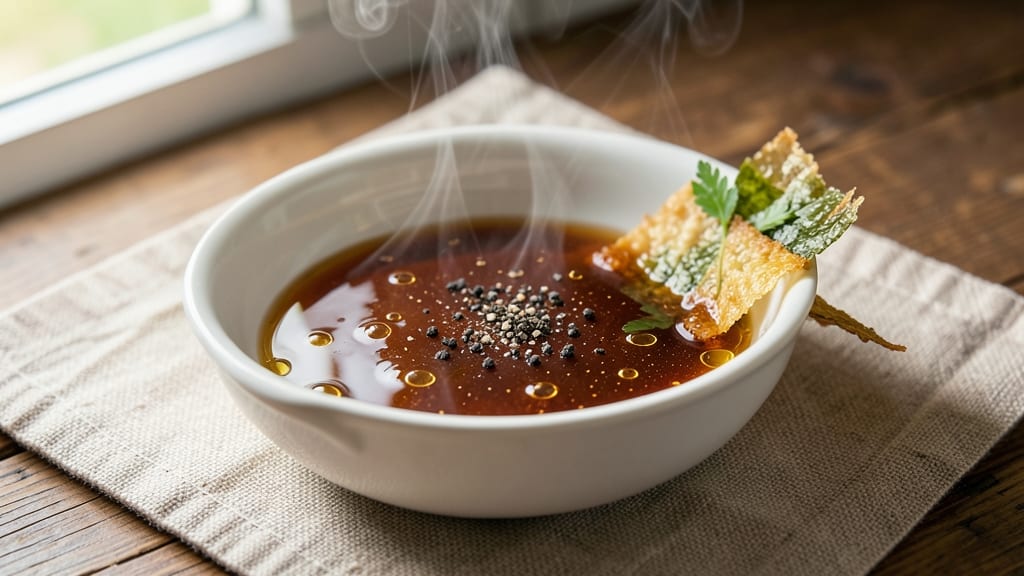
This tempura sauce recipe transforms your crispy tempura into an irresistible bite—just three ingredients, five minutes, and zero fuss. The secret lies in balancing sweet, salty, and umami, creating that signature glossy sauce that clings perfectly to golden batter.
I perfected this version after years of testing, ensuring it delivers restaurant-quality flavor without the complexity.
The beauty of this sauce is its simplicity: soy sauce, mirin, and dashi (or a quick substitute) combine in a gentle simmer until thickened just enough to coat a spoon.
No complicated reductions or hard-to-find ingredients—just pantry staples that work every time. The key is patience; letting it reduce slowly builds depth while keeping the sauce silky smooth.
What you’ll end up with is a crispy, crunchy tempura piece suspended in a glossy, savory-sweet sauce that enhances every bite. The sauce clings to the batter without overwhelming it, striking the perfect balance between salty and sweet.
This is the kind of sauce that turns a simple tempura night into an experience.
Best of all, it comes together faster than you can say "tempura night." Once you taste the difference between this homemade version and store-bought, you’ll never go back. Let’s get started—your crispy bites are waiting.
Ingredients for tempura sauce recipe easy
Three ingredients make this tempura sauce shine—simple, fast, and restaurant-worthy.
| Ingredient | Amount | Notes |
|---|---|---|
| Japanese Soy Sauce (Shoyu) 🍶 | ½ cup | Lightly salted preferred |
| Mirin 🍶 | ¼ cup | Sweet cooking rice wine |
| Dashi Stock 🍲 | ½ cup | Instant dashi granules work |
| Granulated Sugar 🍯 | 1 tbsp | Or honey for deeper flavor |
| Water 💧 | ½ cup | For thinning if needed |
| Kombu Seaweed 🌿 | 1 piece | For homemade dashi base |
| Bonito Flakes 🐟 | 1 tbsp | Optional for umami depth |
The Japanese soy sauce is your flavor foundation—Kikkoman or Hondashi are my go-tos, but any good shoyu works. Mirin adds that signature sweetness, so don't skimp on quality here. Hillfarm or Kikkoman mirin are widely available and perfect for this. For dashi, instant granules like Hondashi are a game-changer—they dissolve instantly and keep for months. If you're making homemade dashi, kombu seaweed and bonito flakes are essential for that authentic umami punch. Grab them at Asian markets or the international aisle of larger grocery stores.
No mirin? Dry sherry plus 1 tsp sugar works in a pinch. Short on dashi? Vegetable broth with a dash of soy sauce gets you close. The sugar can be swapped for honey (use half the amount—it's sweeter). For a vegetarian version, skip the bonito flakes and use extra kombu or a mushroom-based dashi. The key is balance—taste as you go. If it's too sweet, add a splash of soy sauce. Too salty? A pinch of sugar brings it back.
This sauce keeps beautifully—1 week in the fridge or 3 months frozen. For freezing, portion into ice cube trays and pop out for single servings. It reheats perfectly—just warm gently on the stove or microwave until bubbly. The sauce thickens as it cools, so if it seems too thick when done, add a splash of water to loosen it up. Trust me, it only gets better the next day as the flavors meld.
Why You'll Love This Recipe
- Five-Ingredient Magic: The pantry staples you already own—soy sauce, mirin, dashi—come together in a simmer. No fancy techniques, just a pot and 15 minutes. Honestly, I’ve made this while waiting for my rice to cook.
- Umami Bomb: That balance of salty, sweet, and savory? It’s what makes tempura shine. The mirin adds a subtle glow, while the dashi deepens the flavor—like a hug for your taste buds.
- Weeknight Hero: Drizzle it over shrimp, veggies, or even ramen. It’s my go-to when I need something quick but still feels special. (Yes, even on a Tuesday night.)
- Budget-Friendly Luxury: A splash of dashi and a spoonful of sugar stretch this sauce further than store-bought. Between us, I’ve used the leftovers in soups, marinades, and even as a glaze—no waste, all flavor.
Step-by-step instructions for tempura sauce
This sauce comes together faster than you can say "tempura," delivering that signature glossy finish and umami punch.
Prepare the Kombu Dashi Base
In a small saucepan, combine the 1 piece Kombu Seaweed with the 0.5 cup Water and bring to a gentle simmer over medium-low heat. You'll see delicate bubbles form around the edges of the kombu—this signals it's releasing its mineral-rich essence into the water. Simmer for 5 minutes until you detect a subtle oceanic aroma, then remove from heat and let steep for 10 minutes. The kombu should look slightly softened but still intact.
Strain out the kombu using a fine-mesh sieve, pressing gently to extract every last drop of flavor. This homemade dashi forms the aromatic backbone of your sauce—don't skip this step if you want that authentic depth. I like to use a clean kitchen towel as a makeshift filter for extra clarity. Reserve the strained liquid; you won't need the kombu again.
Build the Flavor Foundation
Return the strained kombu water to the same saucepan and add the 0.5 cup Dashi Stock and 1 tbsp Bonito Flakes. Bring to a gentle boil over medium heat, then immediately reduce to a simmer. Watch closely as the bonito flakes dissolve—within 2 minutes, you should see the liquid develop a rich, golden hue and a pronounced umami aroma. This is your flavor anchor.
Remove from heat and let steep for 5 minutes, then strain again through a fine-mesh sieve to remove any remaining bonito particles. The sauce should now have a deep, savory complexity that balances perfectly with the sweet and salty elements we'll add next. If you're using instant dashi granules, skip the kombu step and proceed directly with the dashi stock and bonito flakes.
Sweeten and Balance the Sauce
Return the strained liquid to the saucepan and add the 0.5 cup Japanese Soy Sauce (Shoyu) and 0.25 cup Mirin. Stir gently to combine, then add the 1 tbsp Granulated Sugar. Bring to a gentle simmer over medium-low heat, stirring occasionally to dissolve the sugar completely. You'll notice the sauce darken slightly as the flavors meld—this is when the magic happens.
Simmer for 3-4 minutes until the liquid reduces by about 20% and coats the back of a spoon. The sauce should be syrupy but still pourable, with a glossy sheen that indicates proper thickness. Taste and adjust: if it's too salty, add a splash of 0.5 cup Water; if it needs more depth, add a pinch of sugar. The perfect balance should be sweet, salty, and umami-rich with no single flavor dominating.
Finish and Serve Immediately
Remove the sauce from heat and let it cool slightly—it will thicken further as it sits. For maximum crispiness when dipping, serve the sauce at room temperature or slightly warm. The sauce should be smooth, glossy, and cling to your fingers when you dip tempura pieces. If it thickens too much, whisk in 1 teaspoon of water at a time until you reach the desired consistency.
Here's the pro tip: for extra shine, brush a tiny amount of the sauce onto the tempura just before frying. The residual heat will create a beautiful lacquered finish. This sauce keeps well in the refrigerator for up to 5 days, but I find it's best enjoyed fresh while the tempura is still crispy. The contrast of the warm, crunchy tempura against the cool, glossy sauce is what makes this pairing irresistible.
Pro Tips For Making Tempura Sauce Recipe Easy
- Simmer Slow and Steady: I learned this the hard way—tempura sauce isn’t a race. Once you combine the soy sauce, mirin, and dashi, bring it to a gentle simmer (not a rolling boil) and let it cook uncovered for 5-7 minutes. That slow reduction thickens the sauce just right without burning the mirin or turning it bitter. (Yes, even if you’re impatient like me.)
- Use Cold Dashi First: Sounds weird, but it works: chill your dashi stock in the fridge for 10 minutes before adding it to the simmering sauce. Cold liquid prevents a sudden temperature spike, which keeps the mirin from curdling or losing its sweetness. My grandmother swore by this, and she was right—no more weird, lumpy sauce.
- Skip the Granulated Sugar: If you’re in a pinch, swap granulated sugar for honey or even a splash of extra mirin (about half the amount). The sauce will still caramelize beautifully, and you’ll avoid the graininess that can happen if the sugar doesn’t dissolve completely. (I skip this when I’m lazy, but the dish is noticeably smoother when I don’t.)
- Taste Before Thickening: Add the sugar after the sauce has simmered for 3-4 minutes—this lets the flavors meld first. Then, taste it raw: if it’s too thin, simmer longer; if it’s too sweet, add a splash of water. The sauce should coat the back of a spoon but still pour easily. (Your future self will thank you for not guessing.)
Pro cooking tips for this recipe
Heat Control Secrets
Tempura sauce thrives on gentle heat—never let it boil vigorously. I use medium-low heat throughout the simmering process to prevent the mirin from evaporating too quickly, which would throw off the delicate sweet-salty balance.
A small saucepan (8-inch diameter) gives you better control over the temperature than a wide one. If you notice the sauce bubbling too aggressively, immediately reduce to the lowest setting or remove from heat for 30 seconds to let it settle. 🌡️
Straining Like a Pro
Double-straining is the secret to a silky-smooth sauce. After simmering the kombu and bonito, I use a fine-mesh sieve lined with a clean kitchen towel for extra clarity. Press gently with a wooden spoon to extract every last drop of flavor—this makes a noticeable difference in depth.
For instant dashi users, skip the kombu step but still strain the bonito flakes thoroughly. Leftover particles can make the sauce gritty, which ruins the luxurious texture. 🧼
Mirin Substitutes
No mirin? No problem. The dry sherry + 1 tsp sugar combo works perfectly in a pinch—just reduce the sugar in the recipe by ½ tsp since the sherry already adds sweetness.
For a non-alcoholic version, use 1 tbsp honey mixed with 1 tbsp water (reduce other sugar by ½ tsp). I've also had great success with white grape juice (use ¼ cup) for a fruity twist, though it changes the flavor profile slightly.
Always taste and adjust—this sauce is forgiving if you're precise with your substitutions. 🍷
Sauce Thickness Hacks
The sauce should coat the back of a spoon but still be pourable. If it thickens too much while cooling, whisk in 1 tsp water at a time until you reach syrup-like consistency.
For extra shine, add ½ tsp cornstarch mixed with 1 tsp water, simmer for 30 seconds, then strain again. Pro tip: Serve the sauce slightly warm—it clings better to tempura when not completely cold. If storing, let it cool completely before refrigerating to prevent skin formation. 💧
Umami Boosters
Want to take your sauce to the next level? Add ½ tsp fish sauce for extra depth or 1 tsp grated ginger for warmth. For a vegetarian version, replace bonito with 1 tsp mushroom powder or 1 tbsp soy sauce reduction.
I also love adding 1 tsp toasted sesame oil at the very end for nutty richness—just swirl it in gently to preserve its aroma. These additions work best when balanced carefully, so start with small amounts. 🌱
Temperature Timing
Serve the sauce at room temperature (about 70°F) for the best experience. If straight from the fridge, let it sit for 10 minutes before serving. The contrast between cool, glossy sauce and warm, crispy tempura is what makes this pairing irresistible.
For extra drama, chill the sauce slightly in the fridge for 30 minutes—it develops a more pronounced flavor. Just avoid serving it ice-cold, as it can mute the tempura's crunch. ⏰
Nutrition facts
Frequently asked questions
Can I make this tempura sauce without mirin?
Replace the 0.25 cup mirin with 0.25 cup dry sherry plus ½ tsp sugar or 1 tbsp honey mixed with 1 tbsp water. For a non-alcoholic option, try ¼ cup white grape juice. Always taste and adjust the sweetness afterward—this sauce is forgiving as long as you balance the flavors.
How do I fix a sauce that's too thick or too thin?
If your sauce is too thick, whisk in 1 tsp water at a time until it reaches a glossy, pourable consistency. For extra shine, mix ½ tsp cornstarch with 1 tsp water, simmer for 30 seconds, then strain. If it's too thin, simmer uncovered for 1-2 minutes to reduce slightly. The ideal texture coats the back of a spoon but still flows easily.
What's the best way to store leftover tempura sauce?
Store in an airtight container in the fridge for up to 5 days or freeze for 3 months. For freezing, portion into ice cube trays, pop out, and store in a bag. Reheat gently on the stove or microwave until bubbly. Let it cool completely before refrigerating to prevent skin formation. The flavors actually improve overnight!
Can I use this sauce for other dishes besides tempura?
Yes! This versatile sauce works beautifully with grilled fish, sushi rolls, or even as a dipping sauce for spring rolls. For a richer version, add 1 tsp toasted sesame oil at the end. The key is balancing the sweet-salty-umami flavors—adjust to taste for each dish.
Why does my sauce look cloudy or have bits in it?
Cloudiness often means the sauce needs more straining. Double-strain through a fine-mesh sieve lined with a clean kitchen towel to remove all particles. For instant dashi, ensure bonito flakes are fully dissolved. If using homemade dashi, simmer longer to clarify the liquid. A clear, glossy sauce is the hallmark of a professional finish!