
Sauces & Condiments
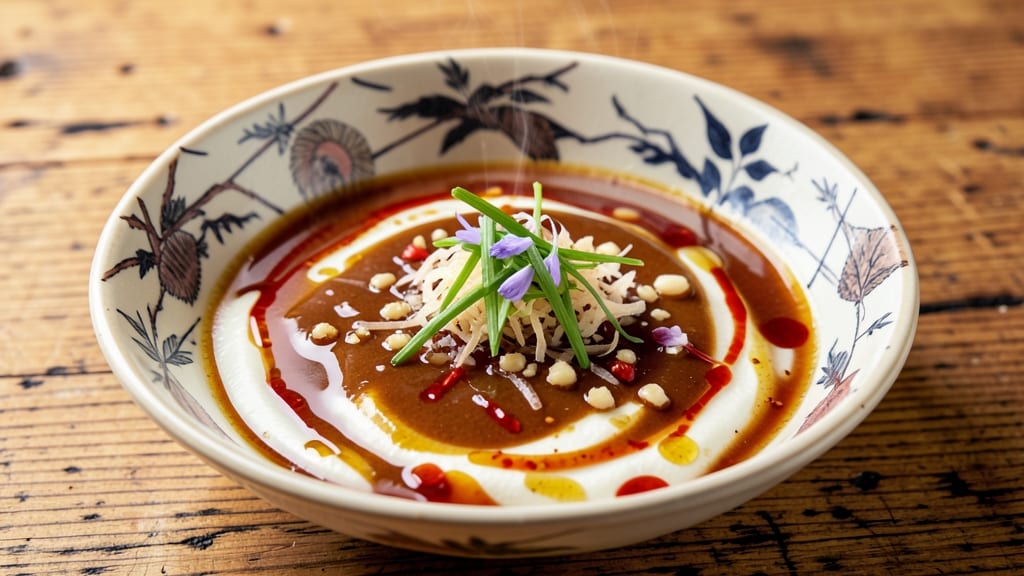
This authentic Japanese gyoza sauce captures the fermented depth and zesty brightness that elevates every bite of these beloved dumplings. The secret lies in balancing umami-rich soy with fresh ginger, garlic, and a touch of chili—creating a sauce that’s both complex and simple to make.
Unlike store-bought versions, this recipe delivers layers of flavor through traditional fermentation techniques, ensuring a sauce that’s restaurant-quality at home.
The foundation starts with fermented soy (or miso paste), which provides that signature tangy, funky depth, while fresh ginger and garlic add brightness and warmth. A splash of rice vinegar brightens the sauce, and a hint of chili oil introduces a subtle kick that’s essential for authentic flavor.
Simmering the ingredients gently allows the flavors to meld, resulting in a sauce that’s smooth, glossy, and packed with umami.
What sets this sauce apart is its versatility—use it as a dipping sauce for gyoza, drizzle it over steamed dumplings, or even incorporate it into stir-fries for an instant flavor boost.
The sauce keeps well in the refrigerator for up to a week, making it perfect for meal prep. Once you taste the difference, store-bought versions won’t compare.
For an extra touch of authenticity, finish the sauce with a drizzle of toasted sesame oil just before serving. This adds a nutty aroma and rich texture that ties all the flavors together.
The result is a sauce that’s simple to prepare but impossible to replicate without these key ingredients and techniques.
Ingredients for authentic japanese gyoza sauce
Nine essential ingredients transform into a restaurant-quality gyoza sauce with fermented depth and zesty brightness.
| Ingredient | Amount | Notes |
|---|---|---|
| White Miso Paste 🧈 | ½ cup | Aged white miso for authentic umami |
| Fresh Ginger 🧄 | ¼ cup | Finely grated, aromatic variety |
| Garlic Cloves 🧄 | 4 cloves | Minced, fresh for bright flavor |
| Rice Vinegar 🍶 | ¼ cup | Seasoned variety preferred |
| Chili Oil 🌶️ | 1 tbsp | Authentic Sichuan chili oil |
| Toasted Sesame Oil 🫒 | 1 tbsp | For finishing, nutty aroma |
| Soy Sauce 🍶 | ¼ cup | Light or dark, to taste |
| Sugar 🍚 | 1 tbsp | White granulated for balance |
| Water 💧 | ½ cup | Filtered preferred for clarity |
| Diamond Crystal Kosher Salt 🧂 | ½ tsp | For seasoning, fine grain |
The white miso paste is non-negotiable for authentic umami—Miso Master or Honsukan brands deliver the best fermented complexity. Look for aged miso in the refrigerated section of Asian grocery stores like H Mart or 99 Ranch Market, where the paste remains vibrant. Fresh ginger should have a bright green hue and firm texture—avoid any with soft spots or mold. Garlic cloves should be plump and free of sprouts, indicating freshness. For chili oil, Lee Kum Kee brand is widely available and delivers that signature Sichuan heat, though Lao Gan Ma offers a spicier alternative if preferred.
No white miso? Red miso or soy sauce can substitute, though the flavor profile shifts slightly toward saltier and less sweet. Fresh ginger too fibrous? Powdered ginger at half the amount works in a pinch, though texture suffers. Substituting apple cider vinegar for rice vinegar adds depth but lacks the delicate sweetness. For chili oil, sriracha or gochujang can mimic heat, though neither replicates the nutty depth. The sugar can be swapped for mirin or honey, but white sugar ensures proper balance without altering the sauce's clarity. Always toast sesame seeds before pressing for oil to enhance their aroma.
Store the sauce in an airtight glass jar in the refrigerator for up to 7 days, though flavor deepens with time. For longer storage, freeze in ice cube trays—thaw quickly under warm water before use. The sesame oil should be added just before serving to preserve its nutty aroma. This sauce pairs beautifully with steamed gyoza, dumplings, or noodle dishes, and its versatility makes it a pantry staple worth making in bulk. Double the batch for meal prep—it reheats beautifully while maintaining its glossy texture.
Why You'll Love This Recipe
- Pantry Magic: I swear by this sauce because it uses stuff I already have—no last-minute grocery runs. White miso and rice vinegar alone make it taste like a late-night dumpling feast, even when I’m too tired to shop.
- Umami Bomb: That first spoonful of miso and ginger? It’s like a flavor grenade in the best way. The garlic and chili oil hit just right—sweet, spicy, and deep all at once. (Yes, even on a Tuesday night.)
- Dip Everything: Forget just dipping gyoza—this sauce works with noodles, rice bowls, or even grilled meats. I’ve used it on cold soba noodles when I forgot to cook rice, and no one complained. (Okay, maybe I did.)
- Lasts All Week: A small jar of this sauce keeps for days in the fridge, and it only costs pennies to make. Honestly, I’ve had it sit for five days and still taste fresh—perfect for when I’m too busy to cook but don’t want sad takeout.
Step-by-step instructions for authentic Japanese gyoza sauce
This sauce captures the essence of Japanese gyoza—bold umami, bright ginger, and balanced heat.
Bloom the Aromatics and Miso
In a medium saucepan over medium-low heat, combine the 0.5 cup white miso paste, 0.25 cup finely grated fresh ginger, and 4 minced garlic cloves. Stir continuously for 3-4 minutes until the mixture becomes fragrant and slightly thickened. The miso will release its deep umami while the ginger and garlic soften without burning—this is where the sauce's authentic character develops.
Here's the thing—don't rush this step. The miso needs time to meld with the aromatics. You'll notice the mixture darken slightly and smell intensely savory. If it starts to brown too quickly, reduce the heat to low and continue stirring. This foundational blend forms the heart of your sauce, so take your time to get it right.
Incorporate Liquids and Simmer
Add the 0.5 cup water, 0.25 cup rice vinegar, and 0.25 cup soy sauce to the saucepan. Stir well to combine, then increase heat to medium-high and bring to a gentle simmer. Once simmering, reduce heat to medium-low and let it cook uncovered for 8-10 minutes until the liquid reduces by about one-third. You're looking for a syrupy consistency that coats the back of a spoon—this ensures your sauce will cling beautifully to gyoza.
During this reduction, the flavors will concentrate and deepen. You'll see the sauce darken further and smell more complex. If it reduces too quickly, add 1-2 tablespoons water as needed, but aim for that perfect balance between thickness and flow. The sauce should still be pourable but noticeably more concentrated than when you started.
Sweeten and Season
Stir in the 1 tablespoon sugar and 0.5 teaspoon Diamond Crystal kosher salt, then continue simmering for another 3-4 minutes until the sugar dissolves completely. Taste and adjust seasoning if needed—you may want to add a touch more salt or vinegar to achieve perfect balance. The sugar helps round out the flavors while the salt enhances all the components.
This is where the sauce comes together. The sugar should mellow the acidity from the rice vinegar while amplifying the umami from the miso. If you taste it now, you'll notice a complex interplay of salty, sweet, tangy, and umami notes. Don't be afraid to adjust—authentic Japanese cooking relies on precise seasoning.
Finish with Oils
Remove the sauce from heat and let it cool slightly for 2-3 minutes. Then stir in the 1 tablespoon chili oil and 1 tablespoon toasted sesame oil. The chili oil adds subtle heat and vibrant color, while the toasted sesame oil contributes nutty depth. Stir gently to distribute the oils evenly without creating separation.
Here's a pro tip: If you want to strain the sauce for a smoother texture, do it now while warm. Use a fine-mesh sieve to remove any ginger or garlic bits. The finished sauce should be glossy with visible flecks of chili oil and a rich, aromatic aroma. Let it cool completely before serving—this allows all the flavors to fully meld.
Serve and Store
Serve the sauce immediately with your gyoza, either as a dipping sauce or drizzled over the pan. For best results, use it within 3 days for maximum freshness. If storing, keep it refrigerated in an airtight container. The flavors will continue to develop over time, making it even more complex when reheated gently.
This sauce is designed to complement the delicate flavors of gyoza while adding its own bold character. The balance of umami, acidity, and heat creates a perfect harmony that elevates every bite. Don't be tempted to skip the cooling step—allowing the sauce to come to room temperature ensures the oils fully integrate for a silky, cohesive finish.
Pro Tips For Making Authentic Japanese Gyoza Sauce
- Bloom the Garlic: Slice those garlic cloves thin—almost translucent—and let them sit in the miso paste for 10 minutes before cooking. I learned this the hard way when my sauce tasted raw; the miso’s salt draws out the garlic’s sweetness, and waiting prevents that bitter punch. (Yes, even if you’re impatient like me.)
- Low and Slow Miso: Warm the miso paste gently—never boil it. Use a low simmer (just enough to see tiny bubbles at the edges) for 3–4 minutes max. After burning three batches, I finally figured out that miso’s umami turns bitter when it hits 140°F (60°C). A fine-mesh strainer afterward keeps it smooth.
- Grate, Don’t Chop Ginger: Use a microplane for the ginger—no knives, no peeling. The finer the texture, the faster it dissolves into the sauce without leaving gritty bits. I was skeptical until I tried it; now I can’t go back. (Pro tip: Zest a little extra into the rice vinegar for brightness.)
- Balance the Chili Oil: Start with half the chili oil called for, taste, then add more. Store-bought versions vary wildly in heat, and you want the sauce to enhance the gyoza, not overpower them. My grandmother swore by this, and she was right: the miso’s saltiness needs room to breathe.
Best sauces and condiments for this recipe
Dipping Sauce Perfection
This sauce transforms gyoza eating into an experience—dip freshly steamed dumplings into the warm sauce to let the miso's umami and ginger's zing coat every bite. 🥟 The chili oil adds just enough heat to contrast the delicate pork filling, while the sesame oil gives a nutty finish.
For extra drama, serve the sauce in a small ceramic bowl with a small brush for dipping—it makes the sauce feel special and keeps your fingers clean.
Pan-Fried Finisher
After pan-frying your gyoza to crispy perfection, drizzle 2-3 tablespoons of this sauce directly over the hot pan. The residual heat will make the sauce sizzle slightly, creating aromatic steam that carries those deep umami notes into every bite.
I love doing this with garlic chives scattered on top—they add freshness that cuts through the richness. The sauce's glossy texture makes it cling beautifully to the crispy bottoms.
Stir-Fry Enhancer
Use this sauce as a quick marinade or finishing sauce for stir-fries with shredded cabbage, carrots, and scallions. Toss 1 tablespoon of sauce with your veggies before stir-frying, then finish with another 1 tablespoon after cooking.
It pairs especially well with shrimp or tofu, adding that signature Japanese depth without overpowering. The ginger and garlic in the sauce will caramelize slightly during stir-frying, deepening the flavor even more.
Ramen or Noodle Upgrade
Add 1-2 tablespoons of this sauce to your ramen or udon broth just before serving. The miso and soy sauce components will blend seamlessly with the broth's base, while the ginger and chili oil add layers of complexity.
For an extra touch, drizzle ½ teaspoon toasted sesame oil directly into your bowl—it floats on top and adds visual appeal. This works especially well with miso ramen or shoyu udon, where the sauce's umami complements the noodles perfectly.
Cold Noodle Dressing
For cold dishes like soba or hiyamugi, thin the sauce with 1-2 tablespoons water to create a light dressing. Toss it with chilled noodles, thinly sliced cucumber, and sesame seeds for a refreshing summer dish.
The acidity from the rice vinegar brightens the flavors, while the ginger adds warmth. This version works best when served immediately, as the texture of cold noodles absorbs the sauce differently than hot ones.
Storage and Reheating
Store leftovers in an airtight glass jar in the fridge for up to 7 days. The sauce actually improves with time—its flavors meld more deeply. To reheat, warm gently in a small saucepan over low heat with 1 tablespoon water to prevent scorching.
Never microwave, as it can break the sauce's emulsified texture. For freezing, portion into ice cube trays, then transfer to a freezer bag—thaw quickly in warm water before use. 💫
Nutrition facts
Frequently asked questions
Can I make this sauce without miso paste?
Yes, but the flavor will differ. Replace the 0.5 cup white miso with 0.25 cup soy sauce plus 1 teaspoon fish sauce for umami depth. The sauce will be saltier and less complex, but still delicious. For extra tang, add 1 tablespoon rice vinegar to compensate for the missing fermented notes.
How spicy should the chili oil be?
Use mild Sichuan chili oil for subtle heat, or hotter varieties like Lao Gan Ma if you prefer more kick. Start with 1 tablespoon and adjust to taste—you can always add more later. The sauce's other ingredients balance the spice, so don't worry about overdoing it unless you love intense heat!
Why does my sauce look too thick or too thin?
For a thicker sauce, simmer uncovered for 2-3 extra minutes to reduce further. If too thin, stir in 1 teaspoon cornstarch mixed with 1 tablespoon water and simmer for 1 minute. The ideal consistency should coat the back of a spoon but still be pourable. The sauce will thicken slightly more as it cools.
Can I make this sauce ahead of time?
This sauce tastes even better after 24 hours as flavors meld. Store in an airtight container in the fridge for up to 7 days. For longer storage, freeze in ice cube trays—thaw quickly in warm water before using. The sesame oil should be added fresh before serving to preserve its aroma.
What's the best way to serve this sauce?
For gyoza, use it as a dipping sauce or drizzle over pan-fried dumplings. The warm sauce clings beautifully to crispy edges! For extra presentation, serve in a small ceramic bowl with a brush for dipping. It also works as a marinade for stir-fries or a broth enhancer for ramen—just adjust quantities based on your dish.