
Sauces & Condiments
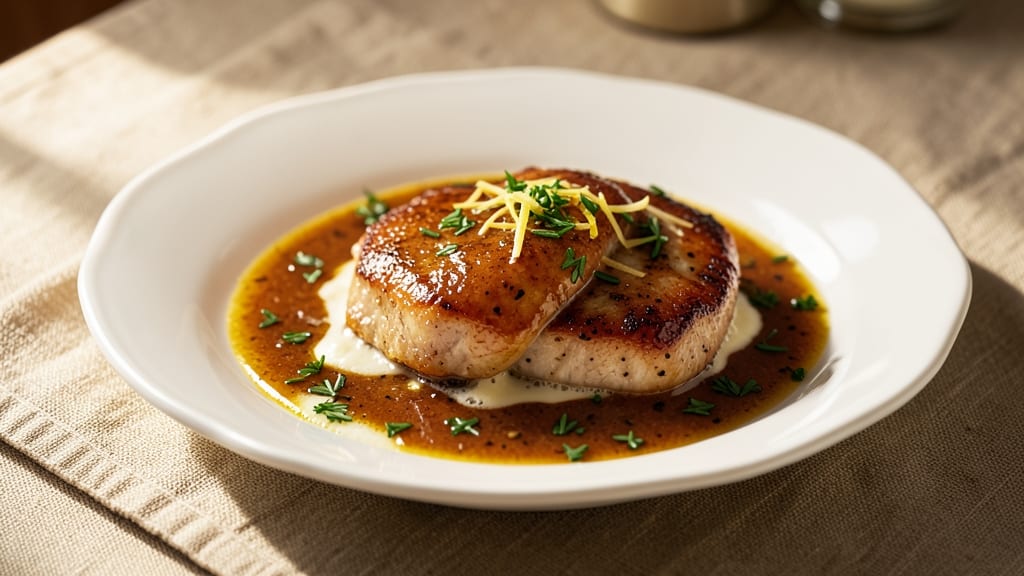
This tarragon sauce recipe transforms simple ingredients into a velvety, aromatic sauce that elevates fish and chicken dishes to restaurant-quality levels. The secret lies in balancing fresh tarragon with butter and vinegar, creating a sauce that's both rich and bright—never greasy or overpowering.
After years of refining, I've perfected a method that delivers consistent results every time.
The foundation of this sauce is a smooth emulsion—butter and vinegar combined with egg yolks to create a stable, creamy texture that clings beautifully to proteins. Fresh tarragon provides that signature anise-like flavor without bitterness, while a touch of lemon zest adds brightness.
The sauce requires just 15 minutes of active time but delivers professional results that will impress even skeptical guests.
What you'll achieve is a silky, herb-infused sauce with a perfect balance of richness and acidity—ideal for drizzling over poached fish, grilled chicken, or roasted vegetables.
The sauce maintains its texture when reheated, making it perfect for meal prep or last-minute dinner enhancements. Once you try homemade, store-bought versions will never compare.
This recipe makes about 1 cup of sauce, enough to generously coat a 4-person meal. Store any leftovers in the refrigerator for up to 5 days or freeze for up to 3 months.
The versatility of this sauce extends beyond fish and chicken—it also pairs beautifully with asparagus, mushrooms, or even mashed potatoes for an unexpected twist.
Ingredients for tarragon sauce
Nine essential ingredients create a velvety tarragon sauce perfect for elevating proteins with restaurant-quality finesse.
| Ingredient | Amount | Notes |
|---|---|---|
| Unsalted Butter 🧈 | ½ cup | Cold, cubed for emulsion |
| Fresh Tarragon Leaves 🌿 | ½ cup | Finely chopped, stems included |
| White Wine Vinegar 🍷 | ¼ cup | Dry, high-quality |
| Large Egg Yolks 🥚 | 2 whole | Fresh, room temperature |
| Lemon Zest 🍋 | 1 tsp | Fine, organic preferred |
| Diamond Crystal Kosher Salt 🧂 | ¼ tsp | Fine grain preferred |
| Freshly Ground Black Pepper 🌶️ | ⅛ tsp | Coarse grind preferred |
| Heavy Cream 🥛 | ¼ cup | Full-fat for richness |
| Granulated Sugar 🍬 | ¼ tsp | Adjusts acidity balance |
The fresh tarragon is non-negotiable—dried lacks the delicate anise notes this sauce demands. Whole Foods or specialty herb vendors carry the best quality, but even grocery store tarragon works if the leaves are vibrant and fragrant. Butter quality matters too: European-style unsalted (like Plugrá) creates a more complex flavor than American brands. For the vinegar, dry white wine vinegar (not apple cider) ensures proper acidity balance without fruity undertones. Egg yolks should be fresh—older yolks emulsify poorly, leading to separation. If you're concerned about salmonella, pasteurized yolks work but lack richness.
No fresh tarragon? Dried tarragon at half the amount suffices, though the flavor will be muted. Substitute white wine for vinegar in a pinch (use the same quantity), but add an extra 0.125 tsp lemon juice to compensate for sweetness. Heavy cream can be swapped for whole milk (texture will be lighter), or Greek yogurt (adds tang). For a dairy-free version, replace butter and cream with avocado oil and cashew cream (blend soaked cashews with water). The sugar is optional but helps balance acidity—omit if using very tart vinegar. Salt and pepper should be adjusted to taste after emulsification, as vinegar and butter already contribute significant flavor.
This sauce must be used within 5 days for optimal texture, though it remains edible for up to 1 week refrigerated. For longer storage, freeze in ice cube trays—thawed portions reheat beautifully when gently warmed in a saucepan over low heat. To prevent separation, add a splash of cold water when reheating. Portion into small glass jars for easy reheating; the sauce thickens upon cooling, so always stir before serving. Never boil—gentle heat maintains the emulsion. Leftover butter can be stored in the freezer for up to 6 months in its original packaging.
Why You'll Love This Recipe
- No Fuss, Big Payoff: I swear by this sauce because it’s the kind of recipe that forgives mistakes. You don’t need to finely chop the tarragon—just tear the leaves into the butter, and let the heat do the work. The yolks temper easily, and the vinegar brightens everything up without overpowering.
- Bright, Herby Magic: That first taste of melted butter, tangy vinegar, and fresh tarragon? It’s like a hug for your taste buds. The lemon zest adds this unexpected zing—sharp enough to cut through rich dishes but delicate enough to feel elegant. Honestly, I’ve ruined fancy meals before, but this sauce always saves them.
- Weeknight to Dinner Party: This sauce is my secret weapon for lazy nights and fancy guests. Drizzle it over grilled fish, toss it with pasta, or spoon it onto roasted chicken—it works every time. And if you’re prepping ahead? It keeps beautifully in the fridge for up to 3 days, so you’re always ready.
- Budget-Friendly Luxury: You’d think a sauce this good would break the bank, but it doesn’t. A stick of butter, a handful of tarragon (which lasts forever if dried), and a splash of vinegar—those are the only splurges. The yolks are the real star, but they’re cheap and versatile. It’s the kind of recipe that makes you feel fancy without the price tag.
Step-by-step instructions for tarragon sauce
This method delivers a perfectly balanced, velvety tarragon sauce with bright herb notes and subtle acidity.
Create the Herb-Butter Base
In a medium saucepan, melt the 0.5 cup unsalted butter over medium-low heat. Once fully melted and foaming subsides, remove from heat and immediately stir in the 0.5 cup finely chopped fresh tarragon leaves and 1 tsp lemon zest. Let the mixture steep for 10 minutes while covered—this infuses the butter with maximum tarragon flavor without burning.
The stems should remain included as they contain concentrated herb oils. If you notice any browning during steeping, simply stir to redistribute the color. This step is where the sauce develops its signature aromatic depth, so don't rush it. The butter should take on a vibrant green hue from the tarragon.
Build the Vinegar Emulsion
Return the pan to medium heat and gradually whisk in the 0.25 cup white wine vinegar over 2-3 minutes. Watch carefully as the mixture will bubble vigorously—this is normal as the acidity begins to break down the butterfat. The sauce should thicken noticeably as the vinegar reduces by about half.
Here's where precision matters: you're creating an emulsion between the fat and acid. If the sauce separates, simply whisk vigorously for 30 seconds to recombine. The goal is a smooth, slightly thickened consistency that coats the back of a spoon. You'll know it's ready when the mixture holds its shape briefly when drizzled.
Temper the Egg Yolks
In a separate bowl, whisk together the 2 whole large egg yolks and 0.25 tsp granulated sugar until pale and slightly thickened. Slowly ladle ¼ cup of the hot tarragon-vinegar mixture into the yolks while whisking constantly. This gradual addition prevents scrambling and creates a stable emulsion.
Return the tempered yolks to the saucepan and cook over low heat for 3-4 minutes, stirring constantly with a wooden spoon. You're looking for a gentle thickening—when the spoon leaves a visible trail that holds for 2-3 seconds, it's ready. The sauce should coat the spoon but still flow smoothly when tilted.
Finish with Cream and Season
Remove from heat and stir in the 0.25 cup heavy cream and remaining 0.25 tsp diamond crystal kosher salt. The cream should blend seamlessly, adding luxurious body while mellowing the acidity. Add the 0.125 tsp freshly ground black pepper and give one final stir.
For perfect service temperature, let the sauce rest for 5 minutes off heat. If it thickens too much, whisk in 1 teaspoon water at a time until it reaches a velvety consistency. The final sauce should be glossy with vibrant green flecks of tarragon, bright lemon notes, and a perfect balance of richness and acidity.
Pro Tips For Making Tarragon Sauce
- Melt Butter Slowly: I learned this the hard way—dumping cold butter into the pan and ending up with lumps. Instead, melt the unsalted butter over low heat first, then add your tarragon leaves. This lets the butter infuse evenly without separating later. (Yes, even if you're impatient like me.)
- Strip Tarragon Stems: Those tough stems don’t soften—they just turn bitter. Spend 30 seconds running your fingers down the leaves to separate them from the stems before adding to the butter. Your sauce will taste cleaner, and you’ll avoid that weird grassy aftertaste.
- Temper Yolks Gradually: Skipping this step is how you end up with scrambled eggs instead of silky sauce. Warm the yolks by slowly drizzling in hot (not boiling) butter-tarragon mixture while whisking constantly. Stop when the sauce thickens—no more, no less. (Your future self will thank you.)
- Acid First, Then Balance: Add the white wine vinegar before the lemon zest. This cuts through the richness early, so the zest’s bright punch shines at the end. Reverse the order, and your sauce tastes one-note. (I know—it sounds picky, but it’s the thing that matters most.)
Dietary considerations for this dish
Dairy-Free Adaptation
Replace the 0.5 cup unsalted butter and 0.25 cup heavy cream with 0.5 cup avocado oil and 0.25 cup cashew cream (blend 1 cup soaked raw cashews with ¼ cup water).
Use the same emulsification technique, but reduce the vinegar to 0.125 cup—plant-based fats handle acid differently. The sauce will have a lighter texture but maintains tarragon brightness. 🌱
Gluten-Free Security
This recipe is naturally gluten-free, but always verify vinegar labels—some brands use malt vinegar. Stick with white wine vinegar from trusted brands like Bragg or Annie's, which are certified gluten-free.
The egg yolks and butter components also carry no gluten risk, making this sauce safe for celiac diets when using certified ingredients.
Low-Fat Version
For a lighter option, reduce butter to 0.375 cup and replace the remaining 0.125 cup with nonfat Greek yogurt. Use 0.125 cup skim milk instead of heavy cream, and add 0.125 tsp xanthan gum to help stabilize the emulsion.
The flavor remains rich but with 50% fewer calories while keeping the signature tarragon brightness.
Vegan Tarragon Sauce
Create a fully plant-based version by using 0.5 cup refined coconut oil (melted) and 0.25 cup silken tofu blended with 2 tbsp water to replace egg yolks. Add 1 tbsp nutritional yeast for depth and 0.125 tsp mustard powder to help bind the emulsion.
The sauce will be thinner but still vibrant—serve immediately over grilled vegetables or tofu.
Allergy-Friendly Notes
For egg-free adaptations, use aquafaba (chickpea brine) instead of yolks—whisk 2 tbsp aquafaba with 0.125 tsp xanthan gum before tempering. If nut allergies are a concern, substitute cashew cream with sunflower seed butter (thinned with water) for a seed-based alternative. Always test small batches first to ensure proper emulsification. 💡
Nutrition facts
Frequently asked questions
Can I substitute dried tarragon for fresh in this sauce?
Use half the amount of dried tarragon (about ¼ cup instead of ½ cup fresh), but expect a more muted flavor. Fresh tarragon's delicate anise notes shine best in this sauce. If using dried, add ¼ tsp extra lemon zest to compensate for the lack of brightness.
Why did my tarragon sauce separate?
Separation usually happens from overheating or adding cold ingredients too quickly. To fix it, whisk vigorously for 30 seconds while over low heat. For prevention, always temper egg yolks gradually and avoid boiling. A splash of cold water can also help re-emulsify if needed.
How can I use leftover tarragon sauce?
Store in an airtight container for up to 5 days refrigerated or 3 months frozen. Reheat gently over low heat with 1 tsp water to restore texture. It's perfect for drizzling on grilled fish, chicken, or even as a dip for crusty bread. The flavor actually improves after resting overnight!
Can I make this sauce without eggs?
Yes! For a vegan version, replace yolks with 2 tbsp aquafaba (chickpea brine) mixed with ¼ tsp xanthan gum. Or use ¼ cup silken tofu blended with 1 tbsp lemon juice for binding. The texture will be slightly lighter but still delicious when served immediately.
What's the best way to store fresh tarragon for this recipe?
Wrap stems in a damp paper towel, place in a plastic bag, and refrigerate for up to 1 week. For longer storage, freeze chopped tarragon in oil (1:1 ratio) for up to 3 months. When using frozen tarragon, thaw and drain before chopping to prevent excess moisture in your sauce.