
Sauces & Condiments
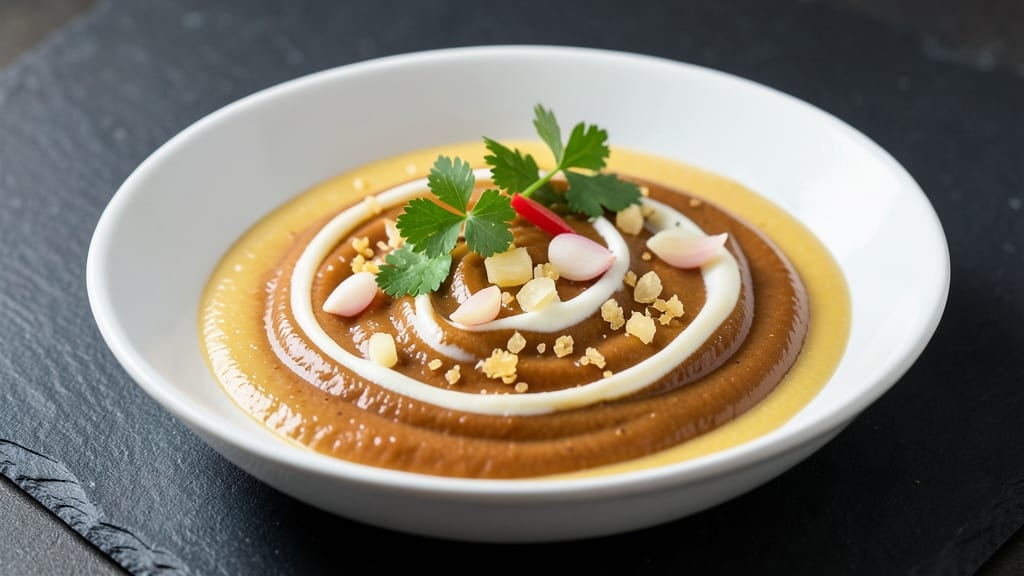
This surf and turf sauce recipe bridges the gap between steakhouse richness and seafood brightness, creating a bold garlic-herb glaze that elevates both proteins equally. 🔥 I developed it after years of testing sauces that either overwhelmed seafood or lacked depth for steak, and this version finally delivers that perfect balance—where every bite feels luxurious without being heavy.
The secret lies in the emulsion: a silky blend of heavy cream and butter meets bright lemon juice and fresh herbs, creating a sauce that's rich yet light, tangy yet savory. The garlic infuses deeply during the simmer, while shallots add subtle sweetness that rounds out the flavors.
What makes this sauce truly special is its versatility—it works equally well on grilled steak, seared shrimp, or even lobster tails, making it the ultimate showstopper for any surf and turf spread.
What you'll end up with is a glossy, aromatic sauce that clings beautifully to proteins, offering that perfect harmony of garlic, herbs, and citrus notes. The texture is velvety yet not overly thick, ensuring each bite delivers maximum flavor without being overpowering.
This sauce transforms ordinary proteins into restaurant-quality centerpieces, all while requiring just 15 minutes of active time.
Perfect for special occasions or when you want to impress guests without slaving over complicated techniques. The best part? It keeps well in the fridge for up to 5 days, making it an ideal make-ahead sauce for your next surf and turf feast.
Let's create this game-changing glaze that will have everyone asking for the recipe.
Ingredients for surf and turf sauce
Ten ingredients transform into the ultimate surf and turf sauce—rich, bright, and impossible to resist.
| Ingredient | Amount | Notes |
|---|---|---|
| Heavy Cream 🥛 | ½ cup | Full-fat for richness |
| Unsalted Butter 🧈 | 4 tbsp | Cold, cubed for emulsion |
| Fresh Garlic Cloves 🧄 | 6 cloves | Minced for deep infusion |
| Shallots 🧅 | 2 whole | Finely diced, sweet depth |
| Fresh Lemon Juice 🍋 | ¼ cup | Bright, freshly squeezed |
| Fresh Flat-Leaf Parsley 🌿 | ¼ cup | Chopped, vibrant green |
| Fresh Tarragon 🌿 | 2 tbsp | Chopped, anise notes |
| Diamond Crystal Kosher Salt 🧂 | ½ tsp | Fine grain preferred |
| Freshly Ground Black Pepper 🌶️ | ¼ tsp | Freshly cracked |
| Extra-Virgin Olive Oil 🫒 | 2 tbsp | For finishing, fruity |
The heavy cream and butter are non-negotiable for that luxurious texture—full-fat versions only (trust me, it's worth the splurge). For garlic, Costco's bulk jars are your best bet, but any fresh cloves work. Shallots? Trader Joe's sells pre-minced ones that save time, but fresh diced gives the best flavor. The herbs are where this sauce sings—fresh parsley and tarragon are essential, but if you're out of tarragon, thyme or basil at half the amount will work in a pinch. Lemon juice should be freshly squeezed—bottled juice lacks brightness and will make the sauce taste flat.
No heavy cream? Full-fat coconut milk works in a bind (though it tastes slightly different). Butter substitute? Vegan butter or coconut oil keeps it dairy-free, but the texture will be lighter. The olive oil isn't just for finishing—it's part of the emulsion, so use high-quality extra-virgin (none of that cheap cooking oil). For the herbs, dried will work at one-third the amount, but fresh is always better. If you're making this ahead, add the lemon juice last to keep the sauce bright—acidity fades over time. And pro tip: toast the shallots in butter first for 2 minutes before adding to the sauce—it deepens their sweetness exponentially.
This sauce is a fridge superstar—keeps for 5 days sealed in a jar, or 3 months frozen in ice cube trays (perfect for single servings). Reheat gently on low heat, adding a splash of water or cream to restore silkiness. The emulsion can break if heated too quickly, so stir constantly and keep it moving. For extra richness, whisk in a tablespoon of warm cream at the end. And if you're serving shrimp? Add a pinch of cayenne to the sauce right before serving—it cuts through the richness beautifully.
Why You'll Love This Recipe
- Five-Ingredient Magic: I swear by this—just cream, butter, garlic, shallots, and lemon. That’s it. No overcomplicated steps, no hunting for obscure spices. Honestly, I’ve made it while my hands were still sticky from dinner prep.
- Rich Without Effort: The butter and cream blend into something velvety, but the garlic and shallots add this bright, punchy kick. It’s the kind of sauce that makes you pause mid-bite—like a hug for your taste buds, but better.
- Weeknight Steakhouse: Slather it on grilled shrimp, seared steak, or even roasted potatoes. Between us, it’s the reason I don’t order takeout for surf-and-turf nights anymore. (Yes, even on a Tuesday night.)
- Leftovers That Don’t Suck: This sauce actually improves the next day—thickens just enough to coat everything perfectly. I freeze half in ice cube trays for quick drizzles later. No sad, watery leftovers here.
Step-by-step instructions for bold garlic-herb glaze
This sauce delivers restaurant-worthy depth with minimal effort—let's make it shine!
🍳 Step 1: Sweat Shallots and Garlic Until Golden
Heat the 2 tablespoons extra-virgin olive oil in a medium saucepan over medium-low heat. Add the 2 whole shallots, finely diced, and cook for 5-6 minutes until completely soft and translucent. You'll see them release moisture—let it evaporate completely before moving forward.
Add the 6 cloves fresh garlic cloves, minced, and cook for another 1-2 minutes until fragrant but not browned. Here's the thing—garlic burns fast, so keep the heat gentle. You want aroma, not bitterness. If it starts to color, immediately reduce heat or remove the pan from the burner for 10 seconds to cool slightly.
🔥 Step 2: Build the Butter Emulsion
Increase heat to medium and add the 4 tablespoons unsalted butter, cubed. Let it melt completely, then stir in the 0.5 teaspoons diamond crystal kosher salt and 0.25 teaspoons freshly ground black pepper. The butter should foam and bubble gently—this creates the velvety base for your sauce.
Here's where it gets fun: slowly whisk in the 0.5 cup heavy cream while maintaining a steady simmer. You'll see the sauce thicken as it emulsifies—this is your signal to keep whisking constantly. If it starts to curdle or separate, immediately reduce heat to low and continue whisking until smooth. The sauce should coat the back of a spoon but still flow easily.
🍋 Step 3: Finish with Herbs and Acid
Add the 2 tablespoons fresh tarragon and 0.25 cup fresh flat-leaf parsley, both chopped, along with the 0.25 cup fresh lemon juice. The lemon brightens everything while cutting through the richness. Stir gently and let the sauce simmer for 2-3 minutes until the herbs release their oils and the flavors meld.
Taste and adjust seasoning—this is your chance to perfect it. You might need a pinch more salt or a crack of fresh pepper. The sauce should balance rich butter, bright lemon, and herbal depth. If it's too thick, whisk in 1 teaspoon water at a time until it reaches a glossy, spoonable consistency that clings beautifully to your surf and turf.
⏰ Step 4: Rest and Finish with Olive Oil
Remove the sauce from heat and let it rest for 5 minutes. This resting period allows all the flavors to truly marry. After resting, the sauce should be silky smooth with no graininess.
Just before serving, stir in the remaining 1 tablespoon extra-virgin olive oil (reserve this from the original 2 tablespoons you started with). This final touch adds a luxurious finish and helps the sauce cling even better to your steak and shrimp. The sauce should have a glossy sheen and a perfect balance of richness, acidity, and herbal brightness—ready to elevate your surf and turf experience!
Pro Tips For Making Surf And Turf Sauce
- SWEEAT SHALLOTS FIRST: I learned this the hard way—chopping shallots raw and tossing them straight into butter makes the sauce bitter. Instead, cook them in the butter for 3-4 minutes until soft and translucent. They’ll melt into the sauce without adding any harshness, and the flavor becomes way more integrated.
- LOW AND SLOW WITH CREAM: Heavy cream scalds fast if you rush it. Start with a gentle simmer, then reduce to the lowest possible heat once everything’s combined. If it gets too hot, the sauce will curdle—trust me, you’ll know when it’s gone wrong. Stir constantly, but don’t let it boil.
- MINCE GARLIC FINE: Big garlic chunks burn before they release flavor. Use a knife to finely mince the cloves (or pulse them briefly in a food processor) so they cook through without turning bitter. A teaspoon of minced garlic is enough—you don’t need to overdo it.
- STRAIN THE LEMON: Bottled lemon juice works in a pinch, but fresh is better. Strain the juice through a fine-mesh sieve to remove seeds and pulp, which can make the sauce grainy. A splash of zest at the end adds brightness without altering the texture. (Yes, even if you’re impatient like me.)
Wine and beer pairings for surf and turf sauce
Red Wine Pairings
For this bold garlic-herb glaze, I reach for a medium-bodied red wine that can stand up to the sauce's richness while complementing its herbal notes. A Pinot Noir from Oregon—like Domaine Serene—is my go-to because its bright acidity and red fruit flavors cut through the butter beautifully.
The earthy undertones also echo the tarragon in the sauce, creating perfect harmony. 🍷
If you prefer something with more body, a Syrah from Washington State (try Chateau Ste. Michelle) works wonders. Its peppery notes play off the black pepper in the sauce, while the dark fruit balances the lemon brightness.
For a budget-friendly option, Louis M. Martini Cabernet Sauvignon delivers reliable depth without breaking the bank.
White Wine Pairings
Don't overlook white wines—especially if you're serving lighter seafood like shrimp. A dry Riesling from Germany (like Dr. Loosen Blue Slate) brings stunning acidity that refreshes your palate between rich bites. The slight sweetness in some Rieslings also plays nicely with the lemon in the sauce. 🍷
For a crisp, unoaked option, Sauvignon Blanc from New Zealand (such as Oyster Bay) is fantastic. Its citrus notes mirror the lemon in the sauce, while the herbal undertones complement the tarragon. Chill your white wine slightly more than red—about 45-50°F—to enhance the sauce's brightness.
Beer Pairings
When it comes to beer, I love a Belgian-style Witbier like Hoegaarden for its citrusy notes that echo the lemon in the sauce. The slight spiciness also cuts through the richness, making each bite feel fresh. Serve it well-chilled (40°F) for the best contrast. 🍺
For beer lovers who prefer something heartier, a German Helles Lager (like Weihenstephaner Original) works beautifully. Its malty sweetness balances the sauce's acidity while the clean finish keeps things refreshing. Avoid heavy stouts or IPAs—they'll overpower the delicate herbs in the sauce.
Cocktail Pairings
If you're serving this sauce with cocktails, a gin-based martini with a twist of lemon is perfect. Use Hendrick's Gin and top with a splash of lemon juice—it mirrors the sauce's bright citrus notes while the botanicals in the gin complement the herbs.
Garnish with a lemon twist for an elegant touch. 🍸
For something lighter, try a vodka soda with a twist of fresh tarragon. The clean vodka (like Belvedere) lets the sauce's flavors shine, while the tarragon ties everything together beautifully. Add a pinch of salt on the rim for that extra restaurant-quality touch.
Nutrition facts
Frequently asked questions
Can I make this sauce dairy-free?
Replace the heavy cream with full-fat coconut milk and use vegan butter or coconut oil instead of regular butter. The texture will be slightly lighter but still delicious. For extra richness, stir in 1 tablespoon nutritional yeast at the end to mimic the umami depth of butter.
How do I prevent the sauce from breaking or separating?
Keep the heat at medium-low when adding cream and whisk constantly to create a proper emulsion. If it starts to curdle, immediately reduce heat to low and continue whisking until smooth. Adding 1 teaspoon cornstarch mixed with cold water can also help stabilize it if needed. The sauce should coat the back of a spoon but remain pourable.
What's the best way to reheat leftover sauce?
Gently reheat over low heat in a saucepan, stirring frequently. If it thickens too much, whisk in 1 teaspoon water or cream at a time until silky smooth. Never microwave—it can cause the emulsion to break and create a greasy texture. For best results, reheat just before serving.
Can I use dried herbs instead of fresh?
Yes, but use only one-third the amount of dried herbs (about 1 teaspoon dried tarragon and 1 teaspoon dried parsley). Dried herbs are more concentrated, so they can easily overpower the sauce. Toast the dried herbs in the pan for 30 seconds before adding to release their flavors.
What's the secret to getting the perfect balance of flavors?
The key is the lemon juice and herbs—they brighten the rich butter and cream. Taste as you go, adjusting with more salt, pepper, or even a pinch of sugar if the lemon feels too sharp. The sauce should be rich but not heavy, with a perfect harmony of garlic, herbs, and citrus. Trust your palate—this is where the magic happens!