
Sauces & Condiments
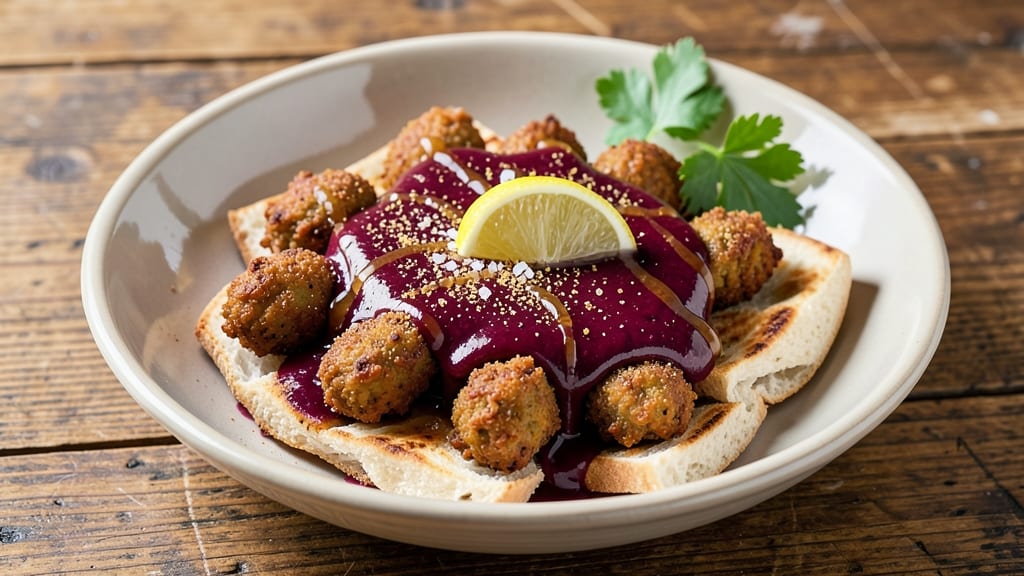
This sumac sauce recipe transforms simple ingredients into a vibrant, tangy condiment that elevates grilled meats and fresh salads with just a few minutes of work. ✨ I first discovered sumac while exploring Middle Eastern markets in Portland, and its bright citrusy flavor became an instant pantry staple.
The powdered spice blends effortlessly with lemon juice and a touch of honey, creating a versatile sauce that's equally at home on kebabs or drizzled over greens.
The beauty of this recipe lies in its simplicity—just three core ingredients (sumac, lemon, and vinegar) create a complex, restaurant-worthy flavor profile. Unlike store-bought versions, this sauce remains fresh for weeks when stored properly, and its vegan-friendly formula makes it perfect for any dietary preference.
The key is balancing the tartness with just enough sweetness to enhance rather than overpower the dish you're serving.
What you'll end up with is a bright, citrusy sauce that adds a sophisticated tang to grilled chicken, lamb, or even roasted vegetables. The texture is light and pourable, clinging beautifully to food without overwhelming it.
This isn't just a condiment—it's a flavor multiplier that turns ordinary meals into something extraordinary with minimal effort.
Use it as a marinade, salad dressing, or finishing sauce—this versatile condiment will quickly become a weekly staple. The recipe scales perfectly for entertaining or meal prep, and the ingredients are likely already in your pantry. Let's make this bright, zesty sauce that brings Middle Eastern flair to your table.
Ingredients for sumac sauce
Three core ingredients transform into a vibrant, restaurant-quality sauce with Middle Eastern flair.
| Ingredient | Amount | Notes |
|---|---|---|
| Ground Sumac 🌶️ | ¼ cup | High-quality, vibrant red powder |
| Fresh Lemon Juice 🍋 | ½ cup | Strained, freshly squeezed |
| Apple Cider Vinegar 💧 | ¼ cup | Raw, unfiltered preferred |
| Maple Syrup 🍯 | 2 tbsp | Grade B for richer flavor |
| Garlic Powder 🧄 | ½ tsp | Freshly ground preferred |
| Sea Salt 🧂 | ¼ tsp | Diamond Crystal preferred |
| Extra-Virgin Olive Oil 🫒 | ¼ cup | Light, fruity variety |
The sumac is the heart of this sauce, so prioritize quality—look for vibrant red powder at specialty stores like Penzeys Spices or Middle Eastern markets. The freshness of the lemon juice matters too; use organic lemons when possible for maximum brightness. For vinegar, Bragg Organic Apple Cider Vinegar adds subtle depth without overpowering. The maple syrup should be Grade B—its caramel notes complement the tanginess beautifully. Store sumac in a cool, dark place to preserve its potency for up to 12 months.
No sumac on hand? Substitute with a mix of lemon zest and a pinch of turmeric for color, though the flavor won't be identical. For extra tang, add 1 tsp of liquid smoke to the vinegar mixture. The olive oil can be swapped for avocado oil if you prefer a neutral base. If using bottled lemon juice, reduce to 0.375 cup to account for added water. The garlic powder is optional but recommended for an extra layer of complexity—asafetida powder at 1/4 tsp adds an umami depth if you're feeling adventurous.
This sauce keeps beautifully for 3-4 weeks in an airtight glass jar in the refrigerator. For longer storage, freeze in ice cube trays—thaw and whisk back to original consistency. Shake well before each use, as the sumac will settle. The sauce thickens slightly when refrigerated; add 1 tsp of water if needed. Perfect for drizzling over grilled vegetables, marinating proteins, or brightening up grain bowls—a little goes a long way.
Why You'll Love This Recipe
- Five-Ingredient Magic: I swear by this—just sumac, lemon, vinegar, a drizzle of maple, and garlic powder. That’s it. No fancy techniques, no last-minute grocery runs. The tangy zip from the sumac and lemon cuts through richness like a knife, while the maple rounds it out just enough to make it irresistible.
- Tangy, Sweet, Addictive: Honestly, the balance here is chef’s kiss—bright citrus, smoky sumac, and that touch of maple makes it crave-worthy. It’s the kind of sauce that turns grilled chicken into a main event or makes roasted veggies taste like a restaurant dish. The garlic powder? Tiny but mighty—it ties everything together without overpowering.
- Dresses Up Everything: Between us, this sauce is my secret weapon for lazy nights and fancy dinners. Drizzle it on hummus, toss it with grilled fish, or even mix it into yogurt for a dip. It’s the kind of thing that makes you look like a pro when you’re really just improvising. (Yes, even on a Tuesday night.)
- Lasts All Week: I make a big batch and keep it in the fridge—it doesn’t spoil, and the flavor only deepens over time. A splash on eggs, a drizzle over salads, or a quick stir into marinades. It’s budget-friendly, too; sumac is cheap, and you’ll use it up before it goes bad. No waste, all flavor.
Step-by-step instructions for sumac sauce
This vibrant dressing transforms grilled meats and salads with zesty complexity.
👨🍳 Step 1: Whisk Together the Dry and Wet Components
In a medium bowl, combine the 0.25 cup ground sumac with the 0.5 tsp garlic powder and 0.25 tsp sea salt. Use a whisk to break up any clumps in the sumac—this ensures an even distribution of its tart, citrusy flavor throughout the sauce. The sumac's vibrant red hue will deepen as it mixes with the other dry ingredients.
In a separate measuring cup, combine the 0.5 cup fresh lemon juice and 0.25 cup apple cider vinegar. Give this mixture a quick stir to integrate the bright acidity from the lemon with the subtle tang of the vinegar. This combination forms the sauce's foundational tanginess, which balances the sweetness of the maple syrup.
🍳 Step 2: Gradually Incorporate the Maple Syrup and Olive Oil
Slowly pour the combined lemon juice and vinegar mixture into the bowl with the sumac and spices. Whisk continuously to prevent the sumac from settling at the bottom—this step is critical for achieving a uniform color and flavor distribution. The mixture will begin to take on a rich, ruby-red hue as the sumac fully integrates.
Next, drizzle in the 2 tbsp maple syrup while whisking steadily. The syrup will begin to thicken the mixture slightly, creating a syrupy consistency that clings beautifully to grilled meats and salad greens. Finally, add the 0.25 cup extra-virgin olive oil in a thin, steady stream. Continue whisking until the sauce is completely emulsified and glossy, with no visible separation between the oil and the other ingredients.
⏰ Step 3: Let the Sauce Rest and Develop Flavor
Cover the bowl with plastic wrap and let the sauce rest at room temperature for at least 30 minutes. This resting period allows the flavors to meld and the sumac to fully bloom, intensifying its tart, lemony notes. The sauce will thicken slightly as it sits, which enhances its clinging ability to proteins and vegetables.
After resting, give the sauce one final whisk to ensure all ingredients are evenly distributed. Taste and adjust the balance of sweetness, acidity, or saltiness if needed. For a more robust flavor, you can let it rest for up to 2 hours in the refrigerator before using—this extended resting time deepens the sumac's complexity, making it even more vibrant.
🍽️ Step 4: Serve Immediately or Store for Later Use
This sumac sauce is best served immediately over grilled meats like chicken or lamb, drizzled over fresh salads, or used as a marinade for seafood. Its bright, citrusy tang cuts through rich, fatty proteins and adds a refreshing contrast to crisp greens. For maximum freshness, store any unused sauce in an airtight container in the refrigerator for up to 5 days. Before serving, give it a quick whisk to re-emulsify if it separates slightly.
The sauce's versatility extends beyond traditional uses—try it as a glaze for roasted vegetables, a dip for pita chips, or even a finishing touch for grain bowls. Its vibrant color and zesty flavor make it a standout addition to any dish where a bright, tangy element is desired.
Pro Tips For Making Sumac Sauce
- WHISK IT FAST: Mix the sumac and dry ingredients first—just a quick swirl with a fork—before adding liquids. This prevents clumping and ensures the tartness distributes evenly. I learned this the hard way after scraping gummy lumps out of my bowl twice.
- USE COLD LEMON JUICE: Measure the lemon juice straight from the fridge—warm juice makes the sauce cloudy and dull. Cold lemon also brightens the sumac’s flavor without overpowering it. (Yes, even if you’re impatient like me.)
- SWEETEN GRADUALLY: Start with half the maple syrup, taste, then adjust. Sumac’s sour edge can trick you into over-sweetening. A little extra garlic powder balances it better than extra syrup ever will.
- STRAIN IF YOU MUST: If you’re using cheap or gritty sumac, strain the sauce through a fine-mesh sieve after mixing. It’s not always necessary, but it makes a noticeable difference for smooth drizzling. (Your future self will thank you.)
Pro cooking tips for perfect results
Emulsification Secrets
Sumac sauce thrives on proper emulsification—this is where the magic happens. Whisk the olive oil in slow drizzles while continuously stirring the sumac-lemon mixture. The key is patience: if you pour oil too quickly, the sauce will separate.
I use a wire whisk for this step because it creates tiny air bubbles that help bind the ingredients. For extra stability, add 1 tsp of Dijon mustard to the oil before incorporating—it acts as a natural emulsifier. 💫
Sumac Sifting Technique
Never skip sifting the ground sumac before mixing! I learned this from a Lebanese chef in Portland who showed me how clumps of sumac sink to the bottom, creating uneven flavor distribution. Use a fine-mesh sieve (like the OXO Good Grips) and tap gently to break up any lumps.
For a smoother texture, pulse the sumac in a spice grinder for 5 seconds before measuring. This step is especially important if your sumac has been stored for more than 6 months.
Temperature Control
Work with ingredients at room temperature for the best results. Cold ingredients can cause the sauce to thicken unevenly or separate. Let your lemon juice and olive oil sit out for 10 minutes before measuring.
I keep my sumac, vinegar, and maple syrup in the pantry, but if you're using refrigerated ingredients, give them 15 minutes to warm up. The slight increase in temperature helps the sumac disperse more evenly throughout the mixture. 🌡️
Flavor Layering
Build flavor in stages for maximum impact. Start with the sumac and salt, then add the lemon and vinegar to establish the tart foundation. The maple syrup comes next to balance acidity, followed by the olive oil to round out the texture.
For an extra layer of complexity, add 1/4 tsp of smoked paprika with the sumac—it adds a subtle earthiness that pairs beautifully with grilled meats. Taste after each addition to adjust proportions.
Resting Period
The 30-minute rest isn't just about flavor development—it's about letting the sumac's natural oils fully integrate. During this time, the sauce also thickens slightly, which is ideal for clinging to food. If you're short on time, refrigerate the sauce for 15 minutes instead, but the flavors won't be as developed.
For the deepest flavor, let it rest overnight in the fridge—this is how I make large batches for entertaining. The longer it rests, the more vibrant the sumac's citrusy notes become. ✨
Storage Hacks
Store sumac sauce in a glass jar with a tight-sealing lid to prevent oxidation. For longer shelf life, press a parchment paper directly onto the sauce's surface before sealing—this creates a barrier that keeps the oil from rising to the top.
If the sauce separates after refrigeration, simply whisk vigorously to re-emulsify. For freezing, portion into 1-ounce silicone molds—they thaw perfectly and maintain the sauce's consistency. Label with the date, as sumac sauce loses potency after 3 months in the freezer. 📅
Nutrition facts
Frequently asked questions
What can I use if I don't have sumac?
For a similar tangy flavor, mix 1 tbsp lemon zest with 1/4 tsp turmeric for color, though it won't be identical. Another option is 1/2 tsp dried lemon peel powder combined with 1/4 tsp citric acid—this mimics the bright acidity. Keep in mind these substitutes won't have sumac's unique earthy depth.
How long does this sauce keep in the fridge?
This vibrant sauce stays fresh for 3-4 weeks when stored in an airtight glass jar in the refrigerator. For longer storage, freeze in 1-ounce portions—thaw and whisk back to original consistency. The sauce may thicken slightly when refrigerated; simply add 1 tsp of water to restore pourability.
Can I make this sauce without olive oil?
Swap the olive oil for avocado oil (neutral flavor) or toasted sesame oil (for an Asian-inspired twist). For a completely oil-free version, reduce the maple syrup to 1 tbsp and add 1 tbsp water—this creates a thinner, brush-on consistency perfect for marinades.
What's the best way to use this sauce?
This versatile sauce excels as a grilling marinade (30 minutes before cooking), salad dressing (thinned with water), or finishing sauce for roasted vegetables. Try it with lamb kebabs, grilled chicken, or drizzled over tabbouleh—its bright acidity cuts through rich flavors beautifully.
Why did my sauce separate?
Sauce separation usually happens when oil is added too quickly or ingredients weren't properly whisked. To fix it, whisk vigorously for 1-2 minutes until fully emulsified. For prevention, add 1 tsp Dijon mustard to the oil before incorporating—it acts as a natural emulsifier and stabilizes the mixture.