
Sauces & Condiments
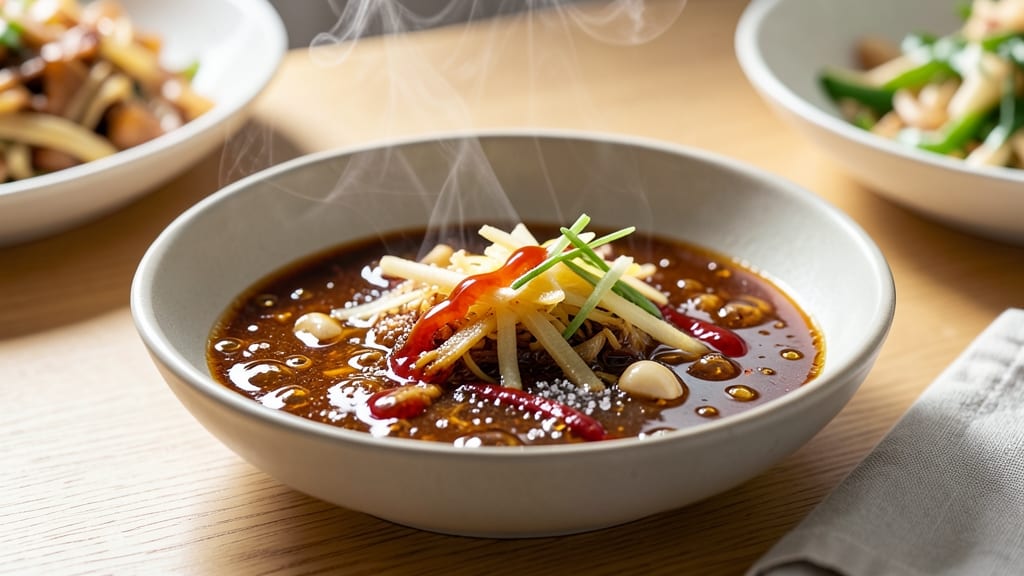
This stir fry sauce recipe delivers restaurant-quality depth without chicken broth, using a simple yet powerful soy and vinegar base that builds layers of umami. The secret lies in balancing salty soy with bright vinegar and aromatic garlic-ginger, then thickening it just enough to cling perfectly to any stir-fry.
I developed this version after years of testing—it's the one that finally replaced store-bought sauces in my kitchen forever.
What makes this sauce special is its flexibility and shelf stability. You'll use just five core ingredients (plus optional oyster sauce for extra richness), combined in a way that creates complex flavor without requiring constant stirring.
The cornstarch slurry creates a smooth, velvety finish that coats proteins and vegetables beautifully, while the vinegar adds brightness that cuts through the richness.
The result is a sauce that's equally at home on weeknight stir-fries or meal prep batches. It keeps well in the fridge for up to 10 days, making it perfect for stocking your pantry.
The umami depth comes from properly balancing the soy sauce with vinegar and a touch of sugar, creating that signature savory-sweet profile you crave in every bite.
Whether you're cooking beef, chicken, tofu, or vegetables, this sauce transforms simple ingredients into something extraordinary. Let's make the perfect stir-fry sauce that will elevate every dish you prepare.
Ingredients for stir fry sauce recipe without chicken broth
Five core ingredients plus optional richness—this sauce delivers restaurant-quality depth without chicken broth.
| Ingredient | Amount | Notes |
|---|---|---|
| Light Soy Sauce 🍶 | ½ cup | High-quality, low-sodium preferred |
| Rice Vinegar 🍶 | ¼ cup | Seasoned preferred for depth |
| Granulated Sugar 🍚 | 2 tbsp | Or substitute brown sugar |
| Fresh Garlic Cloves 🧄 | 4 cloves | Minced, aromatic foundation |
| Fresh Ginger Root 🌿 | 1 tbsp | Finely grated, zesty kick |
| Cornstarch 🌾 | 1 tbsp | For smooth, velvety finish |
| Water 💧 | ¼ cup | Room temperature preferred |
| Sesame Oil 🫒 | 1 tbsp | Toasted, for nutty aroma |
| Oyster Sauce 🦪 | 2 tbsp | Optional for extra richness |
The soy sauce is non-negotiable here—Kikkoman or Pearl River Bridge are my go-tos, but any light soy will work. For vinegar, seasoned rice vinegar adds subtle sweetness, but white vinegar works in a pinch (just add 1/2 tsp sugar). Fresh garlic and ginger are worth the extra minute to mince—pre-minced garlic loses flavor fast. If you're buying whole ginger, grab the knobby kind; it's more potent. The cornstarch slurry is the secret to that velvety finish—don't skip mixing it with cold water first, or you'll get lumps. Sesame oil should be toasted, not the flavored kind from the bottle—look for pure sesame oil in the Asian aisle.
No oyster sauce? Extra soy sauce plus a dash of fish sauce gets you close, but skip the fish sauce if you're avoiding it. Running out of rice vinegar? Apple cider vinegar plus 1/4 tsp sugar mimics the flavor. The sugar can be swapped for honey, but brown sugar adds molasses notes that some people love. For a gluten-free version, use tamari instead of soy sauce. And if you're making a big batch, double the cornstarch slurry—it's worth the extra 30 seconds of stirring to get that perfect cling.
This sauce keeps like a dream—10 days in the fridge sealed in an airtight jar. For longer storage, freeze in ice cube trays, then transfer to a bag. Thaw overnight in the fridge or microwave for 20 seconds. The flavor actually improves after a day or two as everything melds. I always make extra—it disappears fast when I'm stir-frying weeknights. The sesame oil separates if stored too long, so give it a quick shake before using.
Why You'll Love This Recipe
- Five-Ingredient Magic: I swear, this sauce is the kind of thing you’ll make just to keep in the fridge—no excuses. Light soy sauce, rice vinegar, and a touch of sugar balance the sharpness of fresh garlic and ginger like they’ve been friends forever.
- No Mess, All Flavor: Between us, I’ve burned down stir-fry sauces with complicated reductions. This one? Just heat, stir, taste—repeat. The garlic and ginger mellow out beautifully, and you won’t need a degree in chemistry to get it right.
- Weeknight Superhero: Honestly, this is my go-to when I’m staring at a fridge full of random veggies or leftover protein. Drizzle it on noodles, toss it with tofu, or even glaze some broccoli—it turns "meh" into "wow" without trying too hard.
- Budget-Friendly Flex: A few cents per serving, and it stretches like crazy. Make a double batch, stash it in the fridge, and you’ve got a flavor bomb ready for takeout night, lunchbox packing, or that last-minute dinner when you’re not feeling fancy.
Step-by-step instructions for stir fry sauce without chicken broth
This sauce builds layers of flavor through precise technique and ingredient balance.
Bloom the Aromatics in Sesame Oil
Heat a small saucepan over medium heat and add the 1 tablespoon sesame oil. Once the oil shimmers and you can smell its nutty aroma, add the 4 cloves minced fresh garlic cloves and 1 tablespoon finely grated fresh ginger root. Cook for 30-45 seconds until the garlic turns golden and fragrant—this prevents bitterness and unlocks their full flavor.
I stir constantly during this step to avoid burning. The moment you see the garlic begin to color, it's ready. Remove the pan from heat immediately after, as the aromatics cook very quickly. This quick sear preserves their delicate flavors rather than letting them turn harsh.
Combine Wet Ingredients and Simmer
Return the pan to medium heat and add the 0.5 cup light soy sauce, 0.25 cup rice vinegar, 2 tablespoons granulated sugar, and 2 tablespoons oyster sauce. Bring to a gentle simmer, then reduce heat to low and let it cook uncovered for 5-7 minutes until slightly reduced by about 20%. You'll see the sauce thicken slightly and the flavors meld together.
Here's where the magic happens: the acidity from the rice vinegar brightens the soy sauce while the sugar caramelizes just enough to add depth. Stir occasionally to prevent sticking, but don't over-stir—this sauce needs to develop its own character. The oyster sauce, if using, adds that signature umami richness without needing chicken broth.
Thicken the Sauce with Cornstarch Slurry
In a small bowl, whisk together the 1 tablespoon cornstarch with the 0.25 cup room temperature water until completely dissolved. This creates a smooth slurry that will thicken your sauce beautifully. Return the pan to medium heat and slowly pour in the slurry while stirring constantly.
The sauce will thicken dramatically within 1-2 minutes—this is when you need to pay close attention. Stir vigorously to prevent lumps from forming. You're aiming for a glossy, velvety consistency that coats the back of a spoon. If it thickens too quickly, add 1 teaspoon water at a time until you reach your desired texture.
Finish with Final Adjustments
Taste the sauce and make any final adjustments. If it needs more sweetness, add a pinch more sugar. For extra tang, add a splash more rice vinegar. The sauce should balance sweet, salty, umami, and slightly acidic notes. Return to low heat for 1 minute to fully incorporate any adjustments.
Remove from heat and let it cool slightly before using. The sauce will continue to thicken as it cools, so don't worry if it looks perfect right away. This sauce keeps well in the refrigerator for up to 5 days, making it perfect for meal prep. Use it immediately over stir-fried vegetables, noodles, or proteins for maximum flavor impact.
Pro Tips For Making Stir Fry Sauce Recipe Without Chicken Broth
- MINCE THE GINGER FINE: I learned this the hard way—when I used pre-grated ginger straight from the jar, the sauce tasted like it was missing something. Fresh ginger needs to be minced almost to paste for this recipe, or it’ll sit in chunks and throw off the balance. Use a sharp knife or microplane and don’t hold back—this isn’t the time to be gentle.
- SALT THE GARLIC FIRST: Fresh garlic cloves straight from the jar? Skip it. Instead, slice them thin and sprinkle with a pinch of salt, then let them sit for 5 minutes before cooking. This draws out moisture so they sizzle properly and don’t steam into oblivion. (Yes, even if you’re impatient like me.)
- LOW HEAT FOR THE SUGAR: After adding the sugar, resist the urge to blast the pan. Medium-low heat is your friend here—too hot and you’ll get a burnt caramelized mess that tastes like a failed Halloween decoration. Stir constantly and keep it moving until the sugar fully dissolves, then let it simmer for 30 seconds to mellow the flavor.
- BALANCE THE VINEGAR LAST: Add the rice vinegar after the garlic and ginger have cooked down, not at the start. If you toss it in early, the acid will cook off and leave your sauce tasting flat. Wait until the very end, then adjust to taste—this is the one ingredient that makes or breaks the brightness of the whole dish. (Pro move: taste as you go.)
Creative variations of this recipe
Asian-Inspired Fusion Twist
Add 1 tablespoon of hoisin sauce and 1 teaspoon of chili garlic sauce for a Thai-inspired kick. The hoisin deepens the umami while the chili garlic sauce introduces a subtle heat that pairs beautifully with the sauce’s sweet-salty base.
I love this variation for beef stir-fries—it’s like a little taste of street food. 🌶️
Sweet and Tangy Glaze
Swap the rice vinegar for 2 tablespoons of honey and 1 tablespoon of lime juice to create a sweet-tangy glaze perfect for tofu or shrimp. The honey caramelizes beautifully, and the lime adds a bright finish.
For extra richness, stir in 1 tablespoon of peanut butter—it sounds unusual, but it adds a creamy depth that works surprisingly well. 🍯
Smoky Chipotle Heat
For a smoky, spicy variation, add 1 teaspoon of adobo sauce (from canned chipotle peppers) and ½ teaspoon of smoked paprika to the base. This transforms the sauce into a bold, smoky companion for chicken or pork.
I often double the cornstarch slurry to ensure the sauce clings to the meat despite the extra moisture from the adobo. 🔥
Coconut-Lime Stir-Fry
Replace the rice vinegar with 2 tablespoons of coconut aminos and 1 tablespoon of lime zest, then add 1 tablespoon of coconut milk at the end for a tropical twist.
This works amazingly with shrimp or grilled fish, giving it a fresh, slightly sweet flavor profile that’s lighter but still packed with umami. 🥥
Spicy Peanut Sauce
For a nutty, spicy sauce, stir in 2 tablespoons of peanut butter and 1 teaspoon of sriracha after removing the pan from heat. Thin with 1 tablespoon of warm water if needed.
This variation is perfect for noodles or crispy tofu—it’s rich, creamy, and just spicy enough to keep things interesting. 🥜
Herb-Infused Bright Sauce
Add 1 tablespoon each of chopped cilantro and Thai basil along with 1 teaspoon of fish sauce (if using) for a fresh, herb-forward sauce. This version shines with shrimp or grilled vegetables, offering a bright, aromatic contrast to the rich stir-fry.
The herbs should be added at the very end to preserve their freshness. 🌿
Nutrition facts
Frequently asked questions
Can I make this sauce without cornstarch?
Yes, but the texture will be thinner. For a naturally thickened version, use 1 tablespoon arrowroot powder or tapioca starch instead—it works just as well. If you prefer no thickener at all, reduce the sauce by simmering uncovered for 10-15 minutes until it reaches your desired consistency, but you'll lose that glossy finish.
How do I adjust this sauce for spicy stir-fries?
Add 1/2 teaspoon of red pepper flakes or 1 teaspoon of sriracha at the end, then stir well. For extra heat, include 1/2 teaspoon of chili crisp or a dash of Doubanjiang (Chinese chili bean paste) when blooming the aromatics. Always taste first—you can always add more, but you can't remove heat!
Will this sauce work for cold noodle dishes?
This sauce actually shines cold—its balanced flavors hold up beautifully in cold noodles, salads, or rice bowls. For extra freshness, add 1 tablespoon of lime juice and 1/4 cup chopped cilantro after cooling. The cornstarch slurry helps it cling to ingredients even when chilled, making it perfect for meal prep.
Can I substitute fish sauce for oyster sauce?
Yes, but use 1 tablespoon fish sauce instead of the 2 tablespoons oyster sauce. Fish sauce adds a deeper umami punch, so you might want to reduce the soy sauce by 1 tablespoon to balance the saltiness. For a vegetarian version, use 1 tablespoon soy sauce plus 1/2 teaspoon mushroom powder for umami depth.
How do I prevent the sauce from getting too salty?
Use low-sodium soy sauce and reduce the amount by 1 tablespoon if needed. The rice vinegar helps balance saltiness naturally, but if it's still too strong, add 1 extra tablespoon of sugar or a splash of water. For extra brightness, include 1/2 teaspoon of sugar-free orange marmalade—it adds sweetness without salt.