
Sauces & Condiments
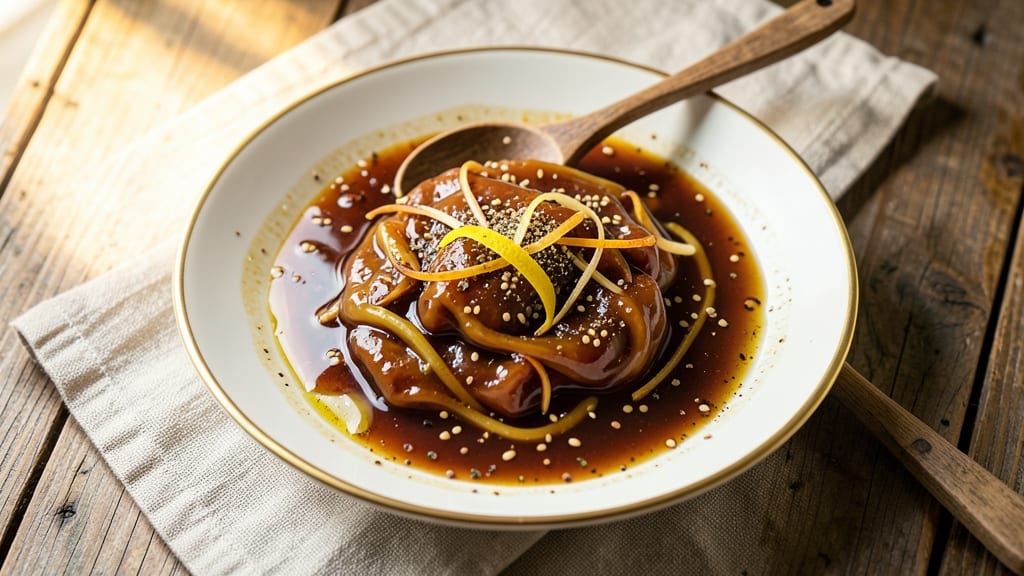
This awesome stir fry sauce recipe transforms any stir-fry from ordinary to extraordinary with just 10 minutes of prep. The secret lies in balancing bold umami flavors—soy sauce, oyster sauce, and a touch of sesame oil—while keeping it versatile enough for any protein or vegetable.
What makes this sauce stand out is its glossy finish, achieved through a simple cornstarch slurry that coats ingredients perfectly without overpowering their natural flavors.
What sets this sauce apart is its adaptability—it works equally well with chicken, beef, tofu, or vegetables, and can be easily adjusted for dietary preferences. The base ingredients—soy sauce, oyster sauce, and rice vinegar—create a perfect harmony of salty, sweet, and tangy notes, while garlic and ginger add depth.
The sauce is also freezer-friendly, so you can make a big batch and have it ready for quick weeknight meals.
By the time you’re done, you’ll have a rich, glossy sauce that clings beautifully to stir-fried ingredients, enhancing their flavors without masking them. The best part? It’s foolproof—no complicated techniques, just a few simple steps and a blender.
Whether you’re cooking for a family dinner or meal prepping for the week, this sauce will elevate every bite.
Use it as a dipping sauce, a stir-fry glaze, or even a marinade for added flavor. The possibilities are endless, and the results are always impressive. Let’s get started!
Ingredients for awesome stir fry sauce
Ten bold ingredients create this restaurant-quality stir-fry sauce in minutes.
| Ingredient | Amount | Notes |
|---|---|---|
| Light Soy Sauce 🍶 | ½ cup | High-quality, preferably Japanese |
| Oyster Sauce 🦪 | ¼ cup | Thick, rich variety preferred |
| Rice Vinegar 🍶 | ¼ cup | White or seasoned, to taste |
| Sesame Oil 🫒 | 1 tbsp | Toasted sesame oil for aroma |
| Cornstarch 🌾 | 1 tbsp | For glossy finish slurry |
| Garlic Cloves 🧄 | 4 cloves | Freshly minced for depth |
| Fresh Ginger 🌿 | 1 tbsp | Finely grated, peeled |
| Honey 🍯 | 1 tbsp | For subtle sweetness |
| Water 💧 | ¼ cup | For slurry consistency |
| Sugar 🍚 | 1 tbsp | Granulated, optional |
The soy sauce is your flavor foundation—Japanese light soy sauce delivers the cleanest umami without overpowering. Kikkoman or La Choy are reliable choices, but premium brands like S&B Golden Soy Sauce add depth. Oyster sauce should be thick and glossy; Lee Kum Kee is the gold standard, but avoid watery versions. For sesame oil, Kadoya or La Choy toasted varieties provide that nutty aroma without bitterness. Fresh ginger and garlic are non-negotiable here—they're the secret to that professional restaurant depth.
No oyster sauce? Fish sauce plus a touch of brown sugar mimics the umami, though the texture will differ slightly. Substitute honey with maple syrup or agave for vegan needs, but reduce to 1 tsp to avoid over-sweetening. Cornstarch is crucial for that glossy finish—arrowroot powder works too if you prefer a slightly lighter texture. For extra heat, add 1/2 tsp sriracha or chili crisp at the end. The sauce thickens as it cools, so adjust consistency with 1 tsp water per tablespoon if needed.
This sauce reheats beautifully—simply warm on the stove with 1 tbsp water to restore gloss. Store in an airtight container in the fridge for up to 2 weeks, or freeze for 3 months in ice cube trays for single-use portions. For meal prep, double the recipe and freeze half immediately. The cornstarch slurry thickens when chilled, so whisk vigorously before using if stored longer than 3 days.
Why You'll Love This Recipe
- Five-Ingredient Magic: I swear by this combo—just five pantry staples, no fancy gadgets. The cornstarch thickens it just enough to coat everything perfectly, while the sesame oil adds that nutty aroma that makes stir-fries smell like home.
- Umami Bomb: That oyster sauce? It’s the secret weapon here. One spoonful and suddenly your veggies or protein taste like they’ve been kissed by a wok hei flame. Honestly, I’ve tried other sauces, but this balance of salty, sweet, and funky is spot-on.
- Meal Prep MVP: Make a double batch and store it in the fridge—it keeps for weeks. Drizzle it over prepped proteins and veggies, then reheat everything together. No last-minute sauce scrambling when you’re starving at 7 PM.
- Budget-Friendly Flex: Light soy sauce and rice vinegar are cheap, but they punch way above their price. Between us, this sauce costs pennies per serving, and it turns basic chicken or tofu into something restaurant-worthy without breaking the bank.
Step-by-step instructions for bold umami-packed stir fry sauce
Master this sauce in minutes—perfect balance of umami, sweetness, and tang for restaurant-quality stir fries.
Create the Cornstarch Slurry for Glossy Finish
In a small bowl, whisk together the 1 tablespoon cornstarch and ¼ cup water until completely dissolved. This slurry is your secret weapon for achieving that signature glossy sheen in your stir fry sauce. The cornstarch acts as a natural thickener when heated, creating that beautiful, silky consistency that clings perfectly to every strand of noodle or piece of protein.
Set this mixture aside for now—it needs to stay smooth and lump-free. If you notice any grit when whisking, strain it through a fine-mesh sieve to ensure your sauce finishes perfectly silky. This step happens first because we want the cornstarch to fully hydrate before it gets incorporated into the hot liquid.
Build the Umami Base with Soy and Oyster Sauces
In a medium saucepan over medium heat, combine the ½ cup light soy sauce and ¼ cup oyster sauce. Let the mixture simmer gently for 2-3 minutes, stirring occasionally. You'll notice the sauce begin to reduce slightly and develop a deeper, more concentrated umami flavor as the alcohol content evaporates.
This reduction step is crucial—it intensifies the natural flavors of both sauces. The soy sauce provides that classic salty backbone, while the oyster sauce adds its signature richness and depth. Don't rush this process; let it simmer until you can smell that complex umami aroma developing. This is where the magic begins.
Incorporate Aromatics and Sweetness
Add the 4 minced garlic cloves and 1 tablespoon freshly grated ginger to the saucepan. Cook for 1-2 minutes until the garlic becomes fragrant and just begins to turn golden at the edges—this prevents it from becoming bitter. Then stir in the 1 tablespoon honey and 1 tablespoon sugar, allowing them to dissolve completely into the sauce.
The garlic and ginger form the aromatic foundation of your sauce, while the honey and sugar create that perfect balance of sweetness that cuts through the saltiness. Here's where you'll notice the sauce transforming from a simple base into something truly special. Taste as you go—this is your quality control moment to ensure the sweetness complements rather than overpowers the umami flavors.
Finish with Acid and Oil for Balance
Pour in the ¼ cup rice vinegar and 1 tablespoon sesame oil, stirring constantly to combine. The vinegar adds that essential tangy brightness that prevents the sauce from becoming too heavy, while the sesame oil contributes its nutty aroma and helps emulsify the sauce for that glossy finish. Let the mixture simmer for another 1-2 minutes to allow all the flavors to meld together.
This is where you'll notice the sauce coming together—it should look glossy and inviting, with a beautiful balance of colors from the soy sauce's deep brown to the sesame oil's golden hue. The aroma should be complex, with notes of garlic, ginger, umami, and a hint of sweetness. If you're making this ahead, now is the time to taste and adjust seasoning—you might want to add a touch more soy sauce for saltiness or a splash more vinegar for acidity.
Thicken and Test for Perfection
Slowly pour the cornstarch slurry into the saucepan while stirring continuously. The sauce will begin to thicken almost immediately—keep stirring for 1-2 minutes until it reaches your desired consistency. For stir fries, you want a sauce that's glossy but still pourable, coating everything beautifully without being gluey.
Test the sauce by drizzling a small amount onto a plate. It should form a thin, glossy line that doesn't immediately disperse. If it's too thick, add 1 teaspoon water at a time until you reach the perfect consistency. This sauce should be versatile enough to work with both quick stir fries and slower-cooked dishes. Once perfected, transfer it to a clean jar and let it cool to room temperature before storing in the refrigerator for up to 2 weeks.
Pro Tips For Making Awesome Stir Fry Sauce
- Whisk the cornstarch first: Mix the cornstarch with 1-2 teaspoons of cold water or light soy sauce before adding it to the hot pan—this prevents clumping like I used to get when just dumping it in dry. The sauce will thicken smoothly instead of turning into a gluey mess.
- Taste before you thicken: Check the sauce’s flavor balance before adding cornstarch—too much soy or oyster sauce now means you’ll be stuck with an overpowering taste later. I learned this after making a batch that tasted like a soy sauce factory exploded.
- Low and slow for sesame oil: Add sesame oil last, when the stir-fry is nearly done, and turn the heat to the lowest setting—just enough to warm it through. Dumping it in too early burns the oil’s nutty aroma, and cranking the heat afterward makes it taste harsh.
- Vinegar in stages: Split the rice vinegar into two additions: half at the start for brightness, the rest at the end to brighten the final flavor. I used to add it all at once and ended up with a sauce that smelled like a pickling jar instead of a stir-fry.
Dietary considerations for this awesome stir fry sauce
Gluten-Free Adaptation
Swap the light soy sauce for tamari or a gluten-free soy sauce like San-J Tamari. Tamari has a richer, slightly sweeter profile that works beautifully in stir-fry sauces.
I’ve tested this substitution with Kikkoman Gluten-Free Soy Sauce, and it maintains the umami depth while being completely safe for gluten-sensitive diets. 🌱
For an extra boost, add 1 tablespoon coconut aminos to the base—it’s naturally gluten-free and adds a subtle sweetness that balances the sauce perfectly. Just
Vegan-Friendly Version
Replace the oyster sauce with 1 tablespoon soy sauce plus 1 teaspoon mushroom powder (like Better Than Bouillon Vegetarian Mushroom Base). This combo mimics the umami without animal products. For the honey, use maple syrup or agave—I recommend 1 tablespoon maple syrup for a similar depth of flavor. 🌿
The sesame oil remains vegan-friendly, but if you’re avoiding all oil, substitute with 1 teaspoon toasted sesame seeds (add them at the end for texture). For extra richness, stir in 1 tablespoon nutritional yeast—it adds a cheesy, umami note that vegans love.
Test the sauce as you go, as plant-based ingredients can sometimes need more acidity.
Low-Sodium Options
Use low-sodium soy sauce (like Kikkoman Low-Sodium) and reduce the amount to ¼ cup instead of ½ cup. For the oyster sauce, opt for low-sodium versions (check labels—Lee Kum Kee Low Sodium is a great choice).
Balance the flavor by adding ½ teaspoon sea salt at the end if needed. 💡
If you’re avoiding all added salt, try 1 tablespoon coconut vinegar (like Bragg) instead of rice vinegar—it adds tang without sodium. For umami depth, increase the garlic and ginger to 5 cloves and 1.5 tablespoons, respectively. The natural flavors will shine while keeping the sodium content minimal.
Nut-Free Considerations
This sauce is naturally nut-free, but always double-check your sesame oil label—some brands process in facilities with nuts. For a completely nut-free alternative, use 1 teaspoon avocado oil instead. The flavor difference is subtle, but it ensures safety for those with nut allergies. 🚫
If you’re also avoiding sesame seeds (common in some allergies), skip adding them as a garnish. Instead, finish with 1 teaspoon toasted pumpkin seeds for crunch—it adds a different texture without the nut risk. Store all oils in airtight containers to prevent cross-contamination.
Sweetener Adjustments
For those watching sugar intake, reduce the honey and sugar to ½ tablespoon each and add 1 teaspoon erythritol or monk fruit sweetener for a sugar-free option. The sauce will still have sweetness without the glycemic impact. I’ve found Lakanto Monk Fruit Sweetener blends seamlessly into the sauce. 🍯
If you’re avoiding all sweeteners, skip the honey entirely and increase the rice vinegar to 3 tablespoons—the extra acidity balances the salty umami beautifully. The sauce will be tangier but still complex, with the garlic and ginger carrying the depth.
Nutrition facts
Frequently asked questions about this stir fry sauce
Can I make this sauce without a cornstarch slurry?
The cornstarch slurry creates that signature glossy finish, but you can substitute it with 1 tablespoon tomato paste or 1 teaspoon xanthan gum mixed with 2 tablespoons water. For a thinner sauce, just skip the thickener—it'll still taste amazing but may coat ingredients less dramatically. The sauce will be more liquid, so reduce by 2 tablespoons when tossing with stir-fry ingredients.
How do I adjust the sauce for spicy stir fries?
Add ½ teaspoon chili crisp or 1 teaspoon sriracha at the end for heat. For deeper spice, stir in 1 teaspoon gochujang (Korean chili paste) with the garlic and ginger. Always taste first—spice builds intensity as it cools. For extra smoky flavor, add ¼ teaspoon smoked paprika when incorporating the aromatics.
Can I use this sauce for non-stir fry dishes?
It works perfectly as a dipping sauce for spring rolls or dumplings, a marinade for 1-2 hours before grilling, or even a glaze for roasted vegetables. For marinades, reduce the cornstarch to ½ tablespoon since the sauce will cook down. The sauce also elevates noodle dishes—toss with cooked noodles and a splash of water to loosen.
Why did my sauce turn cloudy or separate?
Cloudiness often happens when the cornstarch slurry wasn't fully dissolved or when oils separate. Fix it by whisking vigorously or blending briefly, then reheating gently for 1-2 minutes. For separation, add 1 teaspoon sesame oil or ½ teaspoon arrowroot powder mixed with 1 tablespoon water to re-emulsify. Always store in an airtight container to prevent oxidation.
How much sauce should I use per serving?
For stir fries, use 2-3 tablespoons per person—add half during cooking and finish with the rest at the end. For dipping, 1 tablespoon per serving is ideal. The sauce thickens as it cools, so if it seems too thick when warm, thin with 1 teaspoon water before serving. For extra flavor, toss cooked ingredients in the sauce for 1-2 minutes off heat.