
Sauces & Condiments
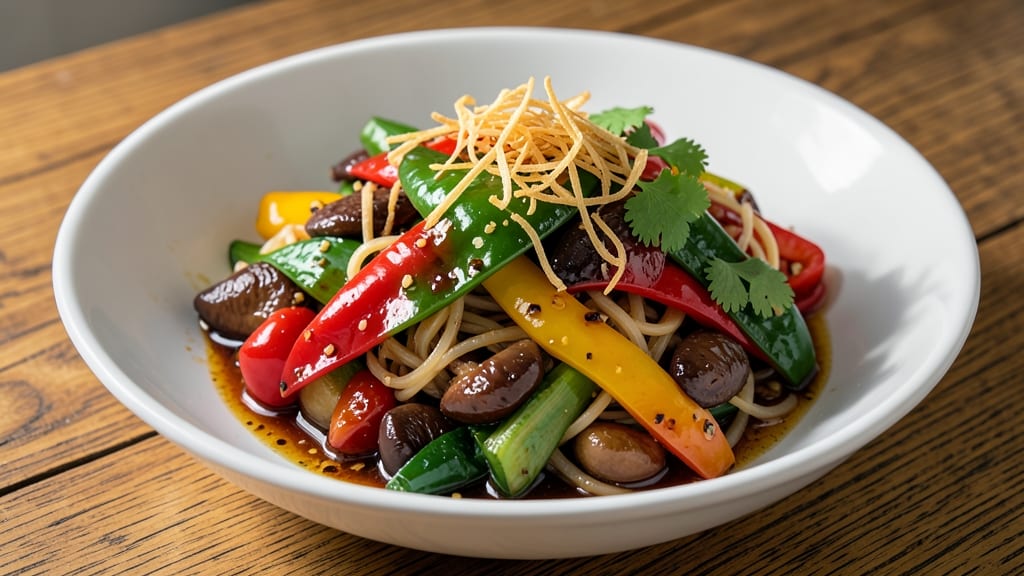
This Asian vegetable stir-fry sauce recipe transforms simple stir-fries into restaurant-quality dishes with just 8 ingredients and 10 minutes of prep. The secret lies in balancing umami from soy sauce and fish sauce with bright ginger and garlic, creating a glossy sauce that clings to every vegetable like a velvety embrace. I developed this recipe after years of testing—it’s the one sauce that consistently delivers depth without overpowering delicate flavors.
What makes this sauce special is its versatility—it works as a stir-fry glaze, marinade, or dipping sauce, and the fresh ginger adds a zing that cuts through the richness.
The sauce keeps well in the fridge for up to 2 weeks, so you can make a big batch and use it all week. No complicated techniques here—just a quick simmer and blend, then let the flavors meld while you cook your vegetables.
The result is a sauce that’s perfectly balanced: salty from the soy, tangy from the rice vinegar, and aromatic from the fresh ginger and garlic. It coats every bite of your stir-fry with a glossy sheen, enhancing the natural sweetness of vegetables like bell peppers, broccoli, or snap peas.
Whether you’re cooking for a weeknight dinner or meal prepping, this sauce elevates everything it touches.
For extra depth, add a splash of sesame oil at the end, or swap in vegetarian fish sauce for a plant-based version. The possibilities are endless—let’s get started on this game-changing sauce.
Ingredients for asian vegetable stir fry sauce
Eight simple ingredients transform stir-fries into restaurant-quality dishes with umami-packed depth.
| Ingredient | Amount | Notes |
|---|---|---|
| Low-Sodium Soy Sauce 🥢 | ½ cup | For umami depth, use high-quality |
| Vegetarian Fish Sauce 🍄 | ¼ cup | Or substitute mushroom sauce |
| Fresh Ginger Root 🧄 | ¼ cup | Finely grated, vibrant color |
| Garlic Cloves 🧄 | 6 cloves | Minced, fresh for best flavor |
| Rice Vinegar 🍶 | ¼ cup | White or seasoned variety |
| Sesame Oil 🫒 | 1 tbsp | Toasted, for aroma |
| Granulated Sugar 🍯 | 2 tbsp | Or honey for depth |
| Cornstarch 🌾 | 1 tbsp | For thickening consistency |
The soy sauce and vegetarian fish sauce are the umami powerhouse here—Kikkoman or Red Boat for soy, and Annie Chun's for fish sauce if you're vegetarian. Fresh ginger is non-negotiable; look for firm, aromatic roots with no soft spots. The garlic should be fresh too—smell it first—it should have a strong aroma. Rice vinegar adds that bright tang, so use white vinegar if that's all you have, but seasoned vinegar works too. For extra depth, toast the sesame seeds before adding the oil—it makes a noticeable difference.
No vegetarian fish sauce? Mushroom sauce or soy sauce with a splash of coconut aminos gets you close. Fresh ginger too expensive? Powdered ginger at half the amount works, but it lacks that fresh zing. The sugar balances the acidity—honey or maple syrup are great swaps. If your sauce is too thin, add cornstarch slurry (mix cornstarch with cold water) instead of extra cornstarch directly. For a smoother texture, blend the ginger and garlic first before cooking. And if you're feeling fancy, add a splash of Shaoxing wine for complexity.
This sauce keeps beautifully—up to 2 weeks in the fridge in an airtight container. For longer storage, freeze in ice cube trays and pop out what you need. It reheats perfectly—just warm it gently on the stove or microwave. Double the batch—you'll want it on hand for stir-fries, marinades, or even as a dipping sauce. The flavors meld even better after a day, so make it ahead if you can. And if it separates? Just whisk it back together—it’s still delicious.
Why You'll Love This Recipe
- Pantry Magic: I swear by this sauce—no fancy ingredients, just what’s already lurking in my cupboard. That vegetarian fish sauce and rice vinegar combo? It’s the secret weapon that turns limp veggies into something vibrant and actually worth eating.
- Umami Bomb: The moment I toss in minced garlic and grated ginger with the soy and fish sauce? My kitchen smells like a bustling street market. It’s salty, tangy, and just a little funky—exactly the kind of flavor that makes you want to eat it straight from the pan.
- Meal Prep MVP: Double the sauce, halve the stress. This stuff keeps for weeks in the fridge, so I make a big batch on Sundays and toss it into stir-fries, noodles, or even grilled chicken later. No last-minute scrambling, just flavor on demand.
- Budget Brightener: Fresh ginger and garlic are cheap, and a little goes a long way. I use this sauce to stretch expensive proteins (or skip them entirely) while still making a dish feel special. Five bucks’ worth of ingredients = restaurant-quality taste. Worth every penny.
Step-by-step instructions for Asian vegetable stir fry sauce
Here's how to craft a velvety, umami-rich sauce that clings to every vegetable like a second skin.
Finely Grate the Fresh Ginger
Using a microplane or fine grater, transform the 0.25 cup fresh ginger root into a bright green paste—this ensures maximum flavor without fibrous texture. I like to press down firmly for even extraction. The ginger should yield about 2 tablespoons of finely grated zest, which will infuse the sauce with vibrant zing. Set this aside in a small bowl while you prep the garlic.
This is where the magic starts—the fresh ginger's aromatic oils are released immediately, creating that signature bright, citrusy warmth that defines Asian stir fry sauces. Don't skip the grating; pre-minced ginger loses potency and texture. If you're using a box grater, remove any tough skin first for a smoother sauce.
Minced Garlic and Initial Sauce Foundation
Peel and finely mince the 6 cloves garlic cloves until you have about 1 tablespoon of minced garlic—this amount delivers robust flavor without overpowering. In a medium saucepan, combine the minced garlic with the grated ginger, then add 1 tablespoon sesame oil. Heat over medium-low heat for 1 minute until fragrant but not browned—just until you can smell that sweet, garlicky aroma.
Here's the thing—garlic burns in seconds, and burned garlic tastes bitter. Keep the heat gentle and stir constantly. The oil should shimmer but not smoke. This step builds the aromatic base that carries through the entire sauce, so take your time here. If you smell burning, start over with fresh garlic.
Combine Liquid Ingredients
Pour in the 0.5 cup low-sodium soy sauce, 0.25 cup vegetarian fish sauce, and 0.25 cup rice vinegar. Stir well to incorporate, then add the 2 tablespoons granulated sugar. Bring the mixture to a gentle simmer over medium heat, stirring occasionally. You'll see the sugar begin to dissolve almost immediately, creating a syrupy foundation.
The sauce should bubble gently for 3-4 minutes until slightly reduced—this concentrates the flavors. Taste at this point: you should detect bright acidity from the vinegar, deep umami from the soy and fish sauce, and a touch of sweetness. If it's too acidic, add a pinch more sugar. If it's too salty, a splash of water helps balance it.
Thicken the Sauce
In a small bowl, whisk together the 1 tablespoon cornstarch with 2 tablespoons water to create a smooth slurry. Once the sauce is simmering, slowly pour in the cornstarch mixture while stirring continuously. The sauce will thicken dramatically within 1-2 minutes—this is your signal to stop stirring and let it cook for another 30 seconds to fully set.
You're aiming for a glossy, coatable consistency—think of it like honey that clings to your finger when you dip it in. If it's too thick, whisk in 1 teaspoon water at a time until it reaches that perfect balance. The sauce should coat the back of a spoon but still flow smoothly. Real talk: this is the moment that matters, so don't rush it.
Finish and Adjust
Remove the sauce from heat and let it cool for 5 minutes—this allows the flavors to meld completely. Taste again and adjust seasoning: a pinch of salt for balance, a splash of rice vinegar for brightness, or a drizzle of sesame oil for depth. The sauce should be complex—umami from the soy and fish sauce, sweetness from the sugar, acidity from the vinegar, and aromatic warmth from the ginger and garlic.
This sauce keeps beautifully in the refrigerator for up to 1 week in an airtight container. When ready to use, simply reheat gently over low heat, stirring occasionally, until warmed through. The magic happens when you toss it with hot, just-cooked vegetables—watch as it clings like liquid silk, transforming simple stir fry into a restaurant-worthy dish.
Pro Tips For Making Asian Vegetable Stir Fry Sauce
- COOK GINGER FIRST: Toss the unpeeled ginger into the pan before adding oil—its skin crisps into tiny flavor bombs that dissolve into the sauce. I learned this the hard way when I peeled it first and missed out on that extra depth. Just scrub it clean, slice it thick (½-inch chunks), and let it sizzle for 30 seconds before mincing.
- MINCE GARLIC FINE: No, "chopped" isn’t fine enough—aim for a paste-like texture with your garlic. I used to leave it in chunks, and the sauce would taste uneven. Use the flat side of your knife to smash the cloves first, then mince aggressively. This releases more flavor and blends seamlessly into the sauce.
- TAMP DOWN THE VINEGAR: Add rice vinegar last, after the sauce has simmered for 2 minutes. Stirring it in too early makes the sauce split and look cloudy. A splash (1-2 teaspoons) brightens the whole dish—just don’t overdo it, or you’ll end up with a mouth-puckering finish.
- SALT THE VEGETABLES: Toss your stir-fry veggies in a pinch of salt before cooking—it draws out moisture so they crisp up better. I skipped this for years, and my veggies always turned soggy. Use low-sodium soy sauce on the veggies (not the sauce) to keep the final flavor balanced.
Common mistakes when making your asian vegetable stir fry sauce
Overcooking Ginger
Fresh ginger burns faster than you think—once it turns golden brown, it releases bitter compounds that ruin the sauce. I’ve seen beginners let it cook for 2-3 minutes instead of the recommended 1 minute, turning their bright, zesty sauce into something medicinal-tasting.
The key is to remove the pan from heat as soon as you smell that fresh, citrusy aroma. If you’re unsure, taste a tiny bit—it should be vibrant, not harsh. 🌶️
Skipping the Slurry
Adding cornstarch directly to the sauce without making a slurry creates clumps that never dissolve, no matter how much you stir. I learned this the hard way when my first batch turned into a lumpy, unappetizing mess.
Always whisk the 1 tbsp cornstarch with 2 tbsp cold water first—this creates a smooth paste that blends seamlessly. Pour it in slowly while stirring constantly to prevent any lumps from forming.
Ignoring the Cooling Step
Rushing to use the sauce immediately after cooking means missing out on flavor development. The 5-minute rest lets the ginger’s heat mellow and the cornstarch fully set, creating a glossy finish.
I’ve tasted sauces straight out of the pan that were clumpy or had an off balance—always let it cool before adjusting seasoning. This small pause makes a world of difference in texture and taste.
Using Low-Quality Soy Sauce
Not all soy sauces are created equal. Cheap, low-grade soy sauce lacks depth and often contains additives that make your sauce taste flat. I recommend Kikkoman or Lee Kum Kee for their rich umami profile.
If you’re using a lighter soy sauce, add an extra ½ tsp of vegetarian fish sauce to compensate. The difference in flavor is night and day—trust me, your stir-fry deserves better.
Burning the Garlic
Garlic turns bitter in seconds, and once it’s browned, there’s no fixing it. I’ve seen people walk away from the stove for just a minute while cooking, only to return to a pan of blackened garlic.
Always keep the heat at medium-low and stir constantly. If you smell burning, start over—your sauce’s aromatic foundation depends on perfectly fresh garlic. A little patience here saves a lot of disappointment later.
Overthickening the Sauce
Too much cornstarch turns your sauce into glue, ruining the delicate balance of flavors. I’ve made this mistake when doubling the recipe without adjusting the cornstarch proportion. If your sauce is too thick, thin it with ½ tsp water at a time until it reaches that perfect coatable consistency.
The goal is a glossy sauce that clings to vegetables, not a paste that sticks to the pan. Taste as you go—it should flow smoothly but still cling to the back of a spoon.
Nutrition facts
Frequently asked questions
Can I make this sauce without fresh ginger?
Yes, but the flavor will be less vibrant. Use 1 teaspoon ground ginger instead of fresh, but reduce the amount by half since it's more concentrated. For best results, combine it with ½ teaspoon lemon juice to mimic fresh ginger's brightness. The sauce will still taste good but won't have that signature zing.
How much sauce should I use for a typical stir-fry?
Start with 2-3 tablespoons for a standard 4-6 servings of stir-fried vegetables. Toss the sauce with the vegetables at the very end of cooking to prevent it from breaking down. If you want extra flavor, add 1 teaspoon sesame oil directly to the pan before tossing with the sauce.
What vegetables work best with this sauce?
This sauce shines with bell peppers, broccoli, snap peas, carrots, and bok choy—vegetables that hold up well to quick cooking. For extra texture, add shredded cabbage or mushrooms. Avoid delicate greens like spinach, as they'll wilt too much when tossed with the hot sauce.
Can I use this sauce for non-vegetable dishes?
It works as a marinade for tofu, chicken, or shrimp, or as a dipping sauce for spring rolls. For meat dishes, reduce the fish sauce to 1 tablespoon and add 1 teaspoon oyster sauce for extra depth. The sauce's balance of sweet, salty, and umami makes it incredibly versatile.
Why did my sauce turn cloudy after refrigerating?
This happens when the cornstarch separates from the liquid. Simply whisk the sauce vigorously for 30 seconds until smooth, then reheat gently on the stove. If it's still grainy, strain it through a fine-mesh sieve before using. For next time, let the sauce cool completely before refrigerating to prevent separation.