
Sauces & Condiments
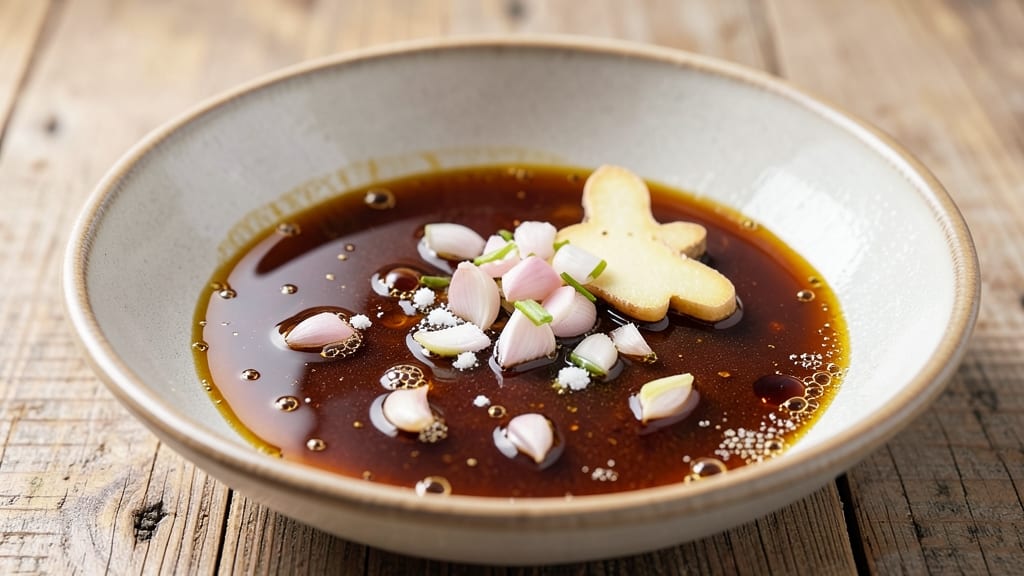
A perfect stir fry sauce recipe with soy sauce and brown sugar transforms simple ingredients into a one-pot umami-sweet masterpiece that elevates any dish.
The balance of salty, caramelized richness and aromatic depth comes together in just minutes, creating a sauce that clings beautifully to proteins and vegetables while delivering restaurant-quality flavor. This versatile recipe serves as the foundation for countless stir-fry creations, from classic beef and broccoli to crispy tofu and bell peppers.
The secret lies in the combination of soy sauce for that signature umami punch and brown sugar for natural sweetness that caramelizes during cooking. Fresh garlic and ginger add aromatic complexity, while a touch of cornstarch creates the perfect silky texture without overpowering the natural flavors.
Unlike store-bought versions, this sauce builds flavor through proper technique rather than artificial additives, making it infinitely more satisfying.
What you'll end up with is a glossy, aromatic sauce that coats every ingredient perfectly, creating a harmonious blend of sweet, salty, and savory notes. The best part? It comes together in a single pot with minimal effort, making it ideal for weeknight cooking or meal prep.
This sauce keeps well in the refrigerator for up to five days, allowing you to create multiple meals from one batch.
Whether you're cooking for two or feeding a crowd, this stir fry sauce adapts effortlessly to any stir-fry combination. The recipe scales perfectly, and the flavor only deepens as it sits, making it a pantry staple that will transform your home cooking.
Let's create this versatile sauce that will become your go-to for quick, flavorful meals.
Ingredients for stir fry sauce recipe soy sauce brown sugar
Nine simple ingredients transform into a restaurant-quality sauce that clings perfectly to stir-fry magic.
| Ingredient | Amount | Notes |
|---|---|---|
| Light Soy Sauce 🥢 | ½ cup | High-quality for authentic umami |
| Dark Soy Sauce 🥢 | ¼ cup | For deeper color and complexity |
| Light Brown Sugar 🍯 | ¼ cup | Packed, for caramelization |
| Fresh Garlic Cloves 🧄 | 4 cloves | Minced for aromatic punch |
| Fresh Ginger Root 🌿 | 1 ½ tbsp | Finely grated, not minced |
| Cornstarch 🌾 | 1 ½ tbsp | For silky texture |
| Sesame Oil 🫒 | 1 tbsp | Toasted for nutty aroma |
| Rice Vinegar 🍶 | 1 tbsp | For brightness and balance |
| Water 💧 | ½ cup | For thinning consistency |
| Red Pepper Flakes 🌶️ | ½ tsp | Optional for subtle heat |
The soy sauces are non-negotiable for that signature umami depth. Kikkoman light and Lee Kum Kee dark are my go-tos—they're widely available and pack serious flavor. Brown sugar isn't just sweetness; it caramelizes beautifully during cooking, adding that rich, molasses-like quality. For the garlic and ginger, fresh is essential—those powdered versions won't cut it here. If you're short on time, frozen ginger works (thaw and grate), but fresh has that zesty brightness. The cornstarch might seem like an afterthought, but trust me—it's what gives that silky, glossy finish without making the sauce gluey.
No light soy sauce? Double the dark soy sauce—it'll be richer but still delicious. Running out of brown sugar? Honey or maple syrup works in a pinch (reduce other liquids slightly), though the caramelization won't be identical. Sesame oil giving you sticker shock? Toasted sesame oil from Trader Joe's is the most affordable decent option. Skipping the red pepper flakes? No judgment—just leave them out. The vinegar can be swapped for apple cider vinegar if that's what you've got, but rice vinegar's mild tang is ideal. Pro tip: if your sauce seems too thick after simmering, add a splash of water or vinegar—it thins beautifully.
This sauce tastes even better the next day as flavors meld. Store it in an airtight container in the fridge for up to 5 days, or freeze for 3 months. I always double the batch—one for immediate use, one to freeze for lazy weeknights. The sauce reheats perfectly in the microwave or on the stove, though I prefer the stovetop for that glossy finish. For stir-fry, 2-3 tablespoons per serving is ideal—adjust based on how saucy you like your dishes. The leftovers? Perfect for drizzling over rice bowls or tossing with noodles.
Why You'll Love This Recipe
- Pantry Magic: I swear by this sauce—just five ingredients, no fancy prep. The dark soy gives that deep umami punch while the brown sugar caramelizes into something almost sweet-savory perfection. My lazy nights thank me every time.
- Garlic-Ginger Bomb: That fresh garlic and ginger? They’re the stars here. The moment they hit the pan, the whole kitchen smells like a dim-sum cart, and the sauce develops this layered depth—salty, sweet, with a slow-building warmth that sticks with you.
- Meal Prep MVP: This sauce keeps for weeks in the fridge, and it’s the secret weapon behind my freezer-friendly stir-fries. Toss it with thawed veggies or protein, and boom—dinner’s ready. Honestly, I make a big batch on Sundays just to avoid decision fatigue later.
- Budget Stretch: Light soy, dark soy, and brown sugar? All under $10 for enough to coat every stir-fry this month. I’ll be real: it’s the same combo my grandma used, and it’s how she fed six kids on a teacher’s salary. Works the same way now.
Step-by-step instructions for stir fry sauce with soy sauce and brown sugar
This one-pot sauce delivers a perfect balance of umami depth and caramelized sweetness—let's make it together.
Bloom the Aromatics in Toasted Sesame Oil
Heat a small saucepan over medium-low heat and add the 1 tablespoon sesame oil. Let it warm for 30 seconds until fragrant—you'll smell that nutty aroma immediately. This is the foundation of your sauce's depth.
Add the 4 cloves minced fresh garlic cloves and 1.5 tablespoons finely grated fresh ginger root. Cook for 1-2 minutes until the garlic turns golden and fragrant—don't let it brown or it'll turn bitter. I stir constantly here because ginger burns faster than you might expect. This aromatic base will carry through your entire sauce, so take your time with this step.
Build the Sauce Base with Soy Sauces and Sugar
Pour in the 0.5 cup light soy sauce and 0.25 cup dark soy sauce, stirring to combine with the aromatics. The dark soy sauce will add that beautiful mahogany color while maintaining the umami punch. Add the 0.25 cup packed light brown sugar and 1 tablespoon rice vinegar, stirring until the sugar dissolves completely.
Bring the mixture to a gentle simmer over medium heat. You'll see the sugars start to caramelize—this is where the magic happens. Let it bubble away for 3-4 minutes until the liquid reduces slightly and the sauce thickens just a bit. The color should deepen to a rich amber. If you see any sugar grains at the bottom, stir them in—they'll melt into the sauce as it cooks.
Thicken the Sauce with Cornstarch Slurry
In a small bowl, whisk together the 1.5 tablespoons cornstarch with the 0.5 cup water until completely dissolved. This creates a smooth slurry that will give your sauce that signature silky texture. Pour the slurry into the simmering sauce while stirring constantly.
Let the sauce cook for 2-3 minutes until it reaches your desired consistency. You want it thick enough to coat the back of a spoon but still pourable—this sauce should cling beautifully to your stir-fry. The cornstarch will transform the sauce from a thin glaze to a luscious, velvety coating. Taste and adjust seasoning if needed—you might want to add a pinch more sugar if you prefer it sweeter, or a splash more rice vinegar for brightness.
Finish with Optional Heat and Rest
Remove the pan from heat and stir in the 0.5 teaspoon red pepper flakes if you're using them. This adds just a hint of warmth that complements the umami and sweetness perfectly. Let the sauce sit off the heat for 1-2 minutes—this resting period allows all the flavors to meld together.
For best results, use the sauce immediately on your stir-fry. The heat from the wok or skillet will react with the cornstarch, giving it that perfect glossy finish. If you need to store it, let it cool completely and refrigerate for up to 5 days. When reheating, warm it gently over low heat, stirring occasionally to prevent it from thickening too much. This sauce is incredibly versatile—use it on noodles, meats, or even as a dipping sauce for dumplings.
Pro Tips For Making Stir Fry Sauce Recipe Soy Sauce Brown Sugar
- Bloom the Ginger First: Toss your ginger into the pan before the garlic—it’s tougher and needs a full 30 seconds to soften and release its aroma. I used to add it last and wondered why my sauce always tasted one-note; ginger’s heat melts its oils, and you lose that depth if you rush it.
- Balance the Soy Sauces: Dark soy sauce is for color, light for flavor—use them in a 1:3 ratio (1 tbsp dark to 3 tbsp light). I learned this after making a sauce that looked gorgeous but tasted flat; the dark version is salty and bitter if overused.
- Dissolve the Sugar Slowly: Add the brown sugar after the garlic and ginger have cooked for 2 minutes—this prevents clumping and lets it caramelize into the sauce. Stirring constantly helps, but don’t walk away; sugar burns faster than you think.
- Taste Before Adding Oil: Check your sauce’s saltiness before finishing with oil—sugar and soy sauce can trick your palate. A splash of water or extra light soy might be needed; I’ve fixed ruined sauces by adding just ½ tsp more salt at this stage.
Common mistakes when making your stir fry sauce recipe soy sauce brown sugar
Overcooking the Aromatics
Watch those garlic and ginger like a hawk—burnt aromatics turn bitter and ruin your sauce. I've seen this happen when people walk away or use high heat. Cook them over medium-low heat for just 1-2 minutes until fragrant but not browned.
The moment they turn golden, remove from heat immediately. This step is where the foundation flavor develops, so don't rush it. 🌿
Skipping the Cornstarch Slurry
Many home cooks try to thicken sauce by simply adding cornstarch directly to the pot, but this creates clumps that never dissolve properly. Always whisk the 1.5 tablespoons cornstarch with 0.5 cup water first to create a smooth slurry.
Pour it in slowly while stirring constantly. This ensures an even, glossy texture instead of a gluey mess. I've made this mistake too—trust me, the slurry method makes all the difference.
Using Subpar Soy Sauce
Not all soy sauces are created equal. Cheap, watered-down brands lack the deep umami flavor that makes this sauce sing. Invest in Kikkoman light soy sauce and Lee Kum Kee dark soy sauce—they're worth the extra few dollars.
The dark soy sauce adds both color and complexity that you can't get from generic store brands. I've tried making this sauce with budget soy sauces, and it's noticeably flatter in flavor. Quality ingredients make the difference here.
Ignoring the Caramelization Time
The brown sugar needs time to caramelize properly—don't rush this step. Let the sauce simmer gently for 3-4 minutes until it reduces and deepens in color. Skipping this step leaves your sauce tasting flat and one-dimensional.
The caramelization creates that molasses-like richness that balances the soy sauce's saltiness. If you're impatient, you'll miss out on the sauce's full potential flavor. Patience pays off here.
Adding Red Pepper Flakes Too Early
If you add the 0.5 teaspoon red pepper flakes while the sauce is still cooking, the heat can become overwhelming and bitter. Always stir them in at the very end, after removing the pan from heat.
This preserves their bright, fresh flavor rather than letting them cook down into something harsh. The last-minute addition creates that perfect balance of heat without overpowering the other flavors. 🌶️
Not Tasting as You Go
Many recipes don't emphasize this, but tasting your sauce during the process is crucial. After adding the cornstarch slurry, taste and adjust immediately. You might need a pinch more sugar for sweetness or a splash more rice vinegar for brightness.
Each kitchen has different conditions, so don't assume the recipe will be perfect as written. I always taste at least twice during the process—it's the only way to get it just right for your palate.
Nutrition facts
Frequently asked questions
Can I make this sauce without cornstarch?
The cornstarch gives that signature silky texture, but you can substitute 1 tablespoon arrowroot powder for a similar effect. For a corn-free version, reduce the sauce by simmering longer (10-15 minutes) until thickened naturally. Just know it won't be as glossy or cling to ingredients as well.
How much sauce should I use for a typical stir-fry?
Start with 2-3 tablespoons per serving for a balanced flavor. For example, 6 tablespoons works perfectly for a family-sized stir-fry (4 servings). Taste as you cook—the sauce intensifies when heated, so adjust to preference. The sauce thickens when chilled, so add a splash of water when reheating if needed.
What's the best way to store leftovers?
Let the sauce cool completely, then transfer to an airtight container. It keeps in the fridge for 5 days or freezes for 3 months. For reheating, warm gently over low heat with 1 tablespoon water to restore consistency. Freeze in ice cube trays for easy single-use portions—just pop one into your stir-fry at the end.
Can I use this sauce for other dishes besides stir-fry?
This versatile sauce works beautifully on grilled meats, noodle dishes, or as a dipping sauce for dumplings. For grilled chicken, brush it on during the last 5 minutes of cooking. For noodles, toss in 1-2 tablespoons per serving at the end. The balance of sweet and umami makes it perfect for marinades too—just thin with 1 tablespoon water first.
Why did my sauce turn out too salty?
This usually happens when using too much soy sauce or not balancing with enough sugar/vinegar. For each 0.5 cup soy sauce, use at least 0.25 cup brown sugar and 1 tablespoon vinegar. If it's already made, dilute with 1 tablespoon water or add a pinch of sugar to balance. Taste as you go—this sauce is highly adjustable!