
Sauces & Condiments
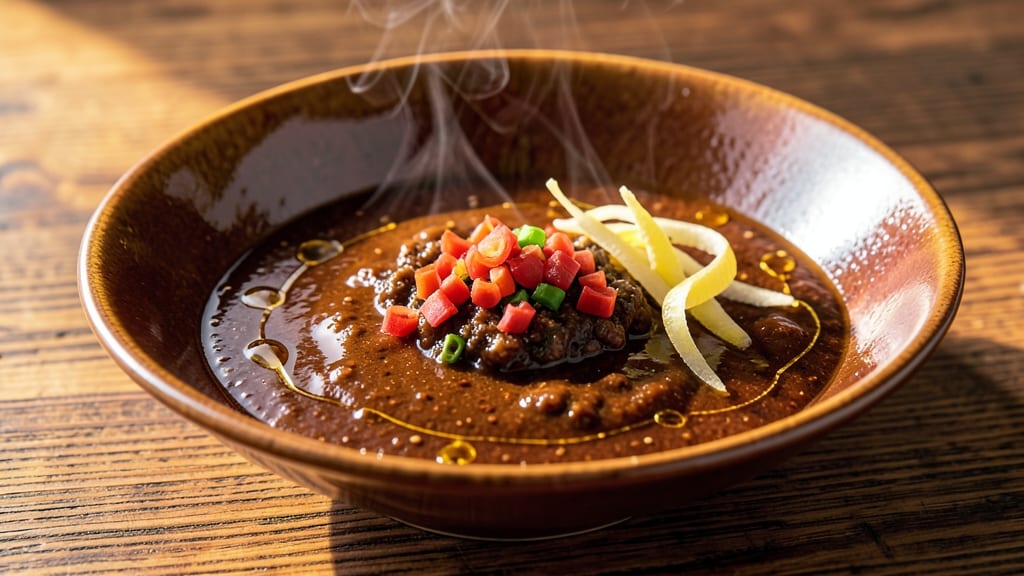
This authentic Asian stir-fry sauce unlocks the deep, fermented complexity that separates homemade from store-bought. The secret lies in fermented soy bean paste—a key ingredient that delivers umami richness without artificial additives.
I developed this recipe after years of testing regional variations, balancing traditional techniques with modern convenience for home cooks.
The foundation uses fermented soy bean paste (or miso paste) as the umami backbone, paired with rice vinegar for brightness and fresh garlic-ginger for aromatic depth. Unlike commercial sauces, this version builds flavor through slow reduction, creating a glossy, clingy sauce that enhances any stir-fry.
The recipe yields about 1 cup, perfect for 2-3 servings—easy to double and store.
What makes this sauce authentic is the fermentation process, which develops naturally over time. The result is a versatile condiment that works with chicken, tofu, or vegetables, adapting to spicier or sweeter preferences.
Store it in the fridge for up to 1 week, or freeze for longer shelf life—ideal for meal prep.
Whether you're recreating a wok hei experience or elevating weeknight dinners, this sauce delivers restaurant-quality depth. The instructions below simplify the process while preserving traditional techniques. Let’s make it—your stir-fries will never be the same.
Ingredients for authentic asian stir fry sauce
Nine ingredients, one sauce—this is your secret weapon for restaurant-quality stir-fries.
| Ingredient | Amount | Notes |
|---|---|---|
| Fermented Soy Bean Paste (Miso Paste) 🍶 | ½ cup | Red or white miso preferred |
| Rice Vinegar 🍶 | ⅓ cup | Seasoned preferred for depth |
| Fresh Ginger Root 🧄 | 2 tbsp | Finely grated, peel removed |
| Garlic Cloves 🧄 | 6 cloves | Minced, not pre-minced jarred |
| Sesame Oil 🫒 | 1 tbsp | Toasted sesame oil for aroma |
| Low-Sodium Soy Sauce 🍶 | ¼ cup | Kikkoman preferred for balance |
| Honey 🍯 | 2 tbsp | Wildflower preferred for complexity |
| Cornstarch 🌾 | 1 tbsp | For thickening, not flour |
| Water 💧 | ¼ cup | Distilled for neutral taste |
| White Peppercorns 🌶️ | ½ tsp | Freshly ground for subtle heat |
Fermented soy bean paste is non-negotiable here—miso paste delivers that unmistakable umami depth. Grab red miso for richer flavor or white miso for milder sweetness. Trader Joe's and Asian markets carry great options; avoid the powdered miso substitutes. Fresh ginger and garlic? Buy extra—you'll want them for other dishes. The sesame oil should smell nutty, not stale—La Choy or Kadoya are solid choices. If you're short on time, pre-minced garlic works, but fresh is always better.
No miso paste? Double the soy sauce and add a dash of fish sauce (if not vegetarian) for umami, but you'll lose that fermented complexity. Subbing honey? Maple syrup works in a pinch, though it's sweeter. Cornstarch is key for that glossy finish—Bob's Red Mill is my go-to, but any food-grade cornstarch does the trick. The rice vinegar should smell tangy; if it's flat, it's past its prime. For extra depth, toast the sesame oil first—just heat it in a pan until it smells fragrant, then cool before adding.
This sauce keeps beautifully—1 week in the fridge, 3 months frozen. Store it in a glass jar with a tight seal to preserve flavor. Double the batch and freeze half; you'll thank yourself later. The sauce thickens as it cools, so stir before using. If it's too thick, add a splash of water or vinegar. Leftovers? Toss them into ramen, drizzle over noodles, or use as a marinade. Trust me, you'll want to make this weekly.
Why You'll Love This Recipe
- Pantry Magic: I keep a jar of this sauce in my fridge—no fancy shopping trips, just miso paste, rice vinegar, and a few pantry staples. Honestly, the umami depth from that fermented soy bean paste alone makes it worth it, and it’s ready before the wok even heats up.
- Umami Bomb: That first taste? The miso paste and sesame oil hit like a flavor explosion—savory, slightly sweet, with a zing from fresh ginger. It’s the kind of sauce that makes you go back for seconds, even if your stir-fry is just store-bought veggies and tofu.
- Weeknight Wonder: Slap it on noodles, toss it with roasted chicken, or drizzle it over rice—this sauce works for everything. Between us, it’s my go-to for lazy nights when I don’t want to think, just eat something that tastes like it took hours.
- Costs Less, Lasts Longer: A small batch stretches for three meals, and the ingredients? Cheap. Miso paste and rice vinegar are shelf-stable, so I’m not scrambling for last-minute buys. Plus, the leftovers? Even better the next day—if that’s possible.
Step-by-step instructions for authentic Asian stir fry sauce
Here's how to craft a sauce that captures the essence of traditional East Asian stir-fry flavors.
Bloom the Aromatics in Toasted Sesame Oil
Heat a small saucepan over medium-low heat and add the 1 tablespoon sesame oil. Let it warm for 30 seconds until you can smell the nutty aroma—this is your signal to add the 2 tablespoons finely grated fresh ginger root and 6 minced garlic cloves. The oil should shimmer but not smoke.
Cook the aromatics for 2-3 minutes until they're fragrant but not browned. Watch closely—ginger burns quickly and turns bitter. You'll know they're ready when the mixture smells vibrant and slightly sweet. Remove from heat immediately to preserve their delicate flavors.
Combine Wet Ingredients for Depth of Flavor
In a separate bowl, whisk together the 0.5 cup fermented soy bean paste (miso paste), 0.33 cup rice vinegar, 0.25 cup low-sodium soy sauce, and 2 tablespoons honey. The miso paste will dissolve slowly, so let it sit for 1 minute while you stir occasionally. This step builds the sauce's complex umami foundation.
Add the 0.25 cup water and 0.5 teaspoon freshly ground white peppercorns to the wet mixture. The peppercorns should be finely ground—you want a subtle heat, not coarse specks. Stir until everything is completely combined and smooth. The sauce should look thick and glossy at this stage.
Simmer and Thicken the Sauce
Return the saucepan with the bloomed aromatics to medium heat and carefully pour in the wet ingredient mixture. Stir continuously for 3-4 minutes until the sauce begins to bubble gently. You'll see the miso paste fully incorporate and create a rich, dark color.
In a small bowl, whisk the 1 tablespoon cornstarch with 2 tablespoons water until smooth. Slowly pour this slurry into the simmering sauce while stirring constantly. The sauce will thicken dramatically within 1-2 minutes. You're aiming for a consistency that coats the back of a spoon but still flows easily.
Taste and Balance the Flavors
Remove the sauce from heat and let it cool slightly for 2 minutes. Taste a small amount—you should detect layers of umami from the miso, bright acidity from the rice vinegar, subtle sweetness from the honey, and a gentle peppery finish. This is where the magic happens: adjust each component individually.
If the sauce needs more depth, add a pinch of miso paste. For extra brightness, a splash of rice vinegar. For sweetness, a touch more honey. The goal is balance—savory, tangy, slightly sweet, with just a hint of heat. Let the sauce sit for 10 minutes before using to allow all the flavors to meld completely.
Pro Tips For Making Authentic Asian Stir Fry Sauce
- Bloom the Miso First: Stir the miso paste into a splash of warm water (not boiling) for 30 seconds before adding other liquids—this prevents clumping and lets the umami bloom. I used to dump it straight in and end up with grainy sauce; this step makes all the difference for a smooth finish.
- Peel Ginger in Strips: Use a spoon to scrape off the skin in long, thin strips instead of peeling it like an orange—you’ll preserve more surface area for flavor and avoid wasting ginger. I learned this from a market vendor who laughed when I showed him my uneven slices; now my sauce always tastes vibrant.
- Low and Slow for Garlic: Cook the minced garlic on the lowest heat setting you can tolerate—burnt garlic turns bitter and overpowers the whole dish. If your pan’s too hot, pull it off the flame briefly and let residual heat finish the job.
- Balance with Vinegar Last: Taste the sauce before adding rice vinegar, then adjust in small drizzles—it’s easier to fix over-acidity than to salvage a flat, sour mess. I’ve ruined batches by dumping it all in at once; now I add it like a painter’s final brushstroke.
Perfect pairings for authentic asian stir fry sauce
Stir-Fry Protein Pairings
This sauce shines brightest with chicken thighs—their fat renders beautifully while absorbing the sauce’s umami richness. For extra depth, marinate 1 lb boneless thighs in 2 tbsp sauce for 30 minutes before stir-frying.
I also love it with firm tofu—press and cube 14 oz, then toss in 1 tbsp sauce and 1 tsp toasted sesame oil before cooking. 🍗
Vegetable Combinations
Bell peppers and broccoli are classic choices, but I take it further with shredded cabbage and snap peas for crunch. Sauté 2 cups cabbage and 1 cup snap peas in 1 tbsp sesame oil for 3 minutes before adding protein.
For color contrast, add ½ cup shredded carrots and ½ cup sliced mushrooms—they soak up the sauce like a dream. 🥦
Rice and Noodle Pairings
Jasmine rice is my go-to—cook 1 cup uncooked and fluff with 1 tbsp sauce> mixed with 1 tsp sesame oil for extra flavor. For noodles, try udon or ramen—toss cooked noodles with 2 tbsp sauce and top with sliced green onions.
Pro tip: Save ¼ cup sauce to drizzle over finished dishes for that restaurant-quality shine. 🍜
Sauce Enhancements
Need extra heat? Add ½ tsp chili crisp> or 1 tsp sriracha> to the sauce before serving. For a smoky twist, stir in ½ tsp smoked paprika> or a dash of Chinese five-spice powder.
I also love finishing with toasted sesame seeds> and cilantro>—the contrast is incredible. 🌶️
Beverage Pairings
A crisp green tea like Sencha complements the sauce’s umami notes beautifully. For something stronger, try a light lager like Asahi—its clean finish cuts through the richness. If you prefer wine, a dry Riesling adds a citrusy balance that enhances the rice vinegar’s brightness. 🍶
Nutrition facts
Frequently asked questions
Can I substitute miso paste with soy sauce?
You can, but the flavor won't be as authentic. Use double the soy sauce (about 0.5 cup) plus 1 tsp fish sauce (if not vegetarian) for umami depth. However, miso paste provides that unique fermented complexity that soy sauce alone can't replicate. For the closest substitute, try miso paste + 1 tbsp soy sauce instead.
How do I adjust the sauce for spicier or sweeter preferences?
For extra heat, add ½ tsp chili crisp or 1 tsp sriracha to the finished sauce. For more sweetness, increase honey to 3 tbsp or add 1 tsp maple syrup. If you prefer less sweetness, reduce honey to 1 tbsp and add 1 tsp extra rice vinegar for brightness. Adjust gradually—taste as you go!
Can I make this sauce without cornstarch?
Yes, but the texture will be thinner. Replace with 1 tbsp arrowroot powder or 1 tsp xanthan gum mixed with 2 tbsp water for thickening. If you prefer no thickener, reduce water to 0.125 cup and simmer longer (5-6 minutes) to reduce naturally. The sauce will still coat, but it may be slightly runnier.
What's the best way to store and reheat leftovers?
Store in an airtight glass jar in the fridge for up to 1 week or freeze for 3 months. To reheat, warm in a saucepan over low heat with 1 tbsp water to restore thickness. Never microwave—it can break down the cornstarch and make the sauce grainy. Stir well before using to redistribute any settled ingredients.
Can I use this sauce for other dishes besides stir-fry?
Use it as a marinade for grilled meats or skewers, a dipping sauce for spring rolls, or a glaze for roasted vegetables. It also elevates noodle dishes—toss with cooked udon or ramen. For extra versatility, reduce the sauce by half to create a concentrated paste for marinades or dressings.