
Sauces & Condiments
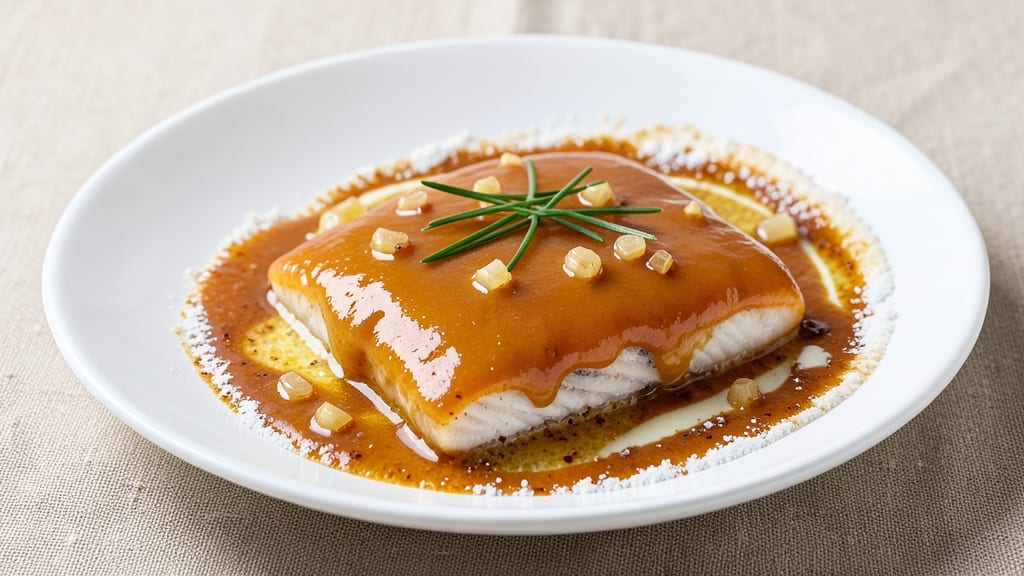
This perfect sauce mornay recipe transforms simple pantry staples into a velvety, cheesy sauce that elevates everything from mac and cheese to grilled fish. The secret lies in a flawless roux base—no lumps, no breaking—just rich, emulsified perfection that clings beautifully to any dish.
I’ve tested this sauce countless times, and it never fails to impress, even with picky eaters.
The foundation starts with equal parts butter and flour cooked to a deep golden color, creating that essential roux that holds the sauce together. Then comes the milk, added slowly to prevent curdling, before folding in sharp Gruyère or Comté for that signature nutty, melty flavor.
The key is patience—rushing this step is how most home cooks end up with a broken sauce.
What you’ll end up with is a silky, creamy sauce that’s neither too thick nor too thin, with just the right balance of tang and richness. It’s the kind of sauce that makes weeknight dinners feel like a restaurant meal, without the fuss.
Once you master this technique, you’ll never buy store-bought sauce again.
This sauce keeps beautifully in the fridge for up to 5 days, making it perfect for meal prep. Use it to drizzle over roasted vegetables, toss with pasta, or smother grilled chicken. The possibilities are endless, and the results are always restaurant-quality. Let’s get started!
Ingredients for sauce mornay
Pantry staples meet restaurant-quality cheese for this velvety sauce mornay recipe.
| Ingredient | Amount | Notes |
|---|---|---|
| Unsalted Butter 🧈 | ½ cup | Cold, cubed for roux |
| All-Purpose Flour 🌾 | ½ cup | Sifted for smooth sauce |
| Whole Milk 🥛 | 2 cups | Room temperature preferred |
| Gruyère Cheese 🧀 | 1 ½ cups | Freshly grated, sharp |
| Comté Cheese 🧀 | ½ cup | Freshly grated, nutty |
| Yellow Onion 🧅 | ½ whole | Finely diced, small |
| Garlic Cloves 🧄 | 2 cloves | Minced, fresh preferred |
| Dijon Mustard 🍯 | 1 tbsp | For tangy depth |
| Dry White Wine 🍷 | ¼ cup | Substitute with milk |
| Salt 🧂 | ½ tsp | Kosher or sea salt |
| Ground Black Pepper 🌶️ | ¼ tsp | Freshly ground |
The cheese is non-negotiable—Gruyère and Comté give that signature nutty, melty flavor. Grab a wedge from Whole Foods or your local cheese shop; pre-shredded just won’t cut it. For the butter, Plugrá or Land O’Lakes unsalted work perfectly—never use salted here. The flour? King Arthur all-purpose is my go-to for that silky texture. If you’re short on Gruyère, Parmesan in a pinch (but it won’t be the same). The onion and garlic? Fresh, not powdered—they’re the secret to building that deep, savory base.
No white wine? Substitute with extra milk—just reduce the milk by 0.25 cup. Short on Gruyère? Sharp cheddar at half the amount works in a bind. The mustard is key for that tang—Dijon is non-negotiable, but if you’ve only got yellow mustard, use it sparingly. For the roux, low and slow is critical—rushing leads to lumps. If you burn it once, just start over. The sauce thickens as it cools, so stop when it’s just barely coating the back of a spoon. Trust the process.
This sauce is a meal-prep dream—5 days in the fridge or 3 months frozen. Portion into ice cube trays for easy single-use servings later. If it thickens too much when reheating, just whisk in a splash of milk. The cheese sauce gets even better the next day as the flavors meld. Double the batch—you’ll want leftovers for pasta, roasted veggies, or grilled fish. Store in airtight containers with parchment between layers to prevent a skin from forming.
Why You'll Love This Recipe
- Five-Ingredient Magic: I swear by this—just butter, flour, milk, and two cheeses. That’s it. No chopping, no fancy gadgets, just a sauce that feels like a hug in your mouth.
- Nutty Creamy Bliss: Gruyère and Comté melt into something ridiculously rich—think sharp, toasty, and velvety all at once. Honestly, I’d eat it straight from the pan if my kids let me.
- Weeknight to Dinner Party: Slap it on chicken, fish, or even mashed potatoes—it’s my secret weapon for making simple meals feel fancy. (Yes, even on a Tuesday night.)
- Leftovers That Don’t Suck: This sauce actually improves the next day—thicker, deeper, and perfect for reheating. I make a double batch just so I can drizzle it on toast later.
Step-by-step instructions for sauce mornay
This velvety cheese sauce delivers restaurant-quality richness every time—here's how to nail it.
Build a Golden Roux Foundation
Melt the 0.5 cup unsalted butter in a medium saucepan over medium-low heat. Once fully melted, immediately whisk in the 0.5 cup all-purpose flour to form a paste. This is your roux—the backbone of your sauce—and it needs constant attention.
Cook the mixture for 3-4 minutes, stirring vigorously with a wooden spoon or whisk. You're looking for a deep golden brown color that smells nutty and toasty. This indicates the raw flour taste has fully cooked off. If it darkens too quickly, reduce the heat slightly—burnt roux ruins everything. Here's the thing: a perfect roux takes patience, but it's worth every minute for that velvety finish.
Slowly Incorporate the Milk
Gradually whisk in the 2 cups whole milk, adding it 1 tablespoon at a time at first. This slow introduction prevents lumps from forming. Once the mixture begins to thicken slightly, you can pour the remaining milk more quickly while stirring continuously.
Bring the sauce to a gentle simmer over medium heat and cook for 5-7 minutes, stirring frequently. The sauce should thicken noticeably and coat the back of a spoon. If it gets too thick too soon, whisk in 1-2 tablespoons of milk to adjust the consistency. This is where your sauce starts transforming from basic béchamel to something extraordinary.
Add Aromatics and Wine
Stir in the finely diced 0.5 whole yellow onion and minced 2 cloves garlic, cooking for 2-3 minutes until softened and fragrant. The onions should become translucent, and you should smell that sweet, caramelized aroma—this builds flavor depth.
Pour in the 0.25 cup dry white wine (or milk if substituting) and simmer for 1-2 minutes until the alcohol smell completely dissipates. This deglazing step captures all those browned bits from the pan, adding complexity. Taste the sauce at this point—it should be smooth and flavorful, but we're not done yet.
Cheese It Up Right
Reduce heat to low and begin adding the 1.5 cups freshly grated Gruyère cheese and 0.5 cup freshly grated Comté cheese in small increments. Stir vigorously after each addition to prevent clumping. The cheese should melt completely, creating a luxurious, creamy texture.
Season with the 1 tbsp Dijon mustard, 0.5 tsp salt, and 0.25 tsp freshly ground black pepper. The mustard adds that signature tang that elevates this sauce from ordinary to extraordinary. Taste and adjust seasoning—this is your final flavor check. The sauce should be perfectly balanced: rich, slightly tangy, and well-seasoned.
Finish and Serve Warm
Keep the sauce warm over low heat (or transfer to a double boiler if needed) until ready to serve. The sauce will continue to thicken slightly as it sits, so if it becomes too thick, whisk in 1 tablespoon of milk to restore that perfect velvety consistency.
This sauce is perfect for croque monsieur, baked potatoes, or even as a creamy pasta sauce. The key is using freshly grated cheese—pre-shredded cheese contains anti-caking agents that prevent smooth melting. Serve immediately while warm and creamy, and watch how it transforms any dish into something special.
Pro Tips For Making Sauce Mornay
- Whisk Butter First: Melt the butter completely before adding flour—no chunks, no excuses. I used to toss in cold butter and wondered why my sauce clumped like lumpy glue. A minute of patience here means a silky finish.
- Grater Matters: Skip the food processor for cheese—freshly grating Gruyère and Comté makes a real difference. Pre-shredded cheese hides too much starch, and your sauce will taste like it’s fighting a losing battle against dryness.
- Low and Slow: After adding milk, drop the heat to medium-low and stir like you’re painting a fence. Rushing it turns your sauce into glue; patience here keeps it velvety. (Yes, even if you’re impatient like me.)
- Salt the Cheese: Taste the grated cheese before adding it to the sauce—it’s often unsalted, and you’ll need to compensate later. I learned this the hard way after a bland sauce that needed a whole extra pinch of salt at the end.
Perfect pairings for this sauce mornay
Classic Pairings
This sauce mornay shines brightest with creamy mac and cheese—the ultimate comfort food combo. I love tossing it with cavatappi pasta and sharp cheddar for a Boston-style twist. The Gruyère and Comté in the sauce add depth that cuts through the richness.
For a lighter option, try it with roasted Brussels sprouts—the sauce's tangy notes balance their bitterness beautifully. 🥗
Protein Perfection
Sauce mornay transforms simple grilled chicken breasts into a restaurant-worthy dish. Drizzle it over pan-seared scallops for a luxurious seafood presentation. I once served it with herb-crusted pork chops at a dinner party, and it disappeared faster than my famous garlic bread.
The sauce's velvety texture clings perfectly to proteins, making every bite decadent.
Vegetable Elevation
Roasted asparagus spears become irresistible with this sauce spooned on top. Try it with cremini mushrooms sautéed in garlic butter—it's like a cheesy hug for your veggies.
For a hearty option, smother baked sweet potatoes with sauce mornay and top with crispy bacon bits. The sauce's richness makes vegetables feel indulgent without the guilt.
Breakfast Star
This sauce isn't just for dinner—it's a breakfast game-changer. Pour it over scrambled eggs with a sprinkle of chives for a New England-style brunch. I've also used it as a pancake topping with maple syrup and walnuts.
The cheese sauce adds a savory contrast that makes sweet breakfasts feel more sophisticated. Trust me, your morning routine will never be the same. 💫
Global Twists
For a French bistro vibe, serve it with croque monsieur—toasted ham and cheese sandwiches smothered in sauce mornay. In Italy, it becomes gnocchi alla sorrentina when paired with potato dumplings.
I once made a sauce mornay risotto by stirring it into Arborio rice at the end—it was creamy perfection. The sauce adapts beautifully to different cuisines while keeping its signature richness.
Dessert Surprise
Yes, you read that right—this sauce works for dessert! Drizzle it over warm apple crisp for a cheesy-sweet contrast. I've also used it as a chocolate fondue dip for strawberries and pound cake.
The salty cheese balances the sweetness perfectly. It's a fun way to repurpose leftovers that your guests will never expect. 🍫
Nutrition facts
Frequently asked questions
Can I substitute Gruyère or Comté with another cheese?
Yes, but the flavor will change. For a similar nutty profile, try Parmesan (use 1 cup extra-sharp) or Emmental. If you're in a pinch, sharp cheddar works but lacks the depth. Avoid pre-shredded cheese—it contains anti-caking agents that prevent smooth melting. The key is freshly grated cheese for that signature velvety texture.
Why did my sauce mornay turn out lumpy?
Lumps usually happen when adding milk too quickly or not whisking constantly. Always add milk 1 tablespoon at a time at first, whisking vigorously between additions. If lumps appear, blend the sauce briefly with an immersion blender. For next time, keep heat low and stir continuously—patience prevents lumps!
How do I make this sauce ahead of time?
This sauce keeps beautifully! Store in an airtight container in the fridge for up to 5 days. For longer storage, freeze in ice cube trays for easy single-use portions. Thaw overnight in the fridge and whisk in 1 tablespoon milk if it thickens too much. The flavors actually improve overnight as they meld.
Can I make sauce mornay without wine?
Simply reduce the milk by 0.25 cup to maintain balance. The wine adds depth but isn't essential. If you prefer, use chicken or vegetable broth instead for a different flavor profile. The key is maintaining the proper ratio of liquid to roux for that perfect consistency.
What's the secret to getting that perfect velvety texture?
The secret lies in three things: low and slow heat, constant whisking, and freshly grated cheese. Cook the roux to a deep golden color (not brown), add milk gradually, and whisk until smooth. The cheese should melt completely over low heat—never high. This patience creates that restaurant-quality velvety finish.