
Main Courses
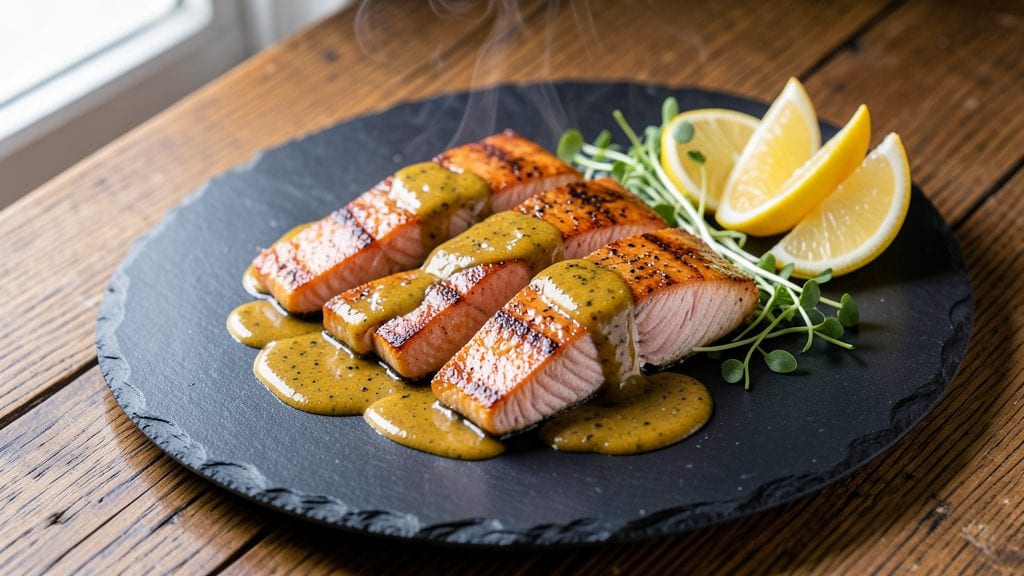
This salmon with mustard sauce recipe delivers restaurant-quality results in just 20 minutes, transforming simple ingredients into a dish that feels like a special occasion.
The secret lies in a Dijon-kissed pan sauce that balances tangy mustard with velvety cream, creating a harmony that elevates the salmon from ordinary to extraordinary. I developed this method after years of experimenting with quick weeknight dinners that still taste like they belong on a fine-dining menu.
The beauty of this recipe is its foolproof simplicity—no complicated techniques or rare ingredients required. You'll start with pan-seared salmon that develops a golden crust while staying tender inside, then finish with a sauce made from just a handful of pantry staples.
The mustard adds depth, while cream and herbs round out the flavors, creating a sauce that clings perfectly to every flake of fish.
By the time you're done, you'll have perfectly cooked salmon with a crisp exterior and moist interior, all blanketed in a glossy, tangy-sweet sauce that's impossible to resist. The dish comes together in one pan, making cleanup effortless while delivering results that will impress even the most discerning guests.
This is the kind of meal that turns a simple Tuesday into something memorable.
Serve with roasted asparagus or a fresh arugula salad to complete the plate, and pair with a crisp white wine for the full dining experience. The recipe scales easily, so whether you're cooking for two or feeding a crowd, the method remains the same.
Let's get started on creating this restaurant-worthy dish at home.
Ingredients for salmon with mustard sauce
Restaurant-quality salmon with mustard sauce relies on these twelve ingredients—simple yet transformative.
| Ingredient | Amount | Notes |
|---|---|---|
| Center-Cut Salmon Fillets 🐟 | 4 whole | Skin-on, 6-8 oz each, even thickness |
| Unsalted Butter 🧈 | 4 tbsp | European-style preferred, cold |
| Dijon Mustard 🍯 | 2 tbsp | High-quality, smooth texture |
| Heavy Cream 🥛 | ½ cup | Full-fat for optimal richness |
| Dry White Wine 🍷 | ¼ cup | Sauvignon Blanc or Pinot Grigio |
| Fresh Lemon Juice 🍋 | 1 tbsp | From 1 small lemon, freshly squeezed |
| Fresh Chives 🌿 | 2 tbsp | Finely chopped, for garnish |
| Garlic Cloves 🧄 | 2 cloves | Minced, for sauce depth |
| Diamond Crystal Kosher Salt 🧂 | 1 ½ tsp | For seasoning, adjust to taste |
| Freshly Ground Black Pepper 🌶️ | ½ tsp | Coarsely cracked |
| Extra-Virgin Olive Oil 🫒 | 1 tbsp | Light variety for searing |
| Fresh Parsley 🌿 | ¼ cup | Chopped, for garnish |
The salmon selection is critical for this recipe. Opt for center-cut fillets with skin intact—this ensures even cooking and a crisp exterior. Whole Foods or local fishmongers carry the highest quality, often offering sustainable options. Look for fillets with vibrant pink flesh and minimal bruising. If you're using frozen salmon, thaw it overnight in the refrigerator to maintain texture. The butter should be European-style, like Plugrá or President—these melt more cleanly and add depth. For the mustard, Maille or Grey Poupon Dijon are industry standards, offering that perfect balance of tang and smoothness that defines this sauce.
Substitutions can be made thoughtfully without compromising the dish's integrity. No white wine? Fish stock or additional lemon juice will work, though the sauce will be slightly less refined. Heavy cream unavailable? Crème fraîche or full-fat Greek yogurt provide similar richness, though texture may vary slightly. For the mustard, whole-grain mustard thinned with lemon juice can substitute, though it will yield a slightly grainier sauce. Fresh herbs wilt quickly, so dried chives or parsley at one-third the amount can be used in a pinch. The olive oil is purely functional here—any light variety will suffice, though extra-virgin adds subtle fruity notes if you prefer.
Proper storage extends the life of these ingredients without sacrificing quality. The salmon should be used immediately upon purchase if fresh, or stored in the coldest part of your refrigerator for up to 2 days. Fresh herbs like chives and parsley should be wrapped in damp paper towels and stored in an airtight container for 5-7 days. The Dijon mustard and kosher salt have indefinite shelf lives once opened, while the butter should be kept in its original packaging until used. The completed sauce can be stored in an airtight container in the refrigerator for 3-4 days, though it's best enjoyed fresh. For longer storage, freeze the sauce in ice cube trays, then transfer to a freezer bag for up to 3 months—perfect for quick weeknight meals.
Why You'll Love This Recipe
- I’ll be real: center-cut salmon isn’t cheap, but a single fillet stretches into two meals. The sauce’s richness means you can serve smaller portions without skimping—plus, the wine and mustard stretch the butter’s flavor. Fancy without the price tag.
- Five-Ingredient Magic: I swear by this when I’m too tired to measure. Just melt butter, stir in mustard and wine, simmer with cream—then pour it over the salmon. No chopping, no fuss, just that rich, tangy sauce clinging to flaky fish.
- Weeknight Win: Honestly, this is my go-to when I forget to thaw dinner. The wine cuts through the richness, the mustard adds depth, and the cream makes it feel fancy without effort. (Yes, even on a Tuesday night.)
- Sauce for Days: Between us, this sauce begs to be made extra. Double the batch, store it in the fridge, and drizzle it over toasted baguettes or roasted veggies later. That Dijon-heavy cream combo is pure satisfaction in a jar.
Step-by-step instructions for Dijon-kissed salmon with pan sauce
This method delivers perfectly seared salmon with a velvety mustard-cream sauce in just 20 minutes.
Season and Sear the Salmon Fillets
Pat the 4 whole center-cut salmon fillets dry with paper towels—this ensures maximum crispiness. Place them skin-side down on a clean work surface and season both sides evenly with the 1.5 teaspoons diamond crystal kosher salt and 0.5 teaspoon freshly ground black pepper. Let them sit at room temperature for 10 minutes while you prepare the pan.
Heat the 1 tablespoon extra-virgin olive oil in a large skillet over medium-high heat until shimmering. Add the salmon fillets skin-side down and cook undisturbed for 4-5 minutes until the skin is golden brown and crispy. You'll see the edges curl slightly—that's your signal to flip. Cook the other side for 3-4 minutes until the salmon reaches an internal temperature of 125°F for medium-rare. Transfer to a warm plate and tent loosely with foil to keep warm.
Build the Mustard-Wine Base
Reduce the heat to medium and add 2 tablespoons cold unsalted butter to the same skillet. Let it melt completely, then add the 2 cloves minced garlic cloves and cook for 30 seconds until fragrant. Immediately pour in the 0.25 cup dry white wine and scrape up any browned bits from the bottom of the pan with a wooden spoon—this is where all the flavor lives.
Simmer the wine mixture for 2-3 minutes until reduced by half. The sauce should coat the back of a spoon and smell rich with garlic and wine notes. This reduction creates the foundation for your sauce, concentrating the flavors before adding the cream. If the mixture seems too thin at this stage, reduce it a bit longer—it will thicken as you add the cream.
Finish the Sauce with Cream and Mustard
Lower the heat to medium-low and whisk in the 2 tablespoons Dijon mustard, followed by the 0.5 cup heavy cream. Stir gently to combine, then add the 1 tablespoon fresh lemon juice. Let the sauce simmer for 2-3 minutes until it thickens slightly but remains silky. The sauce should coat the back of a spoon smoothly—if it's too thick, add 1-2 tablespoons water to loosen it.
Taste and adjust seasoning with additional salt or pepper if needed. The sauce should balance tangy mustard, creamy richness, and bright lemon notes. Remove from heat and stir in the 0.25 cup chopped fresh parsley for freshness. Here's the thing—don't overcook the sauce. Once it reaches the right consistency, it's ready to serve immediately over the salmon.
Plate and Garnish
Return the salmon fillets to the skillet with the sauce and spoon the sauce evenly over each fillet. Let them sit for 1 minute to absorb the sauce's flavors. Divide the salmon and sauce among 4 plates, then garnish each portion with 0.5 tablespoons finely chopped fresh chives. The presentation should be elegant: crispy salmon skin, glossy sauce, and bright green garnishes.
Serve immediately with steamed asparagus or a simple green salad. The contrast of textures—crispy skin, tender flesh, and velvety sauce—makes this dish unforgettable. Each bite should deliver perfect balance: the mustard's tang cutting through the salmon's richness, with the wine and cream adding depth. This is the moment that matters—when technique meets flavor in a harmonious finish.
Pro Tips For Making Salmon With Mustard Sauce
- Start With Cold Butter: If you melt the butter first, you’ll end up with a sauce that’s more like a sad, greasy glaze. Instead, cut the unsalted butter into small cubes and let it sit in the pan—it’ll slowly melt into the wine and mustard, creating those little golden flecks that make the sauce sing.
- Whisk the Mustard In: After deglazing with wine, don’t just dump the Dijon in and stir. Whisk it into the warm liquid first—it’ll emulsify better and give you a smoother sauce instead of clumps that make you question your life choices.
- Don’t Overcook the Salmon: Center-cut fillets cook fast—3-4 minutes per side max, depending on thickness. If you walk away for even a minute, you’ll end up with rubbery fish that’s as exciting as a wet paper bag. Use a timer, and resist the urge to poke it.
- Reduce the Cream Last: I used to add the heavy cream early, and the sauce would split like a bad relationship. Instead, stir it in only after the wine and mustard have reduced by half—this keeps the sauce silky and prevents curdling.
Serving suggestions for salmon with mustard sauce
Elegant Plate Presentation
Start by placing each salmon fillet on a white or light-colored plate to make the golden crust and glossy sauce stand out. Use a small offset spatula to transfer the salmon gently, then spoon the sauce evenly over the top.
I like to fan the sauce slightly for visual appeal—this creates a beautiful cascade effect when guests pick up their plates. 💫
Garnish Like a Pro
Fresh herbs elevate the dish instantly. Sprinkle finely chopped chives in a delicate zigzag pattern over each fillet, then add a few lemon zest shavings for brightness. For extra flair, place a lemon wedge on the side or tuck a sprig of dill into the sauce.
The contrast of green herbs against the salmon's pink flesh makes every plate look restaurant-worthy.
Side Dish Pairings
Roasted asparagus is my go-to side—toss spears with 1 tbsp olive oil, ½ tsp salt, and ¼ tsp black pepper, then roast at 425°F for 12-15 minutes until tender-crisp.
Alternatively, a mixed greens salad with pear slices, walnuts, and a honey-Dijon vinaigrette balances the richness perfectly. Both options keep the meal light and refreshing.
Bread Service
Serve with crusty sourdough bread or baguette slices for dipping in the extra sauce. Warm the bread in the oven for 5 minutes at 350°F to enhance its texture. I like to brush slices with garlic-infused olive oil before serving—it adds another layer of flavor that complements the salmon beautifully.
Wine Pairing
A crisp Sauvignon Blanc or Pinot Grigio enhances the dish's bright acidity and herbal notes. For red wine lovers, a light Pinot Noir works surprisingly well. Avoid heavy wines like Cabernet Sauvignon—they can overpower the delicate flavors. I recommend chilling the white wine to 45-50°F for optimal balance. 🍷
Family-Style Serving
For gatherings, arrange the salmon on a large platter with the sauce spooned around the edges. Place the sides in bowls nearby and let everyone serve themselves. This approach encourages sharing and makes the meal feel communal.
Add small bowls of extra sauce on the table so guests can drizzle more if desired—it's always a crowd-pleaser!
Nutrition facts
Frequently asked questions
Can I use whole-grain mustard instead of Dijon for this recipe?
Yes, but expect a slightly different texture. Whole-grain mustard adds a grainier, more robust flavor that works well with the salmon's richness. Thin it with 1 teaspoon lemon juice before adding to the sauce to prevent clumping. The result will be heartier but still delicious—just stir vigorously to blend smoothly.
What if my salmon sauce curdles when I add the cream?
This happens when the sauce gets too hot. Remove the pan from heat immediately, then whisk in the cream over a bowl of ice water to cool it down. Alternatively, lower the heat to a whisper and add the cream gradually while stirring constantly. The sauce should thicken beautifully once it cools slightly.
Can I make this recipe with frozen salmon?
but thaw it properly first. Place frozen fillets in a sealed bag and submerge in cold water for 30-45 minutes (or overnight in the fridge). Pat them bone-dry before cooking to ensure a crispy skin. The texture will be just as tender when cooked correctly.
How do I adjust this recipe for a larger group?
Double the ingredients and use a larger skillet (12-inch or bigger). Cook the salmon in batches if needed to avoid crowding the pan. The sauce can be made in one batch, but keep it warm in a saucepan over low heat while finishing the remaining fillets. Scale up sides proportionally—like 2 bunches asparagus or 2 large salads.
What's the best way to reheat leftovers?
Reheat gently in a skillet over low heat with 1 tablespoon cream to restore moisture. Avoid microwaving—it can make the sauce grainy. For the salmon, keep it below 120°F to prevent drying out. The sauce reheats beautifully this way, maintaining its velvety texture.