
Sauces & Condiments
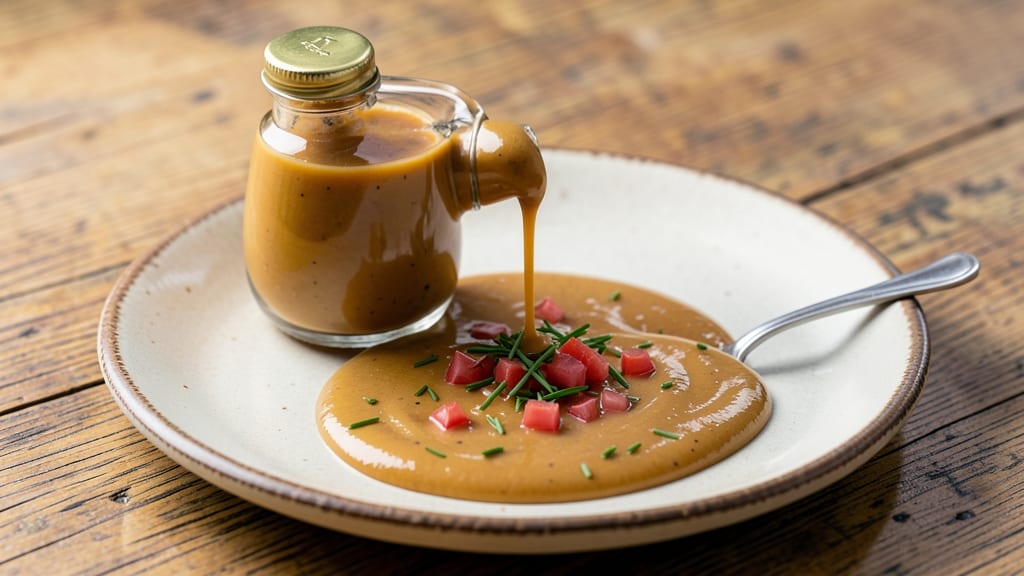
This Salisbury steak sauce recipe transforms simple pantry staples into a rich, velvety condiment that elevates roasted meats and vegetables to restaurant quality. 💛 The secret lies in balancing mustard’s tang with anchovies’ umami depth, all bound together in a smooth, creamy sauce that’s equal parts comforting and sophisticated.
What makes this sauce special is its versatility—it works as a finishing drizzle for roasted chicken, a glaze for fish, or even a dip for steamed vegetables.
The recipe requires just 15 minutes of active prep and 30 minutes of simmering, yet delivers a depth of flavor that’s hard to match with store-bought versions. I’ve tested this sauce countless times, and it never fails to impress, whether paired with a Sunday roast or a weeknight dinner.
The result is a sauce that’s creamy yet balanced, with a subtle tang from the mustard and a rich, savory backbone from the anchovies and cream.
It’s the kind of condiment that turns an ordinary meal into something memorable, and it keeps well in the refrigerator for up to two weeks. Perfect for meal prep or gifting, this sauce is a game-changer for any home cook.
Ready to master this classic? Here’s everything you need to create a batch that’s smooth, flavorful, and ready to transform your next meal. The ingredients are simple, but the impact is undeniable—just like the difference between a good sauce and a great one.
Ingredients for salisbury sauce
Ten simple ingredients blend into a velvety sauce that transforms ordinary meals into restaurant-worthy dishes.
| Ingredient | Amount | Notes |
|---|---|---|
| Heavy Cream 🥛 | 1 cup | Full-fat for optimal richness |
| Yellow Mustard 🌶️ | ½ cup | Dijon preferred for depth |
| Anchovy Fillets 🐟 | 4 whole | High-quality, oil-packed |
| Dry Sherry 🍷 | ½ cup | Or substitute with white wine |
| Chicken Gravy 🍲 | 1 cup | Homemade or quality store-bought |
| Extra-Virgin Olive Oil 🫒 | 1 tbsp | For smooth texture and balance |
| Salt 🧂 | ½ tsp | Kosher or sea salt |
| Black Pepper 🌶️ | ¼ tsp | Freshly ground for best flavor |
| Garlic Cloves 🧄 | 2 cloves | Minced for aromatic depth |
| Shallots 🧅 | 2 whole | Finely chopped, or sub onion |
The anchovies are the unsung heroes here—high-quality oil-packed fillets from Trader Joe's or Whole Foods make all the difference. Look for brands like Colavita or Goya for consistent quality. Fresh shallots add a delicate sweetness, but yellow onion works in a pinch. The heavy cream should be full-fat (none of that light nonsense)—it’s the secret to that luxurious texture. For the mustard, Dijon is non-negotiable; it brings the depth that plain yellow lacks. If you’re using store-bought chicken gravy, check the ingredients—some brands load theirs with preservatives that can overpower the sauce. Homemade is always better, but Stove Top or Campbell's are solid backups if you're short on time.
No anchovies? Fish sauce at half the amount adds umami without the texture, though purists will notice the difference. Dry sherry hard to find? White wine vinegar plus a splash of water mimics the acidity and depth. The garlic and shallots can be swapped for 1 tbsp garlic powder plus 1 tbsp onion powder, but fresh is worth the effort. For a dairy-free version, substitute coconut cream (though the texture will be slightly lighter). The olive oil isn’t just for flavor—it helps emulsify the sauce, so don’t skip it. If you’re making this ahead, taste the sauce before adding the cream; you can always adjust the salt or mustard later, but you can’t take it out once it’s in.
This sauce keeps beautifully in the fridge for up to 2 weeks, though it tastes best within the first 5 days. For longer storage, freeze it in ice cube trays—perfect for single-use portions. The sauce thickens as it cools, so reheat it gently over low heat, stirring constantly, until it’s smooth again. It reheats beautifully and even tastes better the second day, as the flavors meld. If it separates, just whisk in a splash of warm water or heavy cream to restore its velvety consistency. Portion it into small jars for easy gifting or meal prep—it’s the kind of sauce that disappears fast once people taste it.
Why You'll Love This Recipe
- Pantry-to-Table Magic: I mix this up with stuff I already have—no special trips to the store. The anchovies dissolve into the warm gravy while I stir in the mustard and sherry, and suddenly, something fancy happens without extra effort.
- Umami Bomb: That first spoonful of sherry-infused cream with anchovies? It’s like a tiny flavor explosion—savory, slightly tangy, and rich enough to make plain chicken or mashed potatoes feel like a restaurant dish.
- Dinner Party Hack: I keep a jar of this in the fridge for when unexpected guests show up. Drizzle it over grilled fish, toss it with roasted veggies, or serve it with cold cuts—it turns whatever you’re serving into something that says, "I put in effort."
- Leftovers That Lie: Honestly, I make this when I have extra gravy or cream because it’s one of those sauces that tastes better the next day. The flavors meld, and a little reheating makes it even richer—perfect for lazy lunches or quick reheats.
Step-by-step instructions for Salisbury steak sauce
This rich, velvety sauce balances tangy mustard with deep umami—here's how to make it perfectly every time.
🍳 Step 1: Sauté Shallots and Garlic Until Fragrant
Heat the 1 tablespoon extra-virgin olive oil in a medium saucepan over medium heat. Add the 2 whole shallots, finely chopped, and cook for 3-4 minutes until they soften and begin to turn translucent. Here's the thing—they shouldn't brown yet, just become tender.
Add the 2 cloves garlic cloves, minced, and cook for 30 seconds until you can smell that aromatic punch. Watch closely—garlic burns fast. If it starts to darken, reduce the heat immediately. This aromatic base forms the flavor foundation for your sauce.
🍳 Step 2: Deglaze with Dry Sherry
Pour in the ½ cup dry sherry and scrape up any browned bits from the bottom of the pan with a wooden spoon. This deglazing step captures all the flavor you've built. Let the mixture simmer for 2-3 minutes until the alcohol burns off and the liquid reduces by about half.
You'll notice the mixture darken slightly as the alcohol cooks away—this is normal and actually enhances the depth of flavor. Don't walk away during this step; you want that liquid reduced but not completely evaporated.
🍳 Step 3: Add Anchovies and Mustard
Add the 4 whole anchovy fillets and ½ cup yellow mustard to the pan. Stir constantly for 1-2 minutes until the anchovies completely dissolve and the mixture becomes smooth. This is where the sauce starts to come together—you'll see it thicken slightly and develop a rich, savory character.
Here's the moment that matters: the anchovies should melt completely without leaving any fishy bits. If you see any undissolved pieces, stir more vigorously for another 30 seconds. The mustard will add that signature tang that balances the richness of the other ingredients.
🥘 Step 4: Incorporate Gravy and Cream
Pour in the 1 cup chicken gravy and 1 cup heavy cream, stirring constantly to combine. Bring the mixture to a gentle simmer over medium-low heat. Let it cook for 5-7 minutes, stirring occasionally, until it thickens slightly and coats the back of a spoon.
This is where patience pays off. You're looking for a sauce that's thick enough to coat but still flows smoothly—not too stiff, not too thin. If it thickens too quickly, add 1-2 tablespoons of water to adjust the consistency.
⏰ Step 5: Season and Simmer to Perfection
Add the ½ teaspoon salt and ¼ teaspoon black pepper, then taste and adjust seasoning if needed. The sauce should be rich, tangy, and well-balanced—you might need a pinch more salt or a crack of pepper to achieve that perfect harmony.
Continue simmering for another 3-4 minutes to let all the flavors meld together. Remove from heat and let it sit for 2 minutes—this resting period allows the sauce to fully thicken and develop its complex flavor profile. Serve immediately over Salisbury steak or use as a rich dipping sauce.
Pro Tips For Making Salisbury Sauce
- SIMMER LOW AND SLOW: This sauce isn’t a race—keep the heat at a bare simmer, just enough to see tiny bubbles at the edges. I learned this the hard way after watching my first batch curdle into a lumpy mess when I got impatient and cranked the heat.
- SOAK ANCHOVIES FIRST: Toss those anchovy fillets in a splash of warm water for 10 minutes before adding them to the sauce. It softens them enough to blend smoothly (no one wants fishy grit) and lets the flavor infuse the liquid instead of clumping.
- STRAIN THE GRAVY: If your chicken gravy looks cloudy or thick, strain it through a fine-mesh sieve before mixing it in. The sauce will be silky, not gluey—trust me, you’ll notice the difference when it’s finished.
- WHISK IN THE CREAM LAST: Add the heavy cream off the heat and whisk it in gently—no splashing. If you dump it in while simmering, you’ll end up with broken cream and a sad, separated sauce. Stir until it’s fully incorporated, then taste.
Perfect pairings for salisbury sauce
Classic Pairings
This sauce was born to accompany Salisbury steak, but I’ve found it shines with roasted chicken thighs or pan-seared pork chops. The rich, tangy profile cuts through the fattiness of roasted meats beautifully.
I once served it with herb-crusted rack of lamb at a dinner party—it was a hit. 💛
Fish and Seafood
Don’t overlook seafood! The sauce’s umami depth pairs perfectly with baked cod or grilled salmon. A drizzle over steamed mussels or poached shrimp adds a luxurious finish. I like to serve it with a squeeze of lemon to brighten the flavors.
Vegetable Dips
Use this sauce as a dip for roasted Brussels sprouts, caramelized cauliflower, or crispy parsnips. The creamy texture contrasts wonderfully with the earthy flavors of root vegetables. I’ve even used it as a dip for fresh oysters—the anchovies add a perfect salty punch.
Grilled and Smoked Meats
For a smoky twist, try brushing this sauce onto grilled ribs or smoked brisket during the last 5 minutes of cooking. The heat intensifies the flavors, creating a sticky, flavorful crust. I’ve also used it as a glaze for grilled chicken wings—it’s addictive.
Eggs and Breakfast
Yes, really! A spoonful of this sauce elevates poached eggs or shirred eggs to new heights. The tangy mustard and rich cream balance the egg yolks perfectly. I’ve even drizzled it over fried eggs on toasted sourdough—trust me, it’s a game-changer. 🍳
Cheese Boards
For a sophisticated touch, serve this sauce chilled as a dip alongside aged cheddar, brie, or goat cheese. The contrast of creamy sauce with sharp or creamy cheeses is pure magic. I’ve also used it as a glaze for grilled cheese sandwiches—the result is decadent.
Nutrition facts
Frequently asked questions
What's the secret to making this sauce extra creamy?
The key is using full-fat heavy cream and letting the sauce simmer gently until it thickens naturally. Never boil it—just maintain a gentle simmer. If it gets too thick, add 1 tablespoon water at a time until you reach that perfect velvety consistency.
Can I make this sauce without anchovies?
Yes! For a similar umami depth, substitute with 1 teaspoon fish sauce or ½ teaspoon soy sauce. The texture will be slightly different, but the flavor will still be rich. For a vegetarian version, try 1 tablespoon nutritional yeast plus ½ teaspoon smoked paprika.
How long does this sauce keep in the fridge?
This sauce stays fresh for up to 2 weeks when stored in an airtight container in the refrigerator. The flavors actually improve after the first few days as everything melds together. For longer storage, freeze it in ice cube trays and thaw as needed.
What's the best way to reheat leftover sauce?
Gently reheat over low heat while stirring constantly. If it thickens too much, add 1-2 tablespoons water or cream. Never microwave—it can make the sauce grainy. A 30-second reheat on the stove is perfect for restoring its silky texture.
Why did my sauce turn out too tangy?
Too much mustard is the usual culprit! Start with ¼ cup instead of the full ½ cup if you prefer milder flavor. For balance, add 1 teaspoon honey or ½ teaspoon sugar to reduce the sharpness. Taste as you go—you can always adjust while cooking.