
Sauces & Condiments
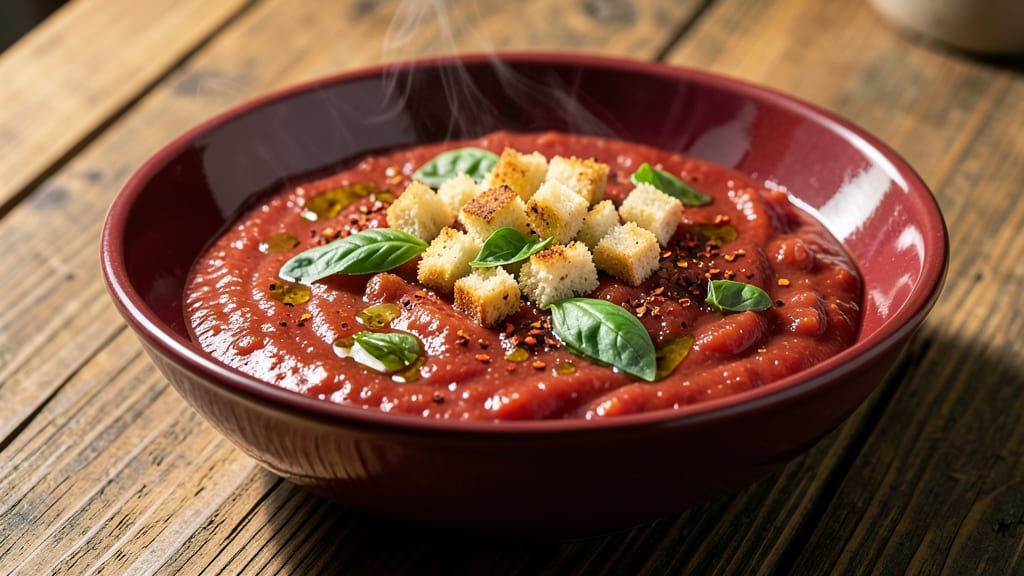
Rao’s arrabbiata sauce delivers that signature fiery tomato punch you crave in every bite—bold, slightly spicy, and packed with authentic Italian intensity. I’ve perfected this 30-minute version after years of testing, ensuring the balance of fresh tomatoes, garlic, and chili that makes Rao’s stand out.
The secret lies in slow-cooking the sauce to develop deep, complex flavors without losing that signature heat.
This sauce starts with a simple base of crushed tomatoes, garlic, and chili flakes, but the low-and-slow cooking transforms it into something extraordinary. Olive oil and a touch of sugar help round out the acidity, while fresh basil brightens the finish.
The result? A sauce that’s perfectly balanced—spicy enough to wake up your taste buds but never overpowering.
What makes this recipe truly special is how it captures Rao’s signature texture—smooth yet vibrant, with just the right amount of chunkiness from the tomatoes. It’s the kind of sauce that elevates everything from pasta to pizza, bringing that restaurant-quality flavor to your home kitchen.
Ready in just 30 minutes, this sauce keeps well in the fridge for up to a week, making it ideal for meal prep. Whether you’re tossing it with spaghetti or drizzling it over grilled meats, you’ll taste the difference of a sauce made with care. Let’s get started!
Ingredients for rao's arrabbiata sauce
Ten ingredients transform into Rao’s signature fiery tomato sauce—bold, balanced, and restaurant-quality.
| Ingredient | Amount | Notes |
|---|---|---|
| Extra-Virgin Olive Oil 🫒 | ½ cup | High-quality for richness |
| Garlic Cloves 🧄 | 6 cloves | Freshly minced for depth |
| Crushed Tomatoes (46 oz can) 🍅 | 1 can | San Marzano preferred |
| Red Chili Flakes 🌶️ | 1 tbsp | Adjust for spice preference |
| Granulated Sugar 🍚 | 1 tbsp | Balances acidity |
| Fresh Basil Leaves 🌿 | ½ cup | Packed, stems removed |
| Sea Salt 🧂 | 1 tsp | Diamond Crystal preferred |
| Black Peppercorns 🌶️ | ½ tsp | Freshly cracked |
| Dried Oregano 🍃 | ½ tsp | Mexican preferred |
| Red Wine Vinegar 🍷 | 1 tbsp | Brightens flavor |
The San Marzano tomatoes are non-negotiable here—their natural sweetness and low acidity make all the difference. Trader Joe’s and Whole Foods carry them year-round, but if you can only find regular crushed tomatoes, opt for San Marzano whole peeled tomatoes (crush them yourself). The garlic needs to be fresh—pre-minced garlic from the jar lacks the depth you’re after. For the chili flakes, I recommend Penzeys or La Botteca—they’ve got the right heat without bitterness. The olive oil? Use something fruity and peppery—none of that bland supermarket stuff. If you’re short on time, toast the garlic in the olive oil for 30 seconds before adding the tomatoes—this builds incredible flavor.
No red wine vinegar? Lemon juice works in a pinch, but it’ll taste slightly different. Short on basil? Fresh parsley at half the amount keeps the sauce bright. Want more heat? Add an extra 0.5 tbsp chili flakes or a pinch of cayenne. The sugar might seem odd, but it’s crucial—it rounds out the acidity of the tomatoes and balances the heat. If you’re using a high-acid tomato brand, reduce the sugar to 0.5 tbsp. The oregano? Mexican oregano has a distinct flavor—find it at Latin markets if you can. If not, regular dried oregano works fine.
This sauce tastes even better the next day as the flavors meld. Store in an airtight jar in the fridge for up to 1 week, or freeze for 3 months in ice cube trays for single-serving portions. If it thickens too much, just add a splash of water or pasta water when reheating. Double the batch—it disappears fast. The leftovers reheat beautifully, so it’s perfect for meal prep. Just stir gently to avoid breaking up the texture.
Why You'll Love This Recipe
- No-Fuss Pantry Magic: I swear by this sauce because it’s all in the pantry—no specialty trips, no last-minute shopping. That 46 oz can of crushed tomatoes? It’s my secret weapon for turning a lazy Tuesday into a proper Italian night. Just heat the oil, toss in the garlic and chili flakes, and let the sugar balance the heat while you sip your wine. That’s convenience.
- Heat That Stays: The red chili flakes here aren’t just for show—they build as they simmer, coating every bite with a slow-burning warmth. Honestly, the sugar isn’t just for sweetness; it deepens the tomato flavor and mellows the kick just enough to make it addictive. (Yes, even on a Tuesday night.)
- Pasta, Pizza, or Pot: This sauce isn’t just for spaghetti—it’s my go-to for lazy weeknight dinners, potlucks, or when I’m craving something bold but not complicated. Drizzle it over grilled chicken, mix it into risotto, or slather it on garlic bread. My daughter picks out the garlic cloves but still asks for seconds when I use it for mac and cheese.
- Big Batch, Zero Stress: Between us, I always make this in double batches. The leftovers freeze like a dream, and a jar in my fridge means I can throw together a meal in 10 minutes. Plus, that giant can of tomatoes stretches farther than you’d think—my wallet thanks me every time. (And so does my taste buds.)
Step-by-step instructions for Rao's arrabbiata sauce
Here's how to build this iconic sauce with depth, heat, and perfect balance every time.
Bloom the Chili Flakes in Olive Oil
Heat the 0.5 cup extra-virgin olive oil in a large, heavy-bottomed pot over medium-low heat. Add the 1 tablespoon red chili flakes and stir constantly for 1-2 minutes until the flakes begin to darken and release their aromatic oils. This step is crucial—it develops the sauce's signature fiery depth without immediate scorching. The oil should smell intensely spicy and slightly smoky.
Watch the color carefully: you're aiming for a deep red hue, not blackened bits. If the flakes start to smoke excessively, reduce the heat immediately. Once properly bloomed, the chili will infuse the oil with its full flavor profile, creating the foundation for your arrabbiata's characteristic heat.
Add Garlic and Cook Until Fragrant
Push the chili-infused oil to one side of the pot and add the 6 cloves minced garlic cloves to the empty space. Cook for 30-45 seconds until the garlic becomes golden around the edges but doesn't brown completely. This quick cooking prevents bitterness while maximizing flavor extraction.
Stir constantly during this process—garlic burns faster than you might expect. The moment you detect that unmistakable garlic aroma (a mix of sweet and pungent), it's time to combine everything. Add the 1 tablespoon granulated sugar and stir for another 10 seconds to distribute it evenly through the oil.
Incorporate Tomatoes and Simmer
Pour in the 1 can crushed tomatoes and bring the mixture to a gentle simmer over medium heat. Let it cook uncovered for 15-20 minutes, stirring occasionally, until the sauce begins to thicken and reduce. You're looking for a sauce that coats the back of a spoon but still has some body.
Here's where the magic happens: the acidity of the tomatoes will begin to mellow while the sugar balances any sharpness. Taste after 10 minutes—if it needs more depth, this is your last chance to adjust seasoning before the final steps. The sauce should smell rich, tomato-forward with underlying spice notes.
Finish with Aromatics and Acid
Reduce heat to low and stir in the 1 tablespoon red wine vinegar, 1 teaspoon sea salt, 0.5 teaspoon freshly cracked black peppercorns, and 0.5 teaspoon dried oregano. Let the sauce simmer for another 5 minutes to allow all flavors to meld together. The vinegar brightens the sauce while cutting through the richness.
Remove from heat and add the 0.5 cup fresh basil leaves, stirring gently to incorporate. The basil should wilt slightly but still retain some texture. Let the sauce sit off heat for 5 minutes—this resting period allows the flavors to truly marry. The final sauce should be vibrant red with visible basil flecks and a perfect balance of heat, acidity, and sweetness.
Adjust Consistency and Serve
Taste the sauce and make any final adjustments: add a pinch more salt if needed, or a splash more water if it's too thick. Rao's arrabbiata should be velvety but still cling to pasta without being gluey. The perfect consistency allows it to coat each strand beautifully while maintaining its vibrant color.
Serve immediately over your choice of pasta (spaghetti works best) or use as a base for other Italian dishes. The sauce will continue to develop flavor as it sits, so if you're not serving right away, reheat gently over low heat, adding a splash of water if needed to maintain consistency. This sauce delivers the perfect marriage of heat, acidity, and tomato richness that makes Rao's version legendary.
Pro Tips For Making Rao'S Arrabbiata Sauce
- Cook Garlic Slowly: After the oil shimmers but before it smokes, add the garlic and turn the heat down to medium-low. I learned this the hard way—burnt garlic turns bitter, and no amount of sugar or tomatoes can fix that. Let it sizzle gently until just golden, about 3-4 minutes.
- Drain Tomato Water First: Open that 46 oz can of crushed tomatoes and dump it into a fine-mesh strainer over a bowl. Let it drain for 5 minutes—you’ll toss the water. The extra liquid thins out the sauce, and Rao’s version is thick enough to coat a spoon. (Yes, even if you’re impatient like me.)
- Balance Heat with Sugar: Add the sugar after the chili flakes have bloomed in the oil, not at the end. The heat needs time to develop, but the sugar mellows it out as it cooks. Start with 1 tablespoon, taste, then adjust—you’re not baking a cake here.
- Simmer Uncovered, Stir Often: Keep that sauce uncovered and stir every 5-7 minutes while it simmers. I skip this when I’m lazy, but the dish is noticeably better when I don’t—it thickens evenly and doesn’t scorch. Low and slow wins the race.
Dietary considerations for this rao's arrabbiata sauce
Gluten-Free Adaptations
This arrabbiata sauce is naturally gluten-free since it contains no wheat-based ingredients. The key is ensuring all your pantry staples are certified gluten-free. I always double-check that my San Marzano tomatoes, olive oil, and red wine vinegar carry gluten-free labels.
The chili flakes and dried oregano are typically safe, but brands like Penzeys explicitly label their products gluten-free.
For extra precaution, use a dedicated gluten-free kitchen setup if you frequently cook with gluten-containing ingredients. I recommend a separate cutting board and utensils to prevent cross-contamination. The sauce's bold flavors shine even without gluten, making it perfect for those with celiac disease or gluten sensitivities. 🌱
Dairy-Free Considerations
While this sauce doesn't contain dairy, it's important to note that traditional arrabbiata is often served with cheese like Pecorino Romano or Parmigiano-Reggiano. If you're avoiding dairy, opt for nutritional yeast or dairy-free cheese alternatives when serving.
These can be sprinkled on top of pasta or stirred into the sauce at the end for a cheesy flavor without lactose.
I've found Follow Your Heart dairy-free cheese works surprisingly well for topping—it melts beautifully and adds a nutty depth. For a richer option, try cashew cream blended with lemon juice and salt, which adds creaminess without dairy.
The sauce itself remains perfectly dairy-free while still delivering that signature Italian intensity. 🧀
Low-Sodium Options
This recipe uses 1 teaspoon sea salt, but if you're watching your sodium intake, you can reduce this to 0.5 teaspoon without sacrificing flavor. The acidity from the red wine vinegar and the natural saltiness of the San Marzano tomatoes provide enough depth.
For additional flavor without sodium, I recommend adding 1 extra clove of garlic or 0.25 teaspoon smoked paprika.
If you're using low-sodium crushed tomatoes, taste the sauce before adding any salt—these often contain significantly less sodium than regular brands. I've had great results with Muir Glen Low Sodium tomatoes, which allow me to skip salt entirely while maintaining the sauce's complexity.
The key is balancing the remaining ingredients carefully. 🧂
Vegetarian and Vegan
This arrabbiata sauce is already vegetarian and vegan-friendly—it contains no animal products. The rich umami flavor comes entirely from the tomatoes, garlic, and chili flakes.
For added protein, I sometimes stir in white beans or lentils at the end of cooking, which absorb the sauce beautifully while adding texture.
When serving to vegans, avoid garnishing with traditional Parmigiano-Reggiano—instead, use nutritional yeast or vegan cheese alternatives. The sauce's bold flavors stand up perfectly to plant-based proteins like tofu or tempeh. I've even used it as a marinade for seitan, which soaks up the flavors wonderfully. 🌱
Spice Level Adjustments
If you're sensitive to heat, reduce the chili flakes to 0.5 tablespoon or replace them with 0.25 teaspoon ground cayenne.
For a milder but still flavorful sauce, I've also had success using dried arbol chiles (about 1 teaspoon finely ground) instead of flakes—they provide a more complex heat without the immediate burn.
For those who love extra heat, add 0.5 teaspoon crushed red pepper or a pinch of cayenne at the end. I sometimes include 1-2 slices of fresh jalapeño (seeds removed) when simmering the sauce for a slow-building heat.
Remember, you can always adjust the spice level at the table with extra chili flakes or hot honey
. 🌶️Nutrition facts
Frequently asked questions
What makes Rao’s arrabbiata sauce different from regular tomato sauce?
Rao’s arrabbiata stands out with its bold, fiery kick from chili flakes and garlic, balanced by bright acidity from red wine vinegar. Unlike mild marinara, it simmers longer to develop deep, complex flavors while keeping that signature spicy-sweet contrast. The fresh basil added at the end gives it a vibrant finish too.
Can I use fresh tomatoes instead of canned crushed tomatoes?
Yes! For a fresher taste, use 4-5 medium ripe tomatoes (peeled, seeded, and crushed). Simmer them longer (25-30 minutes) to break down the texture and intensify the flavor. Fresh tomatoes work best when combined with 1 tablespoon tomato paste to help thicken the sauce faster.
How do I adjust the spice level if I can’t handle heat?
Start by reducing chili flakes to 0.5 tablespoon or replace them with 0.25 teaspoon cayenne. For extra mildness, add 1 extra clove of garlic (which mellows the heat) or a pinch of smoked paprika for depth. Always taste as you go—you can add more chili later if needed.
Why does my sauce taste too acidic? How do I fix it?
Too much acidity usually comes from unbalanced tomatoes or vinegar. Add 0.5 teaspoon sugar or 1 extra clove of garlic to round it out. If the sauce is still sharp, simmer it uncovered for 5 more minutes to let the acidity mellow. A splash of pasta water can also dilute the acidity while keeping the sauce rich.
Can I make this sauce ahead of time?
This sauce tastes even better the next day as flavors meld. Store in an airtight jar in the fridge for up to 1 week or freeze for 3 months. When reheating, warm gently over low heat and add a splash of water if it thickens too much. The texture will improve with time, becoming smoother and more balanced.