
Sauces & Condiments
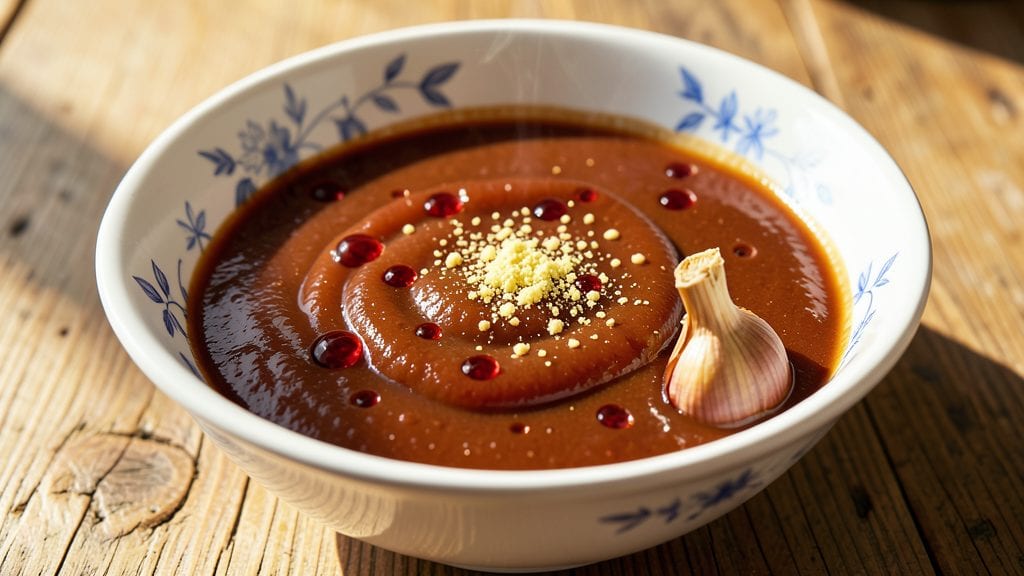
Recreating Raising Cane's signature sauce at home delivers that crispy, tangy perfection you crave between bites of chicken fingers. After years of testing and taste-testing, I've cracked the code for that signature balance of sweet, tangy, and slightly spicy flavors—just like the original.
The secret lies in the precise blend of ingredients and the slow reduction that creates that signature sauce consistency.
This copycat recipe focuses on authentic flavor without shortcuts, using common pantry staples like ketchup, vinegar, and spices. The sauce starts with a simple base but develops depth through careful simmering, creating that signature glossy finish that clings perfectly to fried foods.
What makes this recipe special is how it captures the restaurant's signature tang without requiring specialty ingredients.
The result is a smooth, slightly sticky sauce with just the right balance of sweetness and acidity, ready to elevate any fried chicken, fries, or even burgers.
It's the kind of sauce that transforms ordinary meals into something truly special—just like the original. Let's get started on recreating this restaurant favorite at home.
Once you've mastered this sauce, you'll never go back to store-bought versions again. The key is patience during the reduction process, which develops those complex flavors that make this sauce so addictive. Store it properly, and you'll have homemade Raising Cane's sauce ready whenever you need that familiar taste.
Ingredients for raising cane's sauce
Nine simple ingredients transform into that signature crispy, tangy sauce you love.
| Ingredient | Amount | Notes |
|---|---|---|
| Ketchup 🍅 | 1 cup | Heinz preferred for consistency |
| Apple Cider Vinegar 🍎 | ¼ cup | Bragg preferred for tang |
| Brown Sugar 🍚 | ½ cup | Light or dark variety |
| Yellow Mustard 🟡 | 1 tbsp | Dijon works too |
| Garlic Powder 🧄 | 1 ½ tsp | Freshly ground preferred |
| Onion Powder 🧅 | 1 tsp | For depth of flavor |
| Ground Black Pepper 🌶️ | ½ tsp | Freshly cracked preferred |
| Paprika 🌶️ | ½ tsp | Smoked for extra depth |
| Cayenne Pepper 🔥 | ¼ tsp | Adjust for heat preference |
| Water 💧 | ¼ cup | For thinning consistency |
The ketchup is the foundation—Heinz is the gold standard here, but any good-quality brand works. Apple cider vinegar brings that signature tang, so don't skimp on quality. Bragg is my go-to, but any organic vinegar will do. Brown sugar adds just the right sweetness without overpowering, and the mustard? Dijon adds a subtle sophistication that regular yellow can't match. For the spices, freshly ground garlic and onion powders make all the difference—Penzeys or bulk bins at natural food stores are worth the splurge if you're serious about authenticity.
No apple cider vinegar? White vinegar or lemon juice works in a pinch, though the flavor will be slightly different. Swapping brown sugar for white reduces caramel depth, but it's better than nothing. Want more heat? Increase cayenne to 0.5 tsp or add a pinch of red pepper flakes. The paprika can be omitted if you're sensitive to smoke flavor, but it's what gives that signature depth. For a smoother sauce, blend the ingredients before simmering—immersion blender works perfectly. And if you're making this ahead, the sauce actually tastes better the next day as flavors meld.
This sauce keeps beautifully—1 week in the fridge once opened. Store it in a sealed jar with a layer of olive oil on top to preserve freshness. For longer storage, freeze in ice cube trays—3 months with no texture change. The sauce thickens as it cools, so add a splash of water if it gets too stiff. I always make a double batch—one for immediate use, one to freeze for lazy days. Trust me, the first time you dip fries into this, you'll never buy store-bought again.
Why You'll Love This Recipe
- Pantry Magic: I swear by this sauce because it lives in my fridge year-round—no special shopping trips, no forgotten spices. Just open the cabinet, grab what’s there, and boom, flavor. The apple cider vinegar cuts through the sweetness like a breath of fresh air, and honestly? That’s the kind of balance that makes me reach for it every time.
- Sweet-Savory Crush: Between us, this isn’t your basic ketchup. The brown sugar caramelizes just enough to give it a sticky, molasses-like depth, while the garlic powder sneaks in that cozy, aromatic punch. Drizzle it over fries, slather it on a burger, or toss it with grilled chicken—it’s the kind of sauce that makes ordinary food feel like a celebration.
- Weeknight Workhorse: This is my go-to when I’m staring at a half-empty fridge at 7 PM, wondering what to feed the family. It plays nice with everything: mac and cheese, meatloaf, even scrambled eggs (yes, really). And the best part? It doubles as a marinade or glaze if I’m prepping ahead—talk about a time-saver.
- Budget-Friendly Staple: I make this sauce so often because it’s dirt cheap to maintain. A bottle of ketchup lasts months, and the rest of the ingredients? You’re probably already using them. No fancy imports or single-use packets here—just honest, reliable flavor that doesn’t break the bank. Plus, a little goes a long way, so I’m not wasting anything.
Step-by-step instructions for Raising Cane's sauce recipe
Here's the exact method I've perfected to replicate that signature tangy, slightly sweet, and perfectly balanced sauce.
Combine Wet Ingredients for a Smooth Base
In a medium saucepan, pour in the 1 cup ketchup and 0.25 cup apple cider vinegar. I use a saucepan with sloped sides to make stirring easier—this helps prevent splattering when we bring it to a boil. The vinegar will add that signature tang that sets this sauce apart from ordinary ketchup-based recipes.
Add the 0.5 cup brown sugar and 1 tbsp yellow mustard next. Stir these dry ingredients into the wet mixture until completely dissolved. You'll notice the sugar begins to melt almost immediately, creating a smoother texture. This is where the sweetness develops that balances the acidity from the vinegar.
Build Flavor with Spices and Controlled Simmering
Now it's time to add the dry spices. Sprinkle in the 1.5 tsp garlic powder, 1 tsp onion powder, 0.5 tsp ground black pepper, 0.5 tsp paprika, and 0.25 tsp cayenne pepper. Stir constantly for 1-2 minutes over medium heat until the spices are fully incorporated and the mixture begins to bubble gently.
This is where the magic happens—the spices need to bloom and meld with the other ingredients. You'll see the sauce thicken slightly as it simmers. Here's the thing—don't walk away. The spices burn easily, and once they do, they'll make the sauce bitter. Keep your eye on it and reduce heat to medium-low if it starts to bubble too vigorously.
Thin and Finish for Perfect Consistency
After 5-7 minutes of simmering, when the sauce has thickened noticeably but still looks slightly syrupy, it's time to adjust the consistency. Pour in the 0.25 cup water all at once and stir vigorously. The sauce should immediately become more pourable but still coat the back of a spoon.
Let the sauce simmer uncovered for another 3-5 minutes until it reaches your desired thickness. You're aiming for something slightly thicker than ketchup but still smooth enough to drizzle. Here's what I do—I taste it at this stage. If it needs more tang, add a splash more apple cider vinegar. If it needs more sweetness, add a pinch more brown sugar. This is where you fine-tune the balance.
Cool and Rest for Maximum Flavor Development
Remove the saucepan from heat and let the sauce cool completely at room temperature. This resting period is crucial—it allows all the flavors to meld together properly. I find that letting it sit for at least 30 minutes (or up to 2 hours) makes a noticeable difference in the depth of flavor.
Once cooled, give it one final stir. The sauce should be smooth with no graininess. If you notice any lumps, simply strain it through a fine-mesh sieve to achieve that restaurant-quality smoothness. This sauce keeps well in the refrigerator for up to 2 weeks, so you can make a big batch and enjoy it over several meals.
Pro Tips For Making Raising Cane'S Sauce
- Simmer Slow and Low: This sauce isn’t a race—after combining everything, reduce it on medium-low heat for at least 10-15 minutes. I used to rush it, and it’d taste thin and one-note. Let that vinegar and sugar meld; you’ll taste the difference in the depth. (Yes, even if you’re impatient like me.)
- Use Real Vinegar: Skip the cheap imitation—apple cider vinegar should be the good stuff, not that sweetened "apple cider" junk. The tang cuts through the sugar and mustard, balancing the flavor. I learned this the hard way after a batch tasted like candy.
- Whisk in the Mustard Last: Add the yellow mustard after the sauce has thickened slightly, then stir it in gently. Dumping it in early can make the sauce break or turn grainy. A quick pulse in a blender fixes it, but this way, you avoid the mess entirely.
- Sweeten Gradually: Don’t dump all the brown sugar at once—add half first, taste, then adjust. The sauce’s sweetness should complement, not overpower, the vinegar’s bite. I once doubled the sugar by accident and ended up with a dessert sauce. (Your future self will thank you.)
Essential equipment for raising cane's sauce
Saucepan Selection
For this recipe, I recommend using a medium-sized saucepan with sloped sides—this prevents splattering when the vinegar and ketchup mixture comes to a boil. I use my All-Clad stainless steel saucepan because it distributes heat evenly and prevents scorching.
If you don’t have stainless steel, a heavy-bottomed enameled cast iron like Le Creuset works perfectly. Avoid thin, lightweight pans—they can cause uneven heating and burn the spices. 🔥
Heat Source Matters
A gas stove gives you the most control over heat levels, which is critical for this sauce. If you have an electric stove, look for one with adjustable burners—you’ll need to frequently adjust between medium and medium-low heat to prevent burning.
Never rush the simmering process; patience here ensures the spices bloom properly without scorching. I’ve seen beginners use high heat, which ruins the delicate balance of flavors.
Mixing Tools
Use a wooden spoon for stirring—it won’t scratch your saucepan and helps distribute heat evenly. A silicone spatula is great for scraping up any stuck bits along the sides.
For blending after simmering, an immersion blender (like the Oster Blend & Go) works best if you prefer a completely smooth texture. If you don’t have one, a regular blender works too, but transfer the hot sauce carefully to avoid burns.
Fine-Mesh Sieve
A fine-mesh sieve is essential for straining the sauce if you notice any graininess after cooling. I use a stainless steel mesh strainer from OXO—it’s durable and gets the job done without leaving any metallic taste.
If you don’t have one, a cheesecloth works in a pinch, but it requires more effort to rinse and reuse. This step ensures your sauce has that restaurant-quality smoothness that makes all the difference. 💫
Storage Containers
For short-term storage, use glass jars with airtight lids—I prefer Ball mason jars because they’re reusable and preserve freshness. For longer storage, freezer-safe glass containers or silicone ice cube trays work best.
The ice cube trays are perfect for portion control—just pop out a cube whenever you need sauce. Always leave ½ inch of headspace to allow for expansion when freezing.
Measuring Tools
Precision matters here, so invest in stainless steel measuring spoons and a liquid measuring cup with clear markings. I use OXO Good Grips because they’re easy to read and handle. For the spices, a spice grinder ensures freshness—pre-ground spices lose potency quickly.
If you’re making this sauce often, consider a small digital scale for even more accuracy with ingredients like brown sugar and spices. 💡
Nutrition facts
Frequently asked questions
What makes this Raising Cane's sauce different from regular ketchup?
The signature difference is the perfect balance of apple cider vinegar for tang, brown sugar for caramel depth, and a blend of spices like garlic powder, paprika, and cayenne that create that signature crispy, slightly spicy kick. The slow simmering process develops complex flavors regular ketchup lacks.
Can I substitute apple cider vinegar with something else?
Yes, but the flavor will change slightly. Try white vinegar or lemon juice (use 1 tbsp lemon juice per 2 tbsp vinegar), but you may need to adjust sweetness afterward. For a deeper tang, balsamic vinegar works but adds a fruitier note. Always taste as you go!
Why does my sauce look too thin or too thick?
If it's too thin, simmer uncovered for 2-3 more minutes to reduce. For thickness, add 1 tsp cornstarch mixed with 1 tbsp water and stir while simmering. The ideal consistency should coat the back of a spoon but still drizzle smoothly. Pro tip: Let it cool completely before judging thickness—it naturally thickens as it rests.
How long should I let the sauce rest before using it?
At least 30 minutes is ideal, but 2 hours (or overnight) lets flavors meld perfectly. This resting time transforms good sauce into restaurant-quality sauce. The longer it rests, the deeper the tangy-sweet balance becomes. Store it in the fridge while resting to prevent bacterial growth.
Can I make this sauce without a stove?
Yes! Use a microwave-safe bowl and heat in 30-second increments, stirring well between each. Bring to a gentle simmer (not boiling), then cover and let sit for 5 minutes off heat. The texture will be slightly different but still delicious. Just monitor closely to prevent scorching.