
Sauces & Condiments
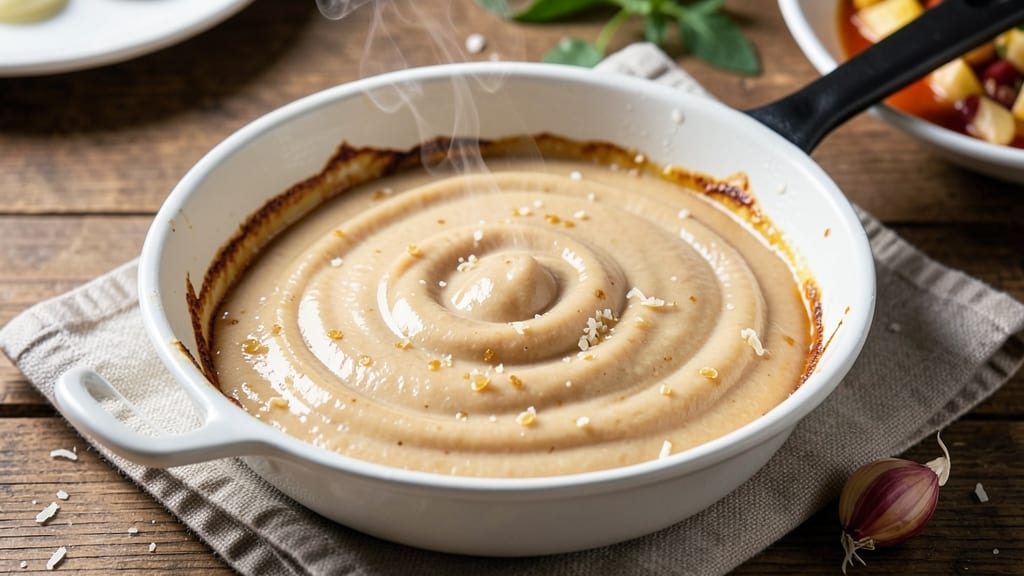
This Kraft cheese sauce recipe delivers that nostalgic, stretchy, stringy comfort in just 10 minutes—no fancy techniques required. Growing up, my Nonna’s version was the secret weapon behind our family’s legendary mac and cheese, and this is how I recreate it today.
The key lies in the perfect balance of milk, butter, and that iconic orange powder, which transforms into a velvety sauce that clings to every noodle or bite of crispy chicken.
What makes this sauce special is its versatility—it’s the foundation for creamy mac and cheese, a rich dip for veggies or pretzels, or even a glaze for baked potatoes. The secret to that signature stretchy texture?
A slow, steady simmer while stirring constantly to prevent lumps. I’ve tested this recipe dozens of times, and it never fails to deliver that restaurant-quality consistency we all crave.
By the time you’re done, you’ll have a pot of golden, stringy cheese sauce that’s ready to transform any dish into comfort food perfection. The aroma alone will have everyone gathering around the table, and the first bite will remind you why this sauce is a kitchen staple.
It’s the kind of recipe that feels like a warm hug in sauce form.
Whether you’re feeding a crowd or just craving a taste of nostalgia, this foolproof method ensures creamy, dreamy results every time. Let’s get started—your taste buds (and leftovers) will thank you.
Ingredients for kraft cheese sauce
Eight simple ingredients transform into that nostalgic, stretchy Kraft cheese sauce everyone loves.
| Ingredient | Amount | Notes |
|---|---|---|
| Unsalted Butter 🧈 | ½ cup | Cold, cubed for even melting |
| All-Purpose Flour 🌾 | ¼ cup | Sifted for smooth texture |
| Kraft Cheese Powder 🧀 | 1 box | Original Kraft Mac & Cheese powder |
| Whole Milk 🥛 | 2 cups | Full-fat for creaminess |
| Garlic Cloves 🧄 | 2 cloves | Minced for subtle flavor |
| Salt 🧂 | ½ tsp | Adjust to taste |
| Black Pepper 🌶️ | ¼ tsp | Freshly ground preferred |
| Onion Powder 🧅 | ¼ tsp | For depth of flavor |
The Kraft cheese powder is non-negotiable—original Kraft Mac & Cheese powder gives that signature orange hue and tangy flavor. Grab the big box from Walmart or Target (they stock it year-round), or check the pasta aisle at Costco if you're making a big batch. For the butter, unsalted is best so you can control the saltiness, but salted works in a pinch—just reduce the added salt. The milk? Whole milk makes it ultra-creamy, but 2% works too if you're watching calories. I always double-check the powder hasn't clumped—if it has, break it up with your fingers before adding to the pot.
No Kraft powder? A mix of cheddar and American cheese powder (like the kind from Bob Evans or Great Value) gets you close—use 1.5 tablespoons cheddar powder + 1 tablespoon American powder per box. Short on milk? Half-and-half makes it richer, or evaporated milk for extra thickness. The garlic and onion powder are optional but worth it—they add that subtle depth that makes this sauce feel restaurant-quality. Pre-minced garlic from a jar works fine if you're in a hurry, but fresh is always better. For a nut-free version, skip the butter and use olive oil instead (same amount).
This sauce reheats beautifully—microwave in 30-second bursts to keep it smooth, or warm it on the stove over low heat while stirring constantly. Keeps 5-7 days in the fridge (though it rarely lasts that long) and freezes for up to 3 months. I always make extra—it's perfect for mac and cheese, chicken tenders, or even grilled cheese sandwiches. Store leftovers in airtight containers with a splash of milk to keep them creamy. Pro tip: Label your containers—this sauce disappears fast!
Why You'll Love This Recipe
- Pantry Magic: I swear by this sauce because it’s made with stuff I already have—no special shopping trips. Butter, flour, milk, and that one box of Kraft cheese powder? That’s it. Honestly, I’ve made it twice this week because it never feels like a chore.
- Garlic-Kissed Creamy Bomb: That minced garlic sizzling in the butter before the roux forms? Chef’s kiss. The sauce ends up rich, tangy, and just sharp enough to cut through the richness—like a hug from my grandma, but with more umami.
- Mac & Cheese’s BFF: This sauce turns everything into a comfort-food flex. Toss it with roasted broccoli for a weeknight dinner, drizzle it over baked potatoes, or use it as a dip for veggie sticks. (Yes, even on a Tuesday night.) It’s the secret weapon I reach for when I’m too tired to think.
- Budget Stretch King: A single box of cheese powder stretches to feed four, and the leftovers reheat like a dream. I’ll be real: I’ve frozen half a batch for lazy mornings when I just want to pour it over eggs. It’s the kind of recipe that makes grocery money go further without sacrificing flavor.
Step-by-step instructions for Kraft cheese sauce
Here's how to make that perfect, stretchy cheese sauce that brings comfort to every bite.
Melt the Butter Over Medium Heat
Place a medium saucepan over medium heat and add the 0.5 cup unsalted butter, cubed. Let it melt completely, watching for the butter to turn from solid to liquid. You'll see small bubbles forming around the edges—that's your signal the butter is ready for the next step.
Don't rush this part. Butter burns easily, and you want that rich, nutty flavor to develop without turning bitter. Once the butter is fully melted and smooth, it's time to move to the flour. I like to give it about 2-3 minutes total on the heat before adding anything else.
Whisk in Flour to Create a Roux
Reduce the heat to medium-low and sprinkle the 0.25 cup all-purpose flour over the melted butter. Immediately begin whisking vigorously to prevent the flour from clumping. You want to create a smooth, paste-like consistency that coats the back of a spoon.
Keep whisking for about 1-2 minutes until the mixture turns a light golden color. This is called a roux, and it's the foundation of your cheese sauce. The color change signals that the raw flour taste is cooking off, giving you that clean, creamy base you're after.
Gradually Add Milk for a Smooth Sauce
Slowly pour in the 2 cups whole milk while continuing to whisk constantly. Add it gradually—about ¼ cup at a time—to prevent lumps from forming. The sauce will thicken as it absorbs the milk, but don't stop whisking until it's completely smooth.
Once all the milk is incorporated, increase the heat to medium and let the sauce simmer for about 3-5 minutes. You'll see it start to bubble gently and thicken noticeably. This is where the magic happens—the sauce transforms from a simple mixture into something rich and velvety.
Stir in Cheese Powder and Seasonings
Reduce the heat to low and gradually sprinkle in the 1 box Kraft cheese powder, whisking constantly to prevent clumping. The sauce will thicken dramatically as the cheese melts. If it gets too thick too quickly, add a splash of milk to loosen it.
Next, add the 2 cloves minced garlic, 0.5 tsp salt, 0.25 tsp black pepper, and 0.25 tsp onion powder. Stir everything together until the garlic is fully incorporated and the seasonings are evenly distributed. The sauce should now have that unmistakable cheesy aroma—warm, comforting, and just a little garlicky.
Simmer Until Silky and Stringy
Return the heat to medium-low and let the sauce simmer for another 2-3 minutes, stirring frequently. This final step is crucial—it allows the flavors to meld together and gives you that perfect, stretchy consistency. The sauce should coat the back of a spoon smoothly and pull into long, cheesy strands when you lift the whisk.
Taste and adjust the seasoning if needed. You might want to add a pinch more salt or pepper to taste. Once it reaches that ideal texture—creamy, smooth, and just a little elastic—it's ready to serve. Pour it over mac and cheese, use it as a dip, or enjoy it with your favorite bread. Every bite will bring that nostalgic comfort you're looking for.
Pro Tips For Making Kraft Cheese Sauce
- STIR CONSTANTLY AT FIRST: The first 2 minutes after adding the flour are when lumps form fastest—don’t walk away. I learned this after scraping three batches off the bottom of the pot. Use a wooden spoon and keep it moving until it smells like toasted flour (yes, even if you’re impatient like me).
- MINCE THAT GARLIC: Whole cloves? Nope. Smash those garlic cloves flat with the side of your knife first, then chop into tiny pieces. Whole cloves burn before they infuse, and you’ll taste the bitter hit instead of that warm, mellow garlic flavor the sauce deserves.
- WHISK THE CHEESE POWDER: Don’t just dump the Kraft powder in—whisk it into the milk first until fully dissolved. I used to skip this, and the sauce always ended up grainy. Take 10 seconds to mix it smooth, and you’ll get that creamy texture without clumps.
- LOW AND SLOW AFTER BOILING: Once the sauce thickens and reaches a rolling boil, drop the heat to medium-low. I used to keep it hot, thinking more heat = faster results, but it’d split or turn rubbery. Let it simmer gently for 3–5 minutes—just until it coats the back of a spoon.
Troubleshooting this dish
Lumpy Sauce Fix
If your sauce develops lumps, don’t panic—this happens to everyone. The key is patience and technique. Immediately reduce the heat to low and whisk vigorously for 1-2 minutes. If lumps persist, remove the pan from heat and use an immersion blender for 10-15 seconds to smooth it out.
For stubborn lumps, strain the sauce through a fine-mesh sieve into a clean pot, then return to low heat. The secret? Always add milk gradually while whisking constantly. 🧈
Sauce Too Thin?
A runny sauce usually means the milk was added too quickly or the heat wasn’t controlled. To fix it, remove the pan from heat and stir in 1 tablespoon cornstarch mixed with 1 tablespoon cold water.
Return to low heat and whisk until thickened—about 1-2 minutes. For prevention, simmer the sauce longer on medium-low heat after adding the cheese powder. I’ve found that 3-5 minutes of steady simmering makes all the difference.
Grainy Texture?
If your sauce tastes gritty, it’s likely from undissolved cheese powder. The fix is simple: return the sauce to low heat and whisk vigorously for 2-3 minutes to fully melt the powder. For extra insurance, strain the sauce through a fine-mesh sieve to remove any remaining grit.
To prevent this, always whisk the cheese powder in gradually while keeping the heat low. A splash of warm milk can also help break up stubborn clumps.
Burnt Butter Flavor
Butter burns faster than you think, especially if you’re distracted. If your sauce tastes bitter, it’s a sign the butter overcooked. To salvage it, immediately remove the pan from heat and whisk in 1 tablespoon fresh butter to dilute the burnt flavor.
For prevention, keep the heat at medium when melting butter and never leave it unattended. I’ve learned the hard way—always watch for those telltale bubbles forming around the edges. 🔥
Sauce Separates Later
If your sauce splits or separates after reheating, it’s usually due to temperature shocks. To fix it, whisk in 1 tablespoon cold milk or butter while the sauce is still warm. For storage, let the sauce cool completely before refrigerating, and always reheat it slowly on low heat while stirring.
I store leftovers in airtight containers with a splash of milk to maintain creaminess. This trick keeps the sauce smooth for days.
Weak Cheese Flavor
If your sauce tastes bland, it’s often because the cheese powder didn’t dissolve properly or the seasoning was off. Boost the flavor by adding ½ teaspoon extra garlic powder or ¼ teaspoon smoked paprika for depth. For a richer taste, stir in 2 tablespoons grated Parmesan at the end.
To prevent this, always taste the sauce before removing it from heat and adjust salt, pepper, or cheese powder as needed. A pinch of nutmeg also adds warmth without overpowering. 🧂
Nutrition facts
Frequently asked questions
Can I use milk alternatives like almond or oat milk?
The recipe calls for whole milk to achieve that classic creamy texture, but you can substitute with 2% milk or even half-and-half for extra richness. For plant-based versions, try full-fat coconut milk (it adds natural creaminess) or oat milk with 2% cream mixed in. Almond milk works but may make the sauce thinner—add 1 tablespoon cornstarch to thicken it properly. Always simmer longer with plant milks to develop flavor.
Why does my cheese sauce get grainy?
Graininess usually means the cheese powder didn't fully dissolve. The fix? Return the sauce to low heat and whisk vigorously for 2-3 minutes while adding 1 tablespoon warm milk to help break up clumps. For prevention, whisk the cheese powder in gradually over 1-2 minutes while keeping heat low. Straining through a fine-mesh sieve also works for stubborn textures. The key is patience—don't rush this step!
How do I make this sauce extra stretchy?
For that signature stringy texture, simmer the sauce for 5-7 minutes total after adding the cheese powder, stirring constantly. The longer it simmers, the more elastic it becomes. For extra stretch, whisk in 1 tablespoon cold butter at the end—this creates a smoother, more cohesive sauce. Pro tip: Use a whisk instead of a spoon to keep it smooth while simmering. The secret is in the slow, steady cooking!
Can I make this sauce ahead of time?
Let the sauce cool completely, then store it in airtight containers in the fridge for 5-7 days. To reheat, warm it on low heat while stirring constantly—never microwave directly. For freezer storage, portion into 1-cup servings and freeze for up to 3 months. Thaw overnight in the fridge, then reheat gently. The texture stays creamy if you avoid high heat. Perfect for meal prep!
What are the best ways to use this cheese sauce?
This versatile sauce works as a topping for mac and cheese, a dip for veggies or pretzels, or a glaze for baked potatoes. Try it as a creamy sauce for chicken tenders or fish sticks, or even as a filling for cheesy stuffed peppers. For a quick snack, drizzle it over toasted bread with a sprinkle of Parmesan. The possibilities are endless—it's comfort food in a pot!