
Sauces & Condiments
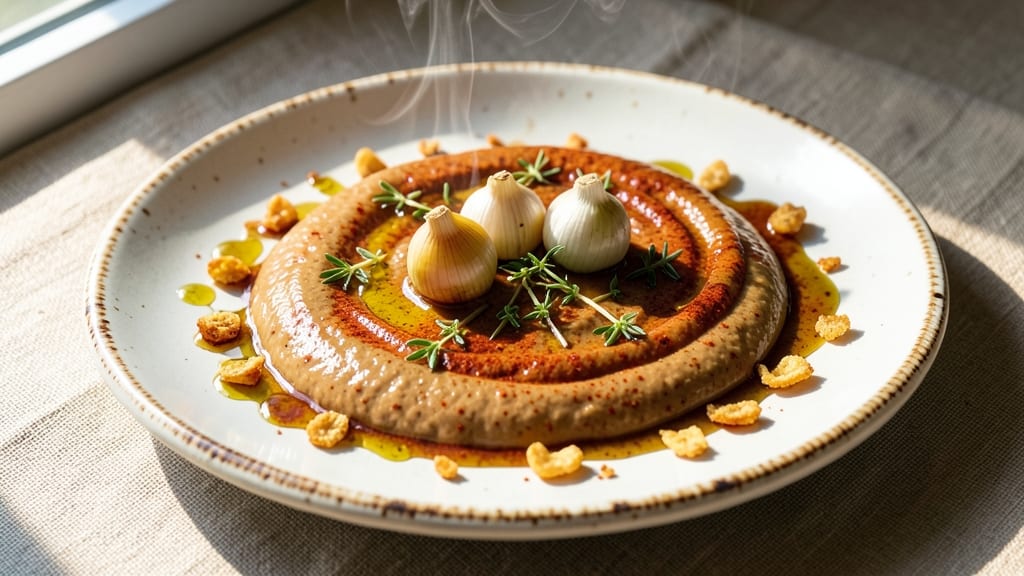
This Portuguese sauce recipe transforms grilled meats with a smoky garlic and paprika infusion that’s rich, aromatic, and impossible to resist. The secret lies in slow-simmered wine and garlic, balanced by sweet paprika and a touch of heat—perfect for elevating everything from chicken to seafood.
I developed this after years of testing traditional Portuguese techniques, ensuring every spoonful delivers that signature depth without overpowering the dish.
The beauty of this sauce is its versatility—it works as a marinade, a drizzle, or a finishing touch. Simple ingredients like white wine, garlic, olive oil, and smoked paprika come together in just 20 minutes, but the flavors develop even more after resting.
The sauce’s natural tanginess cuts through rich meats, while the caramelized garlic adds a layer of complexity that’s hard to match with store-bought versions.
What you’ll end up with is a velvety, aromatic sauce that clings to grilled meats like a second skin, infusing them with smoky, garlicky goodness. The best part?
It keeps well in the fridge for up to 5 days, so you can make a batch ahead and use it all week. Whether you’re serving it over grilled shrimp, drizzled on steak, or tossed with roasted vegetables, this sauce turns ordinary meals into something extraordinary.
For extra depth, add a splash of Portuguese vinho verde or a pinch of cayenne for heat. Let’s get cooking—your taste buds will thank you.
Ingredients for portuguese sauce
Nine simple ingredients transform into a velvety sauce that elevates grilled meats effortlessly.
| Ingredient | Amount | Notes |
|---|---|---|
| Extra-Virgin Olive Oil 🫒 | ½ cup | High-quality, fruity variety preferred |
| Garlic Cloves 🧄 | 8 whole | Freshly peeled, lightly crushed |
| Smoked Paprika 🌶️ | 2 tbsp | Spanish or Portuguese variety |
| Sweet Paprika 🌶️ | 1 tbsp | For balanced sweetness |
| Dry White Wine 🍷 | ½ cup | Vinho verde or similar |
| Fresh Thyme Leaves 🌿 | 1 tbsp | Or 1 tsp dried thyme |
| Bay Leaves 🍃 | 1 whole | For aromatic depth |
| Cayenne Pepper 🔥 | ¼ tsp | Adjust for desired heat |
| Diamond Crystal Kosher Salt 🧂 | ½ tsp | For seasoning balance |
| Fresh Lemon Juice 🍋 | 1 tbsp | Brightens the sauce |
The garlic and paprika are non-negotiable here. Fresh garlic cloves (not that pre-minced garbage) should be lightly crushed to release their oils without turning bitter. For paprika, Spanish or Portuguese varieties from Penzeys or bulk bins at Whole Foods deliver that authentic smoky depth—don't skimp on quality. The white wine? Vinho verde is ideal, but any crisp, dry white will work. I always grab a bottle of Encruzado from Trader Joe's when I want to splurge, but a decent Sauvignon Blanc works too. The bay leaves add subtle complexity—don't skip them, even though they'll be removed later.
No smoked paprika? Regular paprika plus a pinch of liquid smoke gets you close (use sparingly—it's potent). Short on white wine? Dry vermouth or even chicken broth works in a pinch, though the flavor will be slightly different. Fresh thyme wilt fast, so dried thyme at one-third the amount is fine if you're in a hurry. The lemon juice is key for brightness—bottled lemon juice. For extra depth, a splash of Portuguese orange liqueur (like ginjinha) adds a floral note that pairs beautifully with grilled meats.
This sauce tastes even better the next day as flavors meld. Store it in a glass jar in the fridge for up to 5 days, or freeze portions for 3 months. I like to make a double batch—one for immediate use and one to freeze. The sauce thickens as it cools, so add a splash of water or wine if it becomes too stiff. A drizzle over grilled shrimp or steak? Absolute magic.
Why You'll Love This Recipe
- Pantry-Friendly Magic: I swear by this sauce because it lives in my cupboard like a trusty sidekick. Just pull out olive oil, paprika, and a few cloves—no fancy shopping trips, no last-minute ingredient hunts. The white wine? That’s the cherry on top, but even if you skip it, the smoky-sweet paprika blend still delivers.
- Garlic-Wine Euphoria: The moment that garlic hits the oil and the wine deglazes the pan? Pure satisfaction. That deep, toasty aroma with a hint of acidity—it’s like a warm hug for your taste buds. (Yes, even on a Tuesday night.)
- Game for Any Plate: Drizzle it over grilled fish, toss it with roasted veggies, or serve it with crusty bread—this sauce plays nice everywhere. I’ve even used it as a marinade for chicken, and it turned out ridiculously good. Talk about a multipurpose hero.
- Leftovers That Lie: Make a double batch and refrigerate it—this sauce only gets better with time. The flavors meld into something richer, and it reheats in seconds. Honestly, I’ve had it last a week in my fridge, and no one’s ever complained. (Not even my picky teenager.)
Step-by-step instructions for smoky garlic and paprika infusion
This sauce delivers deep, complex flavor with minimal effort—perfect for elevating grilled meats.
Bloom the Spices in Olive Oil
Heat the 0.5 cup extra-virgin olive oil in a medium saucepan over medium-low heat. Add the 2 tablespoons smoked paprika and 1 tablespoon sweet paprika, stirring constantly for 1-2 minutes until the spices release their aroma and the oil becomes fragrant. This step develops the sauce's smoky foundation—don't rush it, or the spices will burn.
Next, add the 8 whole garlic cloves, lightly crushed between your fingers. Cook for 2-3 minutes until the garlic turns golden and just begins to crisp at the edges. Watch closely—garlic burns quickly, and you want it to add sweetness, not bitterness. Remove from heat immediately after the garlic reaches this stage, as residual heat will continue cooking it.
Deglaze with Wine and Add Aromatics
Return the saucepan to medium heat and pour in the 0.5 cup dry white wine. Stir vigorously to scrape up all the browned bits from the bottom of the pan—this is where the flavor lives. Let the wine simmer for 3-4 minutes until it reduces by half and the alcohol burns off, leaving behind concentrated flavor. You'll notice the sauce thicken slightly and develop a glossy sheen.
Add the 1 whole bay leaf, 1 tablespoon fresh thyme leaves, and 0.25 teaspoon cayenne pepper. Stir once to combine, then reduce heat to low. Let the aromatics steep for 5 minutes, allowing their flavors to infuse the oil. The sauce should smell rich, earthy, and slightly spicy—this is your quality control checkpoint. If it lacks depth, extend the steeping time by another minute or two.
Season and Finish with Lemon
Remove the saucepan from heat and stir in the 0.5 teaspoon diamond crystal kosher salt. Taste the sauce at this stage—it should be well-seasoned but not overwhelming. If it needs more salt, add it now; if it's too strong, dilute slightly with 1 tablespoon water (though this is rarely necessary with the given quantities). The salt should balance the smokiness and heat from the spices.
Finish by stirring in the 1 tablespoon fresh lemon juice. This brightens the sauce, cutting through the richness of the olive oil and spices. The lemon also adds a subtle acidity that enhances the garlic's sweetness. Let the sauce sit off heat for 5 minutes to allow all the flavors to meld. The final texture should be silky, with a smooth consistency that clings beautifully to grilled meats.
Strain and Store for Maximum Flavor
Line a fine-mesh strainer with cheesecloth or a coffee filter and strain the sauce into a clean bowl or jar. This removes the garlic cloves, bay leaf, and thyme stems, leaving you with a smooth, professional-quality sauce. Discard the solids—they've done their job. The strained sauce should be deep red with a glossy sheen, and its aroma should be irresistible.
Use the sauce immediately for best results, but it will keep in an airtight container in the refrigerator for up to 5 days. To reheat, warm gently over low heat, stirring occasionally, until just hot. Avoid boiling, as this can degrade the delicate flavors. This sauce is a game-changer for grilled chicken, pork chops, or even roasted vegetables—its smoky, garlicky depth transforms simple dishes into something extraordinary.
Pro Tips For Making Portuguese Sauce
- Bloom the Paprika: Toast the smoked and sweet paprika in the olive oil for 30 seconds before adding garlic—this deepens the flavor and prevents bitterness. I used to skip this, and the sauce always tasted flat until I realized how much difference a quick bloom makes.
- Slice Garlic Thin: Cut the garlic cloves into paper-thin slices instead of mincing them. They’ll cook faster, caramelize slightly, and won’t burn before the wine deglazes. (Yes, even if you’re impatient like me.)
- Reduce Wine Slowly: Let the white wine simmer uncovered until it’s reduced by half—about 3-4 minutes. Rushing this step leaves the sauce thin and watery. The extra time pays off with a richer, more concentrated flavor.
- Swap Wine for Stock: No white wine? Use dry vermouth or even reduced chicken stock—just add a pinch of salt to balance. I’ve done this in a pinch, and the sauce still tastes bold, just with a slightly different depth.
Serving suggestions for this dish
Grilled Meats Showcase
This sauce is a game-changer for grilled chicken, pork chops, and lamb chops. For chicken, brush it on generously before grilling and finish with an extra drizzle after cooking—it creates a sticky, caramelized crust that locks in juices.
For pork chops, apply it 20 minutes before the end of cooking to prevent burning, then broil for 1-2 minutes to intensify the smoky flavors. 🔥
For seafood lovers, try it with grilled shrimp or salmon. The sauce’s acidity from lemon juice prevents fish from drying out, while the paprika adds a warm, smoky contrast to delicate flavors. I love serving it with garlic butter grilled shrimp—the combo is pure magic.
Vegetable Pairings
Don’t limit this sauce to meats—it elevates roasted vegetables like none other. Toss portobello mushrooms, zucchini, or eggplant in the sauce after roasting for a rich, garlicky finish.
The smoky paprika pairs beautifully with the natural sweetness of grilled asparagus or bell peppers. For extra texture, sprinkle with toasted pine nuts or crumbled feta before serving.
For a vegetarian twist, drizzle it over grilled halloumi or paneer and serve with a side of arugula salad. The sauce’s depth cuts through the cheese’s saltiness, creating a balanced, restaurant-worthy dish.
I also love it on grilled polenta slices—the creamy texture soaks up the sauce perfectly.
Bread and Dips
Use this sauce as a dipping sauce for crusty bread, especially Portuguese pão de ló or garlic bread. Warm the sauce slightly before serving to enhance its aroma.
For a quick appetizer, spread it on toasted baguette slices, top with sliced tomatoes and fresh basil, and broil until bubbly. 🥖
For a dip for fries or veggies, thin the sauce with 1-2 tablespoons of water or wine to reach your desired consistency. It’s especially good with crispy Brussels sprouts or sweet potato fries. The smoky, garlicky notes add a sophisticated twist to classic sides.
Breakfast Boost
Yes, this sauce works for breakfast too! Drizzle it over grilled eggs (especially ovos moles or tortilla espanhola) for a savory, smoky kick. It also pairs beautifully with Portuguese sandes de presunto (smoked ham sandwiches) or grilled cheese on sourdough.
The acidity from the lemon juice balances the richness of eggs and cheese perfectly.
For a brunch star, mix it into scrambled eggs or omelets at the end of cooking. Start with 1 tablespoon per egg and adjust to taste. The garlic and paprika add depth without overpowering, making it a flavor-packed upgrade to a simple morning meal.
Nutrition facts
Frequently asked questions
What's the secret to getting the best flavor from this Portuguese sauce?
Let the sauce simmer slowly and reduce the wine completely—this concentrates the flavors. The key is cooking the garlic just until golden (not burnt) and straining the sauce to remove raw aromatics. Resting it for 5 minutes after cooking lets flavors meld perfectly.
Can I make this sauce ahead of time?
This sauce tastes even better the next day as flavors deepen. Store it in an airtight glass jar in the fridge for up to 5 days. For longer storage, freeze portions for 3 months. Reheat gently over low heat—never boil, or flavors degrade.
What if I don't have vinho verde? Can I substitute?
Yes! Use any dry white wine (Sauvignon Blanc or Pinot Grigio work well). In a pinch, dry vermouth or chicken broth works, though the flavor will differ slightly. For extra depth, add 1 teaspoon orange zest to mimic vinho verde's citrus notes.
Is this sauce spicy? Can I adjust the heat?
The recipe includes 0.25 teaspoon cayenne for mild heat, but you can reduce it to 0.125 teaspoon for less spice or increase to 0.5 teaspoon for more kick. For smoky heat without spice, add 0.5 teaspoon smoked paprika instead. Taste as you go!
How much sauce should I use per serving?
Start with 1-2 tablespoons per serving for drizzling over meats or vegetables. For dipping bread or fries, thin with 1 tablespoon water or wine to loosen. The sauce clings beautifully, so less is often more—taste first! For a marinade, use ¼ cup per pound of meat and let it sit for 30-60 minutes before grilling.