
Sauces & Condiments
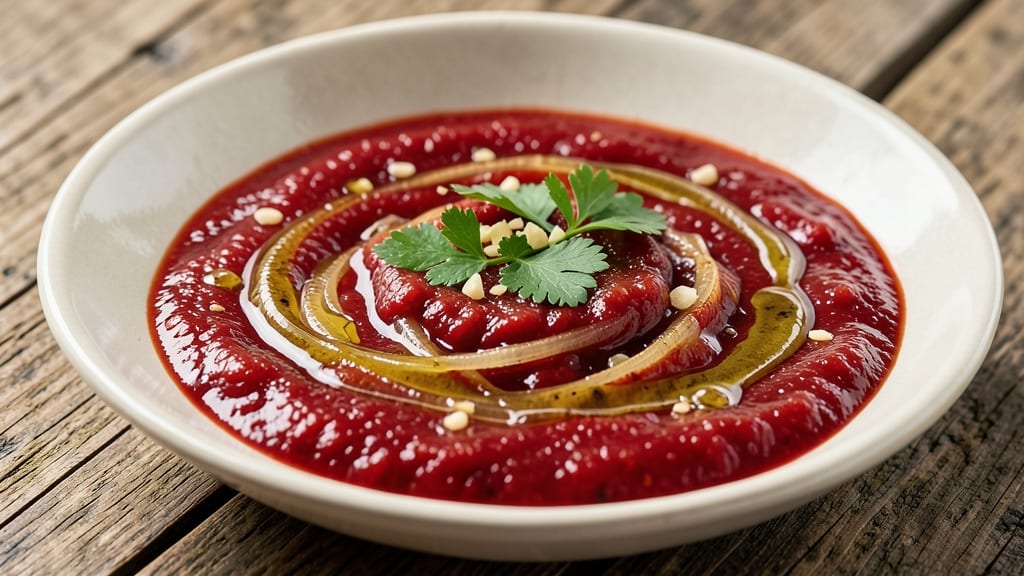
This poivrade sauce recipe transforms simple pantry staples into a velvety, smoky condiment that elevates everything from grilled meats to sandwiches. After years of perfecting the balance between mustard's sharpness and vinegar's bright zing, I've created a sauce that delivers restaurant-quality depth with just 10 minutes of active prep.
The secret lies in simmering celery and tomatoes until they break down into a rich, aromatic base—no fancy techniques required, just patience and a few key ingredients.
The magic happens when you combine tomato paste, vinegar, and mustard in the right proportions, creating a sauce that's both tangy and complex. I developed this recipe while working with tough cuts of beef, where the sauce's acidity tenderizes the meat while adding layers of flavor.
The result is a smooth, spreadable condiment that's perfect for slathering on sandwiches, drizzling over roasted vegetables, or serving as a dipping sauce for fries. It keeps well in the fridge for up to two weeks, making it an ideal pantry staple for quick meals.
What makes this poivrade sauce truly special is its versatility—it works equally well as a marinade, a glaze, or a finishing sauce. The smoky notes from the celery and tomatoes pair beautifully with rich meats, while the vinegar's brightness cuts through fatty dishes.
For an extra depth of flavor, I recommend simmering the sauce until it thickens slightly, which intensifies the aromatics and creates a more cohesive texture. This isn't just a sauce; it's a flavor multiplier that transforms ordinary meals into something extraordinary.
Once you try this poivrade sauce, you'll never go back to store-bought versions. The combination of mustard, vinegar, and slow-cooked vegetables creates a profile that's both familiar and excitingly complex.
Whether you're cooking for a crowd or treating yourself to a special meal, this sauce delivers bold, balanced flavor that's impossible to resist. Let's get started on creating your own batch—your taste buds will thank you.
Ingredients for poivrade sauce
Simple pantry staples transform into a restaurant-quality sauce with just 12 ingredients.
| Ingredient | Amount | Notes |
|---|---|---|
| Extra-Virgin Olive Oil 🫒 | ¼ cup | High-quality for richness |
| Yellow Onion 🧅 | 1 whole | Medium size, finely diced |
| Celery Stalks 🥬 | 2 whole | Fresh, trimmed and chopped |
| Garlic Cloves 🧄 | 3 cloves | Peeled and finely minced |
| Canned San Marzano Tomatoes 🍅 | 1 can | 28 oz, crushed by hand |
| Tomato Paste 🍅 | 2 tbsp | Smooth, not chunky |
| Red Wine Vinegar 🍷 | ¼ cup | Balsamic works too |
| Dijon Mustard 🌶️ | 2 tbsp | High-quality, no additives |
| Granulated Sugar 🍚 | 1 tbsp | Balances acidity |
| Salt 🧂 | 1 tsp | Diamond Crystal preferred |
| Fresh Thyme Leaves 🌿 | ¼ tsp | Or 1/4 tsp dried thyme |
| Black Peppercorns 🌶️ | ¼ tsp | Freshly cracked |
The celery and onion are non-negotiable here—they create that signature smoky depth. Look for fresh, crisp celery with no brown spots, and yellow onions for natural sweetness. Whole Foods or local markets usually have the best quality. The San Marzano tomatoes are worth the splurge—their sweetness and acidity balance perfectly. If you can't find them, any high-quality canned tomatoes will work, but they won't have the same depth. The garlic should be fresh, not that pre-minced stuff from the jar—it makes all the difference. For the vinegar, Bragg's red wine vinegar is my go-to, but any good-quality vinegar will do.
No Dijon mustard? Whole-grain mustard works in a pinch, but it'll be slightly grainier. Running short on tomatoes? Roasted red peppers from a jar add a smoky touch. The sugar might seem odd, but it's crucial to balance the vinegar's sharpness—don't skip it. Fresh thyme is ideal, but dried works at one-third the amount. For the peppercorns, a quick crack with a mortar and pestle releases more flavor than pre-ground. The olive oil matters too—use something fruity and high-quality, not the cheap stuff. If you're making this ahead, simmer it longer to intensify the flavors, but don't let it burn.
This sauce keeps beautifully for 2 weeks in the fridge, with flavors deepening over time. For longer storage, freeze in ice cube trays—perfect for single-use portions. The texture will thicken as it cools, so stir in a splash of water or vinegar if it gets too stiff. I always make a double batch—one for immediate use and one to freeze. The sauce reheats perfectly, making it ideal for meal prep. Just give it a quick stir before using to restore that velvety consistency.
Why You'll Love This Recipe
- No-Chop Nightmare: I swear by this sauce because the onion and celery? Just rough chop—no tears, no fuss. That’s it. The celery’s earthy bite and onion’s sweetness mellow into something rich without making me cry like my first attempt with raw shallots.
- Tomato-Garlic Magic: The San Marzano tomatoes are the star here—juicy, sweet, and never mealy. When you let that garlic caramelize in the olive oil first? Chef’s kiss. It’s the kind of flavor that lingers, making you reach for seconds before you even realize you’re hungry.
- Sauce for Everything: This isn’t just pasta night. Slather it on grilled chicken, toss it with roasted potatoes, or drizzle it over a charcuterie board. Honestly, I’ve even used it as a marinade—works like a charm. It’s the unsung hero that turns basic meals into something special.
- Leftovers That Don’t Suck: Unlike some sauces that turn gloopy, this one actually improves the next day. Reheat it gently, and it’s even better—deeper, richer, like it’s been simmering all night. I make a double batch on Sundays because it’s my go-to for lazy weeknights. No waste, all flavor.
Step-by-step instructions for poivrade sauce
This smoky, bright sauce builds in layers—start with slow-cooked aromatics, then balance acidity with sweetness.
Sauté the Aromatic Base
Heat the 0.25 cup extra-virgin olive oil in a medium saucepan over medium-low heat. Add the finely diced yellow onion and chopped celery stalks, stirring occasionally for 8-10 minutes until softened and translucent. The vegetables should release their moisture but not brown—this is your foundation.
Add the finely minced garlic cloves and cook for 30 seconds until fragrant. Here's the thing—garlic burns fast, so keep an eye on it. If the pan starts to smell harsh, reduce the heat slightly. This step unlocks the sauce's depth, so don't rush it.
Build the Tomato Foundation
Pour in the crushed canned San Marzano tomatoes and 2 tbsp tomato paste, stirring to combine. The paste will thicken the sauce immediately, creating a rich base. Bring the mixture to a gentle simmer over medium heat and let it cook uncovered for 15-20 minutes, stirring occasionally.
You'll notice the sauce darken slightly as it reduces—this is where the smoky character develops. If it gets too thick before the time is up, add 1-2 tablespoons of water to loosen it. The goal is a smooth, velvety consistency without any skin or lumps.
Balance Flavors with Vinegar and Sweetness
Reduce the heat to low and stir in the 0.25 cup red wine vinegar, 2 tbsp Dijon mustard, and 1 tbsp granulated sugar. The vinegar adds a bright, tangy kick that cuts through the richness, while the sugar and mustard round out the flavors. Let the sauce simmer gently for 10 minutes, stirring occasionally to prevent sticking.
Taste the sauce now—it should be vibrant and slightly acidic. If it needs more balance, add another ½ teaspoon of sugar or a splash of vinegar. This is where you fine-tune the sauce to your preference, so don't be afraid to adjust.
Finish with Herbs and Seasoning
Stir in the 0.25 tsp fresh thyme leaves and 0.25 tsp freshly cracked black peppercorns, along with the 1 tsp salt. Let the sauce simmer for another 5 minutes to allow the flavors to meld together. The thyme adds an earthy note, while the peppercorns bring a subtle heat that enhances the overall complexity.
Taste again and adjust the seasoning if needed. The sauce should be well-balanced, with a harmonious blend of smoky, tangy, and slightly sweet flavors. If it's too thick, thin it with a splash of water or broth. Once you're satisfied, remove the sauce from the heat and let it rest for 5 minutes to settle.
Strain and Serve
For a silky-smooth texture, strain the sauce through a fine-mesh sieve into a clean saucepan. This removes any herb stems or vegetable bits, giving you a refined, restaurant-quality finish. Return the sauce to low heat and let it warm through for 2-3 minutes before serving.
This poivrade sauce pairs beautifully with grilled meats, roasted vegetables, or even as a drizzle over polenta. The secret to its success lies in the balance of flavors—smoky, tangy, and slightly sweet—all coming together in a harmonious finish. Serve it warm and enjoy the depth of flavor it brings to your dishes.
Pro Tips For Making Poivrade Sauce
- SWEEAT THE ONIONS: I used to rush this step and end up with bitter, watery onions—don’t. Cook them over medium-low heat until they’re translucent and just starting to caramelize (about 8-10 minutes). That’s when they’ll actually flavor the sauce, not just sit there looking sad.
- CHOP THE CELERY SMALL: I learned this the hard way—big chunks of celery just sit in the oil like stubborn guests. Dice it into ¼-inch pieces so it breaks down evenly and infuses the olive oil with its earthy goodness. (Yes, even if you’re impatient like me.)
- CRUSH THE GARLIC: Whole garlic cloves burn before they release their flavor. Mince or crush them first so they cook through without turning bitter. A quick press with the flat side of your knife works—no fancy tools needed.
- SIMMER THE TOMATOES LOW: Dumping in San Marzano tomatoes and cranking the heat? Big mistake. Let them simmer gently (low-medium) for at least 20 minutes so the acid softens and the flavors meld. Skim off any foam that rises—it’s the bitter stuff you don’t want.
Dietary considerations for this poivrade sauce
Gluten-Free Adaptations
The original poivrade sauce recipe is naturally gluten-free, thanks to its base of olive oil, vegetables, and vinegar. However, I always double-check my mustard—some brands contain hidden gluten. Look for certified gluten-free Dijon mustard like Maille or Annie's, both of which are safe choices.
The tomato paste, vinegar, and spices used are also gluten-free, so no substitutions are needed beyond the mustard. 💯
Vegan-Friendly Version
To make this sauce vegan, simply replace the Dijon mustard with vegan mustard like French's Yellow Mustard (check labels for egg-free certification). The rest of the ingredients are already plant-based.
For extra richness, add 1 tbsp nutritional yeast while simmering, which adds a cheesy depth without dairy. The sauce maintains its vibrant, tangy character perfectly.
Low-Sugar Option
If you're watching sugar intake, reduce the granulated sugar from 1 tbsp to ½ tbsp or omit it entirely. The vinegar and mustard already provide enough acidity to balance the flavors.
For a natural sweetener, add ½ tsp maple syrup instead—it caramelizes beautifully during simmering. The sauce will still taste bright and balanced, just with fewer calories.
Allergy Considerations
This sauce is free from common allergens like dairy, eggs, and shellfish, making it safe for most dietary restrictions. If you're sensitive to nightshades (like tomatoes), replace the canned tomatoes with roasted red bell peppers or carrots for a similar sweetness.
Always check vinegar labels—some brands process in facilities with nuts or other allergens. For a nut-free kitchen, use separate utensils when handling ingredients.
Dairy-Free Notes
Poivrade sauce is inherently dairy-free, but if you're using it as a dipping sauce for items like fries or veggies, ensure your serving vessel is clean. Cross-contamination can happen easily in busy kitchens.
I like to serve this sauce with crispy roasted potatoes or grilled halloumi (for non-vegans) to showcase its versatility. The sauce's tangy profile works beautifully with dairy-free cheeses too!
Nutrition facts
Frequently asked questions about poivrade sauce
What's the best way to store leftover poivrade sauce?
Transfer the sauce to an airtight container and refrigerate for up to 2 weeks. The flavors actually deepen over time! For longer storage, freeze in ice cube trays—perfect for single-use portions. Always let it come to room temperature before reheating to preserve texture.
Can I make poivrade sauce without tomatoes?
Yes! Replace the tomatoes with roasted red bell peppers (½ cup) or carrots (½ cup, peeled and chopped) for a sweeter base. The sauce will still develop that signature smoky depth, though tomatoes add natural acidity. Adjust sugar to ½ tbsp if using sweeter substitutes.
Why did my poivrade sauce turn out too thick?
This usually happens if you didn't simmer long enough or forgot to thin with water. Fix it by whisking in 1-2 tablespoons of water or vinegar while warm. For future batches, reduce the tomato paste to 1 tbsp if you prefer a looser consistency. The sauce should coat the back of a spoon but remain pourable.
What's the best way to use poivrade sauce?
This versatile sauce works as a drizzle for grilled meats, dipping sauce for fries, or spread for sandwiches. Try it with steak tartare, roasted vegetables, or even crispy polenta. The vinegar's brightness cuts through rich dishes beautifully. For extra drama, finish with a sprinkle of fresh parsley.
Can I make poivrade sauce ahead for a dinner party?
Make it 1-2 days ahead for deeper flavor development. Store in the fridge and reheat gently over low heat before serving. The sauce thickens as it cools, so thin with a splash of water if needed. Pro tip: Keep a small jar at room temperature for quick drizzling during the party.